
What is the Link Between Gut Health and Hair Loss?

Have you spent hundreds of pounds on structural hair serums, biotin gummies, and split-end miracles, only to find your hair is still brittle, thinning, or refusing to grow? If you are reading this one, I bet you have experienced this at least once in your life. Here is how your gut health and hair loss are inextricably linked through the gut hair axis, and how to fix it from the inside out.
Before I earned my BSc (Hons) in Human Nutrition and founded DeGlutenista Nutrition, I spent three decades working behind a professional salon chair. I evaluated thousands of scalps, diagnosed complex hair textures, and noticed a massive, undeniable pattern: You cannot fix on the outside what is neglected on the inside. So, hair masks, structural serums, and expensive styling treatments certainly have their place, but they can only temporarily coat a strand that your body has already created. They work only if combined with care from the inside.
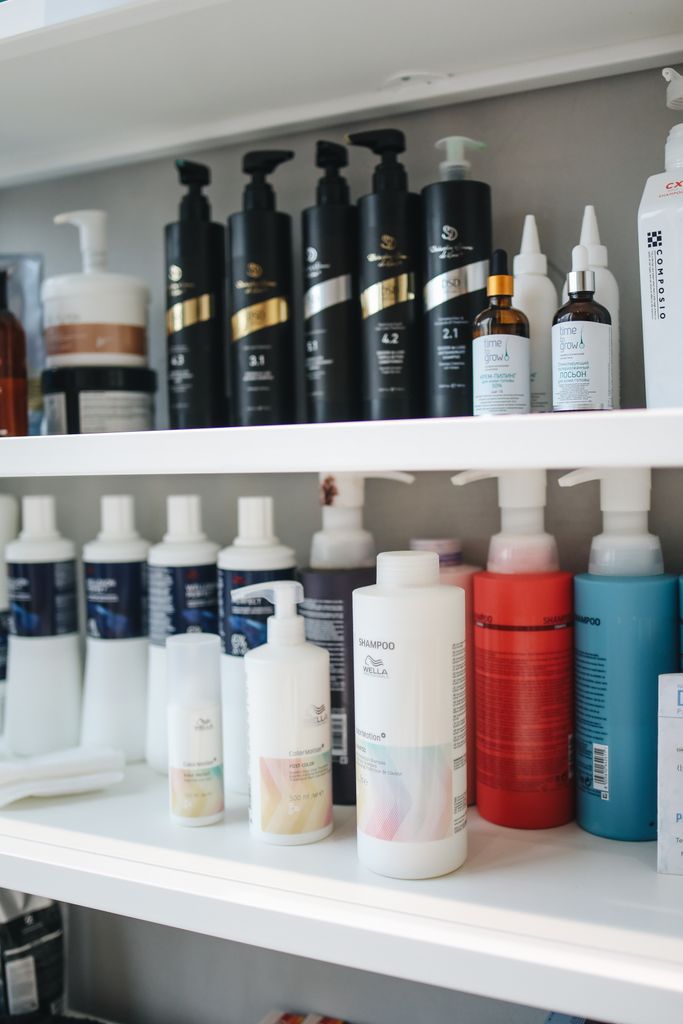
When clients came to me distressed over sudden shedding or lifeless strands, they frequently blamed their shampoo, their genetics, or their age. But as we dug deeper into their lifestyles, the real story behind the chair emerged: chronic bloating, heavy antibiotic use, unmanaged stress, or diets dominated by ultra-processed foods.
In the beauty industry, we are taught to coat hair strands topically. But as a nutritionist, I had to look deeper, down to the cellular level, where your blood carries nutrients directly to the follicle base. If your digestive health is compromised, your hair is the very first thing your body rations.
Your hair is a dynamic, living reflection of your internal metabolic health and digestive ecosystem. To understand how these processes are connected, we have to dive deep into cellular nutrition science.
The First Principles of Hair: A Luxury Tissue

To understand why your hair is suffering, we have to look at how human biology prioritizes nutrients.
Your hair follicles are some of the most metabolically active tissues in your body. They require a steady, massive supply of energy and micronutrients to produce healthy strands. However, because hair is not required for survival, your body views it strictly as a luxury.
When your system is under pressure, whether from chronic inflammation or poor digestion, your body immediately diverts vital cellular resources from your scalp to keep your vital organs running.
If your gut health is compromised, it triggers two major roadblocks to your hair growth goals:
The 3 Core Links Between Gut Health and Hair Loss
Chronic Nutrient Malabsorption Symptoms
You aren’t just what you eat; you are what you actually absorb. If you have low stomach acid or if your gut lining is inflamed due to undiagnosed gluten sensitivities or celiac disease, you cannot efficiently break down proteins into amino acids (like cysteine and lysine). These amino acids are the literal building blocks of keratin or that protein your hair is made of!
Chronic Inflammation:
When your gut microbiome is out of balance, your body experiences low-grade systemic inflammation. To combat this, your metabolism hoards vital minerals like iron (ferritin), zinc, selenium, and B vitamins. Instead of delivering these minerals to your scalp to feed active hair follicles, they are spent managing internal oxidative stress.
Autoimmunity and Alopecia Areata:
The gut-immune-hair axis is strongly linked to autoimmune hair loss. Conditions like Alopecia Areata, where the immune system mistakenly attacks hair follicles, are highly correlated with gut permeability and microbiome imbalances.
Symptoms of Gut-Related Hair Loss
Hair issues often occur alongside physical, digestive, and systemic red flags. You might be experiencing gut-driven hair loss if you notice:
- Diffuse, widespread shedding or brittle hair.
- Persistent digestive distress such as bloating, gas, abdominal pain, or irregular bowel movements.
- Unexplained fatigue, joint pain, or brain fog.
- Co-occurring skin issues (e.g., acne, eczema) which also point to systemic inflammation.
The Gut-Hair Connection: How Dysbiosis Triggers Specific Hair Loss Patterns
When talking about hair loss, we cannot treat all shedding the same way. A disrupted gut ecosystem sends inflammatory signals throughout your entire body, which directly alters the natural growth cycle of your hair follicles. This typically shows up in two distinct patterns:

Diffuse Thinning and Telogen Effluvium
If you notice uniform, generalized thinning across your entire scalp rather than distinct patches, your gut barrier may be compromised.
Chronic low-grade inflammation from conditions like leaky gut or undiagnosed food sensitivities forces a high percentage of active hair follicles to prematurely enter the “resting” phase.
Known as Telogen Effluvium, this state causes widespread, excessive daily shedding. It occurs because your body treats hair as a luxury biological project. As a result, vital energy is drawn away from your scalp to manage internal digestive stress.
Autoimmune Shedding and Alopecia Areata
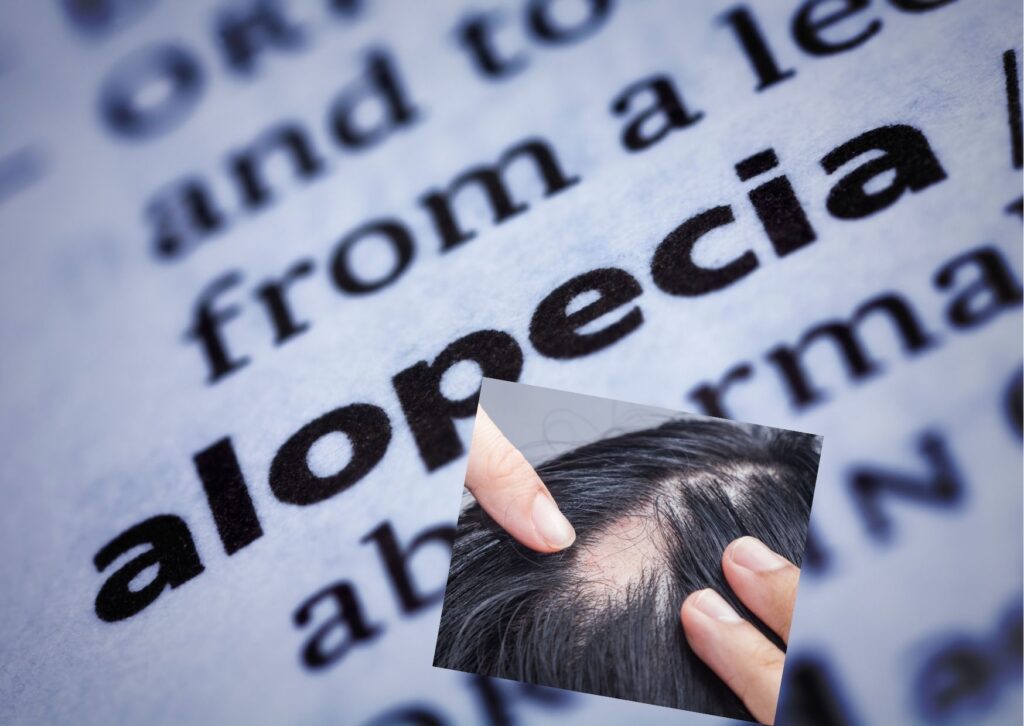
Unlike generalized thinning, Alopecia Areata presents as distinct, patchy circular bald spots. This is an autoimmune response where your body’s immune system mistakenly attacks its own hair follicles. Over 70% of your immune system resides directly in your gut lining. When severe microbial imbalance (dysbiosis) occurs, the gut loses its ability to regulate immune responses. This systemic confusion can trigger a hyper-reactive immune state, directly fueling autoimmune-driven patchy hair loss.
The Estrobolome: The Hidden Hormonal Pathway to Hair Thinning
While many people associate gut health purely with nutrient absorption, your microbiome also acts as a primary control center for your hormones. Within your gut ecosystem lives a dedicated sequence of bacteria known as the estrobolome.
When your gut microbiome is out of balance due to ultra-processed foods or heavy antibiotic use, the estrobolome cannot function optimally. This leads to two critical issues for your hair:
Estrogen Dominance or Estrogen Deficiency: An impaired estrobolome can cause either a toxic recirculation of unusable estrogen or a sudden drop in free, active estrogen levels.
Follicular Miniaturization: Estrogen plays a vital role in extending the “anagen” (growth) phase of your hair. When the estrobolome fails to balance these hormones, your hair follicles undergo a process called miniaturization. Each new growth cycle produces strands that are thinner, weaker, and more brittle.
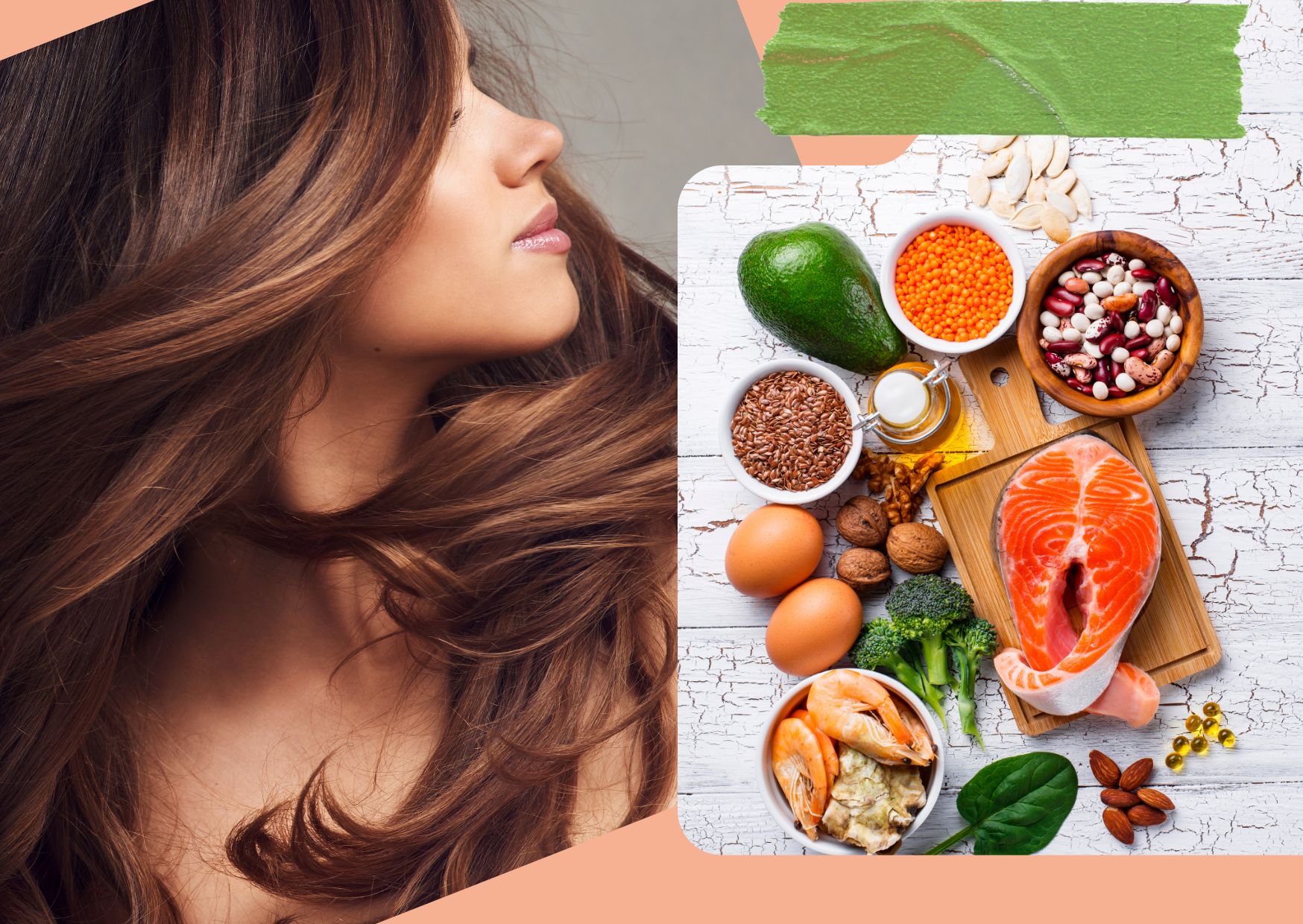
However, there is a nutritious way to support your estrobolome, and it is a delicious one. Prioritize sulfur-rich cruciferous vegetables like broccoli, Brussels sprouts, and cabbage, which naturally support the liver and gut in clearing hormones.
The Reality of the Gut-Hair Axis: Medical Boundaries and Benchmarks
While optimizing your gut health through an intact food matrix is a powerful foundation for healthy hair, it is crucial to understand the clinical boundaries of the gut-hair axis.
What the Science Says
Many studies highlighting the benefits of specific strains, such as Lactobacillus, for hair density are currently based on animal models. While the real-world connection between a calm gut and a healthy scalp is undeniable, large-scale human clinical trials are still developing. Furthermore, no over-the-counter probiotic supplement holds a medical marketing authorization to treat or cure hair loss. Holistic gut healing should be viewed as a vital complement to, not a replacement for, evidence-based treatments prescribed by a trichologist or GP.
Crucial GP Blood Panel Targets
If you are struggling with chronic shedding, ask your healthcare provider to run a comprehensive blood panel. However, do not just look for a standard “normal” textbook range. For active hair follicle regeneration, your cellular environment needs optimal abundance, not just baseline survival levels:
Ferritin (Stored Iron): Standard UK lab ranges accept levels as low as 15 ng/mL, but optimal hair regrowth typically requires a target ferritin level above 70 ng/mL.
Vitamin D3: Aim for an optimal range of 50–80 ng/mL to properly support the hair follicle cycling phase.
Active B12 & Zinc: Ensure these are in the upper third of standard reference ranges to provide the raw materials needed for structural keratin synthesis.
Why is Food Matrix so Important?
When people try to fix their hair nutritionally, they usually buy fractionated, isolated supplements like high-dose zinc or synthetic biotin. But your body does not efficiently process isolated chemical compounds.
True cellular health relies on the food matrix, the complex, natural physical scaffolding of whole foods. When you eat whole foods, the nutrients are bound alongside intact fibers, healthy fats, and cofactors that slow down absorption and shield your gut from metabolic spikes.
By shifting your diet away from ultra-processed, gluten-free factory foods and moving toward an intact food matrix, you systematically heal your gut barrier. A calm, sealed gut lining means optimal nutrient absorption, which directly translates to vibrant, well-fed hair follicles.
How to Heal the Gut-Hair Connection
Ready to stop patching the surface and start growing healthier hair? Because hair is a slow-growing tissue, visible improvements from internal gut healing generally take about three to six months.
- Adopt an Anti-Inflammatory Diet: Focus on whole foods and incorporate probiotics (e.g., kefir, kimchi, my signature Beetroot Kvass, sauerkraut, or Homemade yogurt (if you tolerate dairy) to repopulate your beneficial gut microbes.sauerkraut) and prebiotics (e.g., garlic, onions, oats, leeks) to foster a diverse microbiome.
- Eliminate Gut-Irritating Foods: Limit intake of ultra-processed foods, artificial sweeteners, and highly processed vegetable oils that can disrupt the delicate bacterial balance in your intestines.
- Prioritize Nutrient-Dense Proteins: Consume adequate, easily digestible proteins, as hair strands are primarily made of keratin.
- Manage Chronic Stress: The gut-brain-microbiome axis means mental stress directly disrupts gut health and hair growth cycles.
- Secure 30g of Protein at Breakfast: Give your body an immediate, morning supply of amino acids to signal that it has enough resource abundance to build “luxury” hair tissue. Try a rich, savory breakfast like a Gluten-Free Frittata to keep your blood sugar steady.
- If you are living gluten-free, avoid relying heavily on processed gluten-free breads packed with refined tapioca and potato starch. They cause rapid spikes in blood glucose that stress your metabolism and your hair. Focus on natural pseudograins like buckwheat or quinoa instead.
FAQs
Can taking probiotics actually reverse hair loss?
Probiotics are excellent for optimizing nutrient absorption and calming systemic inflammation, but they are not a standalone miracle cure. While robust human clinical trial evidence is still developing, balancing your microbiome with beneficial strains such as Lactobacillus provides the optimal internal environment for hair regeneration. Probiotics should be viewed as a foundational dietary tool that complements food-first, evidence-based hair protocols.
How long does it take for gut health improvements to show in my hair?
Hair growth is a slow, cyclical biological process. While you may notice an improvement in your energy levels and digestion within a few weeks, your scalp requires time to catch up. Most people observe initial improvements in hair quality and a reduction in daily shedding within 8 to 12 weeks of consistent dietary changes. Significant, visible hair regrowth typically takes 3 to 6 months.
What digestive symptoms point to a gut-related hair issue?
If your hair thinning is accompanied by chronic upper or lower digestive tract discomfort, your gut barrier is likely compromised. The most common red flags include persistent abdominal bloating, frequent gas, irregular bowel movements (chronic constipation or loose stools), and sudden food sensitivities. These symptoms suggest that low-grade inflammation or malabsorption is actively diverting vital cellular resources away from your scalp.
Is there a connection between a leaky gut and pattern baldness?
Yes. When the intestinal lining becomes overly permeable (leaky gut), undigested food particles and toxins escape into the bloodstream, triggering a widespread immune reaction. This constant state of systemic inflammation elevates stress hormones such as cortisol, which can prematurely trigger hair shedding. Furthermore, an inflamed gut alters your estrobolome, which can cause a hormonal backlog that fuels androgenic (pattern) hair thinning.
Which specific nutrients does an unhealthy gut fail to absorb?
A damaged, inflamed gut lining struggles to extract and process the essential building blocks of hair tissue. It primarily blocks the assimilation of iron (ferritin), zinc, vitamin D3, vitamin B12, and selenium. When your gut fails to break down dietary proteins into vital amino acids like cysteine and lysine, your body cannot synthesize the structural keratin required to build strong hair strands.
Is it safe to take gut-healing probiotics alongside medical hair treatments?
Yes. Probiotics and a whole-food diet do not interfere with standard, clinically approved topical or oral hair loss medications like minoxidil or finasteride. In fact, taking steps to systematically heal your gut barrier while using conventional treatments addresses your hair loss from two angles: supporting external follicle stimulation and fixing your internal supply chain.


About the Author: Dani
Gluten-Free Recipes | Gut Health | Metabolic Health
Dani is a BSc (Hons) in Human Nutrition graduate with 33 years of experience as a hairstylist across two countries.
She is passionate about health, focusing on holistic well-being that includes hair care, from strands to scalp, and nutrition, connecting her salon work with scientific knowledge.
She also shares simple recipes, nutrition tips, lifestyle experiences, and insights into living with food intolerances.