
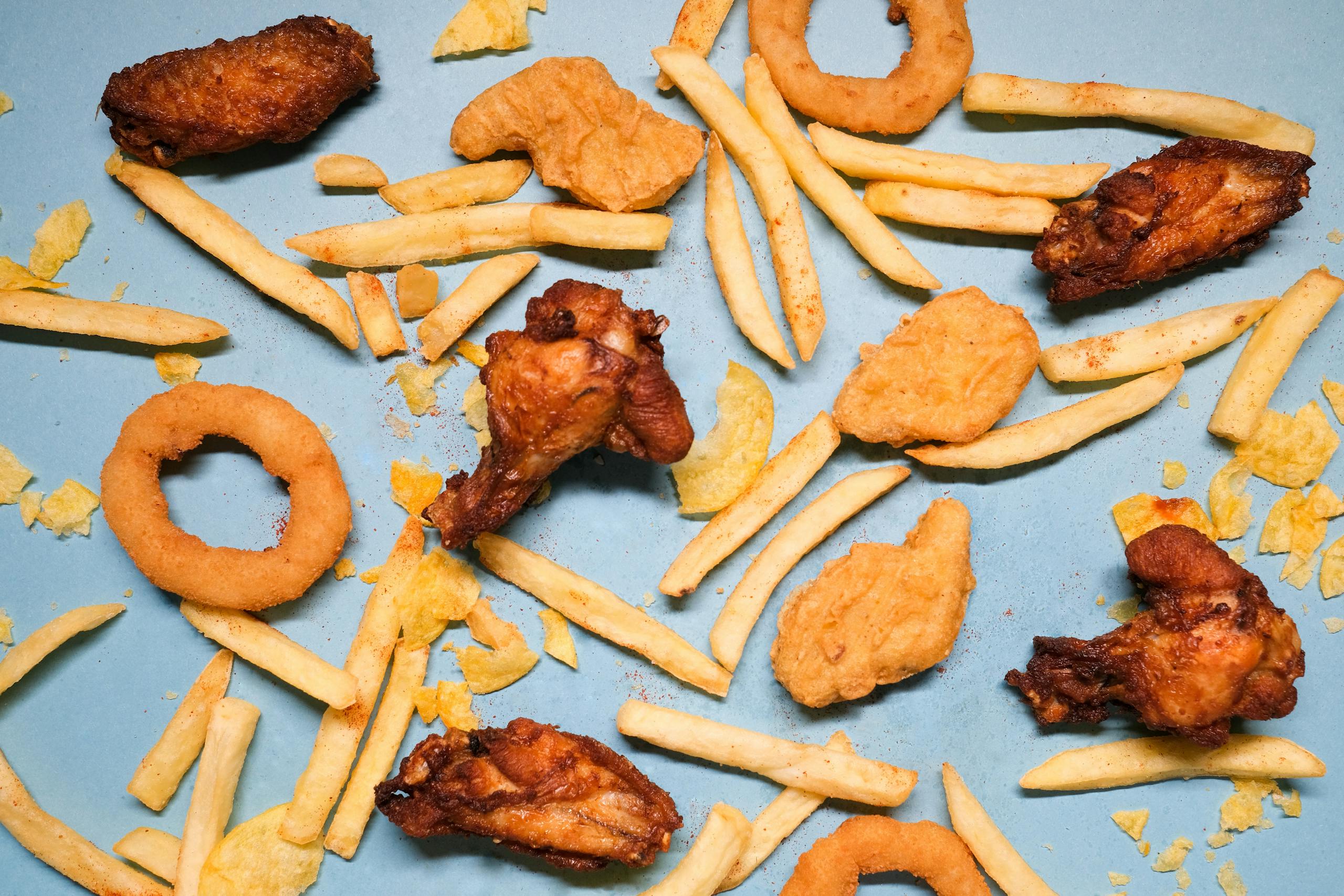
What Are Ultra-Processed Foods and How to Spot Them

Ultra-processed foods are widely available, and many of us rely on them to some degree. No doubt, they offer a tasty, quick, and convenient option that fits well with our busy lifestyles. But, this is not food, my darling, at least not in the way our bodies understand real food.
It was not like that not long ago. It happened in my lifetime, and I feel the need that something is not quite right. But this is not a food. These are edible substances, engineered, mastered, and tasted to mimic food. So, let’s dive into the rabbit hole and explore deeper.
This article is about ultra-processed foods, what they are, what they aren’t, and why anyone with a body should know the difference. I’m not here to tell you a single biscuit is going to undo you. I’m here because the gap between what we’re eating and what our bodies recognize as food and metabolize it in a way that impacts our metabolic health. And because anyone navigating “free-from” live needs to know that the aisle marketed to us as the safe one often brings a hidden cost of gluten-free foods, and this is definitely not the price.
Pull up a chair. We’re going to read the back of the packet together.
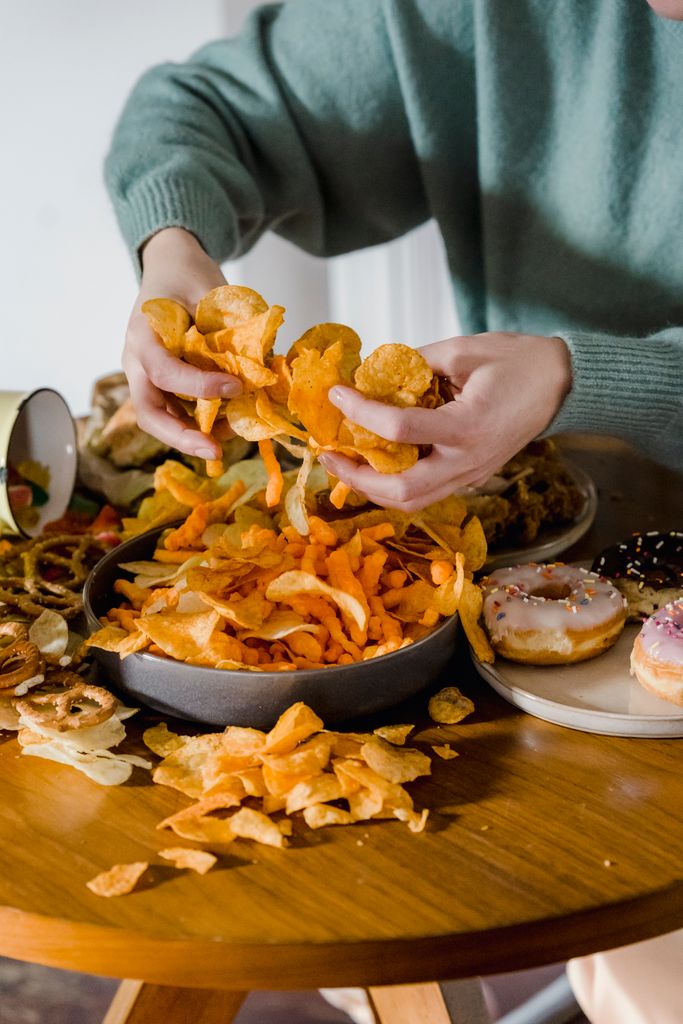
Quick Answer: What are Ultra-Processed Foods?
Ultra-processed foods are industrially produced products made from refined starches, oils, sugars, protein isolates, and modified ingredients, along with additives used for texture, flavor, shelf life, and repeat consumption. They differ from ordinary processed foods such as yogurt, cheese, olive oil, frozen vegetables, or traditional bread, in which the original food structure is still easier to recognize.
What Food Processing Means
Let’s start with the definitions: processed and ultra-processed foods are not the same. Let’s look at processing. Some foods should be modified to some extent to become safe.
Almost every food in your kitchen has been processed in some way. Frozen peas are processed: they were blanched and frozen. Tinned tomatoes are processed: they are peeled, cooked, and sealed. Plain yogurt is processed: milk plus bacteria plus time. Olive oil is processed: olives plus a press. Bread is processed: flour, water, salt, yeast, and heat. Cheese, butter, oats, dried beans, smoked fish, fermented cabbage. All processed and all food.
Processing, in the kitchen and in the cellar, is what humans have done to food for thousands of years. It’s how we eat in winter. It’s how we feed cities. It’s how we turn raw ingredients into meals.
Ultra-Processing Is Something Else
Ultra-processed foods are industrial formulations, or products built largely from substances extracted from foods (oils, starches, isolates, hydrolysates) and combined with additives engineered for shelf life, mouthfeel, color, and craving. They are designed in laboratories. They use ingredients you couldn’t buy in a regular supermarket. They are optimized for one thing above all: making you want more.
The shorthand that helps most: if you can’t make it in a home kitchen with ingredients you’d recognize, it probably isn’t food in the traditional sense, it’s a food product.
That distinction matters enormously, because the science of nutrition has spent decades fighting over the wrong question. We argued about fat, carbs, and protein. We counted calories. We labeled foods good or bad based on a single nutrient. And while we argued, an entirely new category of edible substance quietly took over the supermarket shelves, and our bodies, it turns out, were paying attention even when we weren’t.
The NOVA Classification Changed Nutrition Science
In 2009, a Brazilian public health researcher named Carlos Monteiro proposed something deceptively simple. Instead of classifying foods by their nutrients, he said, classify them by how they’re made and what they’re for. The framework he developed, NOVA, has become one of the most important tools in modern nutrition science.
| NOVA group | What it means | Examples |
|---|---|---|
| Group 1 | Whole or minimally processed foods | vegetables, fruit, eggs, plain yogurt, beans |
| Group 2 | Culinary ingredients | olive oil, butter, salt, sugar, flour |
| Group 3 | Processed foods | cheese, sourdough, canned vegetables, salted nuts |
| Group 4 | Ultra-processed foods | fizzy drinks, snack bars, instant noodles, packaged biscuits, many free-from snacks |
NOVA Groups, let’s look closer
Group 1: Unprocessed and Minimally Processed Foods
Whole foods, or foods that have been altered only by drying, freezing, milling, fermenting, or basic cooking, without anything added.
Examples: fresh fruit, vegetables, eggs, milk, plain yogurt, fresh meat and fish, dried lentils and beans, oats, brown rice, plain frozen vegetables, herbs, spices.
These are the foods your great-grandmother would recognize. They form the base of every traditional diet on earth, including the Mediterranean diet, the Bulgarian village diet I grew up on, the Japanese diet, and the diets of every long-lived population ever studied.
Group 2: Culinary Ingredients
The basics you cook with, extracted from Group 1 foods, are used in small quantities to season and prepare meals.
Examples: olive oil, butter, salt, vinegar, honey, sugar (yes, sugar in this context), flour.
These are not meals. They are tools.
Group 3: Processed Foods
Foods made by combining Group 1 and Group 2 ingredients using methods you’d find in a home or artisan kitchen.
Examples: fresh bread (flour, water, salt, yeast), traditional cheese, cured meats, canned vegetables in brine or oil, salted nuts, simple jams.
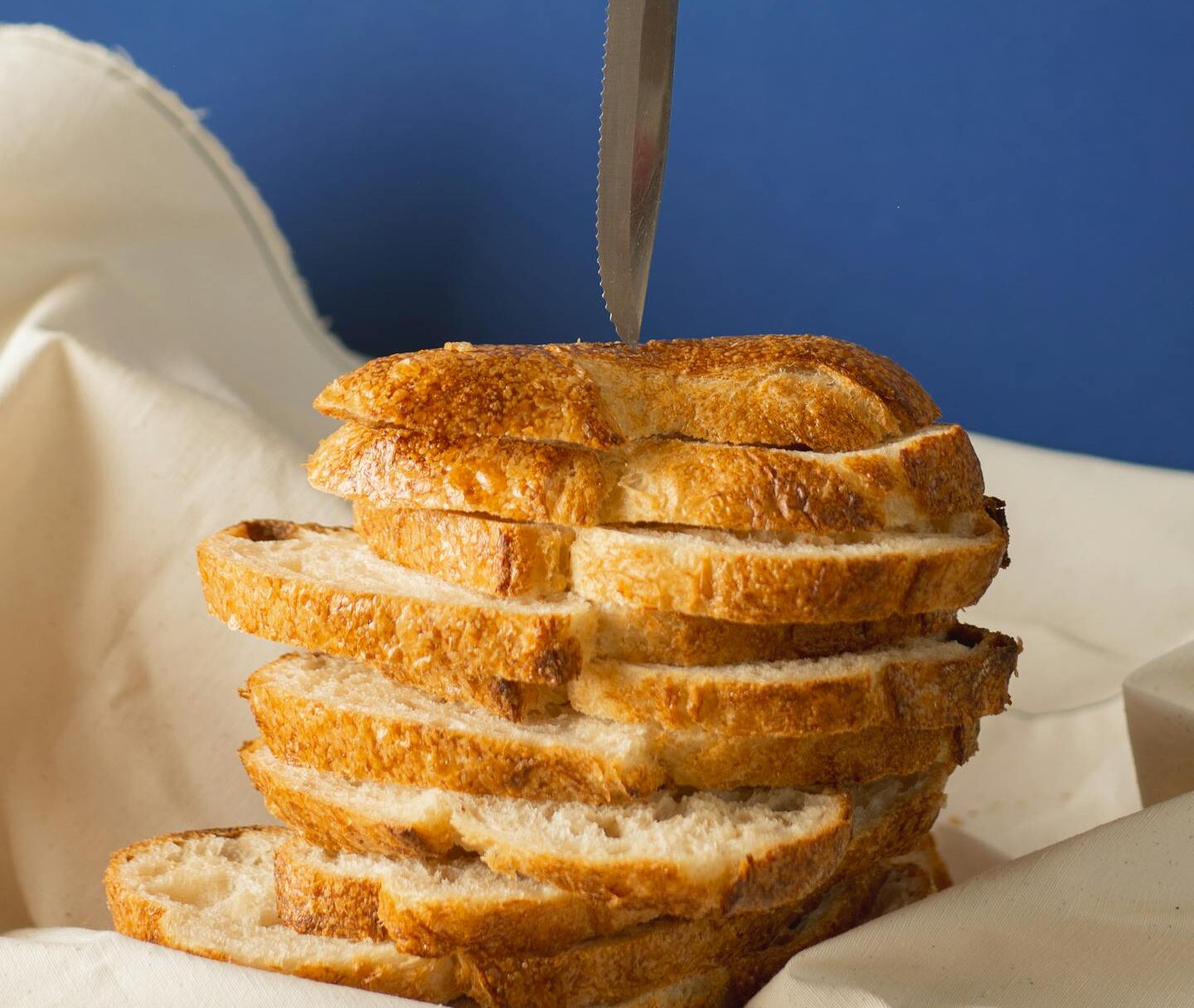
A loaf of sourdough from your local baker is processed. A traditional feta cheese is processed. These foods sit comfortably in any traditional diet. They are not the problem.
Group 4: Ultra-Processed Foods (UPF)
This is the category that we are talking about today.
Ultra-processed foods are industrial formulations made mostly from substances extracted from food (oils, starches, isolates, syrups), modified ingredients (hydrogenated fats, modified starches), and additives that wouldn’t appear in a domestic kitchen, such as emulsifiers, thickeners, stabilizers, humectants, flavor enhancers, artificial sweeteners, colors, preservatives, and so on.
Examples: mass-produced packaged breads, breakfast cereals, instant noodles, flavored yogurts, fizzy drinks, energy drinks, packaged biscuits and cakes, ice cream, margarine, “plant-based” meat substitutes, packaged sauces, ready meals, protein bars, gluten-free biscuits made with twelve starches and gums, lactose-free desserts assembled from emulsifiers and stabilizers, “high-protein” snacks engineered around protein isolates.
The NOVA is that it stops asking “how much fat does this contain?” and starts asking “what is this, actually? Who made it? Why?” Those are much harder questions for the food industry to answer convincingly, which is why they have spent the years since 2009 trying to discredit the framework.
How to Spot Ultra-Processed Foods
Here is the single most useful skill you can build as a shopper: turning the packet over.
The Five-Word Rule
If the ingredient list contains more than five items you don’t recognize as food, you’re holding ultra-processed food. This is rough but reliable. A real loaf of bread contains four ingredients. A real yogurt contains two – milk and cultures. A real packet of crisps contains potatoes, oil, and salt.
If you read the label and the words sound like a chemistry exam, you have your answer.
Ingredients You Wouldn’t Find in a Home Kitchen
- Modified starch(or modified maize starch, modified tapioca starch)
- Hydrolyzed protein/protein isolate
- Mono- and diglycerides of fatty acids
- Emulsifier (E471, E472e, E481)
- Maltodextrin
- Glucose-fructose syrup / high-fructose corn syrup
- Hydrogenated or partially hydrogenated anything
- Natural flavoring (deceptive, not the same as a natural flavor)
- Acidity regulators, stabilizers, thickeners, and firming agents
Numbers preceded by E (food additive codes)
None of these belongs in a home kitchen. None of them appeared in the food chain a hundred years ago. They are signals, every one of them, that what you’re holding is a product, not a meal.
Health Halo and Ultra-Processed Foods
The packaging itself is part of the trick. Be alert when you see:
Free-from (gluten, lactose, sugar) – read the ingredient list
High in protein – might come from added protein powder
No added sugar – often replaced with artificial sweeteners
Plant-based – a tomato is plant-based; so is an Oreo
Natural, clean, real – these words are unregulated
None of these claims tells you anything reliable about whether the food is good for you. They tell you what the marketing department wants you to feel. Read the ingredients instead.
Why Ultra-Processed Foods Matter for Your Health
This is the section where I have to be careful, because the science of ultra-processed foods and health is genuinely evolving, and a great deal of nuance gets lost in headlines. Here is what the current evidence actually shows.
Multiple large observational studies, including a 2024 BMJ umbrella review covering data from nearly 10 million people, have found consistent associations between higher consumption of ultra-processed foods and increased risks of cardiovascular disease, type 2 diabetes, obesity, certain cancers (notably colorectal), depression, and all-cause mortality. The associations are dose-dependent, meaning the more UPF you eat, the higher the apparent risk.
Mechanistically, researchers are exploring several plausible reasons: Ultra-processed foods are engineered to drive excess consumption (Dr. Chris van Tulleken’s phrase, from his self-experiment in Ultra-Processed People).
Ultra-processed foods tend to be hyperpalatable, energy-dense, and nutrient-poor; they alter the gut microbiome; and their additives themselves, particularly emulsifiers, are increasingly suspected of disrupting the intestinal barrier.
Ultra- Processed Foods: What’s Still Being Researched
Two important points. First, observational studies show association, not causation. We cannot yet say with absolute certainty that ultra-processed foods cause these diseases, only that high UPF consumption is consistently linked to them across populations.
The 2019 randomized controlled trial led by Kevin Hall at the NIH showed that people ate around 500 extra calories per day on an ultra-processed diet compared with a matched unprocessed diet. Separately, large NutriNet-Santé observational studies have linked higher consumption of ultra-processed foods with a higher risk of several health outcomes.
Second, “ultra-processed foods” is a broad category. A packet of plain wholemeal supermarket bread (technically NOVA Group 4 because of the additives) is not the same as a packet of fluorescent fizzy sweets, and the science is increasingly distinguishing among UPFs to determine which cause the most harm.
What we can say honestly: the weight of evidence is now substantial enough that the UK government’s Scientific Advisory Committee on Nutrition (SACN) acknowledged in 2023 that high ultra-processed foods consumption is associated with adverse health outcomes – a meaningful policy moment. The NHS in England, the BMA, and The Lancet have all begun publicly naming ultra-processed foods as a public health concern.
This is no longer a fringe view. It’s a forming consensus.
The Free-From Trap
This section is short for now, because it deserves its own article, and it will get one. But it would be dishonest to write a guide to ultra-processed foods for a gluten-free audience and not name the trap.
I have lived gluten-free and lactose-free for years. I have considered myself, with mild smugness, a careful shopper. And then one day, I started turning over the packets in the free-from aisle and reading them properly. What I found was the same engineered industrial formulation as everywhere else, dressed up in a clean-label costume. Stripped of one ingredient, rebuilt with twenty.
A gluten-free biscuit made from almonds, eggs, and a little honey is one kind of food. A gluten-free biscuit made from maize starch, modified maize starch, vegetable oil emulsion, hydrolyzed maize protein, gum acacia, glycerine, and “natural flavoring” is an entirely different kind of food. And pretending otherwise just because it doesn’t contain gluten is exactly the kind of marketing trick this article exists to expose.
Free-from describes what has been removed. It tells you nothing about what has been added. And in many cases, what has been added is more troubling than what was taken out.
I’ll cover this fully in a follow-up — The Gluten-Free Aisle is an ultra-processed foods Aisle. For now, the takeaway is simple: the same skills you’ve just learned for spotting ultra-processed foods apply just as forcefully to the free-from aisle. Probably more so. Find out more about gluten-free living in the gluten-free diet guide.
The Generational Picture: How We Got Here
I want to return to the village for a moment. In Bulgaria in the 1970s, the average household ate as most European families had for centuries. The bread came from the local bakery and was made with flour, water, salt, and yeast. Yogurt was set overnight in glass jars by adding a spoonful of yesterday’s batch to fresh milk. Vegetables came from gardens, allotments, or markets. Animals were raised by people you knew.
Fermented things filled the cellar in autumn: cabbage, peppers, cucumbers, and peppers stuffed with rice, which fed families through winter. Sugar was for cakes and occasional celebrations. Meat was in small portions, 1-2 times a week. Children played outside until the light went, came home with dirt under their fingernails, and ate what mum cooked.
Within a single lifetime – mine – that has been replaced. Industrially baked bread with multiple ingredients. Yogurts thickened with modified starch and sweetened with sugar or sucralose. Vegetables flown in from continents away, often pre-cut and bagged in modified atmospheres. Meat from animals nobody has met. Sweets every day. Snacks engineered to be impossible to stop eating. Children indoors, antibiotics-treated, hand-sanitized within an inch of their lives, and increasingly diagnosed with food intolerances and chronic conditions their grandparents barely encountered.
I am not romanticizing the past. Life was harder. Medicine was developing. Many things have improved. But on the question of what we eat, something genuinely was lost, and we are only now beginning to count the cost.
The story of ultra-processed foods is the story of how a postwar food system built for cheapness, shelf life, and convenience accidentally rewired what the human species considers normal to put in its mouth. Once you see this, you cannot unsee it. And the path forward, for those of us who can choose, who have access, who have the time and the knowledge, is to walk back toward the kitchen.
How I Use the 80/20 Rule With Ultra-Processed Foods
This article is here to make labels easier to read, not to turn every meal into a worry. Food awareness should help us choose better most of the time, while still leaving room for birthdays, travel, busy days, and the odd packet that keeps life moving. The aim is a stronger food pattern.
However, scanning every label, terrified of every meal, is not healthy. That is its opposite, and it has its own name, orthorexia, and it is a real and serious disorder. The pursuit of “clean eating” has hospitalized people.
So let me end with the calmer view I genuinely hold.
The 80/20 Rule
If most of what you eat, say 80%, is whole food or minimally processed, your body has the resources it needs to handle the rest. A piece of supermarket cake at a birthday party is not the problem. A daily diet built around supermarket cakes is. Pattern matters far more than moment.
One More Real Meal a Week
If everything in this article feels overwhelming, here is the only thing I want you to take from it: cook one more real meal a week than you do now. That’s it. Beans and rice. A roasted chicken. A fish with potatoes and a tomato. An egg on toast made from real bread. Build the habit slowly, and the changes compound.
Read One Packet a Day
When you’re shopping, pick up one product you regularly buy and read the back. Just one. Notice what’s in it. You don’t have to put it back on the shelf; that decision is yours. But noticing changes things over time. The next packet you read becomes easier. After a few weeks of this, your trolley starts to look different without you trying.
That is how change actually happens. Slowly, with attention, without regretfulness. You don’t have to live in fear of food. You just have to remember what food was, before we forgot. And resist, as much as we can!
FAQs
What’s the difference between processed and ultra-processed food?
Processed food is food that has been altered using methods you’d recognize from a home kitchen. frozen vegetables, fresh bread, plain yogurt, and traditional cheese. Ultra-processed food is an industrial formulation made from extracted substances and additives engineered for shelf life and to trigger cravings; most packaged biscuits, ready meals, breakfast cereals, and “free-from” products fall into this category. Processed food is fine. Ultra-processed foods are the problem.
Is gluten-free food ultra-processed?
Often, yes. Many commercial gluten-free products are textbook examples of ultra-processed foods; built around modified starches, emulsifiers, gums, and flavorings to mimic the structure gluten provides. The most reliably non-ultra-processed foods are naturally gluten-free: rice, potatoes, fruit, vegetables, eggs, fish, meat, plain dairy, legumes, and oats labeled gluten-free.
What is the NOVA classification system?
NOVA is a four-group framework developed by Brazilian researcher Carlos Monteiro that classifies foods by how they’re made rather than by their nutrient content. Group 1 is unprocessed and minimally processed; Group 2 is culinary ingredients; Group 3 is processed foods; Group 4 is ultra-processed. It’s now used widely in international nutrition research.
Are all additives bad?
No. Salt is technically an additive. So is vinegar. The concern is specifically with additives that don’t appear in domestic kitchens: emulsifiers, modified starches, hydrogenated fats, flavorings derived from industrial processes, and artificial sweeteners. These are markers of ultra-processing rather than ingredients you’d find in a real meal.
How many ultra-processed foods is too many?
There is no official UK guideline yet. Current research suggests that the higher your UPF intake, the greater the associated health risks, and that most adults in the UK now get over 50% of their daily calories from ultra-processed foods. A reasonable target, supported by emerging evidence, is to keep ultra-processed food intake below roughly 20% of your diet, which is what most traditional diets naturally achieve.
Will eating UPF occasionally harm me?
No single food will. The concern is patterns, not moments. A birthday cake at a birthday party is not the problem. A daily diet built around ultra-processed convenience foods is. Aim for the pattern; the occasional ultra-processed foods moment takes care of itself.

About the Author: Dani
Integrative nutritionist | BSc (Hons) Human Nutrition | Metabolic and gut Health
Hi! I’m Dani, BSc (Hons) Human Nutrition with a strong interest in lifestyle medicine, gut health, metabolic health, UPF-free, whole-food, and gluten-free cooking. Your visit means the world to me!
I share simple recipes, nutrition tips, lifestyle experiences, and insights into living with food intolerances.
My story
My philosophy
What DeGlutenista Reads
- Ultra-Processed People by Dr. Chris van Tulleken – the most readable introduction to UPF in print
- Metabolical by Dr. Robert Lustig – the metabolic case against industrial foods