
Best Foods for Hair Growth: What To Eat For Healthy Hair

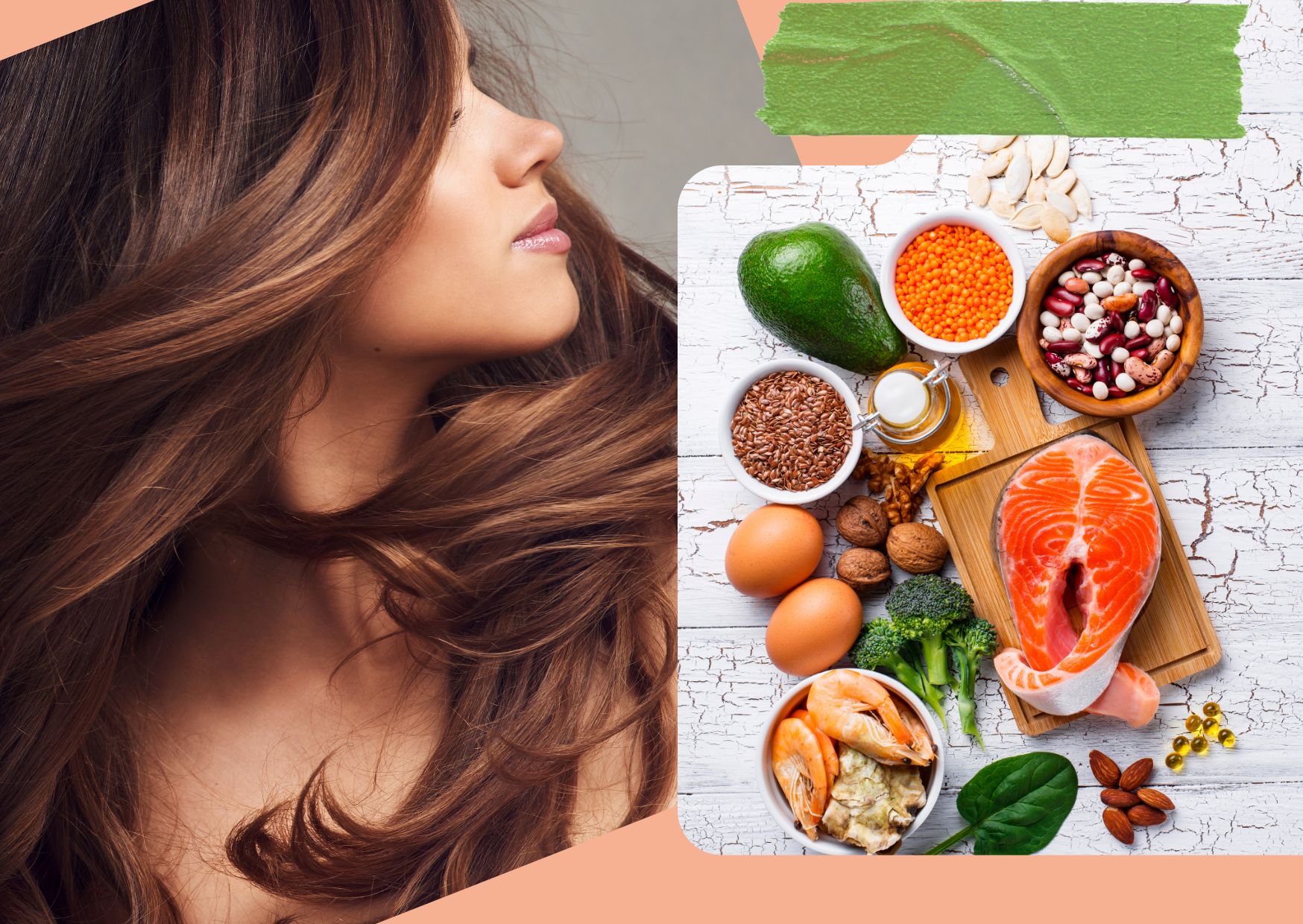
Your hair is built from what reaches your plate. Eggs, oily fish, red meat, lentils, leafy greens: these are the materials your body turns into every new strand, and the best foods for hair growth are the ones that keep that supply coming. Eat well, and your hair grows in thicker, stronger, and holds on longer. Eat badly, or skip the foods that matter, and hair is one of the first things the body will shut off, simply because keeping you alive always outranks keeping you glossy.
Now for the one piece of honesty the supplement aisle would rather you skipped. You were born with every hair follicle you will ever have, somewhere between 80,000 and 120,000 of them, and that count was settled before your first breath. No food adds a single new one, and neither does any serum, gummy, or scalp oil that promises “more.”
So food is not here to give you extra hair. Food is here to feed the follicles you already own, so they build the fullest, strongest hair your genetics are capable of. That is a real, achievable goal, and it is the one this guide is built around.
What Are the Best Foods for Hair Growth
Your hair is built from protein. The visible strand is mostly keratin, a protein, wound with minerals and held together by vitamins. The follicle is a small, hungry builder, and it can only assemble hair out of the materials you hand it. Hand it the right foods consistently, and it builds well. Hand it scraps, and it builds thin, slow, and easily sheds.
That is the whole mechanism, and it tells you what to put in your trolley. Real protein at every meal. Iron that the body can use. The handful of minerals and the brightly colored produce that keep the builder supplied. Whole foods do this better than any pill, and they are almost impossible to overdo, which is a sentence I will come back to at the end.
Best Foods for Hair Health – Protein
If you fix one thing, fix protein, because the strand itself is made of it. Go short, and the follicle has nothing to build with, so it slows down and lets strands drop early.
Eggs are the food I’d put at the top of the list: complete protein, plus biotin, zinc, and selenium in one cheap package. But here is something most people never hear, and it is a genuine reason cooks have always cooked their eggs. Raw egg white contains a protein called avidin that grabs onto the biotin in the yolk and carries it straight through you, unabsorbed. Cooking the egg inactivates avidin, so biotin is free for your body to use. A cooked egg feeds your hair; a raw one works against it.
Oily fish like salmon, sardines, and mackerel provide protein along with the omega-3 fats your scalp runs on. Lean red meat, poultry, and dairy, if you tolerate them, round out the animal sources. If you eat little or no meat, lentils, beans, chickpeas, and tofu carry real protein too, so a plant-based plate covers this easily once you build meals around them.
The principle that matters most: spread protein throughout the day, including breakfast, not loading it onto dinner. The builder needs materials delivered every meal.
Iron-Rich Foods for Hair
Iron is the one I watch most, because low stores are common, often silent, and hair feels it early. The follicle is metabolically demanding, so when iron runs low, the body triages: organs first, hair last.
Red meat and liver are the most iron-dense foods there are, and liver once a fortnight does more than a month of good supplements. If you try this liver with rice, I bet you will add it to your rotation, just like I do.
On the plant side, lentils, beans, tofu, pumpkin seeds, and dark leafy greens carry iron in a form the gut grabs less readily. This lentil soup recipe is one of the most popular recipes on the blog, maybe because it is so simple and delicious.
The old kitchens fixed that without knowing the chemistry: pair those plant foods with something high in vitamin C, and the acid converts the iron into a form your gut wall can absorb. The squeeze of lemon over the lentils, the tomato in the bean stew, the peppers alongside the greens. It was instinct then; it is textbook now.
If your hair is shedding and you eat well but still feel run-down, low iron stores are the first place to look. The blood marker is ferritin, and my ferritin and hair post-walks you through the test to ask for, so you are checking.
Zinc and Selenium Foods: Shellfish, Pumpkin Seeds, and Eggs
These two minerals do essential work. Zinc helps assemble keratin and keeps the follicle’s repair crew running; selenium supports the same machinery. Oysters (not my favorites, though) and other shellfish are the richest sources of zinc, with pumpkin seeds, eggs, lentils, and red meat close behind. Selenium turns up in eggs, fish, and a single Brazil nut a day, which is genuinely all you need – I always add 1-2 Brazil nuts to my morning yogurt bowl.
That “one nut” is not me being stingy. Selenium is one of the minerals where more can be a problem, and too much can cause the very shedding you were trying to prevent. This is the heart of why I send people to food first: a varied plate practically cannot tip you into excess, while a bottle of capsules can. The full case on pills, doses, and when they earn their place is the next article in this series.
Healthy-Fat and Bright-Produce Foods: Avocado, Nuts, and Berries
A few more foods earn their spot by keeping the scalp and the strand supplied. Avocado and nuts provide vitamin E and healthy fats that support the scalp environment from which your hair grows.
Berries, peppers, citrus, and leafy greens deliver vitamin C, which builds the collagen anchoring each strand, and they also double as the iron unlockers mentioned above.
Sweet potato, carrots, and other orange produce contain beta-carotene, which your body converts into vitamin A, which helps the scalp produce the natural oil that keeps hair from becoming brittle.
Eat across these colors, and you cover the vitamin side of hair health from food alone, which is exactly where it belongs.
What to Avoid for Hair Growth: Crash Diets and Clever Marketing
Two things undo all the good eating.
The first is the crash diet. If you cut your food intake drastically and fast, and the body reads it as a shortage, it pulls resources away from non-essential tissues and triggers a wave of follicles to shed a couple of months later. Slow, steady, well-fed eating is what hair rewards.
The second is the marketing. You will be told that a specific powder, oil, or gummy grows new hair. It cannot, because you cannot add follicles after birth, and the honest research on hair supplements in well-fed people is thin. Where a blood test shows you are genuinely short on something, correcting it is sensible, and I cover exactly that in the supplements article coming next.
For most people reading this, the money is better spent on eggs, lentils, and oily fish. Whole food does the job and feeds the rest of you while it’s at it. You can see how this fits the bigger picture in my Hair Nutrition guide, and if you are actively shedding, the Hair Loss Nutrition guide goes deeper into why.
A Hairdresser/Nutritionist’s Note on Patience
Give it time. Hair grows about a centimeter a month, and the strand leaving your scalp today was decided by the follicle months ago. Start eating well this week, and you’ll see an improvement in your hair in autumn.
You are on the follicle’s clock. Eat these best foods for hair growth consistently, and your hair will arrive as full and strong as your own genetics were ever going to make it. That is the real promise, and it is one food that can actually keep.
The Best Foods For Hair Growth FAQs
What are the best foods for hair growth?
Eggs, oily fish like salmon, lean red meat and liver, lentils and beans, shellfish, pumpkin seeds, leafy greens, and brightly colored produce like berries and sweet potato. They supply the protein, iron, zinc, and vitamins your follicles build hair from, which matters most if you have been running short on one of them.
Can food make your hair grow thicker or faster?
Food cannot add follicles or speed the basic growth rate of about a centimeter a month. It can help each strand grow in at a fuller caliber and keep more follicles producing instead of shedding early, especially if you were previously low on protein or iron. That is genuine fullness, within your genetic limit.
Which foods are best for thinning hair?
Start with iron- and protein-rich foods: red meat, liver, lentils, eggs, and oily fish, and pair them with vitamin C-rich foods to help absorb iron. Diffuse thinning tied to a diet gap often responds to better eating over a few months. Sudden, patchy, or painful loss is worth getting properly looked at.
Do I need hair supplements if I eat these foods?
For most well-fed people, no. Whole foods cover the protein and minerals hair needs, and supplements mainly help where a blood test shows a real shortfall. Some, taken in excess, can even cause shedding. The full guide to supplements and doses is the next article in this series.
About the Author: Dani
Gluten-Free Recipes | Gut Health | Metabolic Health
Dani is a BSc (Hons) in Human Nutrition graduate with 33 years of experience as a hairstylist across two countries.
She is passionate about health, focusing on holistic well-being that includes hair care, from strands to scalp, and nutrition, connecting her salon work with scientific knowledge.
She also shares simple recipes, nutrition tips, lifestyle experiences, and insights into living with food intolerances.