
How To Nurture Your Gut Microbiome For Better Health & Well-Being

You are, in the most precise biological sense, only 43 percent human. The remaining 57 percent of cells in your body belong to your gut microbiome – a community of bacteria, fungi, viruses, and archaea that has been part of human biology for longer than we have had language to describe it. These microbes are not passengers. They run things.
Last week, Dr. Axe’s Eat Dirt made the case that we have sanitized our way into serious trouble. Today, we go further. What exactly lives inside you? What are these organisms actually doing, moment to moment, to keep your digestion, your immune system, and your mood functioning? And how do you take care of a kingdom you have never seen?
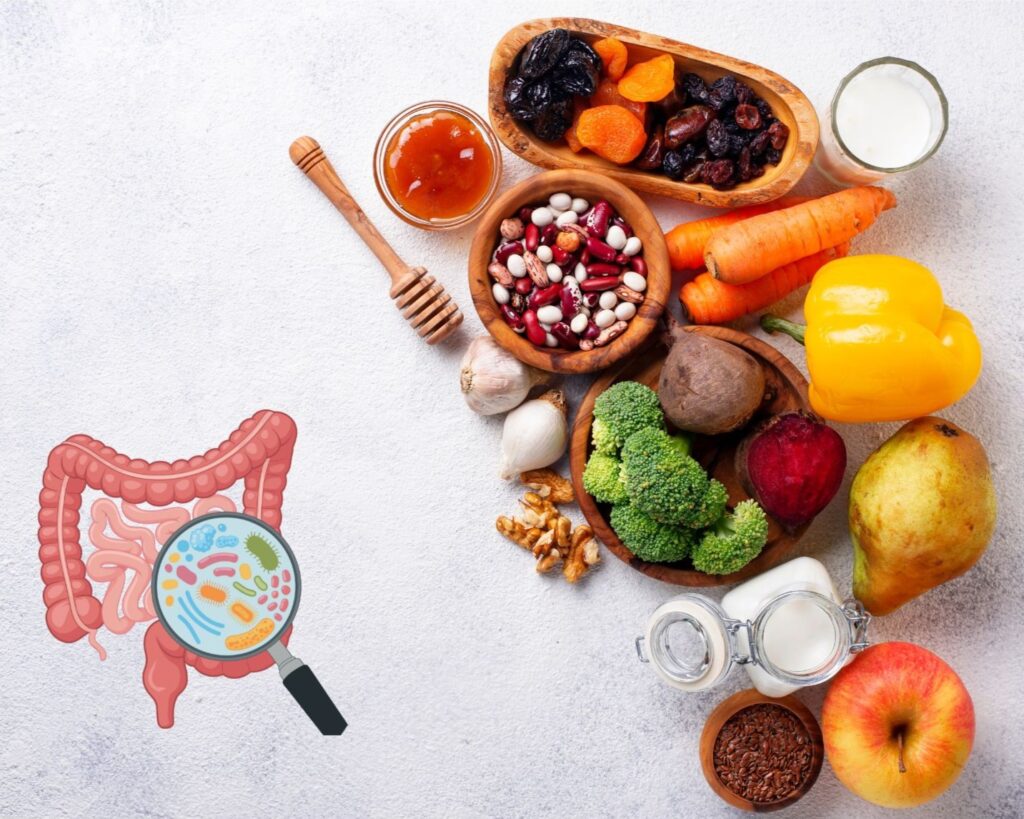
What Exactly Is the Gut Microbiome?
The gut microbiome is the entire community of microorganisms living in your digestive tract, including bacteria, archaea, fungi, viruses, and more, concentrated most densely in the large intestine, where the slow-moving, low-oxygen environment is perfectly suited to the anaerobic bacteria that do most of the fermenting and nutrient-producing work.
You first met the kingdom in the fermentation article. Here, we go inside it.
The kingdom’s population is staggering: trillions of inhabitants, each with a specific role. Some are builders, reinforcing the gut lining and keeping the walls intact. Some are guards, continuously training the immune system to distinguish food proteins from genuine threats. Some are supply chain workers: they break down plant material that human enzymes cannot touch, converting it into short-chain fatty acids that feed your colon cells directly. Some are messengers, producing compounds that travel through the bloodstream and communicate with the brain.
And the wall that separates all of this from your bloodstream? One cell thick. A single layer of epithelial cells, the gut lining, is the entire boundary between your circulatory system and trillions of active microorganisms. The kingdom’s builders maintain this wall constantly. When they are depleted, the wall becomes vulnerable: this is the beginning of what researchers describe as increased intestinal permeability, with downstream consequences for immunity and inflammation.
Your First Microbes Arrived Before Your First Meal
The microbial community does not arrive fully formed. It begins at birth, biological colonization in the truest sense. A baby arrives in the world with a sterile gut. Within hours of a natural birth, the first microbial settlers establish themselves, recruited from the mother’s birth canal, from skin contact, and from the first breast milk. Babies born by cesarean section receive a different initial bacterial community, primarily environmental and skin bacteria, and the microbial profiles of these two groups differ measurably in the early weeks.
Breast milk feeds the baby and the bacteria the baby needs. Human milk oligosaccharides, the third most abundant solid component of breast milk, cannot be digested by infants. They exist specifically to feed Bifidobacterium longum infantis in the infant gut. The breast has evolved to produce a substance that does nothing directly for the baby, only for the bacteria the baby needs. If you want evidence of co-evolution between humans and our microbial inhabitants, this is it.
Here is the number that puts this into perspective: the human genome contains approximately 20,000 protein-coding genes. The collective genetic material of the gut microbiome contains an estimated 3 million or more – roughly 150 times the information. Most of those genes encode functions we do not yet understand. This is the dark matter of human biology: we know it is there; we are only beginning to read it.

What Your Gut Microbiome Does: Digestion, Immunity, and Mood
The gut microbiome’s reach goes far beyond digestion. Some of what research is revealing here is genuinely startling.
Around 90 percent of the body’s serotonin is produced in the gut, by cells in the gut lining, with microbial activity directly driving the process. The brain, which most people assume is the source of serotonin, is actually the downstream recipient. This is why gut health affects mood.
The gut microbiome also runs on a circadian clock. The microbial community shifts its composition and activity throughout the day, following your body’s light and feeding cycles. Disrupt your sleep, eat at irregular times, and skip meals, and the microbial clock falls out of sync. Digestion becomes less efficient. Immune responses shift. Blood sugar regulation can wobble. A consistent daily rhythm is, among other things, maintenance for your gut.
What a Healthy Gut Microbiome Does:
Digestion and nutrient uptake. The supply chain workers ferment plant fibers that your own enzymes cannot break down, producing short-chain fatty acids that directly feed your colon cells, maintain gut acidity, and keep the immune environment stable. Without this fermentation, a significant amount of nutrition is lost.
Immune support. The gut houses more immune tissue than anywhere else in the body. The microbial community trains it continuously, helping it distinguish food from a threat, keep inflammation calibrated, and build the tolerance that begins at birth and develops throughout life.
Mood and the gut-brain axis. The gut and brain talk to each other constantly, via the vagus nerve, hormones, and microbially produced compounds. Serotonin is one signal in that conversation. Microbially produced short-chain fatty acids are others. Disruptions to the microbial community, from poor diet, chronic stress, or antibiotic use, are increasingly linked to anxiety and low mood. The research is still in development, but the direction remains consistent.
Metabolic health. Gut bacteria influence insulin sensitivity, fat storage, and the risk of metabolic syndrome. The connection is strong enough to be a central focus in nutrition research right now.
Resilience over time. A varied, well-fed microbial community buffers the body more effectively against stress, dietary changes, and the shifts that come with aging. That matters at every stage of life, and increasingly so past 50.
Supporting your gut microbiome is basic biology. The research behind it is decades old; the mechanisms are well-mapped. What changed recently is that this information became accessible to people who are not microbiologists.
Dietary fiber plays a central role in shaping microbial diversity and gut function, as explored in more detail in a separate article: What is Dietary Fiber, and Why We Dreadfully Need It.
Why Gut Microbiome Diversity Is the Whole Point
A healthy gut is a busy, varied one. Hundreds of different species, all living together, each doing something slightly different, each keeping the others from taking over. The more varied the microbial community, the more resilient it is. Traditional populations eating plant-rich, seasonally varied diets tend to have it. Modern diets built around a narrow range of ultra-processed foods tend to erode it, measurably and quickly.
Fiber is the foundation. Fermentable plant fibers are the main food source for beneficial bacteria. They arrive in the large intestine intact, the supply chain workers break them down, and the byproduct – short-chain fatty acids- keeps the gut environment slightly acidic, which is exactly what supports a wide range of species living together. Remove the fiber, and you remove the conditions that make diversity possible.
The polyphenols in berries, dark chocolate (yes, cocoa), pomegranate, green tea, and olive oil are largely not usable by the body in their original form. Gut bacteria transform them into active compounds that the body can actually absorb. The bacteria hold the key; the polyphenols are the locked vault. A gut with low bacterial diversity extracts far less from those foods than a diverse one, which is one of the most practical reasons to protect that diversity.
For a deeper look at fiber’s specific role, see What Dietary Fiber Is And Why We Dreadfully Need It.
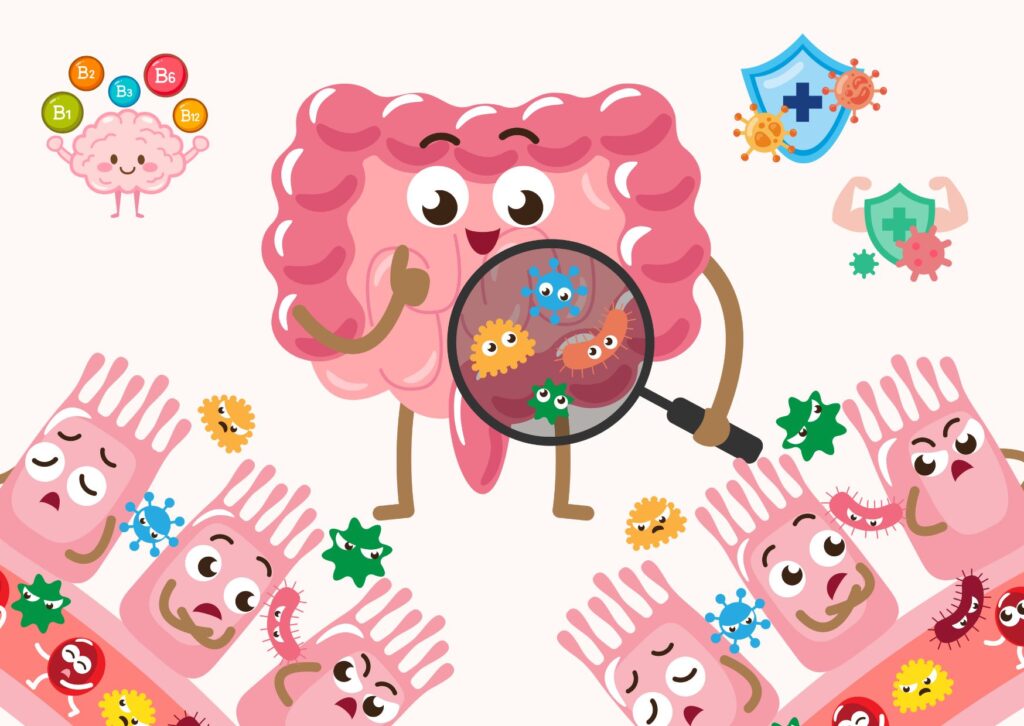
Gut Microbiome Diversity and Why There Is No Bad Bacteria
This is a very interesting point. For example, rabbits are cute and may seem harmless, but without predators, their numbers grow quickly, and the whole ecosystem tips. The gut works the same way: bacteria become a problem when certain types dominate, disrupting the balance that the rest of the community depends on.
E. coli has a bad reputation, but many strains live in the gut naturally without causing any trouble. In the right numbers, they help keep the immune system alert, block more aggressive bacteria from taking hold, and assist in breaking down food. Overgrowth is the issue, and it tends to happen when the diet is low in fiber or dominated by processed foods, removing the competition that normally keeps any one species in check.
Clostridium bacteria are similar. Several strains are a normal, useful part of a healthy gut community, breaking down plant fiber and producing substances that support the gut lining. They become a problem only when they crowd out other species. A varied, fiber-rich diet actively prevents this by keeping the community well-populated enough that no single group can take over.
The real question for any microbe is whether diversity is high enough that no single inhabitant takes over.
Common Gut Microbes, Their Roles, and the Foods That Support Balance
| Microbe group (simplified) | Role in gut health | What they do | Everyday foods that support balance |
|---|---|---|---|
| Bifidobacteria | Beneficial | Break down fiber, support gut lining, reduce inflammation | Apples, bananas, oats, lentils, chickpeas, onions |
| Lactobacillus | Beneficial | Help maintain gut acidity and digestion | Fermented vegetables, yogurt alternatives, oats, vegetables |
| Faecalibacterium | Beneficial | Produces butyrate, supports gut lining | Whole grains, beans, lentils, cooled potatoes or rice |
| Akkermansia | Beneficial in balance | Supports gut barrier and metabolic health | Berries, pomegranate, green vegetables |
| Bacteroides | Neutral to beneficial | Break down complex carbohydrates | Mixed plant foods, vegetables, legumes |
| Clostridium (some species) | Mixed | Some support gut health; others can be harmful if dominant | Fiber-rich foods support beneficial strains |
| Enterobacteriaceae | Harmful in excess | Overgrowth linked to inflammation | Increase with low fiber, high sugar, ultra-processed foods |
| Proteobacteria | Harmful when dominant | Associated with gut imbalance | Rise with poor diet quality and low fiber intake |
How What You Eat Reshapes Your Gut Microbiome
Food reshapes the environment in which the microbes live. It goes deeper than simply feeding certain bacteria; it shifts the physical and chemical conditions of the entire gut.
Diverse plant foods provide different fermentable fibers and resistant starches that reach the large intestine largely intact. There, they are broken down at different rates by different microbial workers, producing short-chain fatty acids that maintain the slightly acidic pH the diverse microbial community needs, strengthen the one-cell-thick gut wall, and regulate the immune environment. The variety in your food creates the conditions for variety in the gut.
Diets dominated by refined carbohydrates, added sugars, and ultra-processed foods work differently. These are absorbed early in digestion, leaving almost nothing fermentable by the time food reaches the large intestine. The acidity shifts and the bile acid profile changes. A small group of fast-growing, uncooperative species moves into the space where the fiber-dependent bacteria live. Over time, this is how dysbiosis develops, the gut’s balance tips, and what follows can range from persistent digestive discomfort to more serious chronic conditions.
Diet and environment shape the microbial community in real time. What you eat today is already influencing the balance of your gut.
How to Nurture Your Gut Microbiome: Practical, Holistic Steps
Okay, now for the fun part: how you can tend to your internal garden, especially aligned with my gluten-free, lactose-free, refined-sugar-free lifestyle. I’ve tested and refined many of these myself, so I’m sharing what actually works.
1. Eat a Wide Variety of Plant Foods
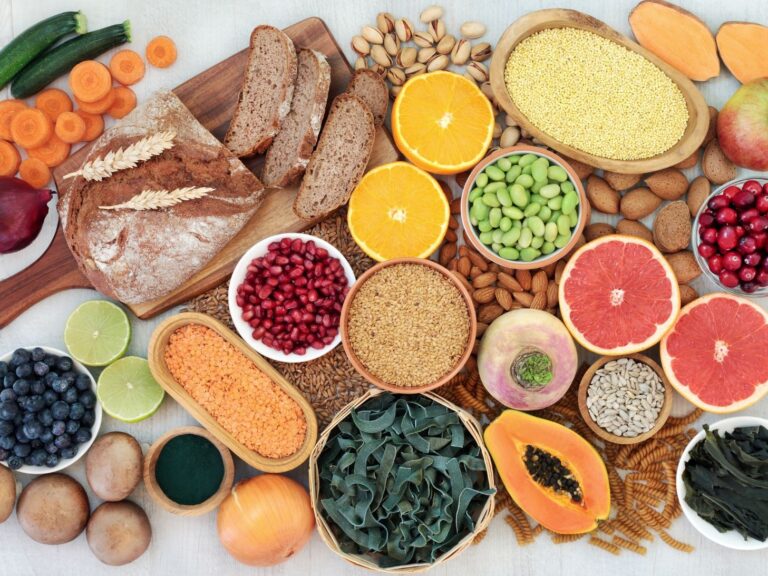
Think of diversity. Different plant foods feed different microbes. Legumes and pulses, nuts, seeds, whole gluten-free grains (buckwheat, quinoa, millet), and fibrous vegetables all provide substrates for beneficial microbes. According to research, “the variety of microorganisms in your gut microbiome requires a variety of plant fibers to thrive.”
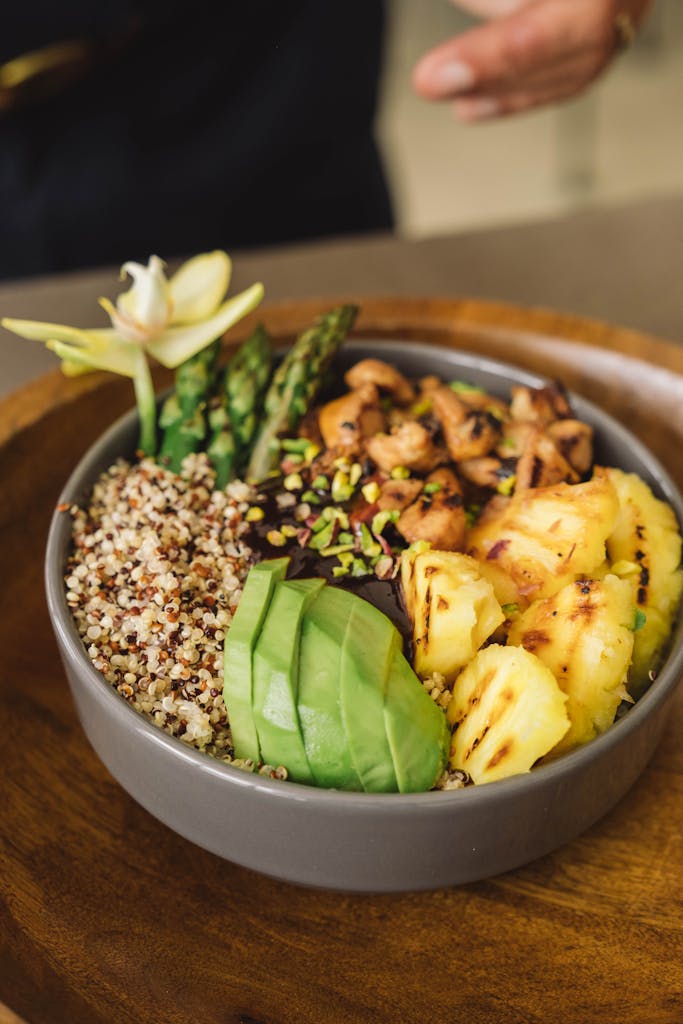
Given our gluten-free lens, focus on brown rice, alternative grains, lots of salad greens, steamed cruciferous vegetables, root vegetables, and colorful berries. Each color provides a slightly different mix of fiber, polyphenols, and prebiotics.
2. Include Fermented Foods Regularly
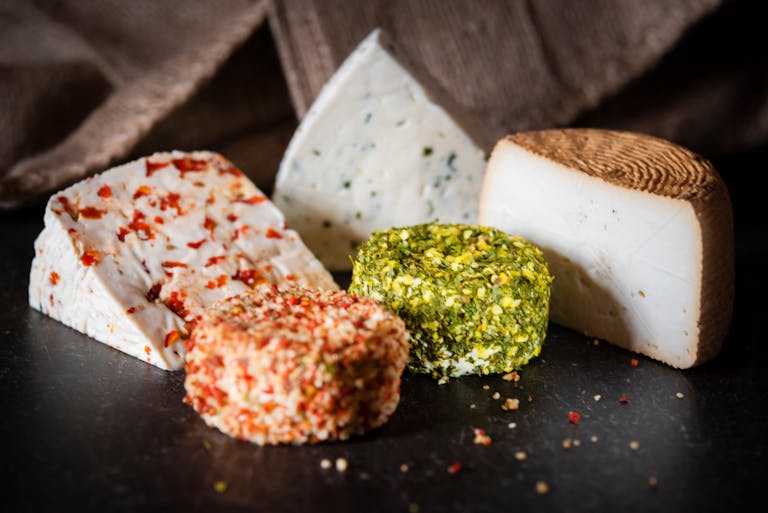
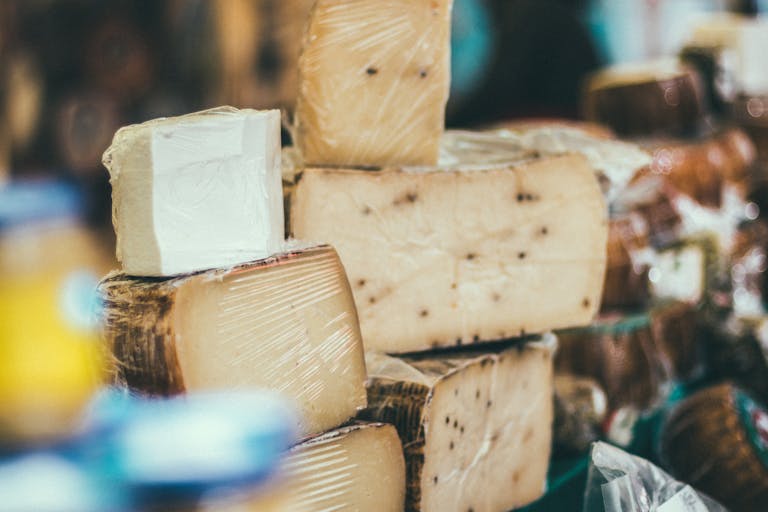
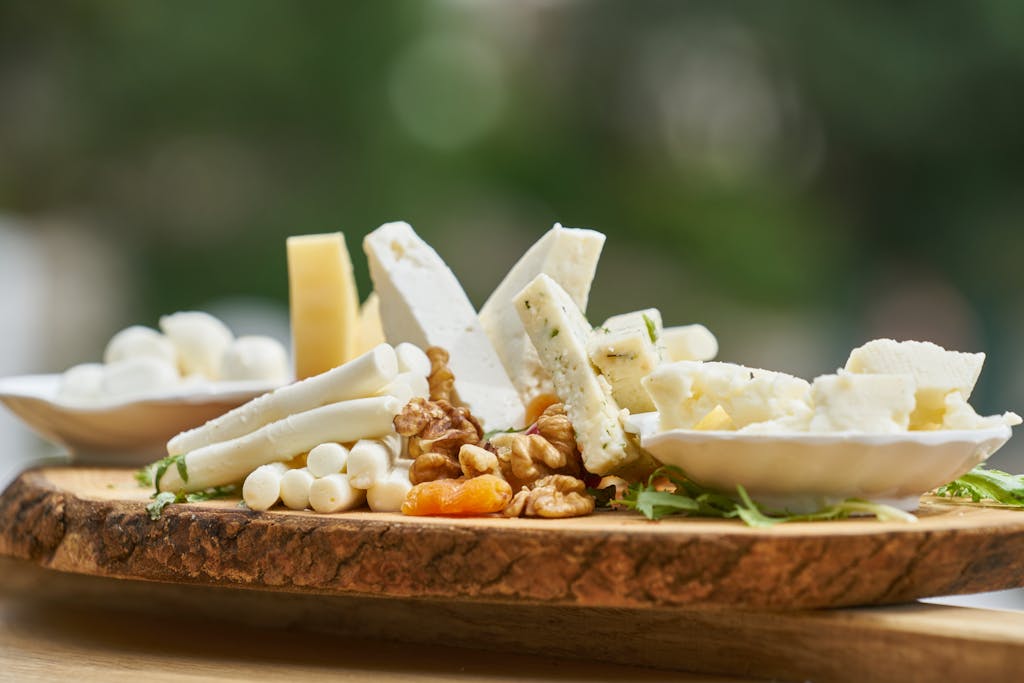
I avoid lactose but tolerate yogurt, kefir, and some hard cheese. When talking about Dairy and Gut Health, you might be surprised how your gut bacteria determine your individual lactose tolerance. Embrace fermented foods – think sauerkraut, kimchi, water kefir, kombucha, and kvass. These introduce beneficial microbes and support microbial diversity. More about the science of fermentation can be found here.
3. Prebiotic Foods That Support Gut Bacteria
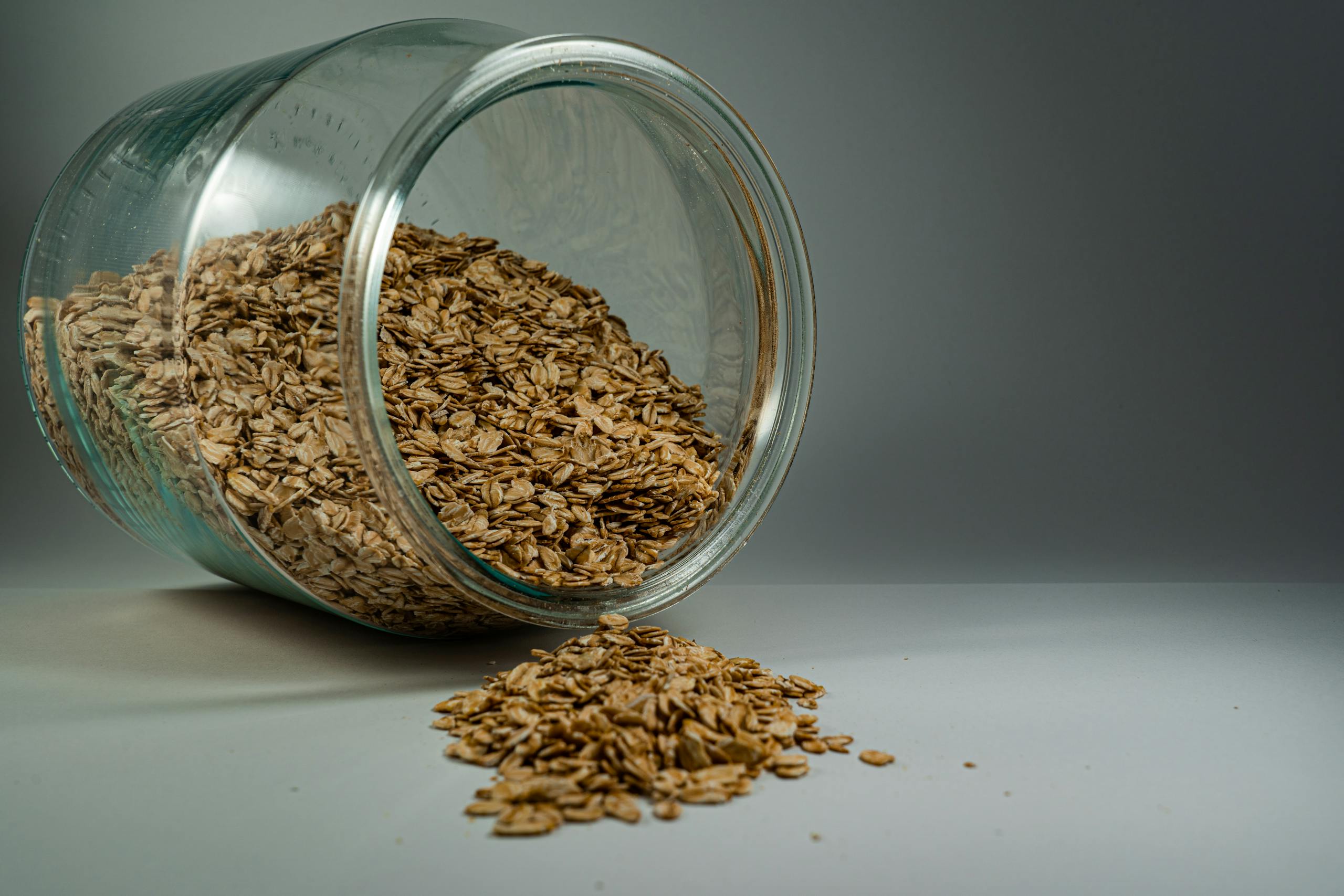
Prebiotics feed the beneficial bugs. Chicory root, artichoke, garlic, leeks, onion, asparagus, bananas (just slightly green), and oats (gluten-free certified). Keep in mind: go slowly when increasing fiber (especially if you have a sensitive gut) to avoid bloating.
The research shows that during the fermentation of indigestible fibers, short-chain fatty acids (SCFAs) are produced, which feed our colon cells and support barrier integrity.
4. Limit Refined Sugar and Ultra-Processed Foods
Refined sugar feeds “fast-growing”, less beneficial species, and processed foods often lack fiber and diversity. I’ve found personally that a low-sugar lifestyle aligns beautifully with gut health.
Studies show that diet and environment shape gut microbiota in “real time”. In this blog, all the sweeteners are natural, minimally processed, and used in small amounts.
Also, use antibiotics only when medically necessary, and if you need them, follow them with gentle gut-supportive habits (fermented foods, prebiotics, rest) since antibiotics disrupt the microbial balance.
5. Prioritize sleep, manage stress & move your body
The microbiome doesn’t exist in a vacuum; it interacts with your nervous system, your daily rhythm, and lifestyle. Stress, lack of sleep, and sedentary habits adversely affect microbial diversity. While research is emerging, this holistic approach makes sense to me. Read more about sleep disturbance in this dedicated article.
Try: daily movement (walks, yoga), mindful eating (no screens while eating), and good sleep hygiene. These support the gut-brain axis and microbial resilience.
6. Avoid over-cleaning and embrace nature
Our environment shapes our microbial world. While hygiene is important, an overly sterile environment may reduce exposure to microbes. Spending time outdoors, gardening, and being barefoot on grass (if comfortable) can add microbial richness. Read more here: Eat Dirt.
(Of course, use common-sense hygiene – but simple exposure to natural microbes may benefit diversity.)
7. When to consider probiotic/synbiotic support
If you’ve had major gut disruption (e.g., heavy antibiotic use, chronic gut issues, IBS symptoms), a targeted probiotic may help. But food first is always my preference. And research emphasizes that probiotics may help, but are not substitutes for a diverse, fiber-rich diet.
8. Be patient – your microbiome changes, but it takes time
This is not an overnight fix. A shift in diet and habits gradually shapes your microbial ecosystem. Think of it like nurturing a garden after years of neglect: you plant good seeds, improve the soil, and support growth. You don’t see full bloom immediately, but the environment steadily improves.
Your Next Steps: Simple Gut-Friendly Habits I Use and Love
Here are a few real-life habits I practice (and you can too):
- Every morning, I start with a glass of warm water and a few minutes of deep breathing to stimulate digestion and activate the parasympathetic nervous system.
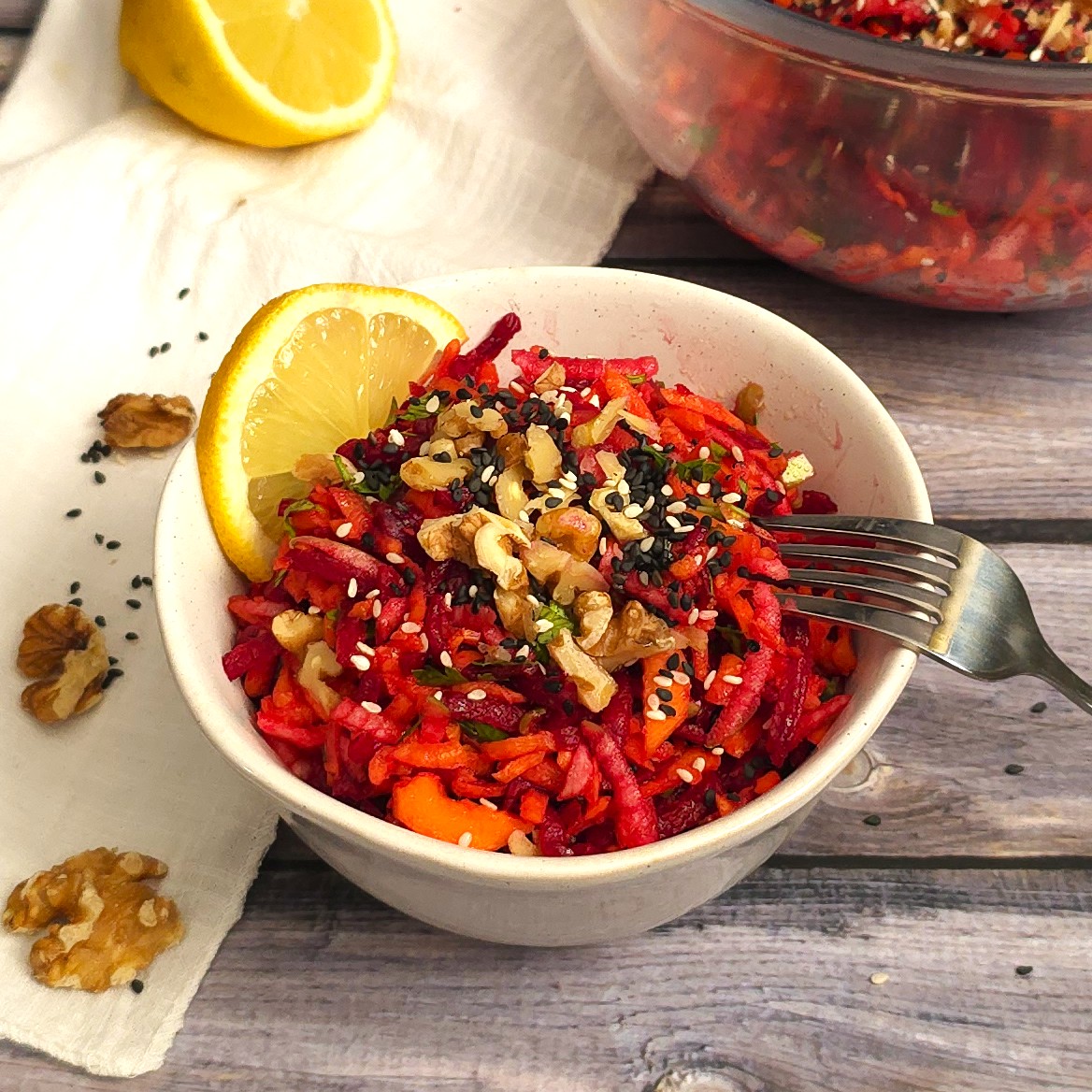
- My breakfast consists of overnight oats, at least one ferment (usually yogurt), a handful of berries, and soaked nuts, sprinkled with extra goodness.
- At lunch, I aim for half the plate of colorful vegetables (raw or lightly steamed), one-third protein, and one-third gluten-free grains or fiber.
- In the evening, I include a fermented side (homemade Bulgarian yogurt with live cultures, or homemade sauerkraut) and keep my sugar intake minimal (maybe a small piece of dark chocolate or some of my homemade no-bake desserts).
- Twice a week, I swap walking for light weights or yoga. Movement stimulates gut motility and microbial flow.
- Once a week, I try a new vegetable or a new gluten-free grain to keep variety high.
- I keep a journal of mood, digestion, and sleep. Often, when my gut microbiome is flourishing, I feel lighter, clearer-headed, with better skin and more energy. I also feel less bloated and foggy.
What DeGlutenista Read: Dark Matter by Dr. James Kinross
Dark Matter: The New Science of the Microbiome is the book that names what we have been circling in this entire article. The title is deliberate: just as cosmological dark matter is matter we know exists but cannot yet measure, the 3 million-plus genes encoded in our gut microbial community remain largely unread. We know the mass is there. We are only beginning to understand what it does.
Dr. James Kinross is a colorectal surgeon and senior lecturer at Imperial College London, leading research into how the microbiome drives cancer and other chronic gut diseases. He has clinical experience with fecal microbiota transplantation, one of the most striking applications of microbiome science in current medical practice. He brings that perspective to every chapter: a patient is a human entwined with a complex, living ecosystem, and the disease cannot be understood without understanding the ecosystem.
What makes this book worth reading alongside everything in this article is Kinross’s honesty about what we do not yet know. He is clear about the misconceptions and the hype — and the result is something rare in this space: a book that takes the microbiome seriously without overpromising. He is also, for a surgeon-scientist, a genuinely engaging writer.
Highly recommended for anyone who has read this far and wants to go deeper.
FAQs
What does the gut microbiome do for your health?
The gut microbiome supports digestion by fermenting fibers that human enzymes cannot break down, producing short-chain fatty acids that nourish the gut lining, regulate immune function, and influence mood through the gut-brain axis. Around 90 percent of the body’s serotonin is produced in the gut, driven by microbial activity. The microbiome also plays a significant role in metabolic health, immune calibration, and the maintenance of the gut wall’s integrity.
What is the difference between microbiome and microbiota?
“Microbiota” refers to the microorganisms themselves: bacteria, fungi, and viruses. “Microbiome” usually refers to the organisms, their collective genetic material, and the environment they inhabit. In practice, the two terms are used interchangeably in most popular writing, and the distinction rarely changes what you actually need to do.
Can I test my gut microbiome at home?
Commercial gut microbiome tests are widely available, but most are not clinically validated, and there is no agreed-upon “ideal” microbiome profile against which to compare results. Dr. Kinross addresses this directly in the afterword to Dark Matter. If you have persistent gut symptoms, working with a qualified practitioner will give you more useful guidance than a consumer kit.
Does taking probiotics guarantee a healthy gut microbiome?
Probiotics can support the gut in specific circumstances, after antibiotics, in certain gut conditions, and during periods of high stress. On their own, they do not rebuild a depleted microbial community. Food variety, consistent fiber intake, lifestyle habits, and exposure to environmental microbes will help restore an imbalanced gut in these cases, too.
I follow a gluten-free and dairy-free diet. Does that harm my gut microbiome?
The approach itself is not the issue; it is the food choices within it. Heavily processed gluten-free alternatives with low fiber content reduce the substrate available to beneficial bacteria. Whole gluten-free grains (quinoa, millet, buckwheat), legumes, vegetables, and regular fermented foods actively support variety. For the gut health implications of Non-Celiac Gluten Sensitivity, read more here.
How long does it take to improve gut microbiome health?
Some changes – reduced bloating, better regularity – can appear within a few weeks of increasing fiber and fermented foods. Meaningful shifts in the microbial community itself take longer; research indicates two to three months of sustained change. Sustainable habits always outperform short-term protocols.
What foods are worst for the gut microbiome?
Long-term patterns matter more than individual foods. The patterns most closely linked to a struggling gut are: chronically low fiber intake, heavy reliance on ultra-processed foods, high sugar intake, regular use of artificial sweeteners, excessive processed meat intake, and repeated antibiotic use without gut-supportive follow-up. Occasional departures do not undo years of progress. Habitual ones gradually reshape the environment.
What are the best foods for gut microbiome diversity?
Variety is the strategy. The widest possible range of plant foods is the strongest dietary predictor of gut diversity in the research, since different fibers and polyphenols feed different microbial workers. Practically: legumes, root vegetables, cruciferous vegetables, leafy greens, berries, whole grains, garlic, onion, leeks, asparagus, and fermented foods with live cultures. Polyphenol-rich foods earn a particular mention: without adequate gut bacteria to transform them, most of their benefits are lost.
A Gut Microbiome Starter Plan
Six first steps, and each one shifts the environment:
- Add one plant food this week that you do not normally eat. A different legume, a new grain, an unfamiliar root vegetable. One new recruit for the supply chain.
- Include a fermented food at two or three meals: sauerkraut, kimchi, water kefir, kombucha, or yogurt with live cultures.
- Choose one high-fiber prebiotic food daily: garlic, leeks, asparagus, a slightly green banana, or certified gluten-free oats.
- Replace one processed snack with a whole food, such as nuts, seeds, berries, or a small piece of dark chocolate. Your polyphenol quota and your bacteria’s.
- Go outside for at least 20 minutes, ideally somewhere with soil, grass, and open air. The environment contributes to microbial diversity in ways no supplement can replicate.
- Reflect at the end of Week 1: how is digestion? Sleep quality? Energy? Mood? Your gut communicates in these signals.
By Week 4, you will have started noticing. By Month 3, the changes are more substantive. Consistency matters more than perfection – always.
Listen to Your Gut
Start with one step from the plan above. Come back in a week and tell me how it feels.
Your gut microbiome shaped you from birth, helps produce the chemistry behind your mood, trains your immune system, and runs on a clock that responds to how you sleep and eat. As a final-year Human Nutrition student, I keep arriving at the same place: the microbial community inside you responds to how you treat it. That is available to everyone.
Forget the quick-fix protocols. Whole foods, consistent habits, time, and genuine patience are what the gut actually needs. The rewards are real.