

Why the Food Matrix is the Cornerstone of Preventive Nutrition

We don’t eat nutrients as numbers; we eat food, often paired with other foods, as part of a meal. Each food has a unique physical and nutritional structure that affects how it’s digested and how nutrients are absorbed. And today, we will discuss the influences of this natural food’s structure on the food matrix in preventive nutrition.
It is well researched that chronic conditions like cardiovascular disease, type 2 diabetes, and metabolic syndrome don’t appear overnight. They develop silently over 20 to 40 years. The ultimate, often-overlooked tool for preventive nutrition is the food with a mostly intact food matrix.
The food matrix is the complex physical and chemical framework of whole foods. The way nutrients are organized within this natural network determines exactly how your body breaks them down and absorbs them, thereby influencing your metabolic health. If you mostly eat foods in their natural form, you can proactively protect your health for decades before chronic disease has a chance to appear.
Bioaccessibility vs. Bioavailability
To understand the concept of the food matrix and its importance, we must look at two critical scientific concepts:
- Bioaccessibility: The sheer amount of a nutrient that is successfully freed up during your digestive process.
- Bioavailability: The actual percentage of that freed nutrient that successfully crosses into your bloodstream to be utilized by your cells.
When you consume an ultra-processed food (UPF), such as a sugary cereal or packaged snack, the natural food matrix has been completely stripped away. The nutrients are readily available and accessible. This causes immediate blood sugar spikes, forces insulin to surge, and triggers systemic inflammation that damages your blood vessels and alters your gut microbiota.
And not only. When you consume a whole food, nutrient delivery is entirely different because digestive enzymes must work slowly to break down its physical structure. For example, the dairy matrix in Bulgarian yogurt with its preserved whey shield slows the protein speed limit, which helps the body absorb these nutrients more steadily.
Direct Structural Comparisons
| Whole Food Matrix | Ultra-Processed / Isolated Counterpart | Clinical Outcome |
|---|---|---|
| Whole Almonds Nutrients are locked inside cell walls. | Almond Butter Mechanical milling ruptures cell walls, freeing lipids. | Sustained Energy Release Whole almonds pass up to 10–15% of their lipids unabsorbed into the large intestine. |
| Whole Dairy (Yogurt/Cheese) Calcium and fat are bound within a complex protein-lipid curd network. | Butterfat / Isolated Calcium The structured emulsion is broken down into isolated fats or minerals. | Cardiovascular Neutrality The saturated fat in cheese does not raise LDL-C to the same extent as butter, as the dairy fat globule membrane (MFGM) limits lipase access. |
| Whole Orange Fructose is bound within insoluble pectin and cellulose scaffolds. | Orange Juice Juicing strips the fiber scaffold, leaving free sugars in a liquid phase. | Portal Vein Protection Juice causes rapid duodenal absorption, overloading the liver’s fructokinase pathway and driving de novo lipogenesis, whereas whole fruit blunts the glycemic response. |
Metabolic Signaling and the GLP-1 Axis
I bet you’ve heard about the new drugs that activate GLP-1. Wondering what that actually means? These popular medications work by mimicking a natural fullness hormone your body produces when you eat. But you don’t necessarily need a prescription to flip this switch; you just need to keep your food’s natural structure intact.
When you eat a whole food matrix, its tough cellular walls act like a slow-release capsule. This structural barrier forces your digestive system to work slowly and steadily, which allows nutrients to travel all the way down to your lower gut. It is precisely when nutrients reach this lower area that your body hits its natural “digestive brake,” triggering a release of GLP-1 that shuts off hunger signals in the ultimate biological way.
The Food Matrix in Preventive Nutrition in Action
Today’s ready meals are delicious and appealing. However, overeating often occurs because dense, calorie-dense ultra-processed meals do not trigger the body’s natural processes to release these signals, leading to metabolic glitches. To understand why this happens, it helps to look at how your body handles hunger and fullness using three simple steps:
The Stretch Check (The Stomach)
When you eat whole, solid foods, they take up a lot of physical space. As your stomach fills up, it stretches like a balloon. This stretching triggers nerves in your stomach wall that send a direct signal to your brain saying, “Stop eating, we are physically full.”
If you drink your food (like a smoothie or juice) or eat small-sized, ultra-processed, calorie-dense foods that you consume quickly, your stomach never gets that solid stretch signal.
The Slow Brake (The Lower Gut)
Your gut has a built-in speed limit called the ileal brake. When food matrix structures are intact, your digestive system has to work hard and slowly to break them down. This allows some nutrients to reach the very end of your small intestine.
When nutrients reach this lower area, your gut hits the “brake pedal.” It slows your digestion and releases powerful fullness hormones (GLP-1 and PYY) that signal to your brain you are satisfied for hours.
But if you eat, as we mentioned, the foods above or highly refined or pulverized food, it is digested instantly in the upper part of your gut. It never reaches the lower gut, the brake is never tapped, and you feel hungry again very quickly.
The Blood Sugar Rollercoaster (The Pancreas)
When food structure is destroyed, sugar and starch rush into your blood all at once. This causes a massive spike in blood sugar. Your body panics and pumps out a massive wave of insulin to clear the sugar. This crash makes your brain think you are starving, triggering intense cravings for more food shortly after eating.
When you use highly refined foods or instant powders, you bypass the ileal brake entirely. Nutrients are absorbed almost immediately in the upper gut, leaving you hungry shortly after eating and causing volatile glucose patterns that drive long-term cellular insulin resistance.
- In the Kitchen: Choosing an Intact Steel-Cut Oat & Berry Congee over instant oat porridge preserves the original carbohydrate matrix. This slow-digestible starch delivers sustained metabolic energy without blood sugar spikes.
The Gut Microbiome: Fermentation vs. Starvation
From a Lifestyle Medicine perspective, the food matrix in preventive nutrition is our most effective tool for modulating systemic, low-grade chronic inflammation via the gut-immune axis.
Plant cell walls act as protective capsules for dietary fiber and bound polyphenols. If this structure is intact, it reaches the colon safely. Here, it serves as the primary fuel source for beneficial commensal bacteria such as Faecalibacterium prausnitzii.
Microbial fermentation of this structural fiber produces Short-Chain Fatty Acids (SCFAs), primarily acetate, propionate, and butyrate. Butyrate feeds the cells lining your colon, strengthening tight junctions and maintaining a resilient gut barrier. When preserving this barrier, an intact matrix prevents metabolic endotoxemia, i.e., the leaking of pro-inflammatory bacterial toxins (Lipopolysaccharides) into your bloodstream, which otherwise drives silent vascular inflammation for decades.
- In the Kitchen: Preparing a Raw Crunchy Vegetable Matrix Salad (using finely chopped raw broccoli, carrots, and red cabbage) leaves the plant cell walls intact. This maximizes the physical delivery of intact prebiotic fiber to your lower gut microbiome.
Kitchen Strategies for Using The Food Matrix in Preventive Nutrition
You can easily preserve the natural food matrix in preventive nutrition through mindful everyday choices:
- Solid over Liquid: Choose to eat your calories rather than drink them. Opt for whole fruits over smoothies, and skip the juicer.
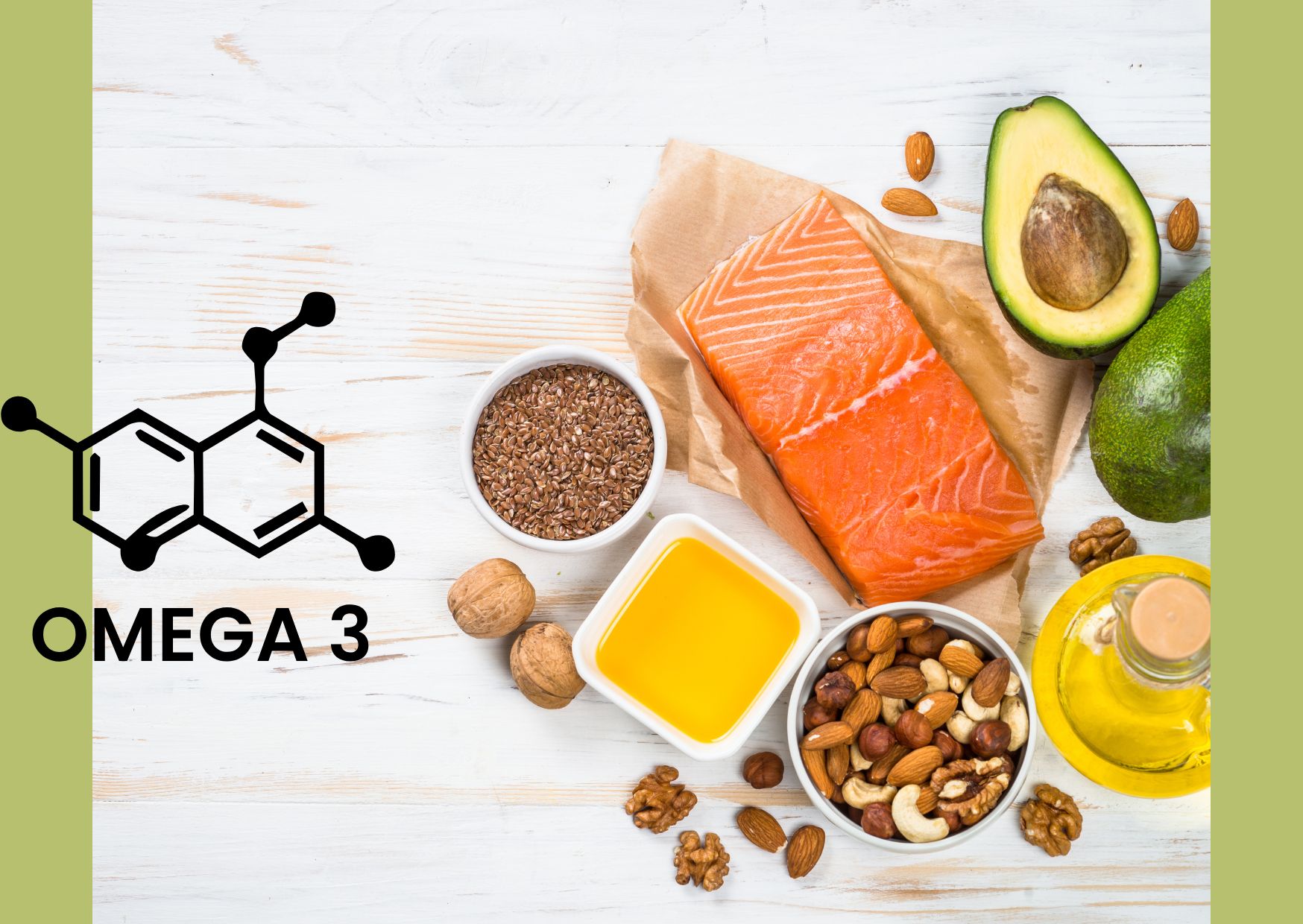
- Mindful Cooking Methods: Steaming vegetables or slow-cooking dried legume leaves leaves cell walls much more intact than high-heat industrial processing or eating heavily extruded and puffed snacks. Try Slow-Baked Crusted Salmon with Whole Walnuts, cooked at a lower temperature to preserve delicate omega-3 structures while keeping the walnut matrix unrefined.
- Keep Oils Raw: Use an Extra Virgin Olive Oil & Polyphenol Medley Dip with fresh garlic and rosemary. Keeping cold-pressed olive oil completely uncooked preserves its delicate antioxidant compounds and unrefined matrix.
- Spot the Markers: Be cautious of ultra-processed markers on food labels. Artificial texturizing agents, gums, emulsifiers, and isolated proteins or starches (like soy protein isolate or maltodextrin) are immediate red flags that a food’s natural matrix has been completely destroyed.
FAQs
Does cooking or blending completely destroy a food matrix?
Not completely, but it fundamentally alters it. Cooking can improve the bioaccessibility of certain nutrients—for example, heat breaks down the tough cell walls of carrots, making beta-carotene easier for your body to absorb. However, mechanical processing, such as blending fruit into a smoothie or finely grinding whole oats, breaks down structural fibers.
What is the “dairy matrix effect,” and why does it matter for heart health?
The dairy matrix effect refers to how the unique physical structure of milk, cheese, and yogurt changes how your body processes saturated fat. In the past, reductionist guidelines lumped all saturated fats together. However, organic search data highlight growing clinical evidence that fermented full-fat dairy, such as cheese, does not raise LDL cholesterol in the same way butter does. This is because cheese possesses a complex protein-lipid curd network (the Dairy Fat Globule Membrane (MFGM)), which physically blocks digestive enzymes from easily accessing and absorbing the fats.
Why can’t synthetic nutrient supplements mimic a whole food matrix?
Supplements offer isolated nutrients completely stripped of their physical framework and natural chemical networks. When you take a pill, you miss out on thousands of trace phytochemicals and structural fibers that naturally coexist in whole food. The absence of this complex architecture forces an immediate, unbuffered rush of free nutrients into your bloodstream. Whole foods, by contrast, act as time-release capsules, ensuring that nutrients are absorbed gradually alongside the synergistic compounds required for optimal cellular health.
How do I identify if a food’s matrix has been degraded when reading labels?
Look for signs of “food cracking”, the industrial process of breaking down whole foods into isolated components. On a food label, the presence of isolated nutrients, chemical additives, and intense processing methods is a clear indicator that the natural matrix has been compromised. Watch out for these three markers: Isolated Macronutrients: Ingredients like soy protein isolate, whey isolate, maltodextrin, corn syrup, or modified starches. Cosmetic Texturizers: Emulsifiers, gums, and thickeners are added to artificially mimic the creamy texture of a destroyed natural matrix. Drastic Physical Processing: Visual cues of heavy industrial alterations, such as puffed, extruded, or highly refined starchy foods.
Thank you for reading!
YourDani x x



About the Author: Dani
Gluten-Free Recipes | Gut Health | Metabolic Health
Hi! I’m Dani, a Human Nutrition graduate with a strong interest in lifestyle medicine, gut health, metabolic health, UPF-free, whole-food, and gluten-free cooking. Your visit means the world to me!
I share simple recipes, nutrition tips, lifestyle experiences, and insights into living with food intolerances.