
The Hidden Cost of Gluten-Free Foods: Higher Ultra-Processed Food Exposure

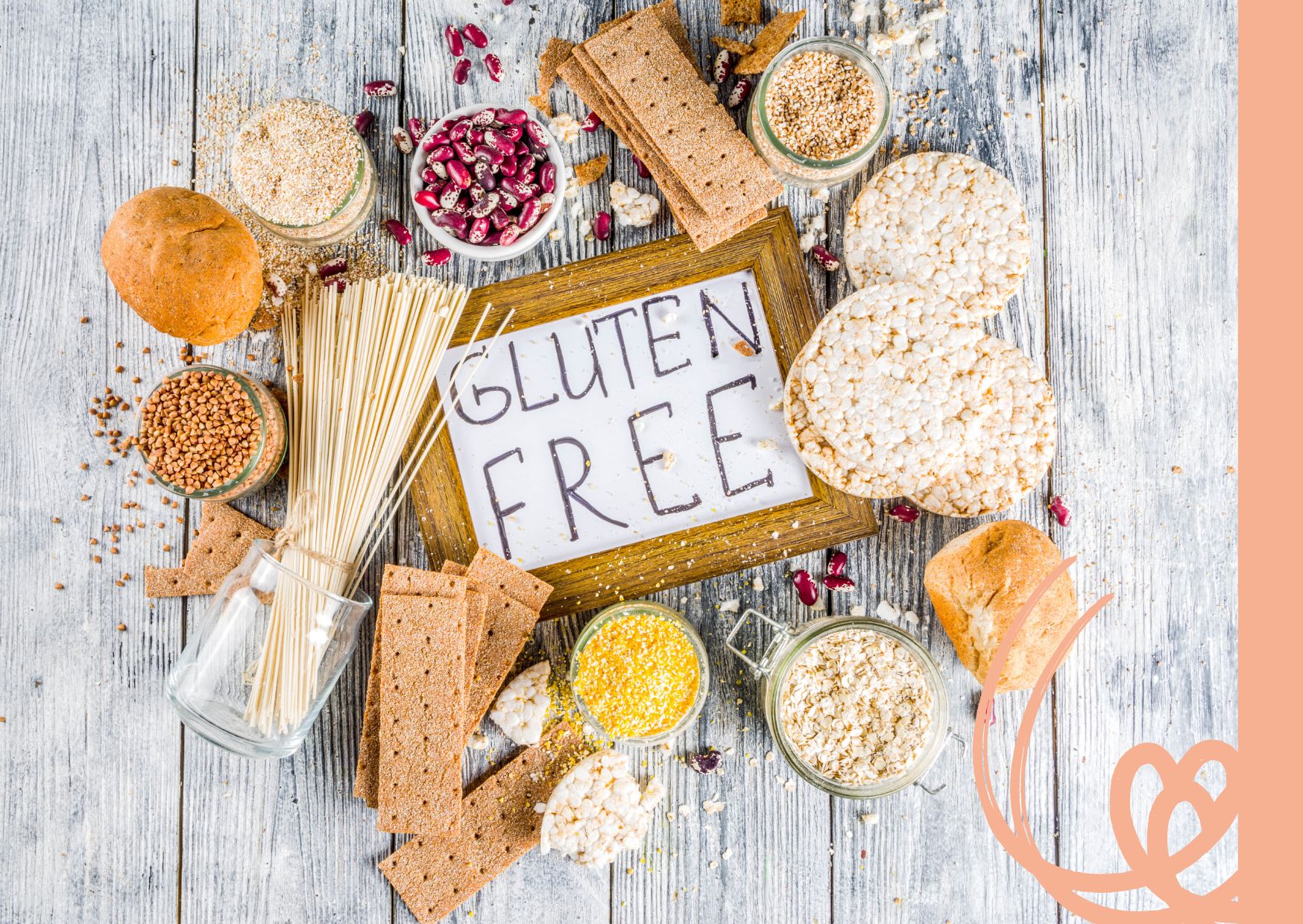
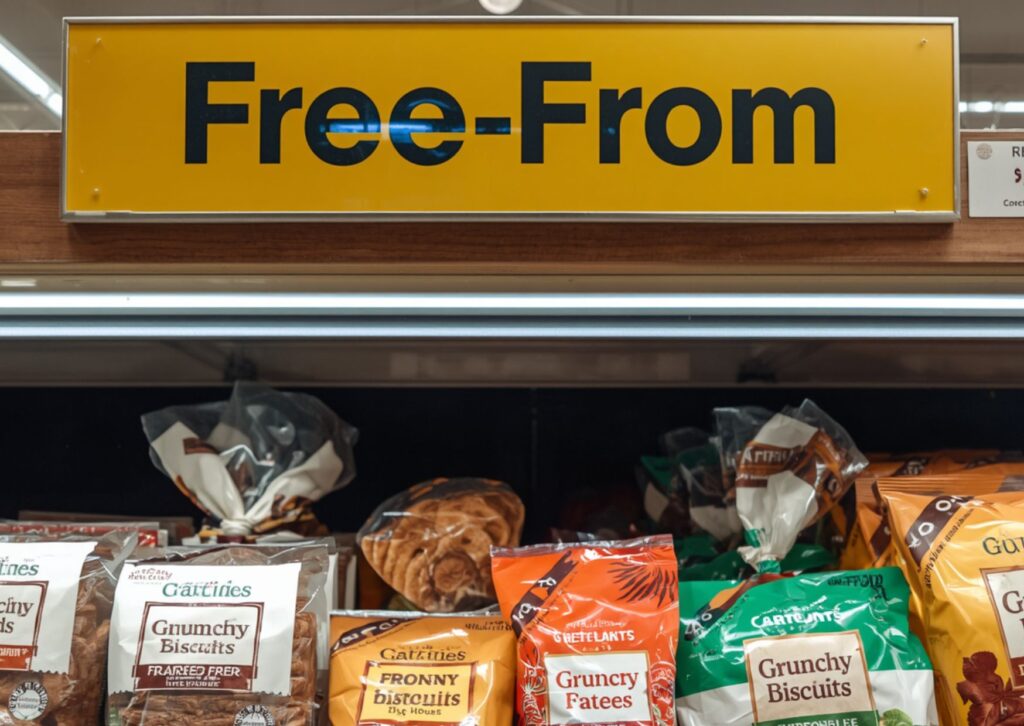
Are gluten-free foods ultra-processed? The gluten-free aisle can look like a safe place when you first need to cut gluten out of your diet. Bread, wraps, pasta, biscuits, cakes, crackers, breakfast cereals, pizza bases- everything sits there with the label you are looking for. But let’s talk about the hidden cost of gluten-free foods, and I don’t mean the price.
A balanced diet, whether gluten-free or not, is fundamental to maintaining good health, and it is well established that ultra-processed foods are detrimental to our well-being. A landmark study published in 2025 found that diets high in UPFs may be linked to an increased risk of premature death.
Yes. Many gluten-free packaged foods are designed to replace the softness, stretch, chew, and structure that gluten gives to wheat-based products. To do that, manufacturers often use many components to mimic this structure. And yes, the product is gluten-free and safe, but ultra-processed, and still very far from the kind of food that supports digestion, energy, and long-term metabolic health.
So, Are Gluten-Free Foods Ultra-Processed?
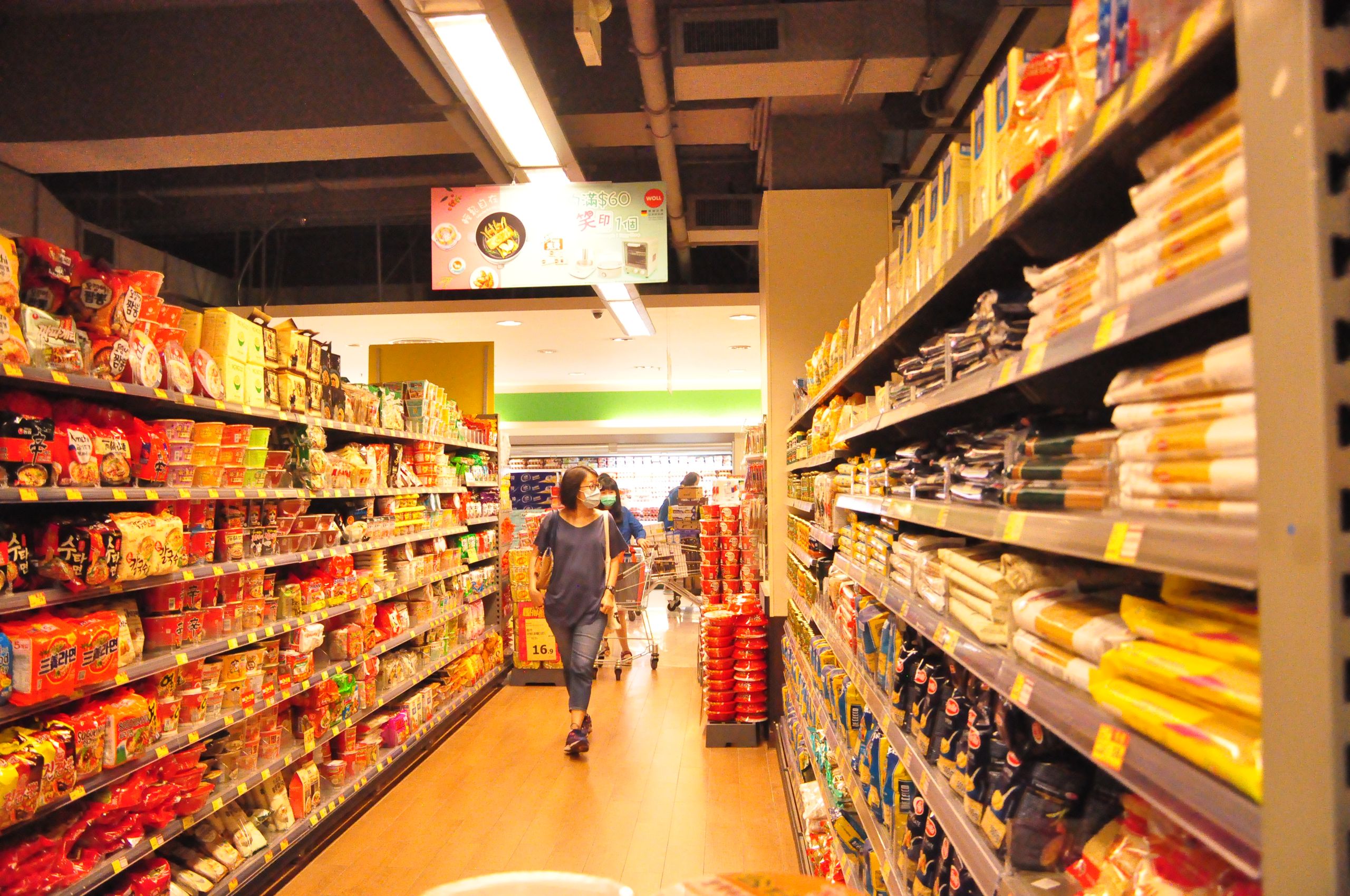
And at the beginning, when you are newly diagnosed with celiac disease or need to cut gluten out for some reason, the supermarket suddenly looks scary and unfamiliar. That gluten-free label feels like a relief. And you will probably feel so happy that you start trying every single thing on the shelf, just because it’s safe. Sounds familiar? I got you, along with some extra weight that came from nowhere.
Then come more questions. What is the product actually made from, and are gluten-free foods ultra-processed? Many packaged gluten-free substitutes are. For people who must avoid gluten, this creates a real food-environment problem: the safest, clearly labeled options are often also the most processed.
The hidden cost of gluten-free eating is not only the price (which, however, is very high); it is the increased exposure to ultra-processed products when the free-from aisle becomes the main replacement for everyday staples.
So, as one of these consumers, my research focused on what the market looks like now and what has changed, for better or worse.
My Dissertation Made This Question Impossible to Ignore
During my final year of a Human Nutrition degree, I audited gluten-free vs. gluten-containing packaged foods across UK supermarkets. I compared matched products by processing level, nutrients, fortification, and price. The result that stayed with me most was the level of ultra-processing.
In my sample, 90.8% of gluten-free packaged foods were classified as NOVA Group 4, meaning ultra-processed. That finding matched what I was already seeing as a gluten-free consumer: many products in the free-from aisle were built from long ingredient lists, refined starches, gums, emulsifiers, stabilizers, and isolated components.
That is why I keep coming back to the same message on DeGlutenista: Gluten-free eating works best when the label is only the starting point. The real value comes from the food structure, the ingredients, and the meal pattern around it.
Why Gluten-Free Products Often Need Rebuilding
Gluten is a protein. It helps wheat dough stretch, hold gas, and create structure during baking. When you remove gluten, the product loses that natural framework. Manufacturers then recreate texture with other ingredients.
Common examples include:
- rice flour
- corn starch
- potato starch
- tapioca starch
- modified starches
- xanthan gum
- guar gum
- cellulose gum
- emulsifiers
- stabilizers
- added oils
- added sugars
- protein isolates
- added fibers
Some of these ingredients can be helpful in small amounts. I use psyllium husk in gluten-free baking. It helps retain moisture and structure and is an amazing source of fiber. The difference is the whole recipe.
A homemade gluten-free loaf made with buckwheat, seeds, psyllium, eggs, yogurt, or olive oil sits in a very different place from a packaged bread built mainly from refined starches, oils, gums, preservatives, and emulsifiers. The same word, ‘gluten-free,’ can describe two completely different foods.
Refined Starches and the Food Matrix
The food matrix is the physical structure of food: the way fiber, water, protein, fat, minerals, plant compounds, texture, and particle size are held together. This structure affects digestion because the body must break down food before it can absorb nutrients.
When a food keeps more of its natural structure, chewing starts the process, the stomach empties more steadily, digestive enzymes reach the starch and sugars more gradually, and fiber helps slow the movement of glucose into the bloodstream.
Many gluten-free packaged products are made from ingredients that have already been milled, refined, isolated, modified, or extracted before the final product is built. That changes the matrix. Once the original structure is broken down, carbohydrates can become more readily available during digestion. As a result, the gut receives a softer, more processed food bolus, so glucose release, appetite hormones, and fullness signals can shift compared with a meal built from ingredients that still hold more of their natural structure.
This is a clear answer to the question ‘Are gluten-free foods ultra-processed?’ They are actually more than that – along with the additives, they are made from fractions and isolates.
The Free-From Health Halo
“Free-from” can sound healthier than it really is. Gluten-free. Dairy-free. Sugar-free. Vegan. High protein. Plant-based. Natural… the list could be long… Believe it or not, some people believe gluten-free foods are healthier than traditional foods. This was part of my dissertation, too.
These words can be really helpful, especially when someone needs to avoid a specific ingredient. They can also distract us from the actual ingredient list.
A gluten-free biscuit is still a biscuit. A gluten-free cake is still a cake. A gluten-free cereal can still be built around refined starches and sweeteners. A gluten-free wrap can still be low in protein and made with gums, emulsifiers, and oils to keep it soft.
I am not interested in food fear. I am interested in food awareness.
A packet can help on a busy day. A gluten-free loaf can make life easier. A wrap can be the difference between skipping lunch and eating something decent. The point is to know what role that product plays in the whole diet.
How to Read a Gluten-Free Product Label
The front of the packet gives you the promise. The back of the packet gives you the truth. When I read a gluten-free product label, I look for five things.
1. What is the first ingredient?
The first ingredient is the largest part of the product. If the first ingredient is corn starch, rice flour, potato starch, tapioca starch, or modified starch, the product is likely built mainly from refined carbohydrates. That may be fine occasionally. It becomes less helpful when these products become daily staples.
2. How much fiber does it provide?
Fiber supports digestion, fullness, gut bacteria, and a steadier blood glucose response after meals. Many gluten-free products are low in fiber unless they include whole-grain gluten-free flours, seeds, legumes, psyllium, oats labeled gluten-free, or added fibers.
3. How much protein does it provide?
In my primary research, I found that protein is significantly lower in gluten-free foods than in conventional foods. This is not surprising, as cereals are a major source of protein for many people. Protein supports fullness, muscle maintenance, enzyme function, immune function, and repair.
To improve this, I recommend pairing a gluten-free packaged food with protein-rich foods such as eggs, fish, chicken, legumes, tofu, yogurt, cheese, or hummus.
4. Are gums, emulsifiers, stabilizers, and modified starches crowded in the ingredient list?
Watch for:
- modified maize starch
- modified tapioca starch
- xanthan gum
- guar gum
- cellulose gum
- mono- and diglycerides of fatty acids
- emulsifiers
- stabilizers
- hydrolyzed proteins
- protein isolates
But remember, one ingredient does not define the whole food. A long list of these ingredients, especially in a product eaten daily, suggests the product has been heavily reformulated.
Is it part of the 20%, or is it becoming the base of the diet?
This is the 80/20 question. A packaged gluten-free product can fit well when it helps with real life: a slice of bread, a wrap, crackers, pasta, a biscuit, travel food, or a quick lunch. That is the 20%.
The concern arises when packaged substitutes become the main structure of the day: gluten-free cereal for breakfast, gluten-free biscuits for snacks, gluten-free bread for lunch, gluten-free pasta for dinner, and snack bars in between. Then the diet can become lower in fiber, less varied, and more dependent on products rebuilt for texture and shelf life.
Better Ways to Build a Gluten-Free Plate
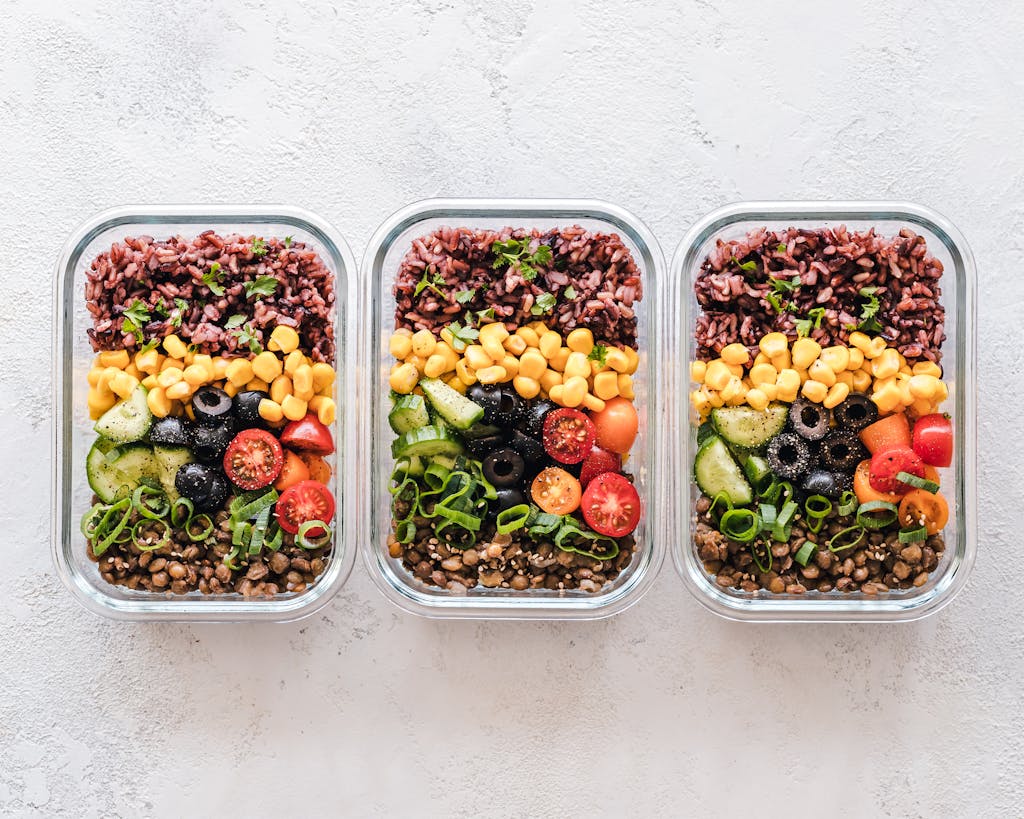
The strongest gluten-free diet starts with naturally gluten-free foods first. That means building meals around ingredients that provide fiber, protein, healthy fats, vitamins, minerals, and plant compounds before reaching for substitutes.
A better gluten-free plate might include:
- potatoes with fish, salad, olive oil, and yogurt dressing
- rice with chicken, vegetables, herbs, and fermented vegetables
- buckwheat pancakes with yogurt, berries, and ground flaxseed
- lentil soup with olive oil and fresh herbs
- eggs with vegetables and avocado
- quinoa with roasted vegetables, chickpeas, and tahini dressing
- gluten-free oats with chia seeds, berries, and nuts
Packaged gluten-free products can still have a place. The trick is to stop letting them run the whole kitchen. Use them as support and build the meal around real food.
What I Choose Most Often
In my own kitchen, I use gluten-free products because real life needs flexibility. I also try to keep the base of the diet close to recognizable ingredients.
I would rather use:
- buckwheat flour instead of a long starch-based blend when the recipe allows
- ground flaxseed or chia seeds for fiber and texture
- psyllium husk for structure in gluten-free baking
- almond flour for fat, protein, and moisture
- rice or potatoes are naturally gluten-free carbohydrate sources
- homemade yogurt for live cultures
- legumes for fiber and plant protein
- homemade sauces
This is the same food-first approach I use in the gluten-free diet guide: remove gluten where needed, then build the diet around better ingredients.
The Gluten-Free Ultra-Processed Foods Takeaway
Many gluten-free packaged foods are ultra-processed because gluten has to be replaced with something. In many packaged gluten-free products, manufacturers rebuild texture through formulation.
Start with safety: check the gluten-free claim, allergen statement, and cross-contamination warning if you need strict avoidance. Then look at the structure: the first ingredients, fiber, protein, and how heavily the texture has been rebuilt. Then build the plate around it, so the packaged product supports the meal.
That is where gluten-free eating becomes stronger, more nourishing, and much easier to live with in the long term.
FAQs
Are gluten-free foods ultra-processed?
Many packaged gluten-free replacement foods are ultra-processed. Gluten-free eating itself is not the problem. The problem starts when long-term gluten avoidance pushes people toward packaged free-from substitutes as daily staples.
Does gluten-free mean healthier?
No. Gluten-free means suitable for gluten avoidance. For someone with celiac disease, wheat allergy, or gluten sensitivity, that can be essential for health. The label itself does not make a food nutritious. A gluten-free ultra-processed product is still ultra-processed.
Why are many gluten-free packaged foods ultra-processed?
Gluten gives wheat-based foods stretch, chew, softness, and structure. When manufacturers remove gluten, they often rebuild those qualities through industrial formulation. That is why many gluten-free substitutes have longer ingredient lists than the foods they replace.
What is the hidden cost of gluten-free foods?
The hidden cost is higher exposure to ultra-processed foods. People who need to avoid gluten often rely on clearly labeled free-from products because safety comes first. Over time, this can make ultra-processed gluten-free foods a bigger part of the daily diet.
Are ultra-processed gluten-free foods safe for celiac disease?
A gluten-free label addresses gluten safety. It does not answer the nutrition question. A product can be suitable for gluten avoidance and still be highly processed. For celiac disease, safety comes first; after that, the next concern is what to eat every day to replace gluten.
Should I avoid all packaged gluten-free foods?
No. Packaged gluten-free foods can be useful, especially when you are busy, traveling, eating out, or managing cross-contact risk. The issue is frequency. Use them when they help, but don’t let the free-from aisle become the foundation of your diet.
What should I check first on a gluten-free packaged food?
Check gluten safety first: the gluten-free label, allergen statement, and cross-contact warning. Then check the product itself: the first ingredients, protein, fiber source, salt, sugar, and how often you eat that food in a typical week.