
Metabolical by Robert Lustig: It’s Easy: Foodable, Not Druggable!

This Metabolical book review has been sitting in my drafts since the day I closed the book. I read it on the train, on the couch, with a highlighter in one hand and a cold cup of tea in the other. Some books inform you. This one redirects you. By the time I finished it, my dissertation question had picked itself, and the way I look at every plate of food I cook had shifted permanently.
Metabolical: The Lure and the Lies of Processed Food, Nutrition, and Modern Medicine doesn’t tiptoe. Dr. Robert Lustig has spent decades as a pediatric endocrinologist at the University of California, San Francisco, watching eight-year-olds present with type 2 diabetes and fatty liver disease. When a clinician with that CV writes a manifesto, we should trust it.
This post may contain affiliate links. If you make a purchase through these links, I may earn a small commission at no extra cost to you. I only recommend products I personally use and trust. Thank you for your support!
Table of Contents
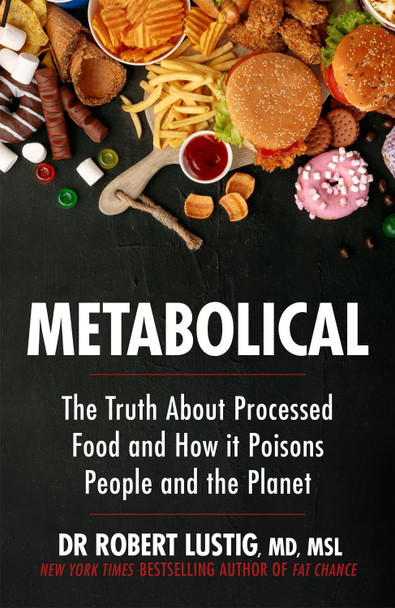
Metabolical Book Review at a Glance
Quick take: Metabolical by Dr. Robert Lustig is the book that helped me commit to my final-year dissertation topic. His central claim, that most modern chronic disease is “foodable, not druggable”, reframes nutrition as the front line of medicine.
Rigorous on sugar, fructose, and fatty liver; occasionally too sweeping on “processed” as a category; quietly furious about the politics of food.
Best for: Anyone who suspects something is wrong with modern food but can’t name what.
My rating: ⭐ 4.6/5
Why I Read Metabolical
I’d been circling the same question for months. Why is the food that’s making people sick the food that’s cheapest, closest, and most heavily marketed? Gut health, fiber, and the microbiome, ultra-processed foods… every thread kept knotting back to the same place. I needed someone to map the territory, with citations, in one volume.
Lustig does that and more. He doesn’t just describe what’s broken. He names the people who broke it. The food industry, the regulators, the medical establishment, and a research culture that’s spent decades chasing the wrong villains. By the end of chapter one, I knew exactly what I’d be writing about for the rest of the year.
Lustig’s Big Idea: Foodable, Not Druggable
The line that runs through the whole book, and has now lodged itself in my brain like a song lyric, is this: most modern chronic diseases are foodable, not druggable. You cannot prescribe your way out of a problem you ate your way into.
Let’s say type 2 diabetes. Non-alcoholic fatty liver disease. Hypertension. Some forms of cognitive decline. Lustig argues that these are metabolic conditions rooted in what we eat, how it’s processed, and how it affects our liver and gut.
His shorthand for the prescription is just as memorable: protect the liver, feed the gut. Sugar and ultra-processed additives overload the liver. Fiber and whole foods nourish the microbiome. Everything else is a footnote. As metaphors go, it’s beautifully blunt, and as someone who’s spent years writing gluten-free, lactose-free, refined-sugar-free recipes, I felt personally addressed. Bingo.
The Science in Metabolical
Lustig’s case against added sugar (so, do I), particularly fructose at modern industrial doses, is grounded in years of clinical research and biochemistry that’s hard to argue with. The link between sugar, insulin resistance, and non-alcoholic fatty liver disease is one of the most robust findings in modern hepatology. Fatty liver in children should genuinely scare us all.
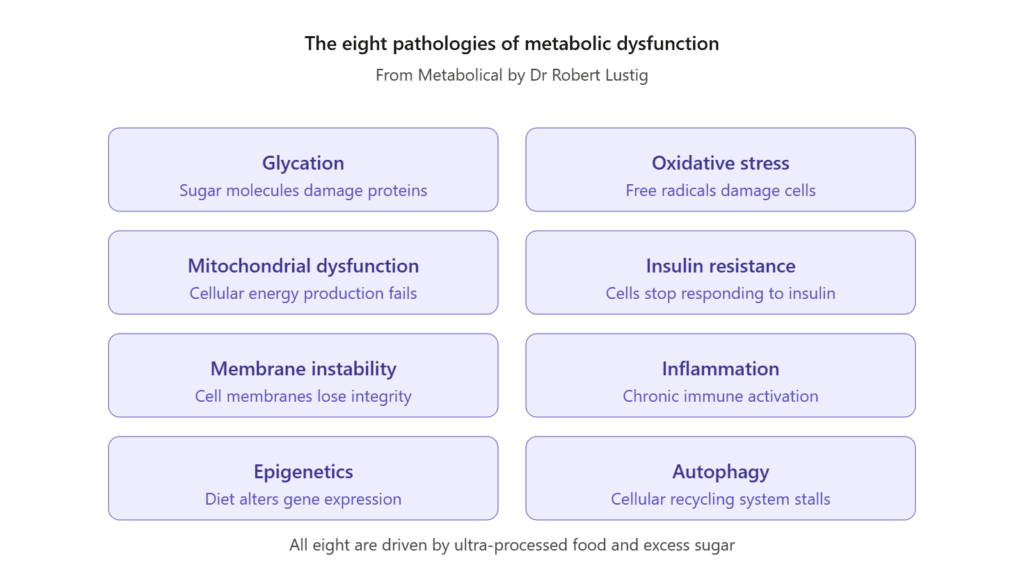
His framing of the eight pathologies of metabolic dysfunction, e.g, oxidative stress, mitochondrial dysfunction, inflammation, insulin resistance, glycation, lipid imbalance, membrane instability, and epigenetic damage, sounds intimidating. He walks the reader through every one without dumbing it down. He respects your intelligence and keeps the prose accessible. My biochemistry lecturer would approve. That’s high praise.
His chapters on the politics of food are where the book really bites. Industry capture. Weakened regulation. Conflicts of interest. The supermarket shelf is a crime scene. The harder question isn’t what we should eat. It’s why the unhealthy choice has become the cheapest, the closest, and the most convenient one. Lustig doesn’t let policymakers, food corporations, or the medical establishment off the hook. I love him for it.
Where Lustig’s Prescription Falls a Bit Short
I read with a highlighter for the wins and a pen for the pushback. Both got used, though the more I sat with the book, the more I had to admit Lustig’s broad brush is closer to the truth than it first appears.
When I ran my own research project on gluten-free versus gluten-containing foods, I classified products by NOVA group myself. The findings surprised me. Most commercial gluten-free pasta lands in NOVA Group 4: even a single emulsifier puts it squarely in ultra-processed territory.
The same goes for many commercial almond flour blends, processed cheese, and most of the “everyday foods” the average shopper assumes are fine. So when Lustig calls pasta a processed food, he isn’t being lazy. He’s being broadly accurate for the supermarket reality, especially in the gluten-free aisle I write about here.
The genuine overreach is in the prescription. Real Food only is the book’s rallying cry, but it’s never defined tightly enough to be operational. White rice (NOVA Group 1) gets treated with the same suspicion as a Pop-Tart.
Readers close the book with strong conviction and a fuzzy boundary, which is a problem when the boundary is the whole point.
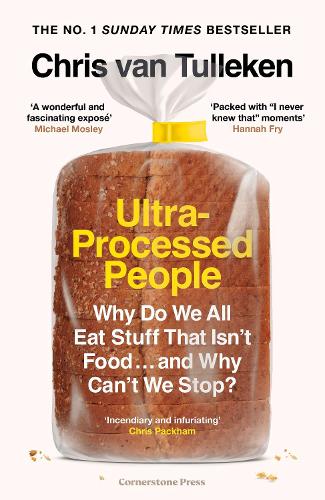
For practical clarity on which foods actually sit in Group 4 and which are wrongly accused, Chris van Tulleken’s Ultra-Processed People is the better operational guide. The two books work better together than apart. Lustig gives you the why, van Tulleken gives you the what.
The other gap is in the practical pages. It’s easier for a tenured American physician to say “cook from scratch” than for a single parent working two jobs to actually do it. Lustig is right that cooking is a form of resistance, and I agree. I am trying my best. The book could do more for readers who agree with the diagnosis and need help with the prescription on a real-life budget.
What Metabolical Changed About My Work
By the time I closed the book, my dissertation question had practically written itself. The angle settled firmly on the role of ultra-processed foods in metabolic dysfunction, exactly the territory Lustig charts, with a more focused, evidence-led lens.
There’s something powerful about reading a book that names a problem you’ve been circling for years. I’ve lived gluten-free and lactose-free for long enough that ingredient lists are my second native language. Lustig gave me a framework for why it matters beyond personal sensitivity. Avoiding refined sugars is liver protection. Eating fiber and fermented foods is for microbiome maintenance. Cooking from scratch on a Tuesday evening is a small, repeated act of pushing back against a food system that’s making people sick on an industrial scale.
There’s a moment near the end where Lustig argues we have turned our food crisis into a medical one: that we are paying with our lives for a problem that started on the plate. I had to put the book down and stare at the wall for a while. Those are the lines that don’t leave you.
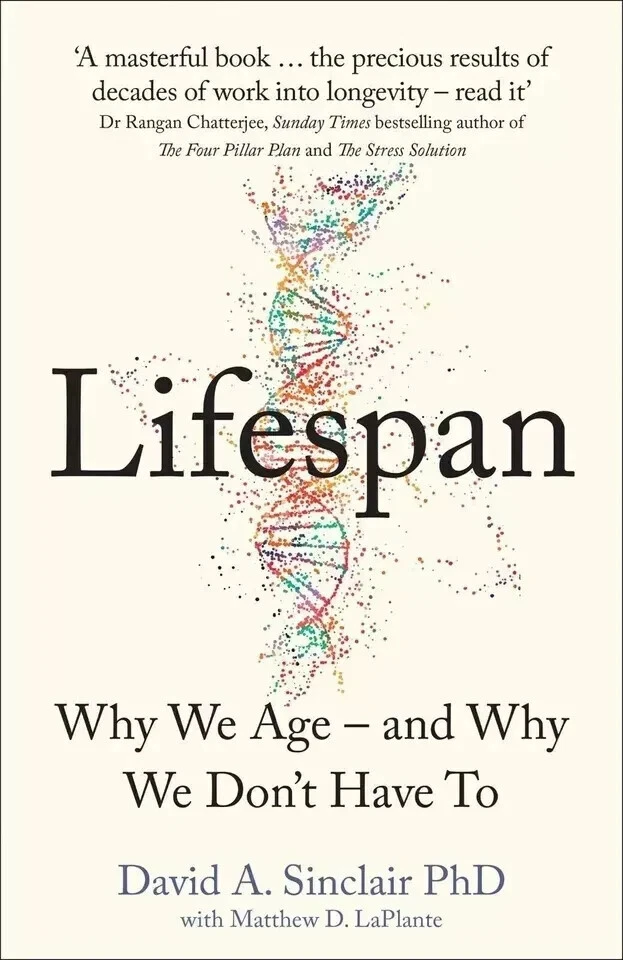
As I went deeper into Lustig’s argument about metabolism, the food system, and chronic disease, I kept thinking about how all of this connects to the deeper biology of aging. I explored that thread in my review of Lifespan, where Dr. David Sinclair maps the cellular consequences of the very environment Lustig is describing. The two books speak to each other in ways I didn’t expect.
Why Metabolical by Robert Lustig Is Worth Reading
If you’ve been suspicious that something has gone wrong with the modern plate but couldn’t put your finger on it, Metabolical gives you the language to describe it. If you’re a parent, a clinician, a nutrition obsessive, or someone who turns packets over in the supermarket and squints at the ingredients, this book will sharpen the way you think about food for the rest of your life.
Is it polemical? Yes. Occasionally too sweeping? Yes. Does it land its punches? Absolutely.
Lustig isn’t asking you to count macros or follow a diet. He’s asking you to question the entire system that decides what gets called food in the first place. That’s a much bigger and far more interesting argument, and it’s the one I keep returning to – in lectures, in study groups, and in my own kitchen.
📖 Add it to your shelf: Metabolical: The Lure and the Lies of Processed Food, Nutrition, and Modern Medicine by Dr. Robert Lustig (affiliate link).
The Real Resistance of Cooking from Scratch
Every meal cooked from real ingredients is a small refusal. A refusal to outsource your health to a system that profits from your sickness. A refusal to accept that “convenient” and “edible” mean the same thing. A refusal to feed yourself or your family the cheapest version of food the industry can produce.
That isn’t radical. It isn’t even particularly modern. It’s just cooking – the way most of human history has eaten, long before the phrase ultra-processed existed. If you’re new here, that’s exactly what you’ll find across the rest of this blog: simple, real, science-informed recipes, gluten-free, lactose-free, refined-sugar-free, fiber-rich, fermented, that take Lustig’s diagnosis and turn it into something you can plate up for dinner.
Foodable, not druggable, my darling.
⭐ My rating: 4.6/5, the book that helped me decide what to spend my final dissertation year writing about.
Metabolical Book Review FAQs
Is Metabolical worth reading?
Metabolical is worth reading if you want the biochemistry and the politics behind why ultra-processed food is making us sick. Lustig’s broad indictment of processed food turns out to be closer to the truth than to the error. Once you actually run NOVA classifications on real supermarket products, most of them really do land in Group 4, especially in the gluten-free aisle. Where the book falls short is in operational clarity. Pair it with Chris van Tulleken’s Ultra-Processed People for practical guidance on what’s safe to buy. Lustig gives you the why. Van Tulleken gives you the what.
Who is Dr. Robert Lustig?
Dr. Robert Lustig is a professor emeritus of pediatrics at the University of California, San Francisco, where he specialized in pediatric neuroendocrinology and treated children with type 2 diabetes, obesity, and non-alcoholic fatty liver disease.
What does “foodable, not druggable” mean?
Foodable, not druggable, is Lustig’s shorthand for the idea that most modern chronic diseases are rooted in what we eat, not in what a prescription can fix. Type 2 diabetes, fatty liver, and hypertension, he argues these are metabolic conditions that food causes, and food can address.
Is Metabolical the same as Fat Chance?
No. Fat Chance (2013) focused on the science of sugar and obesity. Metabolical (2021) is broader and more ambitious. It goes after the entire food system, the medical establishment, and the regulatory failures behind both.
Do I need a science background to read it?
No. You’ll get more out of it if you don’t mind a bit of biochemistry, but Lustig respects his readers. He explains insulin resistance and mitochondrial dysfunction without dumbing them down, which is part of why the book lands so hard.
Further Reading on Food, Aging, and the Modern Body
If you enjoy science-based books that challenge how we think about health and longevity, you might also like:
My review of Lifespan: Aging as a biological process, we may yet learn to influence.
My review of Eat Dirt: The microbiome, resilience, and modern immune health.
My review of Ultra-Processed People: The hidden forces behind the modern food industry.
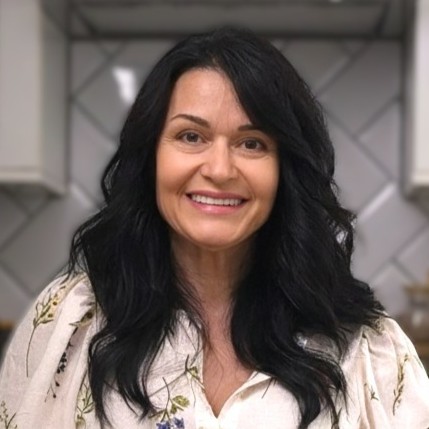

About the Author: Dani
Integrative nutritionist | BSc (Hons) Human Nutrition | Metabolic and gut Health
Hi! I’m Dani, BSc (Hons) Human Nutrition with a strong interest in lifestyle medicine, gut health, metabolic health, UPF-free, whole-food, and gluten-free cooking. Your visit means the world to me!
I share simple recipes, nutrition tips, lifestyle experiences, and insights into living with food intolerances.