

Best Cooking Methods to Maximize Nutrient Retention

The way you cook food can change how much nutrition reaches your plate. Vitamin C, B vitamins, minerals, antioxidants, plant compounds, healthy fats, protein texture, and even glycemic response can all be shaped by heat, water, time, and the cooking liquid.
That is why I care so much about cooking methods. The same vegetable can lose water-soluble vitamins in a pan of boiling water, retain more nutrients when steamed, or give more back when the cooking liquid is used in a soup or stew. The same piece of fish can preserve its healthy fats through slow cooking, or lose quality when heat is applied too high for too long.
In this guide, I’ll walk you through the cooking methods I use most on DeGlutenista Nutrition: boiling, steaming, roasting, baking, sautéing, stir-frying, pressure cooking, grilling, broiling, and slow cooking. The goal is kitchen confidence: which method to use, what it does to the food, and how to keep more nutrition, flavor, and texture in the final meal.
Quick Answer: Which Cooking Methods Retain the Most Nutrients?
Cooking methods can preserve or lose nutrients depending on how they affect the food matrix, the structure that determines how your body processes each nutrient. Using water, heat, time, pressure, oxygen, and fat during cooking influences whether nutrients stay in the food, leach into the liquid, break down, or become easier for the body to absorb.
Steaming protects delicate vegetables because the food sits above the water, so fewer water-soluble nutrients escape into the pan. Boiling works best when the liquid stays in the meal, as in soups, stews, broths, and sauces. Pressure cooking uses steam and pressure to soften the food matrix faster, which can reduce the time nutrients spend exposed to heat.
Roasting and baking work differently because they use dry heat. They can reduce some heat-sensitive nutrients during prolonged cooking while also helping to release fat-soluble plant compounds, such as carotenoids, from carrots, tomatoes, and sweet potatoes. A little olive or rice bran oil helps carry these compounds, as they dissolve better in fat.
So the best method depends on the food: less water for delicate vegetables, reserving the liquid for soups and stews, using controlled heat for fish and healthy fats, and allowing enough cooking time for legumes, grains, meat, and tougher vegetables to soften.
Cooking Methods Compared: What Each One Does to Nutrients
Each cooking method changes the food matrix in a different way. The table below gives you the quick version before we go deeper into each method.
| Cooking method | What happens inside the food | Best for | Nutrient point |
|---|---|---|---|
| Boiling | Water and heat soften the food matrix and pull some nutrients into the liquid | Soups, stews, broths, legumes, potatoes, some meats | Works best when the cooking liquid stays in the meal |
| Steaming | Steam softens plant cells with less direct water contact | Broccoli, spinach, carrots, green beans, leafy vegetables | Helps protect water-soluble nutrients by reducing nutrient movement into water |
| Roasting and baking | Dry heat removes surface moisture, concentrates flavor, and supports browning | Vegetables, tray bakes, meat, fish, casseroles | Can help release carotenoids from tomatoes, carrots, peppers, and sweet potatoes |
| Sautéing and stir-frying | Short heat and a little fat soften food quickly | Aromatics, greens, vegetables, lean proteins | Fat helps carry fat-soluble nutrients and plant compounds |
| Pressure cooking | Steam and pressure soften food faster | Beans, lentils, soups, stews, tougher meats | Shorter cooking time can help protect some heat-sensitive nutrients |
| Grilling and broiling | Strong direct heat browns the surface quickly | Fish, meat, vegetables | Best with controlled heat, turning often, and avoiding heavy charring |
| Slow cooking | Low moist heat slowly softens fibers, starches, and connective tissue | Broths, legumes, stews, tougher cuts | Valuable when the cooking liquid becomes part of the meal |
Why Different Cooking Methods Change Nutrients Differently
Water is one of the biggest factors in how cooking methods differ. Vitamin C and several B vitamins are water-soluble, so boiling can draw them out of vegetables and into the cooking liquid. Minerals such as potassium and magnesium can move into the water, too. When the liquid becomes soup, stew, broth, or sauce, those nutrients stay in the meal. When the liquid is poured away, part of the food’s nutritional value goes with it.
Heat brings another layer. Some nutrients and plant compounds tolerate heat well. Others are more fragile. Vitamin C is heat-sensitive, whereas carotenoids in carrots, tomatoes, and sweet potatoes can become more accessible after cooking because heat softens the surrounding plant tissue. This is why raw and cooked foods both deserve a place on the plate.
Fat also changes during cooking. Some nutrients dissolve better in fat, including vitamins A, D, E, and K, as well as carotenoids from orange, red, and deep green vegetables. A little olive oil or rice bran oil can help these fat-soluble compounds move from the food matrix into the meal in a form the body can use.
Protein-rich foods change through denaturation. That simply means heat unfolds the protein structure. In eggs, fish, meat, and legumes, this can make protein easier to digest when the cooking is controlled. Push the heat too far, especially with dry heat, and the food becomes tough, dry, or charred.
Starchy foods change, too. Potatoes, rice, pasta, legumes, and grains absorb water and swell as starch gelatinizes during cooking. After cooling, some of that starch can reorganize into resistant starch, which behaves more like fiber during digestion. That is one reason cooking, cooling, reheating, portion size, and food structure can all shape the glycemic response. The article on glycemic index and glycemic load goes deeper into how food structure, fiber, and portion size affect blood glucose after eating.
So, the question is not only “Which cooking method is healthiest?” The better question is: what food are we cooking, what nutrients are we trying to protect, and does the cooking liquid stay in the meal?
1. Boiling
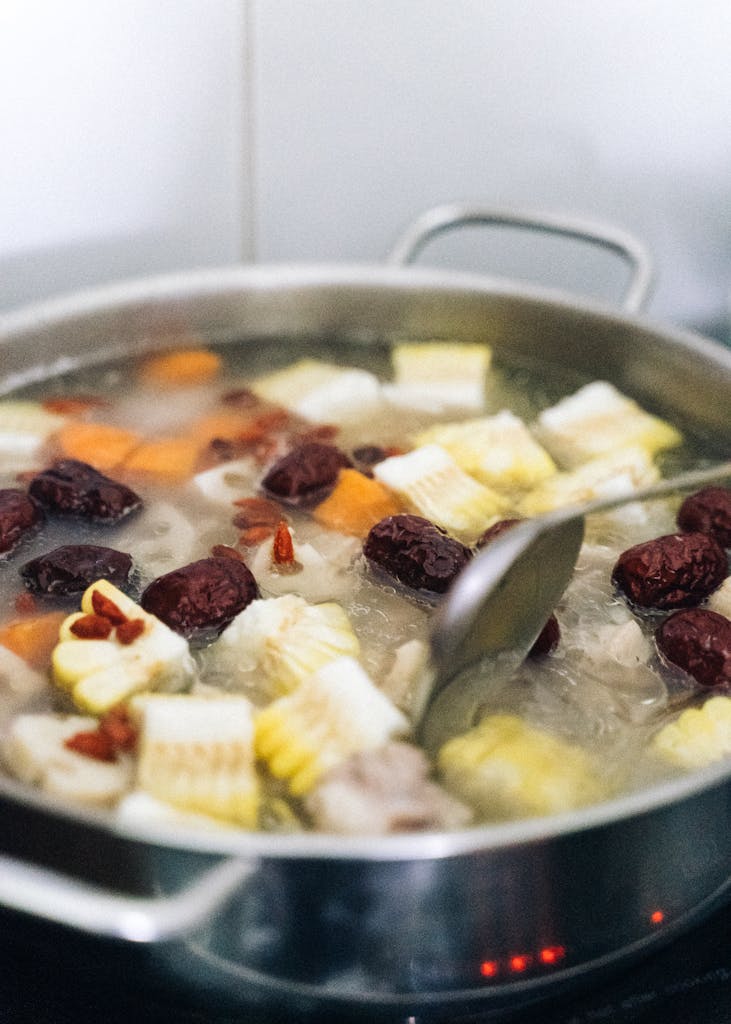
How it works: Ingredients are fully submerged in water and cooked at 100°C (212°F).
Nutritional effect: Boiling can cause water-soluble vitamins (especially vitamin C and B vitamins) to leach into the cooking water. Unless you’re consuming the broth (like in soups or stews), a good amount of nutrients can be lost this way. Minerals such as potassium and magnesium can also leach out.
When I use it: for soup bases like Vegetable Soup and Lentil Soup, and boiled meats in recipes like Chicken Fricassee.
Pro tip: Use the cooking liquid! In broths, nothing is wasted, nutrients, flavor, and all.
2. Steaming
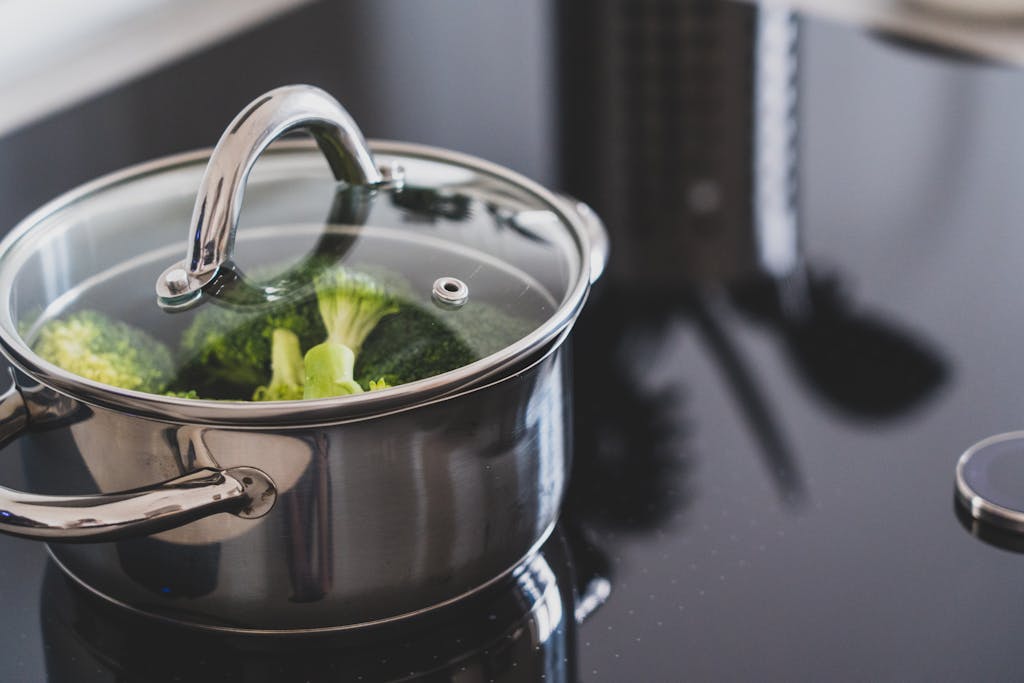
How it works: Food is cooked above boiling water using steam, without direct contact with liquid.
Nutritional effect: One of the gentlest methods, steaming retains most vitamins and minerals, especially in vegetables like broccoli, spinach, and carrots. It also preserves color, texture, and taste.
When I use it: It is ideal for quick vegetable sides, prepping meals for freezing, baby food, and gut-friendly soft meals.
Pro tip: Steam veggies until just fork-tender to keep their crunch and nutrients.
3. Roasting / Baking
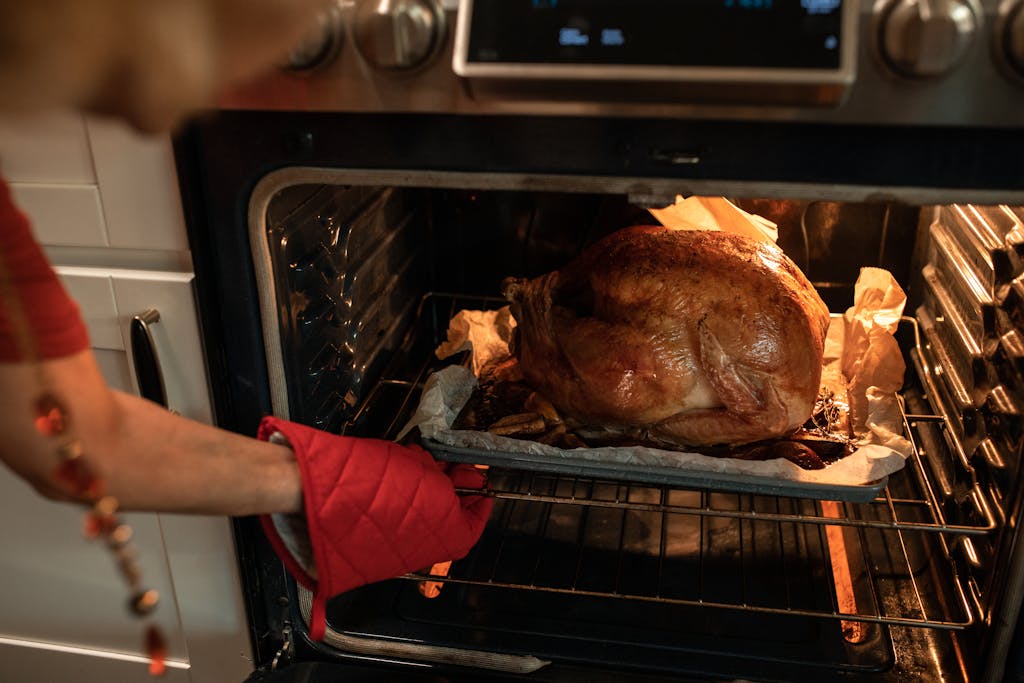
How it works: Uses dry heat in the oven, usually between 160–220°C (320–430°F).
Nutritional effect: Baking and roasting cause minimal vitamin C loss but can degrade certain antioxidants during prolonged cooking. However, dry heat helps concentrate flavors and may enhance the availability of specific nutrients (such as lycopene in tomatoes and beta-carotene in carrots).
When I use it: For flavor-rich mains like Oven-Baked Pork Chops, Courgette Lasagna, or veggie trays.
Pro tip: Toss your veggies in a heart-healthy oil (like rice bran or olive oil) and roast them with herbs for extra taste and improved fat-soluble vitamin absorption.
4. Sautéing / Stir-Frying
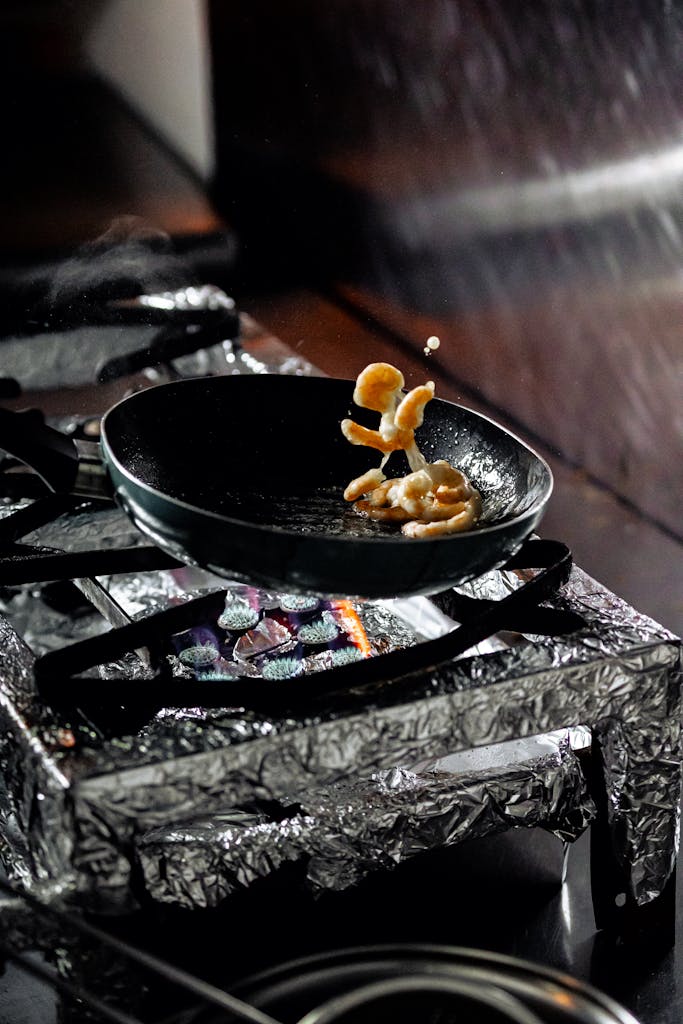
How it works: A quick method where food is cooked in a small amount of fat at high heat.
Nutritional effect: Quick cooking helps retain vitamins. However, overheated oil or overcooking can lead to loss of B vitamins and the formation of harmful compounds. Stable oils like rice bran, avocado, or cold-pressed olive oil make a big difference.
When I use it, it is the base for most of my dishes: garlic and onion sautéed with spices. It is perfect for stir-fried greens and lean proteins.
Pro tip: Add a splash of water to lower the cooking temperature and create a mild steam effect to protect nutrients.
5. Pressure Cooking (Including Instant Pot)
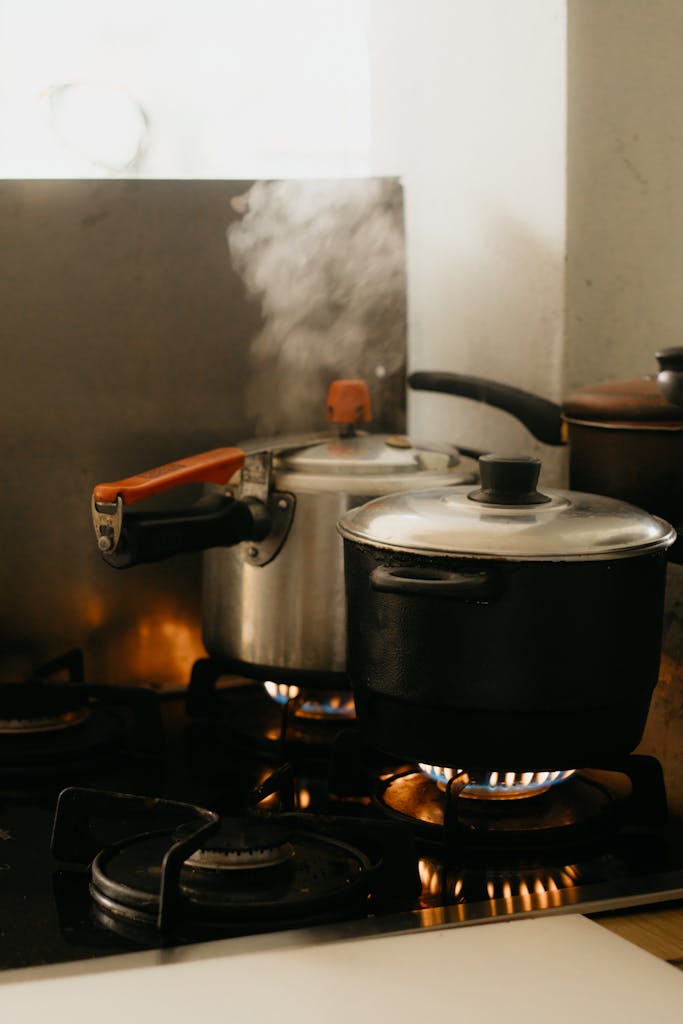
How it works: Cooks food under high pressure and steam at temperatures up to 120°C (248°F), significantly reducing cooking time.
Nutritional effect: Although high temperatures are involved, shorter cooking times actually preserve many vitamins. Studies show that pressure cooking preserves vitamin C better than boiling and enhances protein digestibility in legumes and meat.
When I use it: in soups and stews, or to quickly tenderize meat, like in my Instant Pot Chicken and Turkey Meatball Soup or Vegetable Soup.
Pro tip: Avoid overcooking; cooking for a few minutes too long can turn veggies mushy. Use natural pressure release for the best texture.
6. Grilling / Broiling
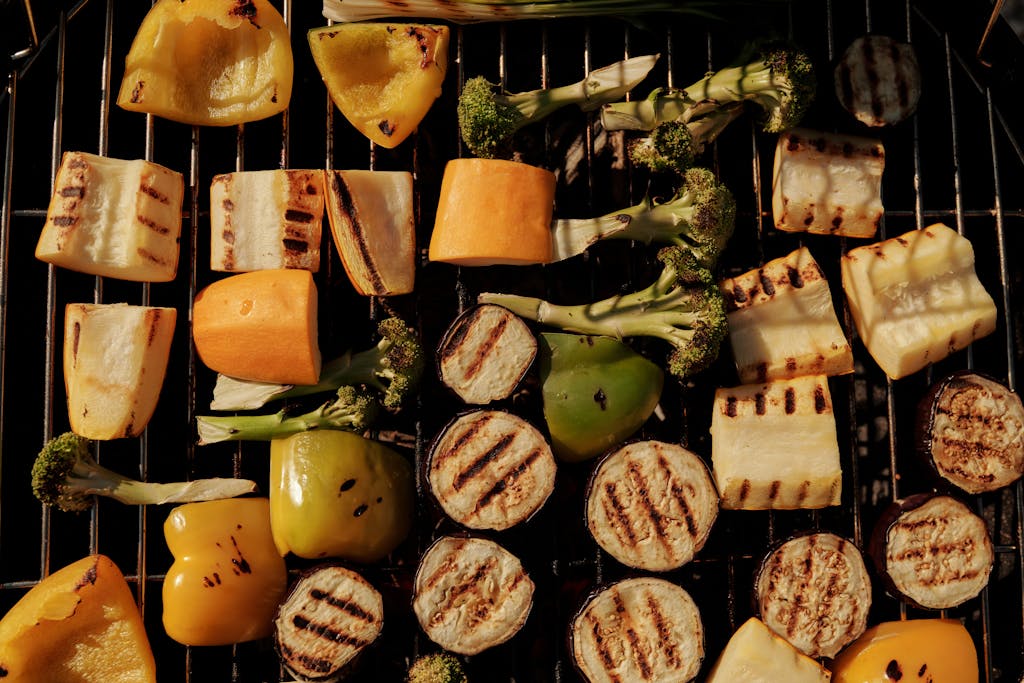
How it works: Uses direct, high heat from above (broiling) or below (grilling), cooking quickly.
Nutritional effect: Great for locking in flavor with minimal fat, but high heat can form heterocyclic amines (HCAs) and polycyclic aromatic hydrocarbons (PAHs), which may be harmful in excess.
I use it for meats like grilled salmon with pistachios. I often pair it with marinated veggies or fresh salads to balance potential oxidative stress.
Pro tip: Pre-marinate with lemon, herbs, and garlic; their antioxidant compounds can reduce the formation of harmful chemicals.
7. Slow Cooking
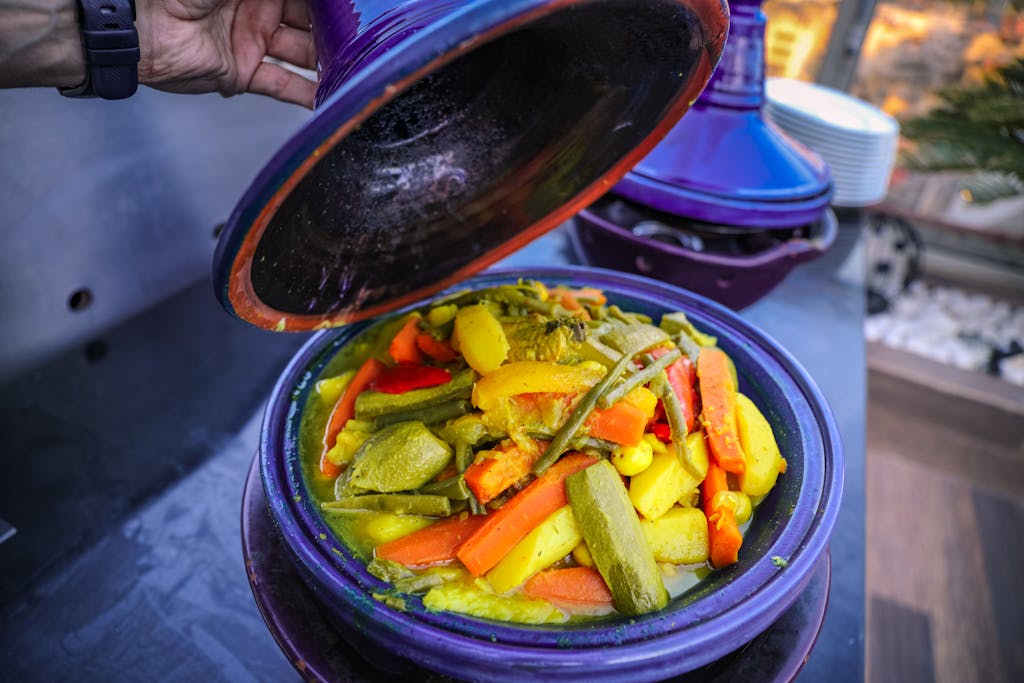
How it works: Cooks food at low temperatures over a long period, often 6–8 hours.
Nutritional effect: Low heat causes minimal nutrient loss. It is great for tougher cuts of meat and legumes. It allows flavors to deepen and ingredients to soften.
When I use it: For batch cooking and comforting dishes with lentils, beans, or bone-in meats.
Pro tip: Ideal for gut-healing broths and one-pot meals. Keep the lid on to retain steam and nutrients.
So, Cooking Methods – Which Is Best?
There is no “one best method.” It all depends on the ingredient and the recipe. For example:
- For vitamin-rich vegetables: steaming or quick sautéing works best.
- For tough meats, pressure or slow cooking is more efficient and nutrient-preserving.
- For deep flavors: roasting or baking concentrates taste and improves texture.
- For light, refreshing soups, boiling with broth works beautifully if you consume the liquid.
As a rule of thumb, always pair your cooking method with your nutritional goals. My blog is full of recipes that combine these techniques, like sautéing aromatics and then pressure-cooking the rest for both flavor and nutrition.
FAQs
How can I stop vitamins from leaking into the water?
When boiling, water-soluble vitamins like vitamin C and B vitamins easily leach into the cooking water. Try steaming instead, or if you must boil, use as little water as possible and repurpose the leftover liquid for stocks, gravies, or soups.
Should I chop vegetables before or after cooking?
Cut vegetables after cooking whenever possible. Chopping increases the surface area exposed to air, water, and heat, which accelerates the destruction and loss of nutrients.
Does adding healthy fats to cooked vegetables help?
Yes. Fat-soluble vitamins (vitamins A, D, E, and K) and beneficial phytonutrients require dietary fat for proper absorption by your body. Drizzling extra-virgin olive or avocado oil over steamed or microwaved veggies maximizes their nutritional benefits.
Is it always better to eat food raw?
Not always. While raw foods contain the most vitamin C, cooking helps break down plant cell walls. This makes certain nutrients (such as beta-carotene in carrots and lycopene in tomatoes) significantly easier for your body to absorb.