
Almond Flour, Meal, and Pulp: The Complete Cooking Guide

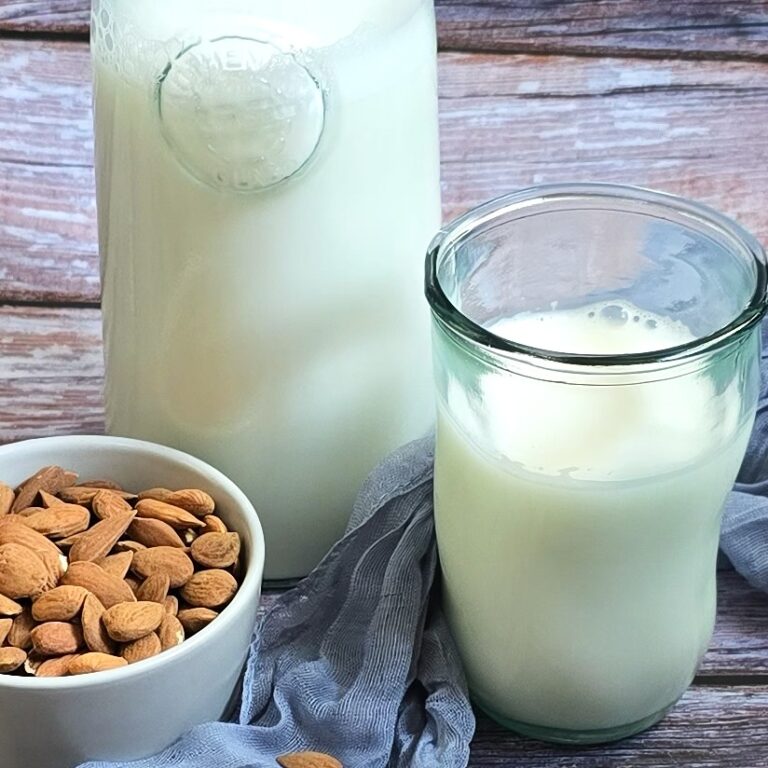
When I started making almond milk at home, I quickly realized the real question was bigger than milk. What should I do with the leftover almond pulp, and how is it different from almond flour or almond meal?
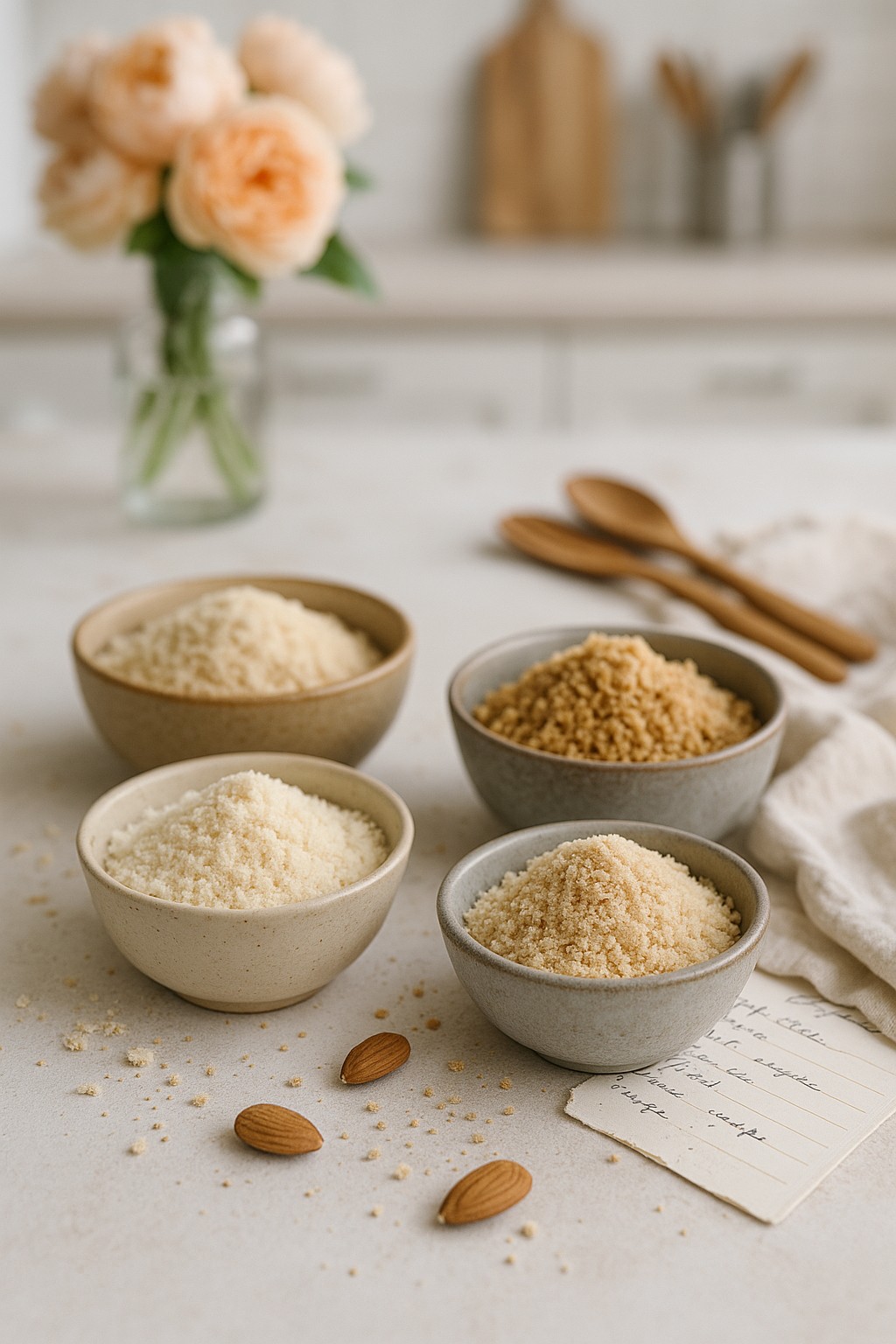
That small kitchen question turned into one of my favorite lessons on gluten-free ingredients. Almond flour, almond meal, and almond pulp all come from almonds, but the skin, texture, moisture, and fat content change how they work in recipes. Fine almond flour gives a softer finish, almond meal adds a more rustic texture, and almond pulp lets you use what is left after making almond milk.
This guide explains the differences among almond flour, almond meal, and almond pulp; how to make them at home; how to use them; and how to store them so they stay fresh.
What Is Almond Flour?
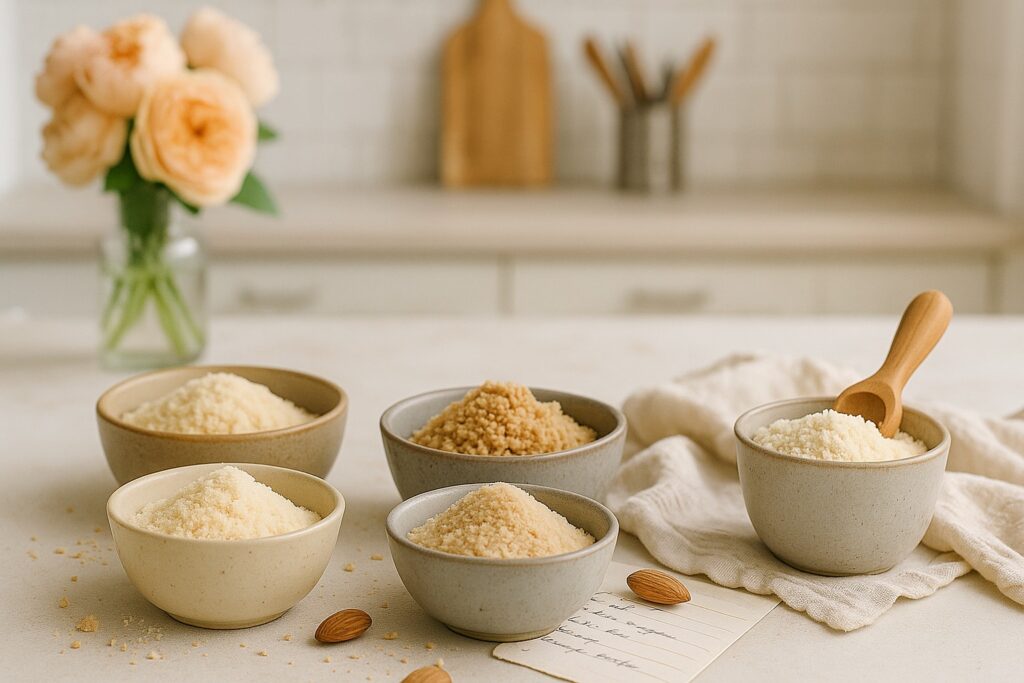
Almond flour is made from blanched almonds, which means the brown skins are removed before the almonds are ground into a fine, pale flour. This gives almond flour a softer texture and lighter color than almond meal, making it a good choice when you want a smoother finish in cakes, muffins, cookies, pancakes, and pastry-style recipes.
Because almond flour comes from whole almonds, it provides plant protein, fiber, healthy fats, vitamin E, magnesium, and natural plant compounds. It is naturally gluten-free, so it can be a helpful flour for gluten-free baking, especially when combined with other gluten-free flours or binding ingredients such as eggs, chia, flaxseed, or psyllium husk.
Almond flour has a mild, slightly sweet almond flavor and adds moisture because almonds contain natural oils. This is one reason it works beautifully in softer bakes. The same natural oils also mean that almond flour can go rancid more quickly than dry grain-based flours, so I prefer to store opened almond flour in an airtight container in the fridge or freezer.
What Is Almond Meal?
Almond meal is usually made from whole almonds with the skins left on. It has a coarser texture, a deeper speckled color, and a slightly more rustic finish than almond flour. The almond skins add extra dietary fiber and plant compounds, and they also give almond meal a stronger almond flavor.
Almond meal works well in recipes where texture is welcome. I like it for crumbles, biscuits, cookies, crackers, coatings, tart bases, and rustic-style gluten-free bakes. It can also be used in savory recipes, especially as a coating for fish, chicken, vegetables, or stuffed mushrooms.
The coarser texture makes almond meal behave differently from fine almond flour. In delicate bakes, it can make the crumb heavier or more textured. In recipes where you want a little bite, it can be beautiful. When choosing between almond flour and almond meal, think first about the final texture you want: soft and fine, or rustic and slightly nutty.
What Is Almond Pulp?
Almond pulp is the soft almond mixture left after making homemade almond milk. Once the almonds are blended with water and strained, the liquid becomes almond milk, and the remaining almond solids become almond pulp.
Fresh almond pulp is moist, mild, and fibrous. It still contains useful almond solids, including fiber, some plant protein, minerals, and almond flavor, although part of the fat moves into the milk during blending. This is why almond pulp behaves differently from almond flour. It has more moisture when fresh, then becomes lighter and drier once dehydrated.
Fresh almond pulp works well in smoothies, porridge, energy bites, no-bake bars, yogurt bowls, and soft mixtures where extra moisture is welcome. When dried and blended, it becomes almond pulp flour, which can be used in crackers, rustic bakes, snack bars, and some gluten-free recipes.
Almond pulp flour usually yields a drier result than regular almond flour because some of the almond oil has already been absorbed by the milk. For that reason, I prefer to use it as part of a recipe rather than as the full amount of flour. A mix of almond pulp flour and almond flour often gives a better texture while still helping reduce food waste from homemade almond milk.
Tip! The process of making almond milk results in the pulp losing most of its fat, making it feel drier, lighter, and darker. When using almond meal made from leftover pulp in recipes that call for traditional almond meal, it’s almost always necessary to add fat in order to compensate.
Almond Flour, Meal, and Pulp Nutritional Comparison
| Nutrient (per 28g/1oz) | Almond Flour | Almond Meal | Almond Pulp (Fresh)* |
|---|---|---|---|
| Calories | ~165–170 kcal | ~165–170 kcal | ~40–60 kcal |
| Protein | ~6g | ~6g | ~1–2g |
| Fat | ~14g | ~14g | ~1–3g |
| Fiber | ~3g | ~3–4g | Varies |
| Total carbs | ~6g | ~6g | Varies |
| Vitamin E | High | High | Varies; usually lower than almond flour |
| Magnesium | Rich | Rich | Varies; usually lower |
Note. Fresh almond pulp is an estimate only. The nutritional content varies depending on the almond-to-water ratio, the fineness of the almond blend, and the firmness of the milk squeeze. Dried almond pulp flour will be more concentrated than fresh pulp.
My Fav Recipes Using Almond Flour:
- Lemon Almond Sponge Cake
- Gluten-Free Banana Muffins
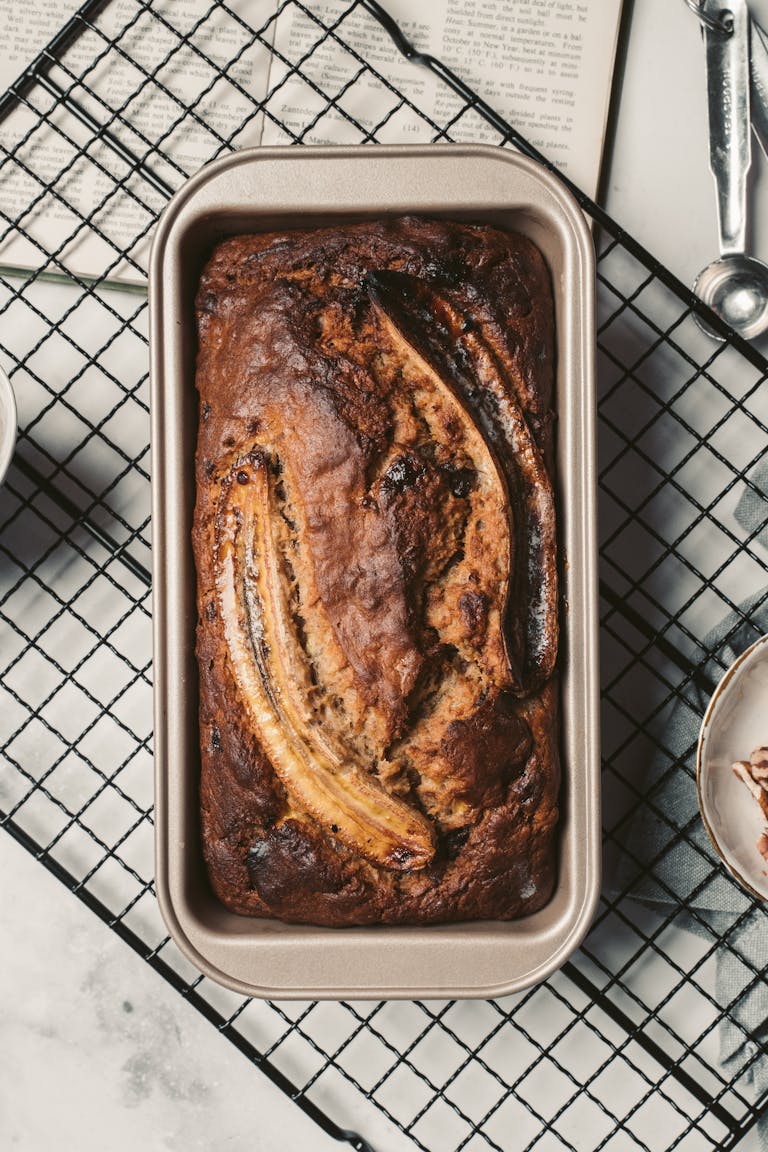
- Gluten-Free Chocolate Banana Bread
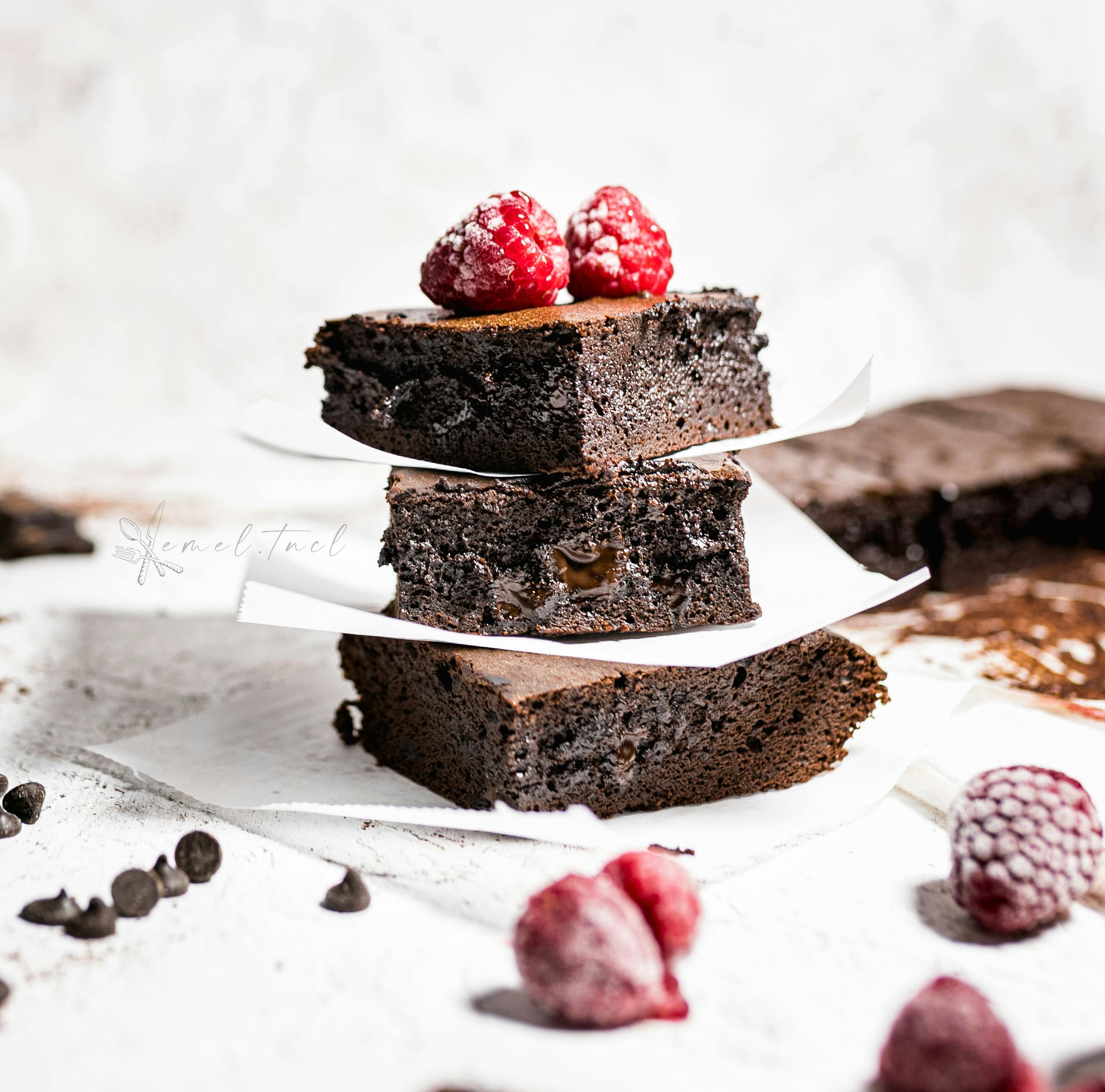
- Gluten-free brownies
Almond Meal (Unblanched):
- Skip the blanching.
- Blend whole raw almonds until you reach a fine, sandy consistency.
- Avoid over-blending to prevent nut butter.
Recipes Using Almond Meal:
- Almond meal banana bread
- Rustic apple and walnut cake
- Savory herbed almond crackers
- Spiced pear and almond upside-down cake
- Almond meal granola clusters
- Gluten-free carrot cake with almond meal
Almond Pulp:
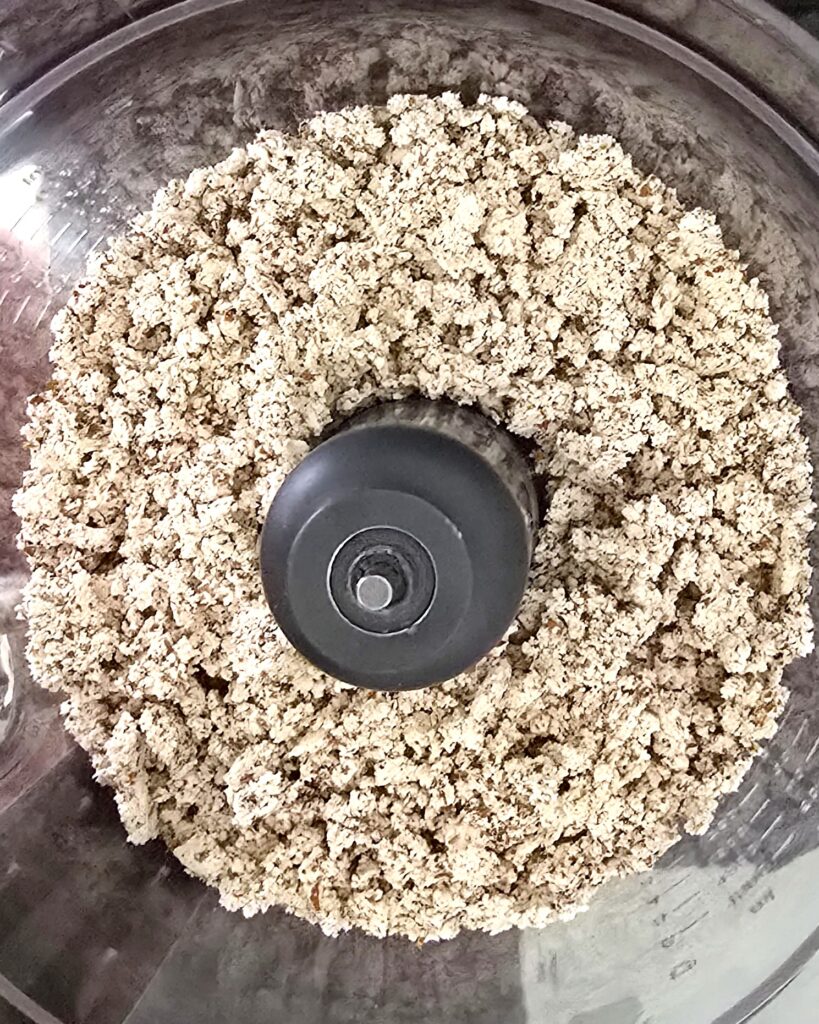
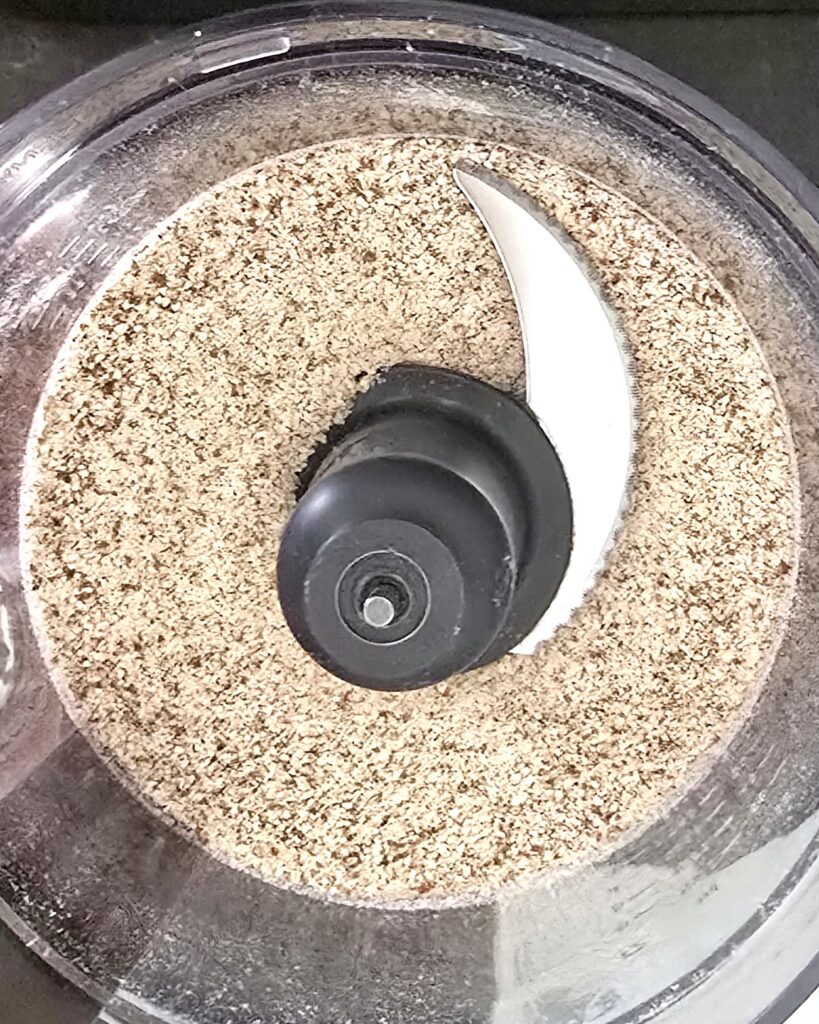
It is usually the remnants of Homemade Almond Milk. Simply keep them wet in the fridge or dry them in the oven, then blend them in a food processor to achieve a flour-like consistency.
Recipes Using Raw Almond Pulp:
How To Dry Almond Pulp for Flour Substitute:
Spread on a baking sheet and dehydrate at 80°C (200°F) for 2–2 1/2 hours or until fully dry.
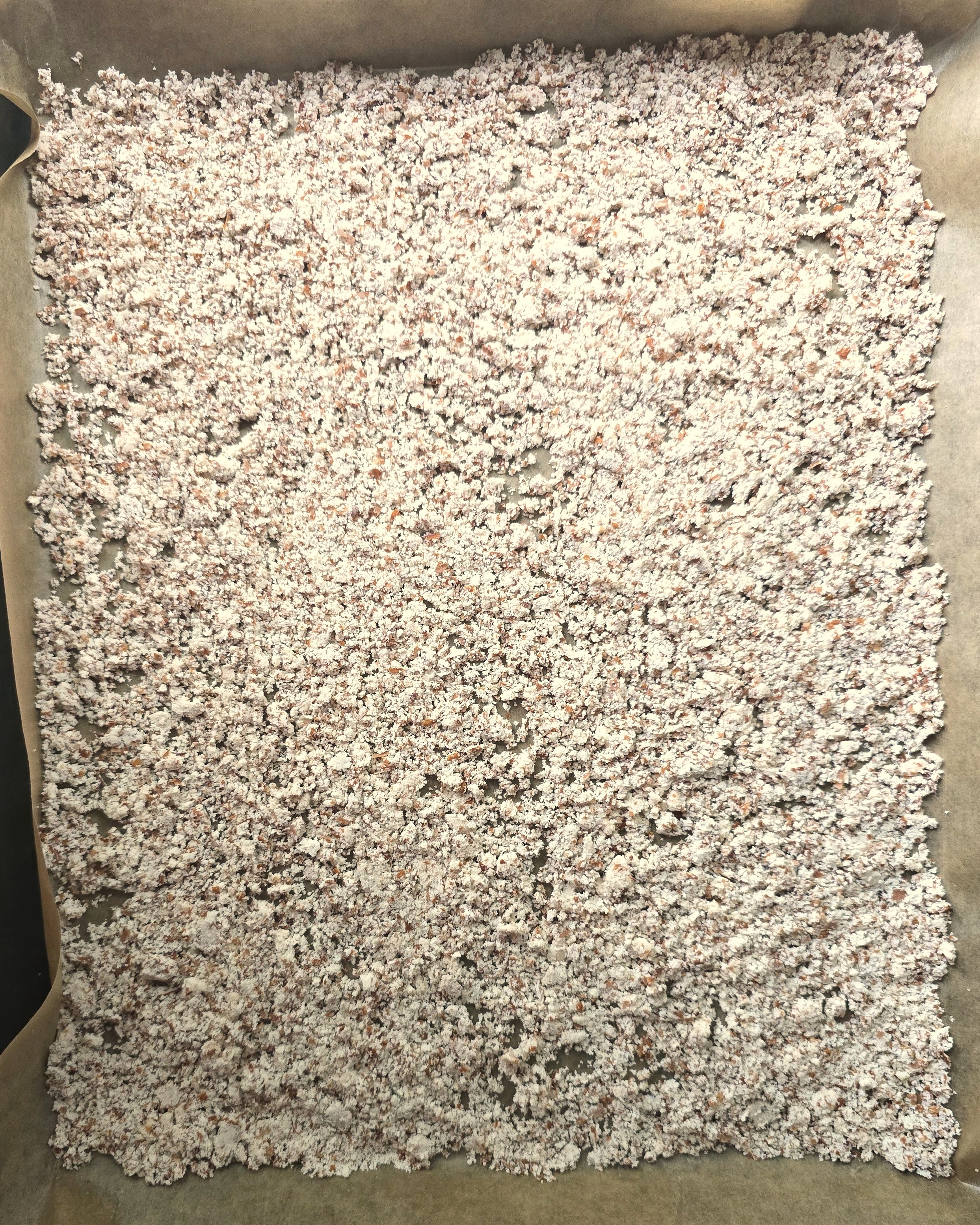
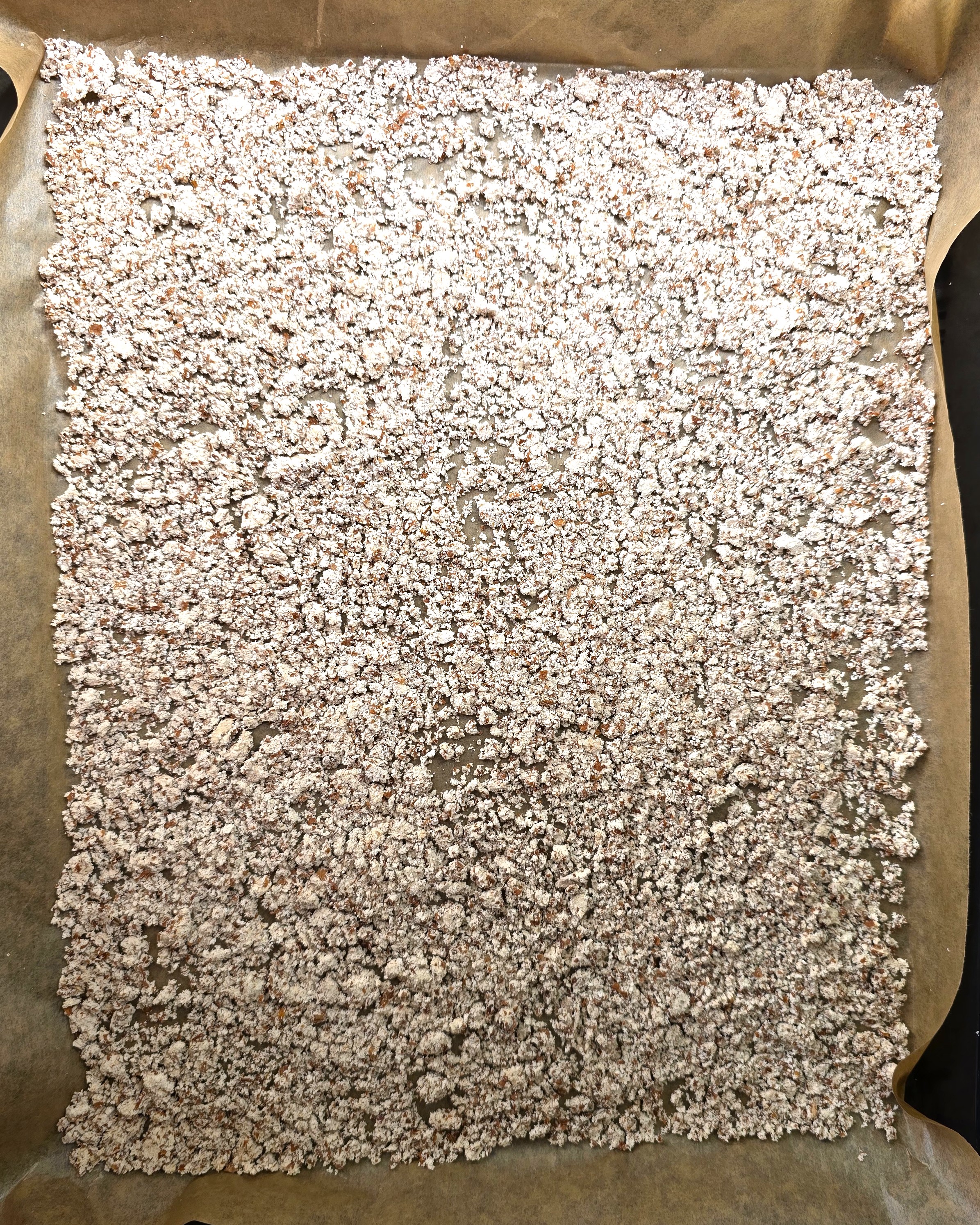
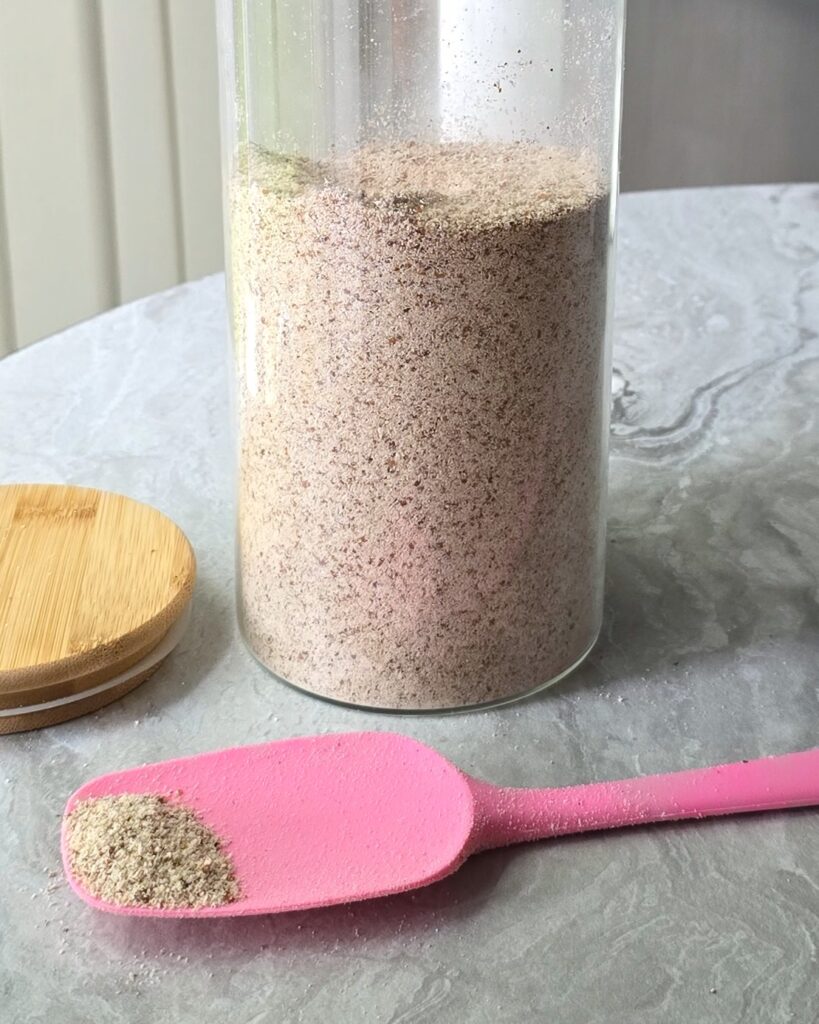
Step 2: Pulse in a food processor (or spice grinder) until flour-like. Store in an airtight container.
Recipes Using Dried Almond Pulp:
- Almond pulp porridge with dates and cinnamon
- No-bake almond pulp snack bars
- Almond pulp Chia yogurt truffles
- Gluten-free pulp crackers with herbs
- Almond pulp banana oat muffins
FAQ: Almond Flour, Meal & Pulp
1. Can I substitute almond meal for almond flour in baking?
Yes, but expect a coarser texture. Almond meal includes the skins, which can make baked goods denser and less delicate. It works best in rustic recipes, such as muffins, pancakes, or energy bars.
2. What’s the best way to store almond flour, meal, or pulp?
Keep almond flour and meal in an airtight container in the fridge or freezer to prevent rancidity. I would recommend using almond pulp within 2–3 days or freezing it in small portions for later use. It doesn’t last long in the fridge because of its high water content.
3. Is almond flour keto-friendly?
Yes! Almond flour is low in carbs and high in healthy fats and protein, making it a staple in keto baking. Just be mindful of portion sizes as it’s calorie-dense.
4. What can I do with leftover almond pulp?
Don’t toss it! Use almond pulp in crackers, veggie burgers, muffins, dips, or mix it into oatmeal for a fiber boost. You can also dry it and use it as a flour alternative.
5. Is it better to steam or boil almonds for making flour?
Steaming is gentler and helps preserve more nutrients compared to boiling, especially heat-sensitive vitamins like those in the B-complex group. Just ensure the almonds are thoroughly dried before grinding.
6. Can I make defatted almond flour at home?
Not easily. Defatted almond flour is a by-product of commercial almond oil production. You can mimic it slightly by drying out fresh almond pulp, but it won’t have the same protein or fat profile.
7. What’s the main difference in baking with defatted almond flour?
It’s much more absorbent and drier, so you’ll need to increase the liquids or fats and slightly reduce the quantity to avoid overly dry bakes.
In Conclusion
Every batch of almond milk you make at home gives you a free ingredient—almond pulp! Combined with the versatility of almond flour and almond meal, you can create an entire pantry of naturally gluten-free, wholesome recipes without a scrap of waste.
I’ve tested these recipes repeatedly to ensure they’re delicious, fool-proof, and aligned with my philosophy of eating joyfully and mindfully.
I’d love to hear your thoughts. Please leave your comment, favorite flour, and recipe. I can learn something new from you today!
Fancy a Freebie?
Subscribe to my newsletter
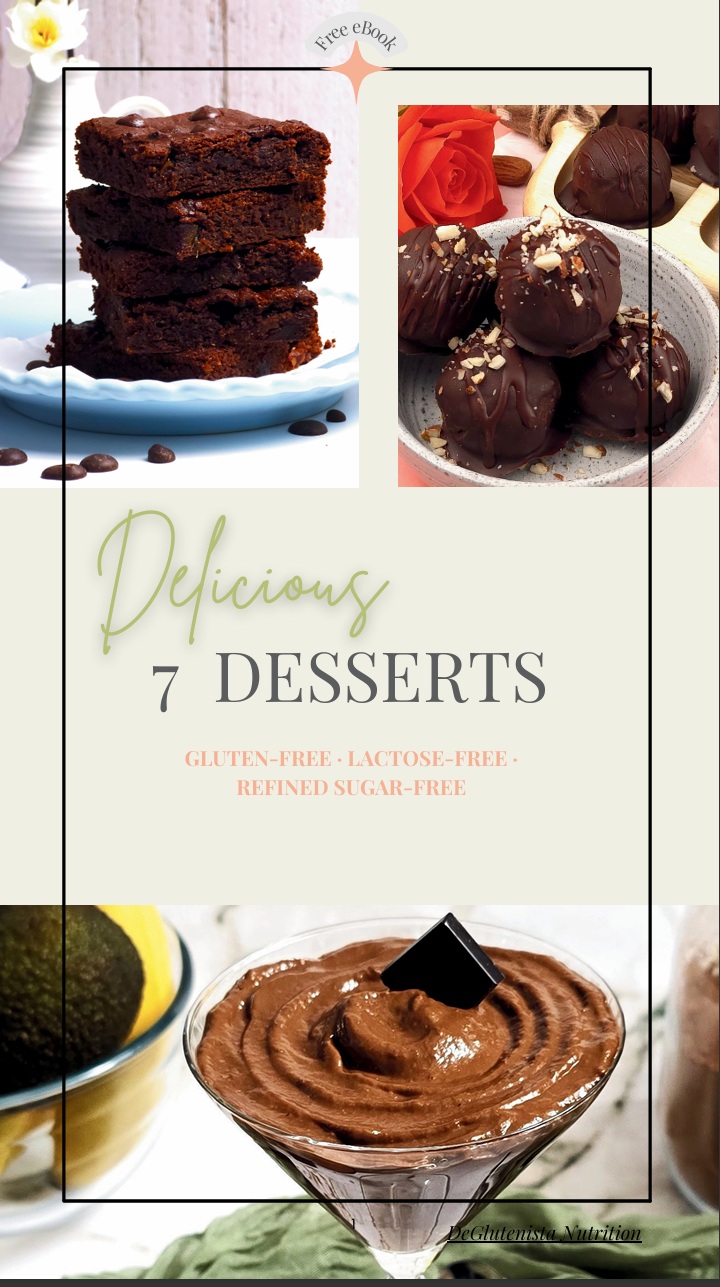
and get your FREE eBook with 7 delicious gluten-free desserts!
*We will only send you gluten-free, lactose-free, refined sugar-free emails; you can unsubscribe anytime. Read our Privacy & Cookie Policy.

About the Author: Dani
Gluten-Free Recipes | Gut Health | Metabolic Health
Hi! I’m Dani, a Human Nutrition graduate with a strong interest in gluten-free cooking, gut health, UPF-free, and whole-food living. Your visit means the world to me!
I share simple recipes, nutrition tips, lifestyle experiences, and insights into living with food intolerances.