


What is Lifestyle Medicine? The Powerful Truth Behind Your Daily Habits

After finishing my degree in Human Nutrition, I realized I’d uncovered a major piece of the health puzzle, but it was only part of the bigger picture. Nutrition alone can’t determine your health; other factors like physical activity, sleep, and stress management are life factors, and they all work together. Ok, let’s see: what is lifestyle medicine, and how can it help address the root causes of chronic illness?
Your body is the ultimate piece of organic hardware. Your DNA is the factory blueprint. For decades, we believed these factory settings were permanent, that if chronic illness ran in your family, you were simply locked into that fate.
Lifestyle medicine completely rewrote it. It views your daily choices not as moral “good habits,” but as biochemical software code. Every meal, every hour of sleep, and every stressful thought is a data point that tells your genes either to trigger inflammation or to switch on healing.
You might already think: How can my lifestyle affect my health? We have spent decades treating the human body like a fragmented machine, ignoring the fact that our daily habits act as direct epigenetic switches for our health. It is not “alternative” or “complementary” therapy; it is a highly rigorous, evidence-based clinical discipline that uses therapeutic, whole-person interventions as the primary tool to prevent, manage, and explicitly reverse chronic conditions. Sounds too ambitious? To understand why we desperately need this modern medical specialty, we first have to look at how our modern operating system crashed.

What Is Lifestyle Medicine: Quick Answer
Lifestyle medicine is an evidence-based approach to care that helps people make positive changes through personalized techniques. It focuses on boosting mental well-being, building social connections, encouraging healthy eating, promoting physical activity, improving sleep, and reducing harmful substances and behaviors.
The Hidden Cost of Convenience: How Modern Life Alters Our Biology
Human beings are wired to conserve energy. In the past, this kept us alive. Today, convenience has eliminated physical challenge entirely. We sit in cars, sit at desks, and use remote controls. Our muscles, bones, and metabolic pathways require physical resistance to stay healthy. Without that challenge, our biological hardware begins to atrophy.
Ultra-Processed Foods
Food is not only for energy but also for information. Our ancestors ate complex, fiber-rich, nutrient-dense foods. Today, our supermarkets are packed with ultra-processed foods designed for shelf life and hyperpalatability. These packaged foods strip away vital nutrients and flood the body with refined sugars and industrial oils. This isn’t just poor nutrition; it is corrupted biological data that triggers constant metabolic stress.
Modern Digital Overload
Historically, stress was acute; a short burst of adrenaline to escape a predator, followed by rest. Today, stress is a low-grade, unending background virus. Constant work emails, financial pressures, and news cycles keep our nervous systems trapped in a permanent “fight or flight” mode, slowly draining our immune defenses.
The Social Isolation
We are hardwired for tribal connection; it was a survival necessity. While technology keeps us constantly “connected,” it has simultaneously created unprecedented levels of physical social isolation. Loneliness triggers a biological alarm state in the body, increasing systemic inflammation and accelerating cellular aging.
What are the 6 Pillars of Lifestyle Medicine?
Lifestyle medicine provides the clinical framework to rewrite this corrupted daily code. It targets six foundational areas, using them as therapeutic interventions to optimize your biological software.
1. Whole Food Nutrition
In the traditional way, dietary advice is often reduced to a restrictive, cold equation: “eat less and count your calories.” If you have ever tried a restrictive fad diet, you know how unsustainable that software patch is.
Lifestyle medicine approaches nutrition from a completely different biological angle, shifting the focus entirely toward a whole-food, plant-predominant dietary pattern. This is the official consensus of global academic bodies.
When you treat food as complex data rather than just numbers, you realize that understanding why the food matrix is the cornerstone of preventive nutrition is everything. We don’t just consume isolated vitamins or macros; we eat a physical, chemical architecture of whole foods.
Grasping whether the food matrix is the overlooked factor in nutrition is the ultimate game-changer for your body’s software. When we rely heavily on modern manufacturing, the danger is that the food’s natural scaffolding is destroyed. Knowing what ultra-processed foods are and how to spot them allows you to understand how modern manufacturing creates an acellular slurry that floods our metabolism too quickly and leaves our internal satiety brakes completely defenseless.
2. Regular Physical Activity

Instead of intense, exhausting gym regimes that lead to quick burnout, this pillar treats movement as a metabolic reboot. Consistent physical activity makes your insulin receptors highly sensitive, helping your cells clear glucose from your blood and protecting your cardiovascular system.
3. Restorative Sleep Hygiene
Sleep is your body’s nightly data defragmentation and system clean-up. Deep, restorative sleep resets hormonal balances, directly affecting everything from daytime insulin resistance to emotional resilience.

4. Stress Management Techniques
As mentioned above, modern daily pressures keep our nervous systems in a permanent state of alert, which actively accelerates cellular aging. In my deep dive into Dr. David Sinclair’s work, I discussed how chronic environmental pressures disrupt our cellular resilience; you can read my full Lifespan book review to see how daily habits influence our cellular longevity. Lifestyle medicine utilizes evidence-based mind-body practices to intentionally flip the switch back to “rest and digest,” protecting our biological hardware from premature wear and tear.
5. Healthy Social Connections

Having real-world, meaningful relationships provides a powerful biological safety signal that lowers cortisol and improves long-term health outcomes. Positive social interactions actively reduce systemic inflammation.
6. Avoidance of Risky Substances
This pillar focuses on identifying and clearing out system malware. Eliminating tobacco and significantly reducing toxic loads from excessive alcohol or vaping unburdens the liver and cellular DNA, letting your natural repair mechanisms function at full capacity.

Your First Steps: Lifestyle Modifications for Prevention of Chronic Disease
Because this is a long-term lifestyle shift and not a temporary crash diet, trying to change all your software code overnight will cause a system crash. Here are four simple, grounded baseline code updates to start with:
Add, Don’t Give Up: Instead of cutting out your favorite foods, focus on adding one extra portion of whole vegetables or legumes to your lunch and dinner every day.
The 10-Minute Movement Rule: Do not worry about intense gym regimes yet. Simply commit to a brisk 10-minute walk after your heaviest meal of the day to help clear glucose.
Create a Digital Curfew: Disconnect from your phone and all screens 45 minutes before bed to allow your brain to naturally produce melatonin for deeper sleep.
The Daily Check-In: Reach out to one friend or family member each day by phone or in person. Speak with tem, making real-voice interaction over text messages.
What is Next?
My decision to pursue my MSc in Lifestyle Medicine comes from a deep belief that our current nutritional guidelines and medical strategies must evolve. We cannot solve a lifestyle-driven global chronic health crisis with pharmaceutical patches alone.
Over the coming months, I will be pulling back the curtain on my university research. I will show you exactly how we can use the physics of the food matrix, behavioral habit loops, and lifestyle interventions to safely reverse metabolic confusion, protect our gut microbiome, and heal our relationships with our bodies.
It is time to stop playing a defensive game of tracking symptoms. It’s time to step into nature’s original design for health.
FAQs
Is lifestyle medicine a recognized medical specialty?
Yes, it is a fully recognized, global medical specialty. Organizations like the British Society of Lifestyle Medicine (BSLM) and the American College of Lifestyle Medicine (ACLM) set clinical standards, offer board certifications, and advocate for their use within mainstream health services like the NHS. It is taught at a postgraduate university level (such as MSc programs) to practicing healthcare professionals and scientists.
Is lifestyle medicine considered alternative medicine?
No, it is entirely distinct from alternative, holistic, or functional medicine. Alternative medicine often replaces standard care with unproven treatments, while functional medicine heavily relies on complex private testing and commercial supplements. In contrast, lifestyle medicine is strictly evidence-based. It only uses peer-reviewed, scientifically proven lifestyle interventions and is designed to work seamlessly alongside regular medical therapies and traditional clinical prescriptions.
What does a consultation look like?
A typical appointment with a certified clinician is completely different from a standard, rushed ten-minute doctor’s visit. Because behavioral change takes time, initial consultations are much longer, often 30 to 60 minutes. The clinician will take a deep dive into your daily environment, sleep habits, stress levels, and dietary patterns. Instead of just giving instructions, they use tools like motivational interviewing and health coaching to co-create a realistic, step-by-step health plan with you.
Can it be used alongside regular prescription medications?
Absolutely. It is a partnership, not an either/or choice. If someone is prescribed medication for a condition like high blood pressure, lifestyle interventions are introduced to support that treatment, not fight it. Improving your diet, movement, and sleep often makes conventional medications work much more effectively. Over time, as your body’s health improves, your regular doctor may evaluate whether it is safe to gradually reduce your dosages.
Can nutritionists or coaches practice lifestyle medicine?
While only licensed doctors can prescribe medications or diagnose diseases, the practice of lifestyle medicine is highly interdisciplinary. Registered nutritionists, dietitians, physiotherapists, and certified health coaches undergo specialized training to work alongside doctors. They play a massive role in the healthcare team by guiding patients through the daily practicalities of changing their food habits and active routines
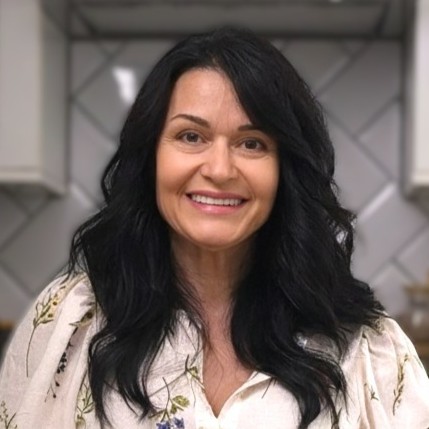


About the Author: Dani
Integrative nutritionist | BSc (Hons) Human Nutrition | Metabolic and gut Health
Hi! I’m Dani, BSc (Hons) Human Nutrition with a strong interest in lifestyle medicine, gut health, metabolic health, UPF-free, whole-food, and gluten-free cooking. Your visit means the world to me!
I share simple recipes, nutrition tips, lifestyle experiences, and insights into living with food intolerances.