
Revealing the Secrets of the Scalp Microbiome

Have you ever wondered why your scalp feels differently when you change your environment? Like when you are away on holiday, or when you are stressing about your assessments, a massive job interview, or taking care of a sick child? This happens because your hair roots are deeply connected to your nervous system, your emotions, and your external surroundings through an invisible community of living microbes. Just like your digestive system, your hair roots have their own community of invisible scalp bacteria and yeasts known as the hair and scalp microbiome.
When these tiny bugs are in perfect balance, they act as a protective shield. They control your hair oils, fight off bad germs, and keep your skin barrier calm. However, when life gets overwhelming or your surroundings change, this system breaks down and triggers chronic scalp inflammation. If you want to stop hair thinning and boost hair growth, you have to understand how your daily habits and environment affect this microscopic ecosystem.
What Is the Scalp Microbiome and Why Is It Unique?
Deep inside your hair follicles sits a delicate balance of microbes. Its unique environment is shaped by sebum, moisture, and acidic pH. These microbes, like bacteria and fungi, can influence scalp conditions through processes like biofilm formation and interaction with the immune system. The two main groups are bacteria (primarily Cutibacterium acnes and Staphylococcus) and a specific family of oil-loving yeasts called Malassezia.
In a healthy environment, these microbes live in total harmony. The bacteria feed on the natural sebum (oil) produced by your skin glands and break it down into beneficial fatty acids. These fatty acids form an “acid mantle” on your scalp: an invisible, slightly acidic layer that keeps your skin barrier intact and prevents dangerous pathogens from taking root. Ok, but why is this needed for our bodies?
The Scalp Microbiome Purpose: The “Living Shield” Against Pathogens
Firstly, let’s find out why we have a scalp microbiome at all. From an evolutionary perspective, the hair follicle is a massive vulnerability. It creates an opening that punctures deep through the protective epidermis and down into the dermis.
- The Symbiotic Trade: Early humans had no shampoos. To protect these vulnerable entry points from deadly external pathogens, our bodies struck an evolutionary deal. We provided resident microbes (Cutibacterium acnes and Staphylococcus epidermidis) with a steady food source of lipids and warmth. In exchange, these microbes formed a tightly packed, living microbial biofilm. This physical wall completely crowds out harmful, invasive pathogens through a process called competitive exclusion.
The Evolutionary “Why”: Naked Primates with Heavy Head Hair
Humans are entirely unique among primates. We are essentially “naked apes,” having traded a full body of thick fur for bare skin to maximize sweat evaporation and cool our bodies while running. However, evolution intentionally kept dense, terminal hair on our heads, and it is not to keep the hairdressers and barbers busy.
- The Microbe Weather Station: Head hair evolved to shield our massive, complex brains from intense solar radiation and extreme heat. Because of this, the human scalp became an ultra-dense forest containing roughly 100,000 hair follicles and 180,000 sebaceous glands. This density traps sweat and body heat. It creates a highly specific, humid, and tropical microenvironment found nowhere else on the human body. The scalp microbiome evolved to thrive exclusively in this unique, high-lipid tropical canopy.
The Nutritional/Chemical Angle: Why We Secreted Sebum
Unlike most mammals whose skin glands secrete a watery, protein-based fluid, human sebaceous glands secrete sebum, a specialized cocktail rich in triglycerides, wax esters, and squalene.
- Microbes as Natural Chemists: Humans cannot digest or break down these complex lipids on the skin surface on our own. We evolved a host-microbe partnership: when C. acnes and S. epidermidis eat our sebum, they break those lipids down into short-chain fatty acids. These acids chemically create our “acid mantle”, which lowers the scalp’s pH to a protective 5.0 to 6.0. This acidity prevents the hair follicle from rotting or succumbing to fungal infections in its humid environment.
The Modern Disconnect: Why We Still Need to Wash Our Hair
It is incredibly tempting to look at evolutionary history and think, “If early humans never washed their hair and had a thriving ecosystem, why can’t I just stop washing mine?” The “no-poo” or zero-wash movement relies heavily on this evolutionary romanticism. However, as a nutritionist and former hairdresser, I can tell you that trying to replicate ancestral hair habits in the 21st century is a recipe for scalp dysbiosis, severe inflammation, and premature hair shedding.
Ok, our ancestors lived in a completely different world, and their biological baseline was fundamentally distinct from ours. Three major modern realities make regular, gentle washing absolutely non-negotiable for protecting the modern scalp microbiome:
The Diet Shift
Our ancestors survived on a seasonal, nutrient-dense diet consisting of wild plants, lean meats, and whole-food matrices. They did not consume refined sugars, industrial seed oils, or ultra-processed foods. Today, the modern high-glycemic diet triggers chronic spikes in insulin and androgen hormones. This pushes our sebaceous glands into overdrive, causing them to flood the scalp with an aggressive, constant supply of excess oil.
When you leave your hair unwashed for a long time, you aren’t leaving a normal, balanced layer of protective oil: you are leaving an unnatural, hyper-greasy buffet that triggers a massive, rapid overgrowth of opportunistic yeast like Malassezia.
The Environment
Early humans breathed pristine air. Modern urban environments are filled with airborne pollutants, including heavy metals, polycyclic aromatic hydrocarbons (PAHs), and fine particulate matter from vehicle emissions. These microscopic pollution particles are highly lipophilic, meaning they love fat.
When you walk down a city street, your oily roots act like a physical magnet, trapping these harsh toxic particles directly against your skin surface. If left unwashed, this pollution cocktail reacts with your sebum through a process called lipid peroxidation. This creates highly toxic, oxidized compounds that trigger intense oxidative stress, inflame the hair follicles, and actively degrade the skin barrier supporting your scalp microbiome.
The “Oily Roots, Dry Ends”
Our ancestors also had short, coarse, or highly protective hairstyles, and they mechanically groomed their scalps daily using rough wooden or bone combs, which evenly distributed sebum down the hair lengths. Modern styling habits leave us with long hair lengths that suffer from dry ends, while our roots become trapped in a hyper-humid, untouched microenvironment.
If we do not wash away the modern build-up of overproduced oils, dead skin cells, and city grime, this debris forms an occlusive, suffocating microfilm over the hair follicles. This blocks oxygen, alters the local skin pH, and causes your defensive bacteria to die off, leaving your scalp vulnerable to painful itching, flakes, and hair thinning.
So, we simply cannot use Paleolithic hygiene rules in a post-industrial world. The goal of modern hair care shouldn’t be to avoid washing altogether. Instead, we must use targeted inside-out nutrition to regulate our internal oil production, paired with outside-in, professional-approved products that cleanse away toxic modern build-up without hurting the delicate, defensive layers of our scalp microbiome.
How Lifestyle and Environment Affect Your Skin Barrier
Your daily lifestyle habits act as the immediate control switch for your scalp environment, which is why your head feels so reactive during times of transition or stress.
- Chronic Stress and Big Events: When you are pacing the floor, stressing about an interview, a sick relative, or an upcoming exam, your body releases high amounts of the hormone cortisol. Cortisol weakens your skin barrier and slows cell renewal. On your scalp, this compromised barrier allows external irritants to penetrate deeper, turning a mild bacterial imbalance into an intensely itchy, hair-shedding inflammatory flare.
- Changing Your Environment: When you go on holiday or travel to a new city, your scalp is suddenly exposed to completely different water hardness levels, UV radiation, and humidity. Hard water minerals like calcium and magnesium bind to your scalp, throwing off its natural pH and disrupting the friendly bacteria that keep the skin calm.
- Poor Sleep: Your hair follicles rely on melatonin, the sleep hormone, to protect themselves from cellular aging and environmental stress. Melatonin is a powerful antioxidant that helps maintain a calm environment for your hair roots. Missing out on deep sleep deprives your scalp of this natural protection, leaving your microbiome incredibly vulnerable to yeast overgrowth.
How Hair Care Influences Your Scalp Microbiome
Your regular washing habits are the quickest way to alter your hair and scalp microbiome.
- The Sulfates: Most commercial shampoos rely on harsh, industrial surfactants like Sodium Lauryl Sulfate (SLS). These ingredients are designed to strip away grease, but they act like a nuclear option on your scalp. They wash away the beneficial lipids and fatty acids that your friendly bacteria create. Without this protective oil layer, your skin barrier cracks, and bad yeasts take over.
- The Over-Washing: When you strip your scalp’s natural oils every single day, your body panics and goes into hyper-drive, producing even more sebum to compensate. This excess oil acts as an all-you-can-eat buffet for Malassezia yeast. The yeast multiplies rapidly, causing dandruff, severe itchiness, and intense scalp inflammation at the root site.
- Product Build-Up: Heavy silicones, styling waxes, and dry shampoos suffocate the hair follicle openings. This creates an oxygen-free environment beneath the skin surface, which allows anaerobic bacteria to multiply uncontrollably, leading to painful follicular bumps and weakened hair structures.
How Diet Influences the Scalp Microbiome
So, let’s talk about nutrition. We often treat our hair like a silk blouse, focusing purely on how we wash, brush, and style it from the outside. But your scalp microbiome is a living ecosystem embedded in your skin. Just like a garden, the health of the soil dictates what grows on top.
But every single day, the food choices you make travel through your bloodstream to alter the chemical environment of your scalp, directly influencing which microbes thrive and which ones cause trouble. What you eat doesn’t just affect your gut; it changes the chemical composition of your scalp oil, which directly alters your scalp bacteria.
The Food Matrix Connection
To understand how diet alters your scalp microbiome, we have to look at sebum. During my hairdressing career, I’ve observed clients complaining and genuinely wanting to get rid of this sebum, even in 1-2 days, as if it were dirt. The reality is a bit different.
Sebum is the natural oil produced by your sebaceous glands, and it serves as the primary food source for your resident microbes. But when you eat unbalanced ultra-processed foods, you get a rapid flood of isolated nutrients that can spike hormones like insulin, triggering an overproduction of greasy, low-quality sebum. Then your scalp and hair feel oily and dirty. The case with oily roots and dry ends is exactly somewhere there.
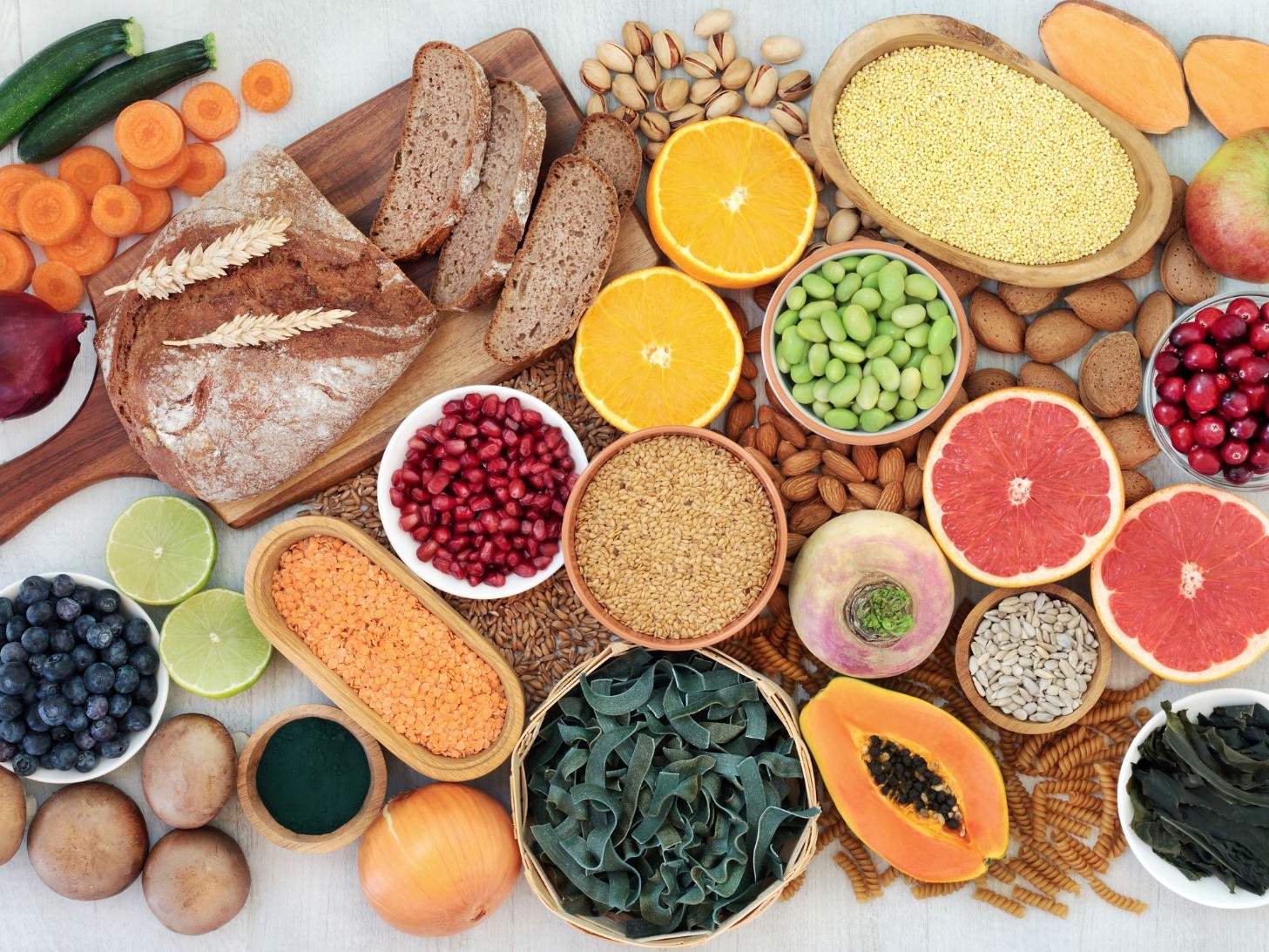
But it could be managed. If you haven’t heard about the food matrix, I’ll tell you about it now. The physical and chemical structure of whole foods, whether it is a fruit, a bowl of oats, or a piece of fish, naturally slows down how your body processes nutrients. This steady nutrient delivery prevents biochemical spikes. Instead of triggering an oil explosion that overfeeds opportunistic yeast, a whole-food matrix provides a steady, controlled stream of micronutrients that keeps your sebum production stable, high-quality, and protective.
Zinc, Vitamin A, and Essential Fatty Acids as Microbial Fuel
If you want to intentionally change the environment of your scalp microbiome, you need to target the specific cellular building blocks that control scalp skin health. Three heavy-hitters do the heavy lifting from the inside out:
- Zinc: This mineral acts as a natural brake for your sebaceous glands. It regulates cellular turnover and helps control sebum production, so your scalp microbiome isn’t drowning in excess oil. Excellent matrix sources include pumpkin seeds, shellfish, and lentils.
- Vitamin A: Crucial for skin tissue maintenance, Vitamin A ensures your scalp cells shed normally rather than clumping together with oil to form flakes. You can get this through retinoids in eggs and dairy, or carotenoids in sweet potatoes and carrots.
- Essential Fatty Acids (Omega-3s): These healthy fats keep the sebum fluid and highly anti-inflammatory. Instead of thick, sticky oil that suffocates microbes, Omega-3s from oily fish, walnuts, and chia seeds help create a light, breathable barrier that keeps the ecosystem balanced.
When choosing wholesome foods, you change the “food source” for your scalp. This helps shift your scalp’s microbiome away from inflammatory flaking and toward a calm, resilient state.
What A Hairdresser Recommends: My Curated Product Picks
Over my 33 years working behind the chair, I have watched countless clients destroy their hair and scalp microbiome before they even finish rinsing. If you want to stop hair thinning, you have to stop stripping your skin.
As an ex-hairdresser and nutritionist, I have vetted dozens of scalp products for safety, pH balance, and ingredient purity. To see my full list of approved shampoos, serums, and oils, and how to choose the right one for your hair type- explore my [Scalp Microbiome Product Directory & Shopping Guide →]

FAQs
Can an unbalanced scalp microbiome cause hair loss?
Yes, an unbalanced scalp microbiome can directly contribute to premature hair shedding and thinning. When opportunistic microbes like Malassezia yeast overgrow, they breach the protective skin barrier and trigger chronic localized inflammation around the hair follicle. This inflammatory response stresses the hair root, disrupting the natural anagen (growth) phase and pushing follicles prematurely into the telogen (shedding) phase. Protecting your root ecosystem from the inside out is essential for preventing inflammation-induced hair loss.
Does hard water damage the scalp microbiome?
Yes. Hard water coats your head in a waxy mineral buildup that breaks down your skin’s protective acid mantle. Because your good bacteria need an acidic environment to survive, this mineral layer suffocates them and lets irritating fungi take over.
Can sleeping with wet hair alter your scalp microbiome?
Absolutely. When you sleep on damp hair, your body heat turns your pillowcase into a warm, humid incubator. The resident yeast on your head thrives in this moisture, leading to a sudden overgrowth that triggers instant itching and flakes.
Do some hairstyles affect the scalp’s ecosystem?
They do. Tight braids, extensions, and weaves trap sweat and oil right at the roots while blocking proper airflow. This buildup suffocates your good microbes, alters your pH, and often causes localized inflammation and tenderness.
Why does dandruff return after stopping medicated shampoos?
Because medicated shampoos act like a scorched-earth policy; they kill the bad yeast, but they wipe out your good, protective bacteria too. Once you stop, you are left with a completely bare, unprotected skin barrier. The yeast simply moves back into a vacant home and multiplies even faster.
To break this visious circle, you have to stop relying solely on a bottle. A medicated shampoo is just a temporary tool. To actually fix the root cause, you need to upgrade your diet. Feeding your body real, whole foods regulates your oil quality from the inside, stripping that pesky yeast of its food source so your scalp can heal for good.
Can coloring your hair kill your scalp’s helpful bacteria?
Yes, salon chemical treatments like bleach and permanent dyes are highly alkaline. When they touch your skin, they strip away your protective oils and wash out your living microbial shield, which is why your scalp often feels tight, itchy, and dry after a color appointment.
The Ultimate Balance: Food, Products, and Great Hair
I know this is quite a long post, but I will continue with other pieces about hair. And at the end of the day, again, everything about the scalp microbiome comes down to balance. We need to stop treating our hair with quick cosmetic fixes and start looking at the bigger biological picture. As both a nutritionist and an ex-hairdresser, I know for a fact that gorgeous hair doesn’t come from a bottle (it helps though). But it mainly grows from a healthy root ecosystem.
When you use real, whole foods to fix your oil quality from the inside, and choose gentle, pH-balanced products that protect your skin from the outside, you finally work with nature. Treat your scalp like living skin, and your hair will thank you with strength, bounce, and a natural shine.
Hope you enjoyed this and find it helpful!