
Fermentation Benefits: A Gift From Nature We Somehow Forgot

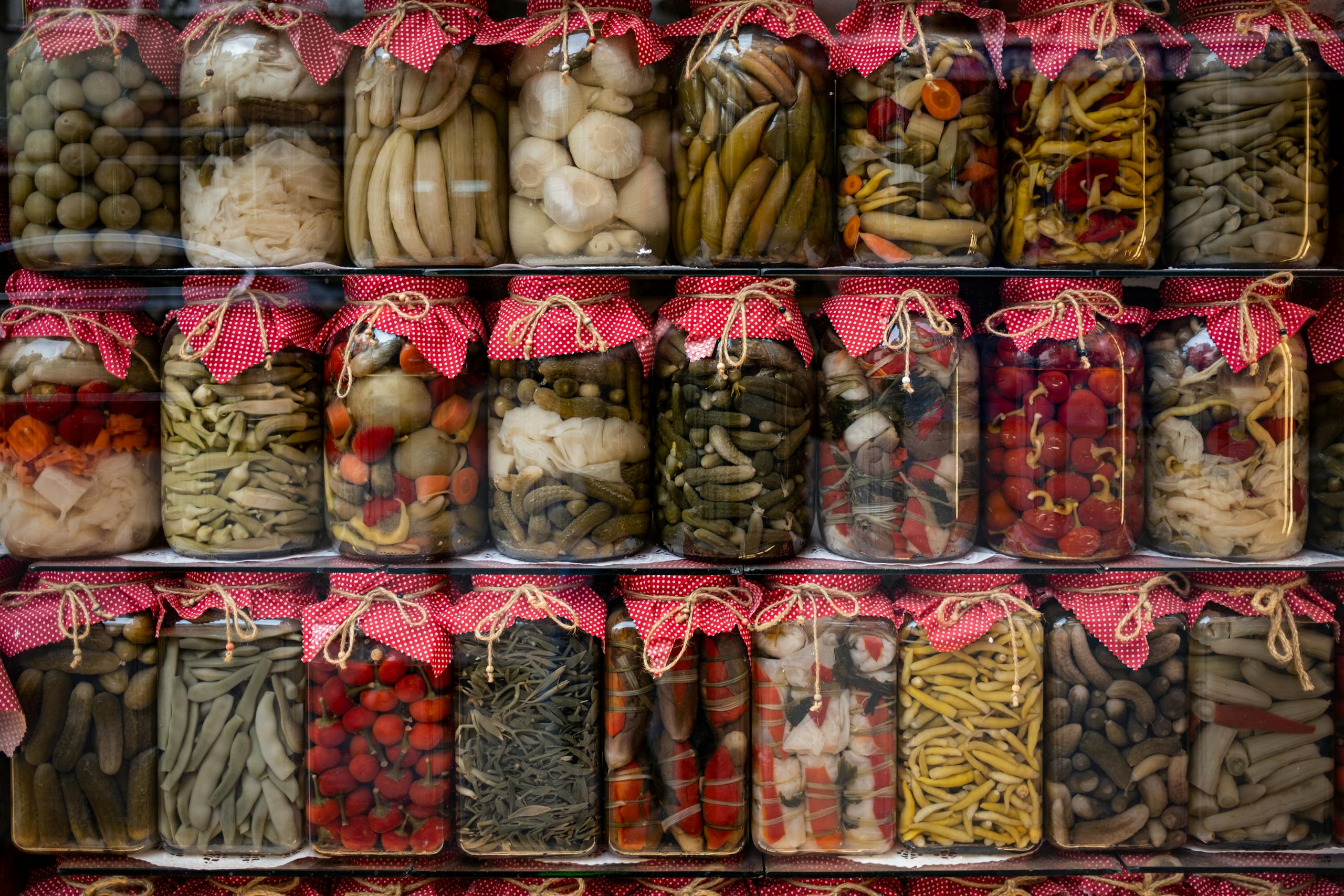
Fermentation benefits were somehow forgotten, neglected, and buried under the comfort of packaged food. And now they are having their renaissance. Fermenting food has existed for thousands of years, working in every kitchen on earth, and we are only just rediscovering it.
I used to hate sauerkraut. The smell, the texture, the whole idea of it. Something changed along the way, and now I make my own, keep it on my counter next to the kvass and the fermented carrots, and eat it almost every day. That bubbling jar was doing something remarkable. And what it was doing was feeding a kingdom.
Think of your gut microbiome as a living kingdom. Trillions of inhabitants, each with a role: some break down food, others train the immune system, some produce vitamins, others guard the gut wall. It’s an entire civilization running in the background, keeping you well. But the population shifts constantly. Some inhabitants leave every day, either replaced by new arrivals or not. The quality of the microorganisms that move in depends almost entirely on how you live, what you eat, and your metabolic health.
These inhabitants are your helpers, your guards, your builders. They deserve to be looked after. Fermented foods are among the oldest and most direct ways to keep the kingdom well-inhabited.
This post may contain affiliate links. If you make a purchase through these links, I may earn a small commission at no extra cost to you. I only recommend products I personally use and trust. Thank you for your support!
What Is Fermentation?
Every plant cell is built like a locked vault. The nutrients are inside: minerals, vitamins, antioxidants, and amino acids. The walls are made of cellulose, a structure the human digestive system breaks down poorly, if at all. On top of that, most plant foods contain phytic acid, a compound that binds to iron, zinc, and calcium so tightly that your intestines simply pass them by.
For example, cows deal with this effortlessly. Multiple stomachs, the right enzymes, plenty of time. We have none of that. What we can do, if we’re paying attention, is cooking, processing food, and fermenting.
When lactic acid bacteria get to work, they produce enzymes that physically break open those cellulose walls. The lactic acid they produce lowers the food’s pH, forcing phytic acid to release the minerals it holds. With cellulose structures broken down and phytic acid unbound, the intestines can absorb minerals from fermented plant foods at significantly higher rates than from their unfermented counterparts. The same carrot, fermented, delivers more bioavailable iron and zinc than the one you eat raw. The bacteria did the work your stomach couldn’t.
What Our Bacterial Allies Actually Do for Us
Fermentation actually breaks down the cell walls to liberate phenolic compounds and antioxidants that were physically bound to the plant structure, compounds your body had no way of accessing before.
But here’s the part that genuinely surprised me when I first read it: the bacteria don’t just unlock what was already there. They produce new compounds in the process. B vitamins, including vitamin B12, folate, and riboflavin, are generated as byproducts of bacterial metabolism.
The bacteria create vitamin C and certain B vitamins as by-products of their metabolism, which is why sauerkraut was used to prevent scurvy on long sailing voyages centuries before anyone understood what vitamin C was. The sailors didn’t know the science. They knew the jar worked.
🍋 Did You Know?
The Italian word for a grumpy, irritable man was scorbutico. When sailors developed scurvy, the pain and the biochemical effect of vitamin C deficiency on mood made them exactly that. Scorbutico became scorbutus, the Latin medical name for the disease. And when scientists finally identified the compound that cured it, they named it ascorbic acid: literally “anti-scorbutic.” Vitamin C was named after the grumpy man. The sauerkraut barrel on those ships was, unknowingly, carrying the cure.
An international panel defines fermented foods as “foods made through desired microbial growth and enzymatic conversions of food components.” A more honest description: the bacteria unlock what the plant was keeping to itself and then add their own contribution on top of it. It’s the reason cabbage becomes sauerkraut, milk turns into yogurt, and tea becomes kombucha. The ingredient stays the same. Its relationship with your gut changes entirely.
Humans figured this out thousands of years ago without a single lab or peer-reviewed paper. The fermentation benefits were real and repeatable long before anyone had a word for lactic acid bacteria. The bacteria were the kingdom’s locksmiths all along. We just forgot to invite them in.
Fermented Foods Around the World
Fermentation takes many shapes and flavors across cultures. It’s one of the few culinary arts that connects every corner of the globe, and every tradition has found its own way to the same discovery.
Europe
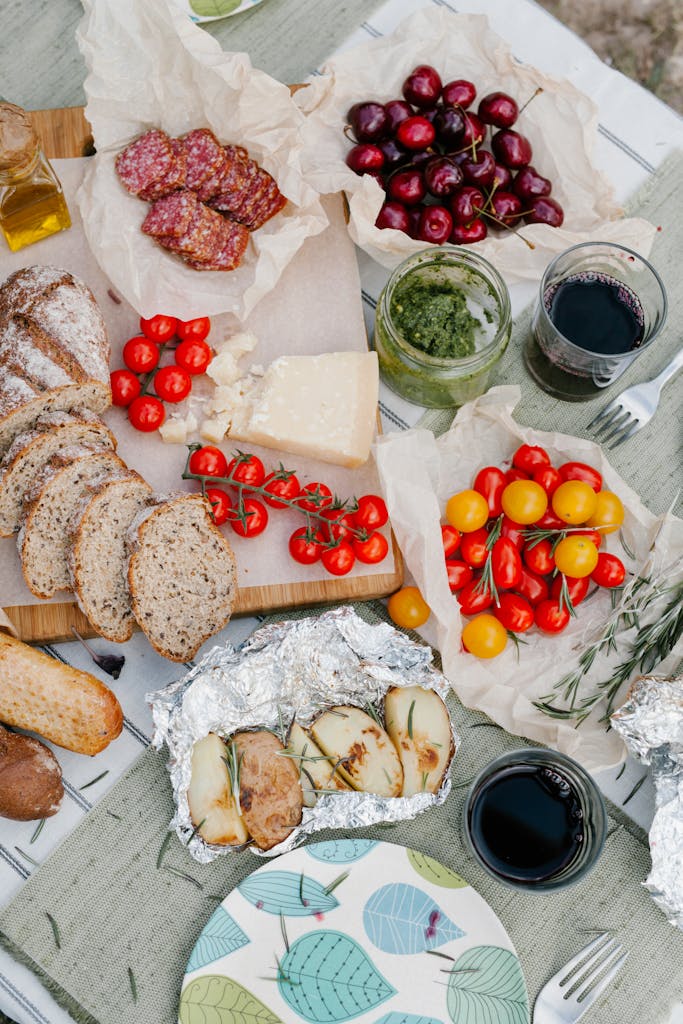
In Europe, cheeses, yogurt, sourdough bread, sauerkraut, and wine are perhaps the most iconic examples. Each relies on naturally occurring microorganisms, such as lactic acid bacteria, yeasts, or molds, to transform raw ingredients into foods that are preserved, richer in flavor, and more nutritious than they were.
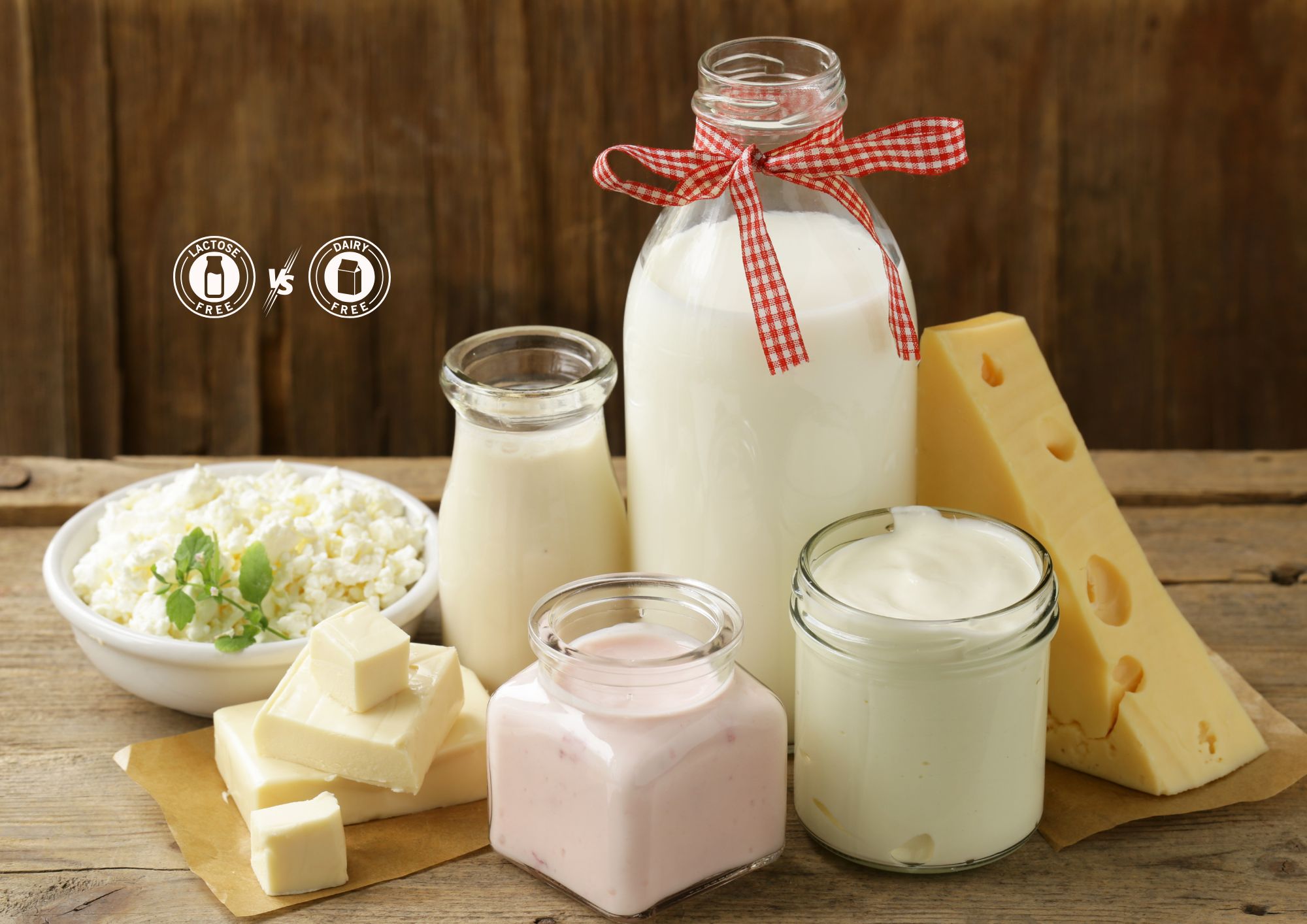
Interestingly, the longer a cheese ferments, the less lactose it contains. The bacteria and enzymes gradually break down lactose into simpler sugars, which is why many people who are lactose-sensitive can enjoy mature varieties such as cheddar or parmesan without discomfort. And not only that, but how fermented dairy affects gut health specifically goes beyond general gut support.
If you’re not sure whether you’re dealing with lactose intolerance or a dairy allergy, the distinction matters more than most people realize: I covered it in detail in Lactose Intolerance vs Dairy Allergy: What is the Difference.
Studies show that lactose intolerance varies widely by geographic region. Populations that have relied on dairy for millennia, such as those in Northern and Central Europe, have developed a higher prevalence of lactase persistence: the ability to digest lactose into adulthood.
In many parts of East Asia, West Africa, and Indigenous communities in the Americas, where dairy was not a traditional dietary staple, lactose intolerance remains far more common. It’s a striking example of how human genetics have adapted to regional food environments over generations.
Asia
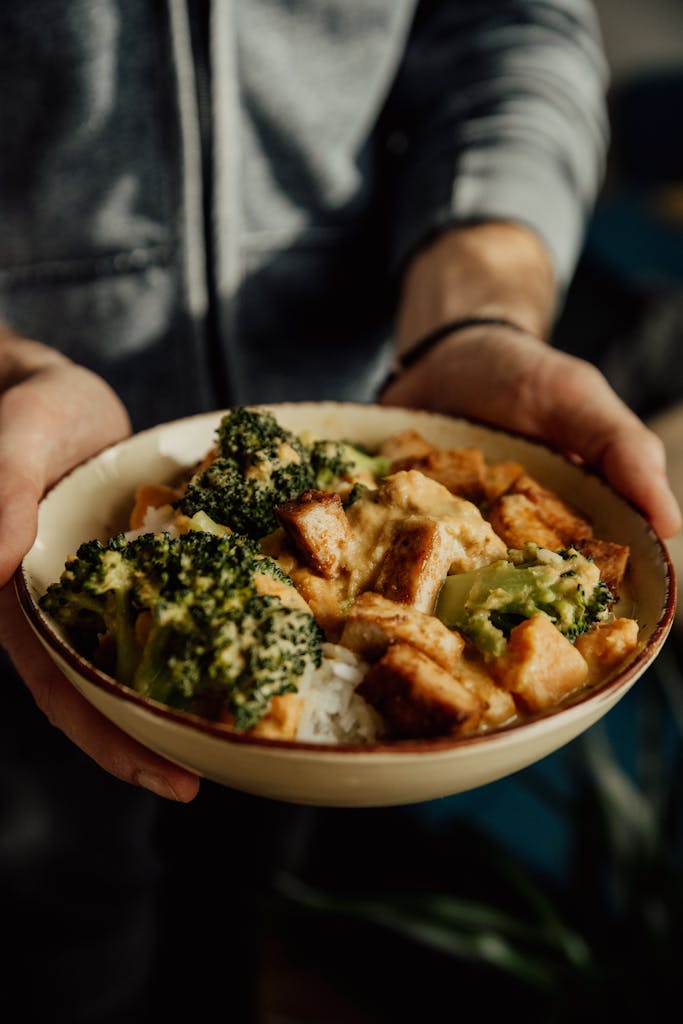
Across Asia, fermentation takes on its own distinctive character. In Japan, miso, natto, and soy sauce are staples; in Korea, kimchi serves as both a daily side dish and a source of national pride. The process behind tofu and tempeh, both products made from fermented soybeans, shows how plant proteins can be transformed into digestible, nutrient-dense foods rich in probiotics and amino acids. In Southeast Asia, fermented fish sauces and pickled vegetables have been used for centuries not only for preservation but also as essential flavor foundations in traditional dishes.
Africa and the Middle East
In Africa, naturally fermented sorghum and millet porridges provide valuable probiotics and energy in daily diets. In the Middle East, labneh and kefir remain cherished staples for their creamy texture and digestive benefits. Even beverages like wine, beer, kombucha, and kvass owe their character to yeast fermentation. When practiced traditionally, this enhances flavor complexity rather than merely producing alcohol.
What unites all of these foods, from French cheese to Korean kimchi, is their reliance on microbes to unlock nutrition and depth of flavor. As Hutkins explains in Microbiology and Technology of Fermented Foods, these processes enhance food safety, extend shelf life, and create entirely new sensory experiences.
Fermented Foods for Beginners: How to Start
If you’re new to fermented foods, the good news is that starting couldn’t be simpler. A jar, some salt, and a vegetable you already eat. Begin with just a tablespoon or two a day: a spoonful of fermented carrots alongside your lunch, or a few bites of yogurt with breakfast. These foods are alive, carrying new inhabitants ready to join your kingdom’s population. Give the existing residents time to meet them.
As the days pass, gradually increase your intake and observe how your body responds. Some people experience mild bloating or extra gas at first. That’s the kingdom adjusting, the existing population making room for new arrivals. If any discomfort lasts longer than a few days, simply slow down and give your system a bit more time to settle.
Introducing fermented foods gradually helps the digestive system adapt without stress. Over time, the kingdom finds its balance, and most people notice real improvements in digestion and overall comfort.
Variety matters more than quantity. A mix of fermented vegetables, yogurt, and perhaps a little kefir gives the kingdom a broader, more diverse population than any single food alone. Think of it as building a resilient community.
Wild Fermentation vs. Pickling
It’s easy to confuse the two. Pickling uses vinegar or another acid to preserve food instantly. Fermentation relies on naturally occurring microbes and a bit of patience.
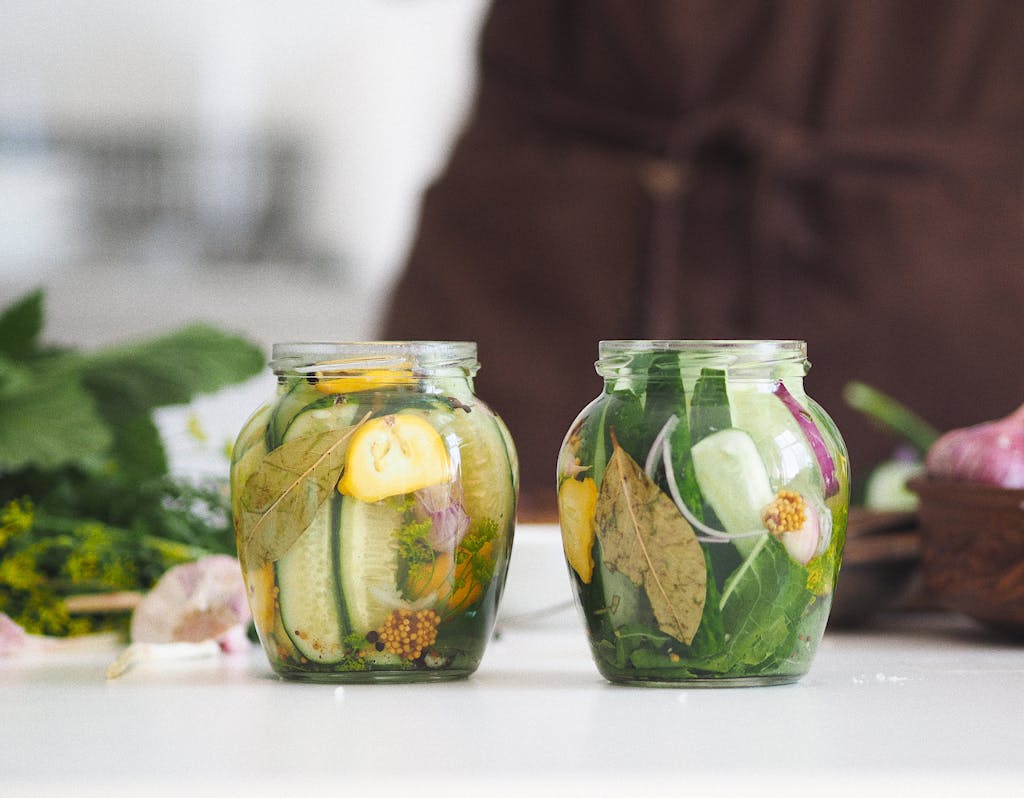
When I make fermented carrots, cauliflower, and celery and sauerkraut, I use a simple 3% sea salt brine: 30 g of salt per liter of water. The salt draws water out of the vegetables, which creates the perfect environment for Lactobacillus plantarum and other bacteria to thrive. As they work, they naturally acidify the brine over several days, creating their own protective environment. Salt, time, and the right temperature do the rest.
There is nothing bad with the pickled foods, but only wild-fermented foods deliver living microbes to your gut. Vinegar-preserved foods, however tasty, are not fermented in the biological sense. The kingdom gets no new recruits from a jar of shop-bought pickles. The jar looks similar. What’s inside is completely different.
The Science Bit: What Happens in the Jar
Each jar of fermenting vegetables is its own little ecosystem. Here’s what happens step by step:
- The Salting Phase: Salt draws water from the vegetables, creating a brine that inhibits the growth of unwanted bacteria.
- The Bacterial Phase: Beneficial bacteria such as Lactobacillus brevis and L. plantarum feed on vegetable sugars and produce lactic acid.
- The Preservation Phase: As acidity rises, harmful microbes can’t survive. The food becomes safely preserved, naturally tangy, and probiotic-rich.
Temperature matters, too. My ferments usually sit at room temperature (18–22 °C) for 5–7 days. Warm weather speeds things up, while cooler months slow it down.
The review Health benefits of fermented foods: microbiota and beyond describes how fermentation enhances nutritional properties and delivers living microorganisms that may benefit human health.
Fermentation Benefits: What Actually Happens Inside Your Gut
1. A Natural Source of Probiotics
The fermentation benefits here go beyond most people’s expectations. Fermented foods are alive with beneficial bacteria. Every spoonful carries potential new inhabitants, microbes that help restore balance, support digestion, and reinforce the immune system. A substantial trial found that a diet rich in fermented foods significantly increased microbiome diversity across 17 weeks.
What makes this more interesting than a simple headcount is the mechanism behind it. Lactic acid bacteria produce metabolites that bind to specific receptors on human immune cells, triggering the mobilization of monocytes, a type of immune cell that hunts down pathogens and clears inflammation. The bacteria aren’t just arriving in the kingdom and settling in. They’re actively communicating with the immune guard the moment they arrive. They have a chemical key that fits our cells’ specific locks.
Professor Tim Spector, gut health researcher and co-founder of ZOE, has documented exactly this pattern in his book Ferment. His central argument: regular, varied fermented foods shift your microbial landscape in ways that isolated probiotic supplements simply can’t replicate. The variety of species you get from a jar of kimchi or a glass of kefir tells a different story from a single-strain capsule.
See the DeGlutenista Reads section below for the full recommendation and where to get the book.
2. The Kingdom’s Supply Chain: Better Nutrient Absorption
The kingdom’s inhabitants process the food for themselves and for you, unlocking the nutrition sealed inside the plant’s own vaults. Fermentation bacteria break down anti-nutritional factors that bind to minerals, such as phytic acids, tannins, oxalates, and enzyme inhibitors. The organic acids they produce break down the cell walls of plant-based foods, releasing minerals and making them far more available for absorption.
This means fermented foods consistently deliver more bioavailable iron, calcium, and zinc than their unfermented counterparts. Reviews confirm this. The carrots in your fermented jar are nutritionally more generous than the same carrots eaten raw, because the bacteria did the unlocking work your stomach couldn’t.
Fermentation also increases B vitamins in the food itself: B12, folate, and riboflavin are generated as metabolic byproducts of the bacteria’s activity. These are compounds the kingdom’s workers produce for the king as part of their daily work, not compounds you need to source separately.
3. Fermentation Benefits: A Kingdom That Runs Smoothly
Lactic acid bacteria pre-digest some of the carbohydrates and lactose in fermented foods, making them easier to tolerate for most people. That’s especially relevant for anyone with lactose sensitivity, and it’s exactly why yogurt and kefir tend to feel lighter on the digestive system.
4. Real Flavor Without Additives
Homemade ferments are entirely preservative-free. The deep, tangy flavor develops over days, from nothing more than salt, vegetables, and time.
Fermentation Benefits: What the Research Shows
The most compelling recent research supports what we’ve long suspected in this kitchen: fermented foods really do play a meaningful role in gut health.
A landmark study published in Cell found that participants who increased their intake of fermented foods over 17 weeks experienced broad improvements in immune status and microbiome diversity. The kingdom grew measurably stronger in less than five months.
A review published in Nutrients concluded that fermented foods can modulate the gut microbiome in both the short and long term, and should be considered a key element of a healthy diet
Tim Spector’s Ferment translates this research into something you can actually apply in your kitchen. He makes the case clearly: the species diversity that comes from eating a wide variety of fermented foods is measurably different from that of a single probiotic capsule. It’s one of the few nutrition books that actually left me feeling more informed and confident.
Probiotics, Gut Health, and the Gut-Brain Connection
Here’s a fact that stops most people mid-sentence: enterochromaffin cells in the gastrointestinal system produce around 95% of the body’s total serotonin. The brain contains only approximately 5% of the remaining serotonin.
Read that again. The gut is your primary serotonin-production facility. Your brain is the branch office.
The kingdom doesn’t just keep you digesting. It is, in large part, running your mood. When the population is diverse and well-fed, the signals traveling up through the vagus nerve, the direct communication line between gut and brain, are steady and regulated. Gut bacteria ferment dietary fibers to produce short-chain fatty acids such as butyrate, propionate, and acetate. These have far-reaching effects on brain function and neurotransmission.
Recent studies confirm that diets rich in fermented foods and diverse plant fibers are associated with lower levels of anxiety and depression and improved emotional well-being. The field of psychobiotics is still young, but the evidence points in a consistent direction: a well-stocked kingdom sends better messages upstairs.
What Are Postbiotics
When we talk about fermented foods, the conversation usually starts with probiotics: the live bacteria that are part of the kingdom. But there’s another group worth knowing about: postbiotics. These are the compounds produced during fermentation, including short-chain fatty acids (SCFAs), enzymes, peptides, vitamins, and the cell fragments left behind when bacteria complete their work.
According to the International Scientific Association for Probiotics and Prebiotics, postbiotics are defined as “preparations of inanimate microorganisms and/or their components that confer health benefits on the host.”
Even when the bacteria are no longer alive, the compounds they produce continue to support health by reducing inflammation, improving immune responses, and reinforcing the gut barrier.
That gut barrier is the wall of the kingdom, and it is just one cell thick. One single layer of epithelial cells separates your bloodstream from the contents of your digestive tract. Lactic acid bacteria strengthen the intestinal epithelial barrier at the physical level, fortifying its integrity through the compounds they leave behind. When that wall weakens, unwanted compounds pass through into the bloodstream, triggering inflammation and contributing to a range of chronic health problems. Postbiotics actively strengthen the wall’s integrity, which is one reason fermented foods consistently appear in long-term research on immune and digestive health.
This also explains why cooked or heated fermented foods still deliver benefits. Yogurt stirred into a warm soup, sauerkraut cooked as a hot dish: the heat may affect live bacteria, but the postbiotic compounds survive intact and continue their work. The kingdom wall stays reinforced regardless.
What DeGlutenista Reads
I bought Ferment during my second year of studying nutrition, after reading his brilliant book Food for Life. Spector writes the way a good lecturer does: he gives you the evidence, tells you where the gaps still are, and trusts you to make up your own mind. If you want to understand what’s actually happening in your jars, it’s the book I’d point you to first.
Common Fermentation Mistakes (And How I’ve Made Most of Them)
After years of practice, a few successful batches, and a memorable explosion or two, here are my golden rules:
- Keep everything clean. Sterilize jars and utensils before you start.
- Always submerge the vegetables. Use a cabbage leaf and a glass weight.
- Use the right salt. Choose sea or Himalayan salt, not iodized.
- Decompress regularly. Especially in warm weather. Trust me on this one.
- Be patient. Fermentation takes days, not hours. Bubbles are a good sign.
- Trust your senses. It should smell pleasantly tangy, never rotten or slimy.
Choosing the Right Fermentation Equipment
You don’t need specialist tools, but a few basics make life easier:
- Wide-mouth glass jars (500 ml to 1 L)
- Cabbage leaf or silicone fermenting disc
- A glass weight or a smaller jar for submersion
- Optional: airlock lid to reduce gas build-up
Fermentation Benefits and Digestive Sensitivities
A compromised gut, whether due to food intolerances, past antibiotic use, chronic stress, or years of processed food, has a depleted microbiome. Fewer inhabitants, thinner walls, slower recovery. Fermented foods are particularly valuable here: better digestibility, stronger nutrient absorption, and a steady supply of new microbial reinforcements.
Adding homemade ferments such as yogurt, kefir, kimchi, or kvass gives the microbiome kingdom’s population what it needs to rebuild.
Research also suggests that fermented dairy products such as kefir may improve lactose tolerance even in individuals who are sensitive to milk. In a controlled study, adults with lactose maldigestion experienced fewer digestive symptoms after drinking kefir compared with milk.
Studies found that kefir’s live cultures contain the enzyme β-galactosidase (lactase), which helps break down lactose naturally during fermentation. For many, introducing small amounts of kefir can be a soft approach to rebuild tolerance and enjoy dairy’s nutritional benefits without discomfort.
Tested Recipes to Start With
Every fermentation recipe on DeGlutenista Nutrition is wild-fermented, vinegar-free, and tested multiple times for consistency and safety. Start with these easy ones:
- Fermented Carrots, Cauliflower & Celery Sticks
- Beetroot Kvass
- Bulgarian Yogurt
- Green Tea Kombucha
- Coming soon: Kefir for Beginners and Kimchi My Way
Tips for Storing and Serving Fermented Foods
Once your ferment reaches that tangy sweet spot, move it to the fridge. The cool temperature slows the microbes but keeps them alive and beneficial.
Fermented veggies last for months when refrigerated and taste great alongside Pork Chops or Oven-Baked Salmon with Pistachio Crust. The acidity cuts through rich flavors and adds a probiotic kick to your meal.
FAQs
How long should I ferment my vegetables?
Usually 5-7 days at room temperature. Warmer environments may require just 3-4 days, while cooler ones may take up to 10.
What’s the right salt ratio?
A 3% brine (30 g of sea salt per liter of water) is ideal for most vegetables.
Can I reuse the brine?
Only once, and only from a successful batch. It’s already full of beneficial bacteria.
Are fermented foods safe for everyone?
Yes. As with any new food, introduce it gradually and let your body adjust. That applies to everyone, including those with histamine intolerance.
Do I still need probiotic supplements if I eat fermented foods?
For most people, eating a varied diet that includes fermented foods regularly makes supplements unnecessary. As Tim Spector covers in Ferment, the microbial diversity in real fermented foods is far more meaningful than a single-strain capsule. Real food first, always.
What are the main benefits of fermentation for gut health?
Fermented foods increase microbiome diversity, improve nutrient absorption by unlocking minerals that were locked inside plant cells, strengthen the gut wall, and support immune function.
The Bottom Line on Fermentation Benefits
The fermentation benefits covered in this article all come down to the same thing: a jar, some sea salt, a vegetable, and a little patience. No expensive equipment, no fancy ingredients. Just consistency: a spoonful here, a jar there, building a kingdom that keeps you well.
Start with one jar. Your microbiome kingdom will do the rest.
Thank you for reading! Sign up for your upcoming “Fermented for Beginners” course below: