
Dietary Fiber: Benefits, Food Sources, and Gut Health

Have you heard that dietary fiber is the new protein? Dietary fiber is one of those simple nutrition basics that can make a real difference to how we feel day to day. It supports digestion, helps feed our gut bacteria, keeps meals more satisfying, and can help smooth out the rise in blood sugar after eating.
The problem is that many of us still do not eat enough of it, especially when daily meals are built around more ultra-processed foods. Gluten-free eating can make this even trickier if we rely too much on low-fiber breads, crackers, biscuits, or starch-based products.
In this guide, I’ll explain what dietary fiber is, the different types, how it supports gut and metabolic health, and how to add more fiber to your meals slowly, without upsetting your digestion.
This article is for general nutrition education only and does not replace personal medical advice. If you have a diagnosed digestive condition, follow a prescribed diet, or experience ongoing bowel changes, speak with a qualified healthcare professional.
Quick Answer: What Is Dietary Fiber
Dietary fiber is the part of plant foods that the body cannot fully digest. Instead of being broken down like sugar or starch, fiber moves through the digestive system and reaches the large intestine, where some types are fermented by gut bacteria.
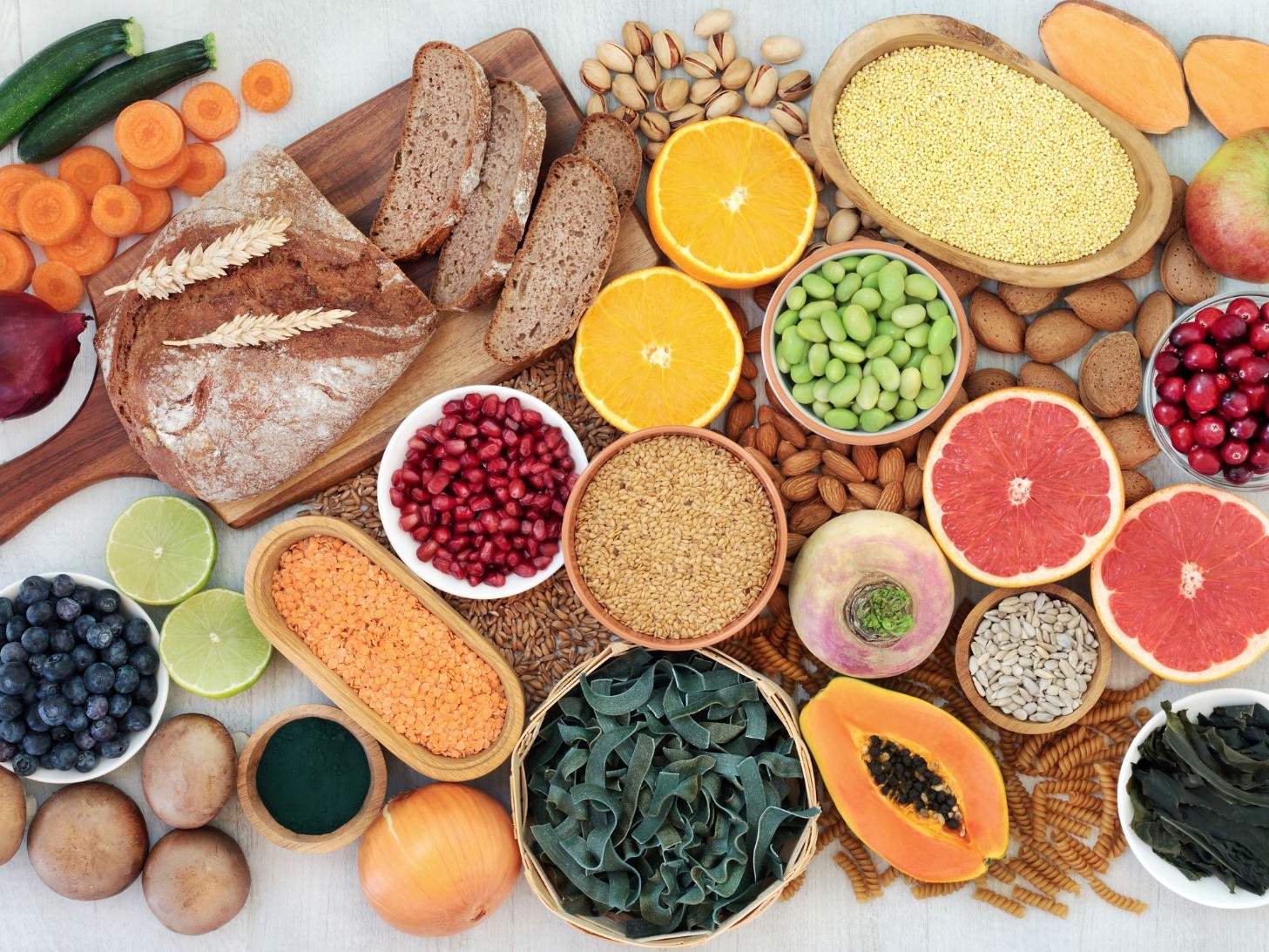
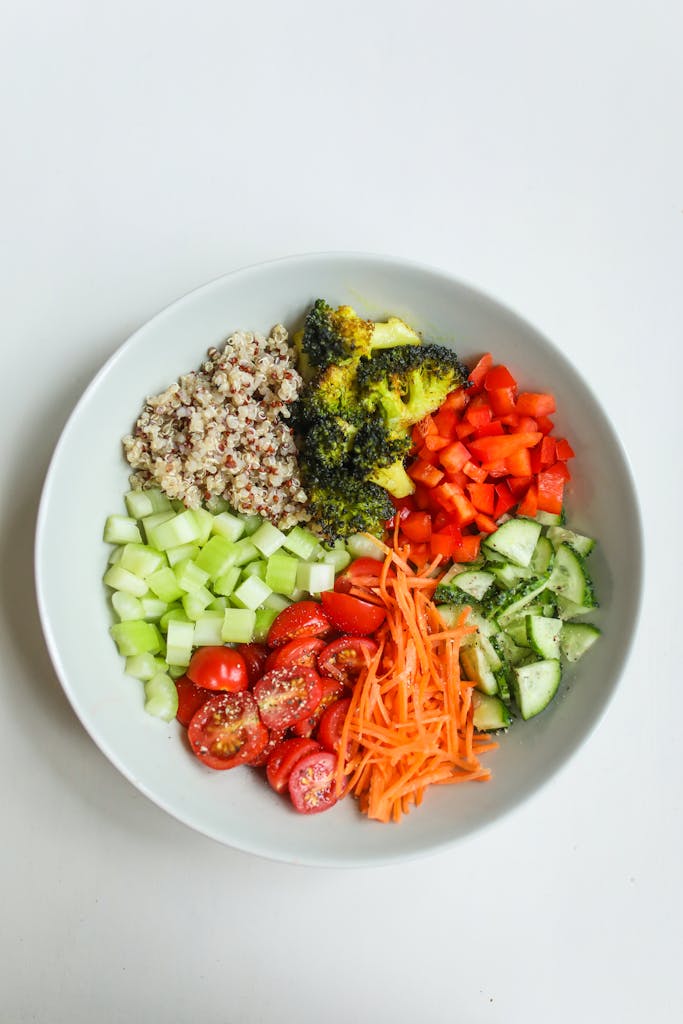
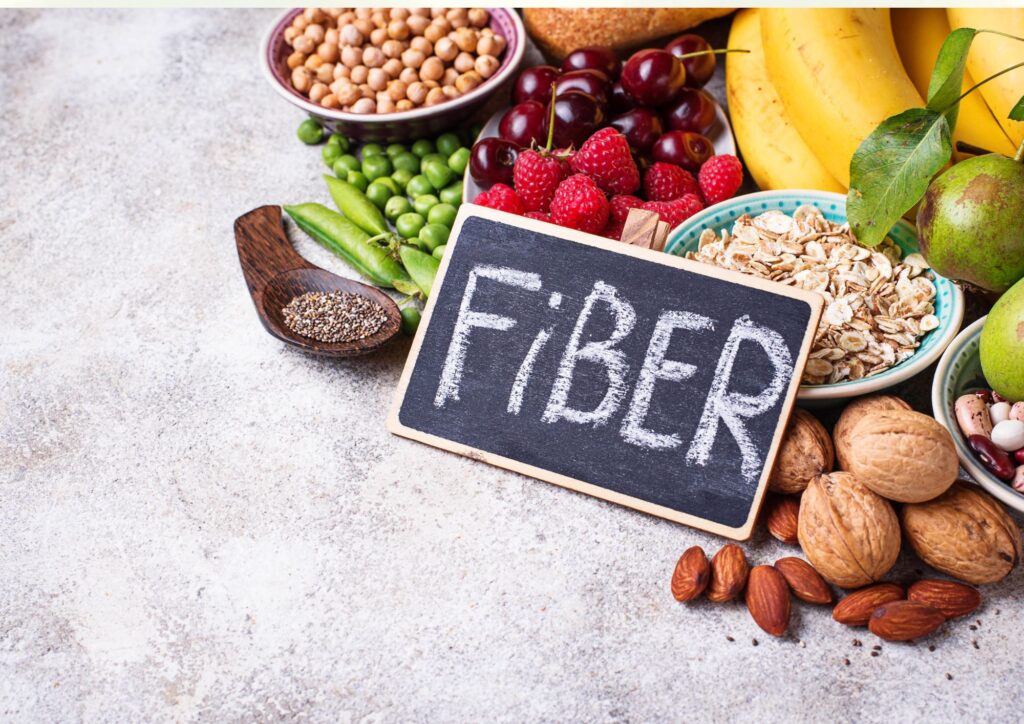
Fiber supports bowel regularity, gut microbiome balance, cholesterol control, blood sugar response, fullness, and long-term metabolic health. The best approach is to eat a variety of fiber-rich foods, including vegetables, fruits, beans, lentils, nuts, seeds, and naturally gluten-free whole grains such as buckwheat, quinoa, and certified gluten-free oats.
Understanding the Different Types of Fiber
Soluble fiber dissolves in water and forms a gel-like substance in the gut. This slows digestion and nutrient absorption, which helps stabilize blood glucose levels and reduce cholesterol. Foods such as oats, apples, citrus fruits, and chia seeds are rich in soluble fiber and are often recommended for people at cardiovascular risk or with blood sugar issues.
Insoluble fiber, on the other hand, does not dissolve in water. It adds bulk to stool and helps food move more efficiently through the digestive tract. This type of fiber is particularly important for preventing constipation and maintaining bowel health. Vegetables, nuts, seeds, and the skins of fruits and potatoes are key sources.
Gut bacteria ferment these fibers in the large intestine. This process converts fibers into substances such as short-chain fatty acids (SCFAs), including acetate, propionate, and butyrate, which help maintain gut health, support the immune system, and regulate metabolism.
This highlights the close relationship between fiber intake and the gut microbiome, an area of research that has expanded rapidly in recent years. Let’s see what the gut microbiome is.
What is the Gut Microbiome?
The gut microbiome refers to the vast community of trillions of microorganisms, primarily bacteria, that inhabit the digestive tract and play vital roles in digestion, immunity, and overall health. These microbes help break down dietary fiber and, in doing so, produce compounds that support gut and metabolic health.
Because diet and lifestyle strongly influence the microbiome, it has become a major focus of nutrition research. If you want to learn more about how the microbiome works and why it matters, I explore this in greater detail in my dedicated article on the gut microbiome.
How Dietary Fiber Works in the Gut
To understand how dietary fiber supports gut health, it helps to follow what actually happens after fiber is eaten. When you eat fiber-rich foods such as vegetables, fruits, legumes, and whole grains, the fiber passes through the stomach and small intestine largely unchanged. Unlike sugars and starches, fiber cannot be fully broken down by human digestive enzymes. This is a key reason why fiber has such a unique role in the body.
Once fiber reaches the large intestine, it encounters the gut microbiome, a complex and diverse community of bacteria that rely on fiber as a primary energy source. Certain types of dietary fiber, particularly fermentable fibers, these bacteria break down through a process called fermentation.
During fermentation, bacteria convert fiber into short-chain fatty acids, including acetate, propionate, and butyrate. These compounds are not waste products; they perform essential functions that support both gut and overall health.
Short-chain fatty acids help maintain gut integrity by nourishing colon cells and strengthening the gut barrier. A healthy gut barrier matters because it prevents harmful substances from entering the bloodstream, which can otherwise contribute to chronic inflammation.
Butyrate, in particular, plays a key role in reducing gut inflammation and supporting normal immune responses. This is one reason fiber intake is linked to a lower risk of inflammatory and metabolic conditions.
Dietary fiber also influences which types of bacteria thrive in the gut. Diets rich in fiber encourage the growth of beneficial bacterial species, while low-fiber diets may reduce bacterial diversity and allow less favorable microbes to dominate.
Over time, this shift can affect digestion, immune function, and metabolic health. A more diverse gut microbiome is generally associated with greater resilience, meaning the gut can better adapt to stress, illness, and dietary changes.
Additional Health Benefits Associated with Fiber
Emerging research also suggests that the products of fiber fermentation may influence communication between the gut and the brain, known as the gut–brain axis. Through this pathway, gut bacteria and the compounds they produce can affect mood, stress responses, and appetite regulation.
While this area of research is still developing, it provides further insight into why diets consistently low in fiber may be linked with poorer overall well-being.
In practical terms, this means that dietary fiber works not in a single way, but through multiple overlapping mechanisms. It feeds beneficial gut bacteria, strengthens the gut lining, reduces inflammation, supports digestion, and helps maintain a balanced internal environment.
These processes occur gradually and continuously, which is why regular fiber intake over time is more important than short-term increases. By consistently including fiber-rich foods in their diet, individuals support the gut microbiome, benefiting both digestive health and wider physical and mental health.
How Food Choice Determines Gut Microbial Diversity
Gut microbial diversity depends not only on how much fiber we eat, but also on the variety of fiber-rich foods included in the diet. Different plant foods contain different types of fiber and plant compounds, and each of these feeds different groups of gut microbes.
When the diet includes a wide range of foods such as vegetables, fruits, legumes, whole grains, nuts, and seeds, it creates a more supportive environment for a diverse gut microbiome. This diversity helps the gut ecosystem remain more stable and resilient, enabling it to adapt to everyday challenges such as stress, illness, and short-term dietary changes.
In contrast, diets that rely on a narrow range of foods, even if they are high in fiber, may support fewer types of microbes. This is why focusing on food variety, rather than relying on a single high-fiber “superfood,” is important for maintaining gut health through dietary fiber.
How Much Fiber Do We Need?
As I mentioned above, the UK health guidance recommends that adults consume 30 g of dietary fiber per day. In reality, average intake is significantly lower, often closer to 18–20 g. Among students, fiber intake can be even lower due to irregular eating patterns and limited access to fresh foods.
This gap matters because population studies consistently show that higher fiber intakes are associated with lower risks of heart disease, type 2 diabetes, bowel cancer, and obesity.
Reaching 30 g of fiber may sound challenging, but it becomes achievable when you include fiber-rich foods consistently throughout the day rather than concentrating it in one meal.
Why Dietary Fiber Is So Important for Health
Global evidence reviewed by the World Health Organization supports higher fiber intake as part of chronic disease prevention strategies. For example, a large umbrella review published in the BMJ reported that higher dietary fiber intake was consistently associated with reduced risk of cardiovascular disease, type 2 diabetes, colorectal cancer, and all-cause mortality.
From a digestive standpoint, fiber supports regular bowel movements and reduces constipation risk. Insoluble fiber increases stool bulk, while soluble fiber helps soften stools, making them easier to pass.
Beyond digestion, fiber plays a central role in gut microbiome health. Fermentable fiber feeds beneficial bacteria, which in turn produce compounds, such as short-chain fatty acids (SCFA), that reduce inflammation and support immune function.
Fiber also supports heart health. Soluble fiber binds to bile acids in the gut, reducing cholesterol absorption and lowering blood cholesterol levels over time. When fiber is combined with the right types of dietary fat, it enhances satiety and supports metabolic balance. In my healthy fats guide, I explain how different fats behave in the body.
Blood sugar regulation is another key benefit, as fiber slows carbohydrate digestion and prevents sharp spikes in glucose levels. If you’d like to understand how different carbohydrates affect post-meal glucose response, I explore this in more detail in my article on the glycemic index and blood sugar control.
Weight management is another area where fiber makes a difference. High-fiber foods tend to be more filling, helping control appetite without strict calorie counting. This satiety effect is one reason why fiber-rich diets are linked to healthier body weights in the long term.
Common Misunderstandings About Fiber
One persistent misconception is that fiber is only important for digestion. In reality, it influences cardiovascular health, metabolic control, and even mental well-being through the gut–brain axis.
Another common belief is that only whole grains provide fiber, but fruits, vegetables, legumes, nuts, and seeds often contribute just as much, if not more.
Some people avoid fiber because they associate it with bloating or discomfort. This usually happens when fiber intake increases too quickly. Gradual changes, paired with adequate fluid intake, allow the gut to adapt and significantly reduce side effects.
Fiber on Gluten-Free Diets
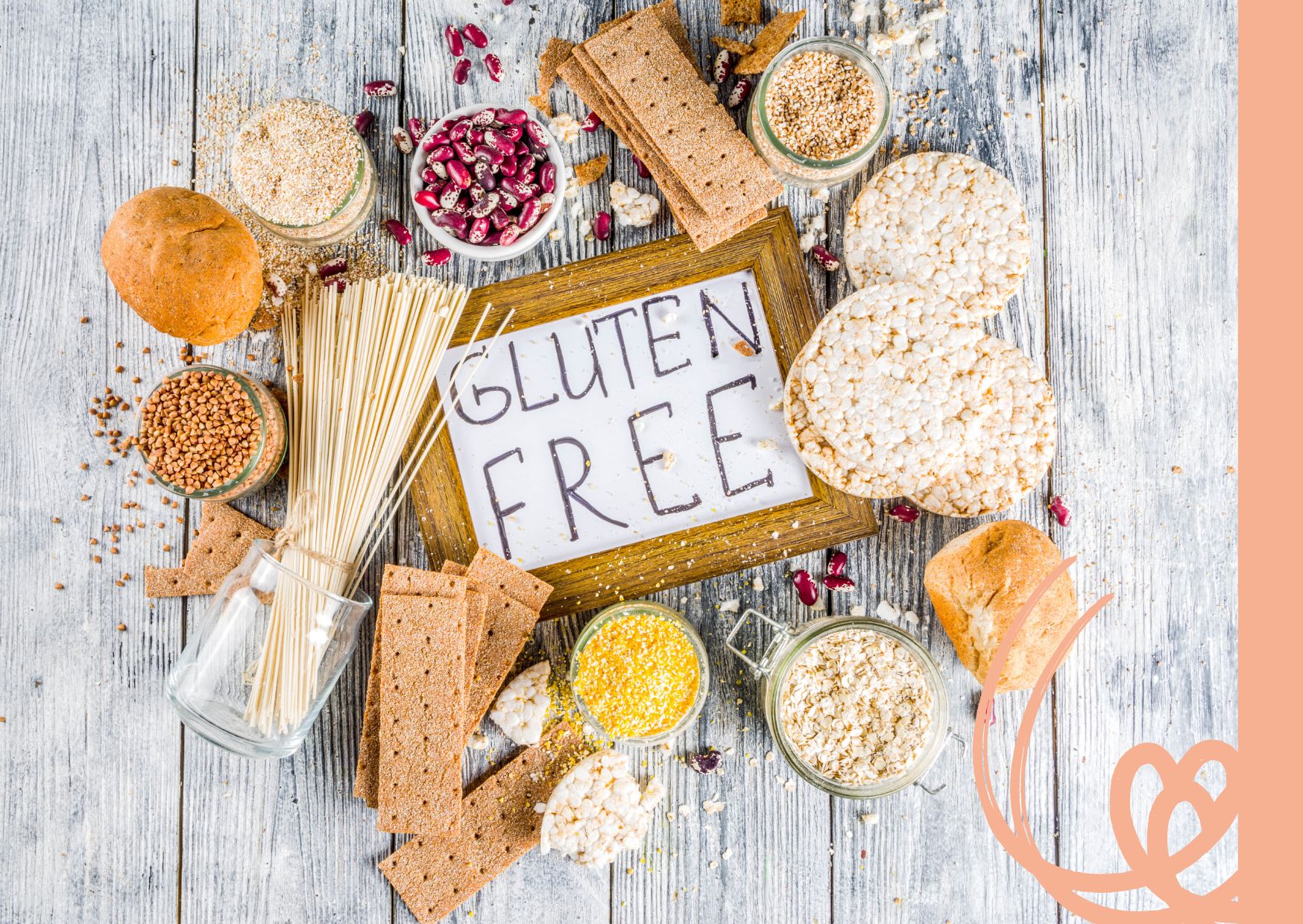
Many people assume gluten-free foods are automatically low in fiber. While this can be true if you rely on heavily processed alternatives, it is not inevitable.
Naturally gluten-free foods such as quinoa, buckwheat, brown rice, lentils, chickpeas, fruits, vegetables, nuts, and seeds all contribute substantial amounts of fiber.
With careful food choices, individuals following gluten-free diets can meet fiber recommendations without difficulty.
Tips for Increasing Fiber Intake
Increasing fiber intake works best when done gradually. Adding one or two high-fiber foods per day allows the digestive system to adjust. Drinking enough water is equally important, as fiber absorbs fluid in the gut. Combining different fiber sources throughout the day, rather than relying on one large portion, improves tolerance and maximizes health benefits.
While fiber supplements such as psyllium husk can be helpful in specific clinical situations, whole foods remain the best option for most students. They provide fiber alongside vitamins, minerals, and protective plant compounds that supplements cannot fully replicate.
For practical guidance, food-based strategies, and common pitfalls, follow the full guide on how to increase fiber intake.
From personal experience, having a simple high-fiber mix on hand makes it much easier to meet fiber targets. Add this recipe to breakfasts, salads, and other meals to boost fiber intake without adding complexity.
12 Evidence-Based Benefits of Dietary Fiber
- Improves bowel regularity
Dietary fiber increases stool bulk and softness, helping food move through the digestive tract more efficiently and reducing constipation. - Supports a healthy gut microbiome
Fiber fuels beneficial gut bacteria, promoting microbial diversity and the production of short-chain fatty acids that support gut and immune health. - Reduces the risk of cardiovascular disease
Higher fiber intake is consistently associated with a lower risk of heart disease, partly because of its effects on cholesterol and inflammation. - Lowers LDL (“bad”) cholesterol
Soluble fiber binds bile acids in the gut, reducing cholesterol absorption and lowering blood cholesterol levels over time. - Improves blood glucose control
Fiber slows carbohydrate digestion and absorption, helping to prevent sharp spikes in blood sugar and improve insulin sensitivity. - Reduces risk of type 2 diabetes
High-fiber diets are linked with a lower incidence of type 2 diabetes, likely due to combined effects on glucose regulation and body weight. - Supports healthy body weight and appetite control
Fiber increases feelings of fullness and satiety, which can help reduce overall energy intake without strict calorie restriction. - Reduces the risk of colorectal cancer
Strong evidence links higher fiber intake with a lower risk of colorectal cancer, particularly from whole-food sources such as whole grains and legumes. - Lowers all-cause mortality risk
Large cohort studies and umbrella reviews show that people with higher fiber intakes have a lower risk of premature death from all causes. - Supports gut barrier function and reduces inflammation
Fermentation of fiber produces short-chain fatty acids, especially butyrate, which help maintain the gut lining and regulate inflammatory responses. - May support mental well-being via the gut–brain axis
Emerging evidence suggests fiber, through its effects on the microbiome, may influence mood, stress responses, and cognitive health. - Improves overall diet quality
High-fiber diets tend to be richer in fruits, vegetables, legumes, and whole foods, contributing to better intake of vitamins, minerals, and protective plant compounds.
FAQs
What is dietary fiber, and why is it important?
Dietary fiber is the part of plant foods the body cannot fully digest. It supports digestion, feeds beneficial gut bacteria, helps regulate blood sugar and cholesterol levels, and is linked to a lower risk of several chronic diseases.
How much dietary fiber should adults eat per day?
In the UK, adults are advised to consume 30 g of dietary fiber per day. However, most people eat significantly less than this, which may increase the risk of long-term digestive and metabolic health problems.
What foods are high in dietary fiber?
Foods naturally high in dietary fiber include fruits, vegetables, legumes such as lentils and chickpeas, whole grains, nuts, and seeds. Including a variety of these foods throughout the day helps meet fiber recommendations more easily.
Can a gluten-free diet provide enough fiber?
Yes, a gluten-free diet can still be high in fiber when it includes foods such as quinoa, brown rice, beans, lentils, vegetables, fruits, nuts, and seeds.
What happens if you increase fiber intake too quickly?
Increasing dietary fiber too quickly may cause bloating, wind, or abdominal discomfort. Gradually increasing fiber intake and drinking enough fluids allows the digestive system to adapt and reduces unwanted side effects.
Is dietary fiber only important for digestion?
No, dietary fiber affects much more than digestion. Research shows that fiber intake is linked with heart health, blood sugar control, gut microbiome balance, reduced inflammation, and lower risk of long-term disease.
In Summary
Studying nutrition throughout my course helped me develop a more detailed, evidence-based understanding of dietary fiber. What once seemed like a minor detail is now clearly a foundation of long-term health.
Perhaps most importantly, this knowledge has shown me that meeting fiber recommendations does not require extreme diets or expensive products. With thoughtful choices, even a gluten-free diet can comfortably reach 30 g of fiber per day.
For health-conscious people, dietary fiber is one of the simplest and most effective ways to invest in future health.
Thank you for reading!