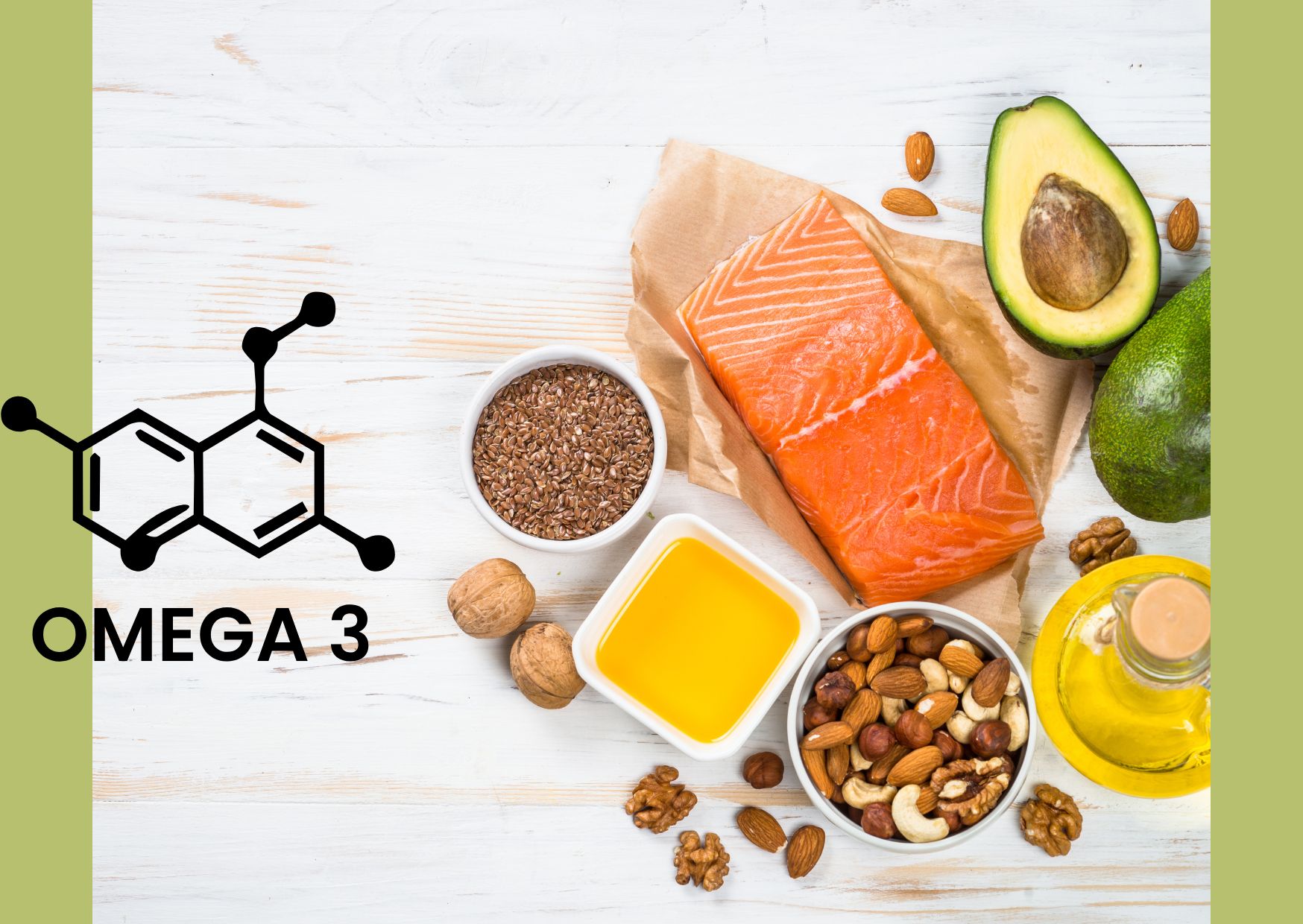

Omega-3 Fatty Acids: Benefits, Best Practices, and How Much You Need

Omega-3 fatty acids are one of those nutrients most of us have heard about, usually somewhere between “eat more fish” and “take fish oil for your brain.” Helpful? Sometimes. Clear? Not always.
When I was little, there was a mandatory fish oil intake. Interestingly, I didn’t hate it as most of my school friends did. But I never asked why we should take these small, interesting flavor capsules. Well, fast forward, and I took a deep dive later in my life.
But, to be honest, the picture became clearer when I had one of my first assessments at uni. I should have prepared a presentation about Omega-3s. I must confess, I found so many interesting things about these fatty acids more than ever. Still, this topic is very interesting for me, and it was a real pleasure to sit and write this article and make things clear for you, too.



What Are Omega-3 Fatty Acids?
Omega-3 fatty acids are essential fats. This means the body needs them but cannot make enough on its own, so they must come from food or, when appropriate, supplements. They are involved in cell membranes, brain and eye tissue, inflammatory signaling, and heart health. These essential fats are also included in my full guide to healthy fats.
The three omega-3 fats most worth knowing are ALA, EPA, and DHA. ALA comes mainly from plant foods such as chia seeds, flaxseed, walnuts, and rapeseed oil. EPA and DHA come mainly from oily fish, seafood, and algae. That difference matters because eating chia seeds and eating salmon do not provide the same omega-3 profile. Both can be valuable foods, but they offer different forms of omega-3.
This article gives you the full picture, but if you want to keep things more practical, my omega-3 foods guide breaks down the best food sources, while my omega-3 supplements guide explains the label details.
Have You Ever Heard About The Lipid World Hypothesis?
Is it not amazing that, based on the Lipid World Hypothesis, life might have acquired evolution independent of self-replicating nucleic acids, such as RNA or DNA? It was postulated in this theory that under conditions of primordial Earth, simple lipids may have given rise to stable, membranous compartments-vehicles, that protected molecules governing life’s chemical processes. Therefore, these lipid structures could give rise to more complex biochemical systems, thereby forming early cell membranes and enabling metabolic functions.
So, when talking about the cell membranes, what is the firts pop in here – Omega-3 fatty acids. Such could have been part of those lipid molecules that made up early membrane structures. DHA is an Omega-3 fatty acid, for example, essential to health and cognitive function. One more step to undestand life’s complexity and how lipids might be the primary involved.
Omega-3 Health Benefits
Omega-3 fatty acids have been studied for many areas of health, including heart health, triglycerides, brain aging, pregnancy, eye health, inflammatory conditions, and mood. However, the strongest and most practical areas to discuss in a food-focused research are:
- heart and blood vessel health
- triglyceride levels, especially at higher supplemental doses
- brain and eye development
- DHA as a structural fat in the brain and retina
- inflammatory signaling
- healthy dietary fat balance
- Omega-3 intake in people who eat little or no oily fish
Omega-3 should not be written about as a cure-all. It is one part of dietary quality. That may sound less exciting than the internet version, but it is far more meaningful.
The Science of Omega-3: Understanding ALA, EPA, and DHA
ALA is a plant-based omega-3. You find it in chia seeds, ground flaxseed, walnuts, rapeseed oil, soya, and hemp seeds. These foods are worth eating for many reasons. Chia and flaxseed bring fiber. Walnuts bring healthy fats and minerals. Rapeseed oil can be a useful everyday oil.
EPA and DHA are the longer-chain omega-3 fats found mostly in oily fish, seafood, and algae. DHA is especially important in the brain and retina, while EPA is often discussed in relation to inflammatory signaling and cardiovascular health.
ALA can be converted to EPA and DHA in your body. However, plant-based ALA conversion is highly inefficient, with under 10% converting to EPA and less than 5% to DHA, necessitating direct EPA/DHA sources for optimal brain health.
Did you know? Fish are famous for their omega-3 content, but they are not the original sources of EPA and DHA. Microalgae produce these fats first, and fish accumulate them through the marine food chain. So when someone uses algal oil, especially if they are vegan, vegetarian, or do not eat fish, they are going back to the original source. Nature loves a long route, apparently.
Omega-3 And Heart Health
Omega-3 fatty acids are often discussed in heart-health research because EPA and DHA interact with several cardiovascular pathways.
The clearest effect is on blood triglycerides, especially at higher therapeutic doses. EPA and DHA are also studied for their role in blood pressure regulation, inflammation resolution, and heart rhythm stability.
These mechanisms are important because cardiovascular health depends on how fats move through the blood, how blood vessels respond, how inflammation is resolved, and how steadily the heart’s electrical system works.
Omega-3 And Brain Health
Omega-3 appears often in brain-health research due to the role of DHA in brain tissue. DHA is highly concentrated in neuronal cell membranes, where it helps maintain membrane fluidity and supports communication between nerve cells.
DHA is also found in the retina, so omega-3 fatty acids are often discussed in relation to both brain and eye development. During pregnancy and early life, DHA receives particular attention as the brain and visual system develop rapidly.
EPA has a different role. It is studied primarily for its involvement in inflammatory signaling and lipid mediator production. These pathways matter in brain-health research, as the brain is sensitive to long-term inflammatory and vascular changes.
For this article, the key point is simple: DHA is the main omega-3 linked with brain structure, while EPA is more closely linked with inflammatory pathways. I will cover omega-3 and cognitive aging in a separate article, as memory, dementia research, inflammation, and brain-cell signaling each need a bigger space.
Omega-3 And Alzheimer’s Disease
Omega-3 research in Alzheimer’s disease is one of the more interesting areas of brain-health nutrition, especially around DHA, brain structure, and cognitive aging.
DHA is highly concentrated in brain tissue, so researchers are looking at how omega-3 status may relate to memory, brain volume, and dementia risk over time. Some findings are encouraging. One study followed more than 2,000 older adults for five to six years and found that eating fish twice weekly was linked with a 41% lower risk of dementia. Other studies have linked higher blood omega-3 levels with a larger hippocampus, the part of the brain strongly involved in memory.
There is also growing interest in timing and genetics. Some supplement studies suggest omega-3 may be more useful in people with mild cognitive impairment or very early cognitive changes. Recent research has also explored whether people carrying the APOEε4 gene variant may respond differently to fish oil before symptoms appear, particularly in markers of brain-cell integrity.
This is exactly why I would not dismiss omega-3 in Alzheimer’s research. The area is still developing, but the direction is worth watching. For now, the sensible message is to support omega-3 intake early and consistently through oily fish, algae-derived DHA/EPA, or carefully chosen supplements where they fit the person’s diet.


How Much Omega-3 Do You Need?
The UK’s NHS doesn’t specify exact amounts for total Omega-3s but recommends eating at least two portions of fish a week, one of which should be oily fish (like salmon or mackerel). This typically provides enough EPA and DHA to meet daily needs. Omega-3 DHA plays an essential role in human brain development and health.
If you’re looking for more precise numbers, the European Food Safety Authority (EFSA) recommends:
- 250-500 mg of combined EPA and DHA daily for general health.
- Pregnant and breastfeeding women are encouraged to take an extra 100-200 mg of DHA per day to support fetal brain development.
For people who do not eat fish, the focus shifts to regular ALA-rich plant foods and, where suitable, algae-derived DHA or EPA/DHA supplements.
An example food-first pattern could look like this:
| Diet pattern | Practical omega-3 approach |
|---|---|
| Eats fish | Include oily fish once weekly, plus plant omega-3 foods |
| Does not eat fish | Use chia, flaxseed, walnuts and consider algal oil |
| Vegetarian | Include ALA-rich foods and consider algae-derived DHA |
| Vegan | Include ALA-rich foods and choose vegan algal oil if needed |
| Pregnant or breastfeeding | Follow NHS fish guidance and avoid fish liver oil supplements unless specifically advised |
| Low fish intake | Consider whether food changes or a supplement would help meet EPA/DHA intake |
Should You Take an Omega-3 Supplement?
It depends. The supplement advice depends on dietary intake, health status, medication use, pregnancy status, supplement dose, product quality, and the reason for taking it.
An omega-3 supplement may be suitable when EPA and DHA intake is low, especially for people who rarely eat oily fish or do not eat fish at all. Algal oil can be particularly relevant for vegetarians and vegans because it provides direct DHA, and some products also contain EPA.
A supplement is less helpful for someone who already eats oily fish regularly and has no specific reason to increase their EPA or DHA intake.
Always check out Omega-3 Drug Interactions, if you take any, or consult with your professional.
Omega-3 Fatty Acids Benefits in Pregnancy and Childhood
DHA is critical during pregnancy and early life, supporting brain and eye development in the fetus and infant. Adequate omega-3 fatty acid intake during childhood is also associated with learning ability, attention, and behavioral regulation.
Some evidence suggests that omega-3 supplementation may offer modest benefits for children with attention-deficit/hyperactivity disorder (ADHD), though results vary and should not replace broader nutritional and lifestyle support.
Balancing the Omega-6 to Omega-3 Ratio to Fight Inflammation.
Omega-3 and omega-6 fatty acids are both essential polyunsaturated fats, meaning the body needs them but cannot produce them on its own. In a healthy diet, these fats work together to support cell structure, immune signaling, and inflammatory balance. The issue in modern Western diets is not that omega-6 fats are inherently harmful, but that they are consumed in far greater amounts than omega-3s, disrupting this balance over time.
Omega-6 and omega-3 fatty acids compete for the same metabolic pathways. Omega-6 fats produce compounds that promote inflammation, while omega-3 fats help resolve it. When omega-6 intake is high and omega-3 intake is low, this can lead to increased inflammation. Chronic low-grade inflammation is linked to cardiovascular disease, metabolic disorders, and neurodegenerative processes associated with aging.
Furthermore, Western diets show a 15:1 to 20:1 Omega-6 to Omega-3 ratio, whereas reducing this to a 4:1 or 2:1 ratio is necessary to reduce systemic inflammation and support neurological function. These oils, such as sunflower, corn, soybean, and rapeseed oil, are widely used in packaged snacks, ready meals, fried foods, spreads, and restaurant cooking, making it easy to exceed omega-6 intake without noticing.
Improving our fatty acid balance doesn’t require eliminating omega-6 fats; it only requires adjusting our dietary habits. To achieve this, we should reduce ultra-processed foods, limit refined seed oils, and focus on whole foods like oily fish, nuts, seeds, and vegetables.
Interesting Facts About Omega-3
Omega-3 fatty acids have a fascinating history and have been crucial to human development for thousands of years. Here are a few intriguing facts:
- Early Diets: Archaeological evidence suggests that ancient humans living near coastlines thrived on diets rich in Omega-3 fatty acids from seafood, which may have contributed to the rapid development of the human brain.
- Inuit Paradox: The Inuit people of Greenland consume a high-fat diet, rich in Omega-3s from fish, yet have very low rates of heart disease. This phenomenon has been studied for decades and highlights the heart-protective benefits of Omega-3s.
- Essential Nutrient: Omega-3s are called “essential” because our bodies can’t produce them. Without a regular diet, we can become deficient, leading to various health issues.
- Omega-3 Balance: Omega-3s must be balanced with Omega-6 fatty acids, another type of polyunsaturated fat found in vegetable oils and processed foods. While Omega-6s are also essential, too much and too little Omega-3 can lead to inflammation and chronic health problems.
Common Mistakes When Choosing Omega-3 Foods and Supplements
- Assuming chia seeds, flaxseed, and walnuts provide the same omega-3 profile as oily fish.
- Reading “1000 mg fish oil” and missing the actual EPA/DHA amount.
- Treating cod liver oil like ordinary fish oil.
- Ignoring algal oil as a direct DHA option for people who do not eat fish.
- Expecting one nutrient to carry the whole brain-health or heart-health picture.
A Practical Omega-3 Food Plan
If you like fish, aim to include oily fish once a week, and add another portion if you enjoy it. Add chia seeds, ground flaxseed, or walnuts during the week to cover both direct EPA/DHA sources and plant-based ALA sources.
If you do not eat fish, build the base with chia seeds, ground flaxseed, walnuts, and rapeseed oil. Then consider algal oil if you want direct DHA, or EPA and DHA, depending on the product.
For breakfast, chia pudding, yogurt with ground flaxseed, or oats with walnuts are simple options. For main meals, salmon, sardines, mackerel, or trout can work well with vegetables, potatoes, rice, salad, or any fiber-rich side you enjoy.
Testing Your Omega-3 Status – Omega-3 Index
But before take any of these, you might concider to take an Omega-3 blood test.
Testing omega-3 status can be a useful way to move from guesswork to personalised nutrition. The most commonly used assessment is the Omega-3 Index, a blood test that measures the percentage of EPA and DHA in red blood cell membranes, reflecting longer-term intake rather than what you ate yesterday.
Research suggests that an Omega-3 Index of 8–12% is associated with better cardiovascular and brain health outcomes, while many people following a typical Western diet fall closer to 4–5%, largely due to low consumption of oily fish.
Testing can be particularly helpful for people who rarely eat fish, follow plant-based diets, are pregnant, or want to check whether their current food choices or supplements are actually meeting their needs.
FAQs
What are omega-3 fatty acids?
Omega-3 fatty acids are essential polyunsaturated fats. The main types are ALA, EPA, and DHA. ALA comes mainly from plant foods such as chia seeds, flaxseed, and walnuts. EPA and DHA come mainly from oily fish, seafood, and algae.
What is the difference between ALA, EPA, and DHA?
ALA is a plant-based omega-3. EPA and DHA are longer-chain omega-3 fats found mainly in oily fish, seafood, and algae. The body can convert ALA into EPA and DHA, but only small amounts are formed, so direct sources can be useful.
What are the best omega-3 foods?
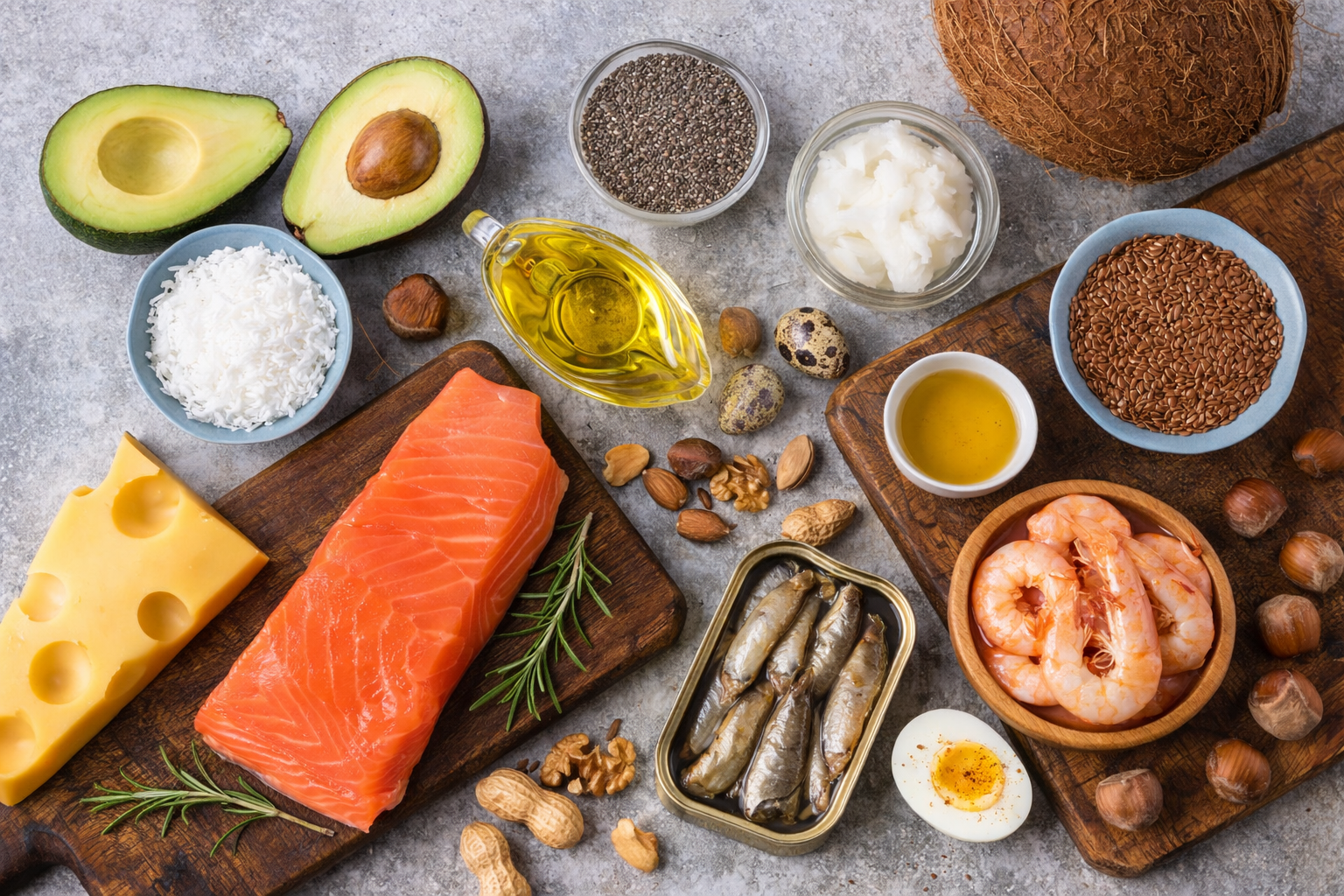
The best direct sources of EPA and DHA are oily fish such as salmon, sardines, mackerel, trout, herring, and anchovies. Plant sources such as chia seeds, ground flaxseed, walnuts, and rapeseed oil provide ALA.
Can vegans get EPA and DHA?
Yes. Algal oil can provide direct DHA, and some products also contain EPA. Plant foods such as chia seeds, flaxseed, and walnuts provide ALA, but conversion to EPA and DHA is limited, so algal oil may be useful.
Is omega-3 good for brain health?
DHA is an important structural fat in brain tissue and the retina. Some research links fish intake or omega-3 status to healthier cognitive aging, but brain health also depends on the broader diet and lifestyle patterns.
What about omega-3 and Alzheimer’s disease?
Research on omega-3 in Alzheimer’s disease is still developing. Some studies link fish intake or omega-3 status to healthier brain aging, which might help reduce risk when combined with a healthy lifestyle, but more research is needed.
Should I take an omega-3 supplement?
It depends on your usual diet, health status, medication use, and reason for taking it. Supplements may be useful when intake of oily fish is low or absent. Algal oil is a direct DHA option for vegetarians and vegans.
Is cod liver oil the same as fish oil?
No. Cod liver oil contains omega-3 fats and vitamins A and D. Because vitamin A can build up in the body, cod liver oil requires more caution than standard fish oil, especially during pregnancy.
How much omega-3 do I need?
UK guidance recommends at least two portions of fish per week, including one portion of oily fish. People who do not eat fish can focus on ALA-rich plant foods and consider algal oil for direct DHA or EPA/DHA. EFSA suggests 250–500 mg of combined EPA and DHA daily.
Are omega-3 supplements safe?
Omega-3 supplements are widely used, but they may interact with medicines that affect blood clotting. Extra caution is sensible with blood-thinning medication, surgery, pregnancy, bleeding disorders, cod liver oil, or high-dose supplements.
Thank you for reading!
YourDani x x



About the Author: Dani
Integrative nutritionist | BSc (Hons) Human Nutrition | Metabolic and gut Health
Hi! I’m Dani, BSc (Hons) Human Nutrition with a strong interest in lifestyle medicine, gut health, metabolic health, UPF-free, whole-food, and gluten-free cooking. Your visit means the world to me!
I share simple recipes, nutrition tips, lifestyle experiences, and insights into living with food intolerances.