
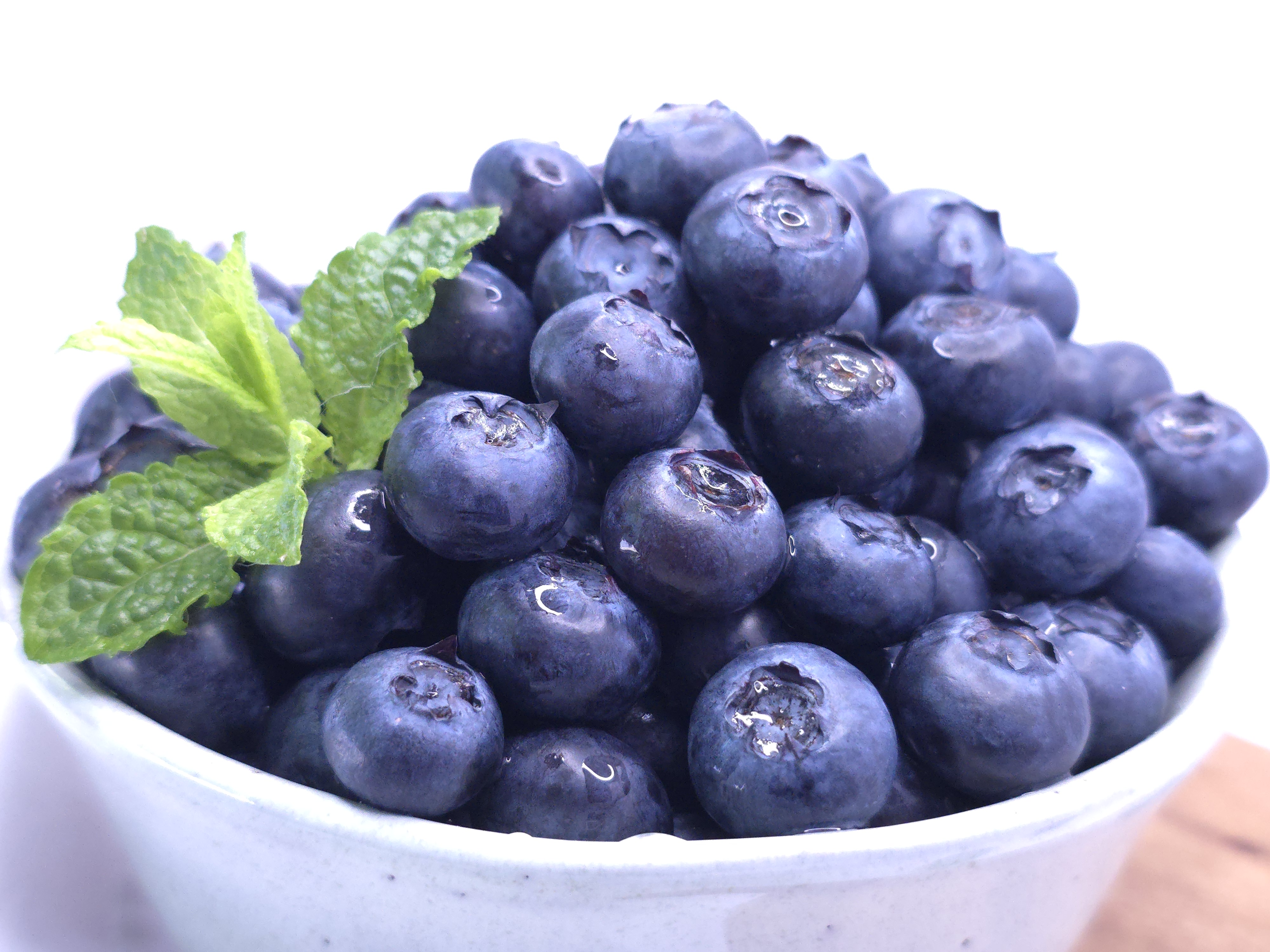
Blueberries Health Benefits: 7 Proven Reasons to Eat Them

Blueberries are like nature’s tiny candy that somehow snuck into the health food aisle. These little blue gems pack sweetness, vibrant color, and more nutrients than a multivitamin on a mission. Nicknamed a superfruit, they’re bursting with anthocyanins – those fancy blue-purple compounds that make scientists nod approvingly.
I love all berries, but blueberries have stolen my heart (and most of my cereal bowl space). They’re not just tasty; they’re a pint-sized powerhouse disguised as dessert.
One cup of raw blueberries provides about 84 calories, 3.6 g of fiber, 14.4 mg of vitamin C, 28.6 mcg of vitamin K, and 0.5 mg of manganese, making them a nutrient-rich addition to breakfast bowls, snacks, smoothies, and simple desserts.
Not only are they high in critical nutrients, but they are also low in calories and delicious, and you can count them as an excellent supplement to any diet. Isn’t it absolutely fantastic? So, please keep reading to discover how to incorporate blueberries into your diet and why they’re so good for you.
This post may contain affiliate links. If you make a purchase through these links, I may earn a small commission at no extra cost to you. I only recommend products I personally use and trust. Thank you for your support!
Blueberries Health Advantages
Blueberries may be tiny, but they’re like nature’s little superheroes; packed with antioxidants, fiber, and vitamins that keep your body running like a well-oiled machine. These small but mighty berries have been linked to sharper brains, healthier hearts, and even a lower risk of cancer. Who knew a snack could be so heroic?
Plus, they’re sweet, low in calories, and easy to add to many recipes.
So, let’s explore the excellent health benefits of blueberries and how to incorporate them into your diet to optimize your well-being.
1. Blueberries Are Rich in Antioxidants
Blueberries get their deep blue-purple color from anthocyanins, a group of polyphenols found in red, purple, and blue plant foods. These compounds are one reason blueberries have attracted so much interest in nutrition research.
Antioxidants help protect cells from oxidative stress, a normal process that increases when the body is under pressure from poor sleep, stress, pollution, smoking, alcohol, intense exercise, or a diet low in colorful plant foods. Blueberries bring these protective plant compounds in a simple whole-food form, along with fiber, water, vitamins, and minerals.
That is why I love using blueberries in easy meals rather than treating them as a magic ingredient. Add them to yogurt, porridge, chia pudding, smoothies, or a simple bowl with nuts and seeds. If you enjoy learning (and eating) about antioxidant-rich foods, my Cocoa: Not Just a Chocolate continues the same conversation through another beautiful polyphenol-rich food.
2. Blueberries Support Heart and Blood Vessel Health
Blueberries fit beautifully into a heart-supportive way of eating because they bring anthocyanins, fiber, potassium, and very little saturated fat. Research on blueberries and anthocyanin-rich berries has linked regular intake to markers such as vascular function, blood pressure, cholesterol, and inflammatory balance, although results vary across studies and among individuals.
The practical plate still matters. Blueberries work best when they fit within an overall pattern centered on vegetables, beans, lentils, oats, nuts, seeds, olive oil, fish, yogurt, and other minimally processed foods. A bowl of yogurt with blueberries, chia seeds, and walnuts gives you polyphenols from the berries, fiber from the seeds, and healthy fats from the walnuts.
For a deeper food-first look at fats and heart-supportive meals, you can read my Healthy Fats Guide. If you want to go deeper into oily fish, walnuts, chia seeds, flaxseed, and omega-3 fats, my Omega-3 Foods is a useful next step.
3. Blueberries May Support Brain Health
The brain needs a steady supply of nutrients, oxygen, and blood flow. Blueberries are interesting here because their anthocyanins and related compounds may support brain health through blood vessel function, oxidative stress pathways, inflammation balance, and interactions with the gut microbiome.
Population studies and clinical trials have explored blueberries and berries in relation to cognitive performance and healthy aging. The current evidence is promising, especially in middle-aged and older adults, although research is still developing and the effects are usually modest.
Preliminary studies indicate that blueberry supplementation can improve cognitive performance and influence metabolism and brain function, and therefore, it may have a role in early intervention to prevent neurodegeneration. In a randomized controlled trial, we investigated the effects of daily blueberry supplementation in a middle-aged sample of insulin-resistant participants with elevated risk for future dementia.
From a food-first perspective, I would use blueberries in a brain-supportive breakfast or snack: yogurt with blueberries and walnuts, overnight oats with berries and chia seeds, or a smoothie with berries, kefir or yogurt, and ground flaxseed. These combinations deliver polyphenols, protein, fiber, and healthy fats in one bowl.
4. Blueberries Support Gut Health and Digestion
One cup of blueberries provides around 3.6 g of fiber, which supports digestion by adding structure to the diet and feeding gut bacteria further down the digestive tract.
Blueberries also contain polyphenols that interact with the gut microbiome. Some blueberry compounds reach the colon, where gut bacteria help break them down into smaller metabolites. Research is still growing, but this connection between blueberries, polyphenols, and gut microbes is one of the most exciting parts of the blueberry story.
For a more supportive gut-friendly bowl, pair blueberries with foods that bring extra fiber and fermentation, such as chia seeds, ground flaxseed, gluten-free oats, yogurt, kefir, or your favorite homemade fermented yogurt. I explain the fiber side in more detail in my Dietary Fiber guide, and the microbial side in the Gut Microbiome article.
5. Blueberries Can Fit Into Blood Sugar–Balanced Meals
Blueberries taste sweet, yet they are whole fruits containing water, fiber, acids, vitamins, minerals, and polyphenols. A cup contains around 21.4 g of carbohydrate, 14.7 g of total sugars, and 3.6 g of fiber.
That food structure changes the way blueberries fit into a meal. A handful of blueberries eaten with yogurt, chia seeds, nuts, oats, or cottage cheese brings sweetness together with protein, fiber, and fat. This pairing makes the meal more satiating and supports steadier post-meal energy.
Blueberry research has explored glucose regulation and insulin sensitivity, with some promising findings and some mixed results across different study groups. For everyday eating, the strongest message is simple: enjoy blueberries as whole fruit, and pair them with protein or healthy fats when you want a more balanced breakfast or snack.
If you want to understand this mechanism more deeply, my Metabolic Health article explains what happens after eating, and my Glycemic Index and Glycemic Load guide shows why the same carbohydrate can affect the body differently depending on the food and what’s on the plate.
6. Blueberries May Support Exercise Recovery
If you’re an athlete, enjoy regular physical activity, or are simply a gym rat, this bit is for you. During exercise, muscles work harder, oxygen demand increases, and normal inflammatory and repair processes begin. Blueberries, with their polyphenols, may support recovery pathways linked to oxidative stress and inflammatory balance.
A randomized trial found that blueberry intake changed some post-exercise inflammatory lipid mediators during recovery, although it did not reduce muscle soreness or prevent the temporary dip in performance after exercise. The wider blueberry review also describes exercise recovery as a promising area, while noting that more research is needed.
For a practical recovery meal, I would keep the focus on the full plate: protein for muscle repair, carbohydrates to refill energy stores, fluids for hydration, and colorful plant foods for polyphenols. A smoothie with blueberries, yogurt, chia seeds, and a little oats works well after a walk, gym session, or busy physical day.
7. Blueberries Provide Vitamin C for Skin and Collagen Support
After more than 30 years in the beauty industry, I know skin care never starts and ends with a cream. Food, hydration, sleep, stress, and daily habits all show up on the skin over time. Blueberries fit beautifully into this picture because they provide vitamin C and deep blue-purple polyphenols called anthocyanins.
Vitamin C contributes to normal collagen formation, and polyphenol-rich foods help add more plant diversity and color to the diet. I like blueberries because they are simple: add them to breakfast, blend them into a smoothie, or use them in a refined-sugar-conscious dessert when you want something fresh and naturally sweet.
Blueberries are also easy to use in at-home skincare. Studies suggest that applying natural compounds topically can help prevent environmental skin damage. There is a DIY blueberry beauty pamper for your skin:
Blueberry facial mask
Add a handful of fresh, mashed blueberries to some yogurt and one beaten egg yolk, then blend until smooth. Apply to your face and décolletage, and leave until dry. Rinse with lukewarm water. Yogurt’s probiotics, blueberries’ salicylic acid, and antioxidants can support clear, smooth skin and a sense of freshness.
If you are a science nerd like me, there is a fantastic video from NutritionFacts by the brilliant D. Greger! Enjoy watching!
Blueberries also help lower oxidized LDL (bad cholesterol) levels, which can contribute to heart disease. Adding blueberries to a heart-healthy diet, alongside regular exercise, can significantly reduce the risk of cardiovascular issues.
Blueberries Nutrition Facts
Blueberries are nutrient-dense, meaning they provide many vitamins and minerals without adding many calories. Here’s what you’ll find in one cup (148 grams) of raw blueberries:
- Calories: 84
- Carbohydrates: 21.5 g
- Fiber: 3.6 g
- Sugar: 14.7 g
- Fat: 0.5 g
- Protein: 1.1 g
- Vitamin K: 28.6 mcg (24–32% of daily value)
- Vitamin C: 14.4 mg (16–19% of daily value)
- Manganese: 0.5 mg (22–28% of daily value)
- Copper: 0.1 mg (11% of daily value)
- Vitamin E: 0.8 mg (5% of daily value)
How to Incorporate Blueberries into Your Diet
Blueberries are incredibly versatile and easy to add to your meals. Whether fresh or frozen, they retain their nutritional benefits and work in many recipes. Here are some ideas:
- Smoothies: Toss blueberries into a smoothie with spinach, almond milk, and chia seeds for a refreshing drink.
- Oatmeal or Porridge: Add blueberries to your morning oatmeal or porridge for flavor and nutrients.
- Baking: Use blueberries in gluten-free muffins or pancakes for a healthier treat.
- No-bake cakes: Create delicious, gluten-free, nutrient-rich sweet treats like No-bake Blueberry cake.
- Salads: Sprinkle fresh blueberries over your favorite green salad for a hint of sweetness.
- Snacks: Enjoy them fresh or frozen as a simple, satisfying snack.
- Frozen: Whip this delicious blueberry-lemon sorbet on hot summer days.
To reap the maximum benefits, consume blueberries raw or lightly cooked. Pair them with healthy fats, such as nuts or yogurt, to enhance nutrient absorption and boost their effect.
Food planning feels easier in some weeks than others, and I know how quickly a busy day can turn into “what can I make now?” moments. That is why I like keeping freeze-dried blueberry powder in the cupboard.
Blueberry powder is light, easy to store, and useful when fresh berries are finished, or the shopping has to wait. I use it in smoothies, baking, yogurt bowls, chia jars, and quick breakfasts when I want blueberry flavor, color, and natural sweetness without extra preparation.
Blueberries’ Health Benefits: In Summary
Blueberries are a nutritional powerhouse, rich in antioxidants, fiber, and essential vitamins. They support brain health, improve digestion, reduce inflammation, and may help protect against certain cancers and heart disease. Why not add blueberries to your diet to enhance your overall health or enjoy a sweet, guilt-free treat?
Choose organic blueberries to reduce pesticide exposure, and enjoy them fresh for the greatest health benefits. Whether you’re eating them fresh, frozen, or as freeze-dried powder (see the link above), or in a smoothie, these little blue gems have earned their spot in the superfood Hall of Fame.
Thank you for reading! I hope you found this article helpful.