
High Fiber Foods: Best Sources and Easy Ways to Use Them

High fiber foods bring plant structure, slow-digesting carbohydrates, resistant starch, vitamins, minerals, antioxidants, and plant compounds into everyday meals. This guide groups fiber-rich foods by type, so you can see where fiber comes from and how to use it in breakfasts, soups, salads, snacks, baking, and gluten-free meals.
For the full explanation of how fiber works in digestion, bowel regularity, blood glucose balance, and cholesterol removal, start with my complete guide to dietary fiber. There you will find where to get fiber, what each food group provides, and how to add more fiber to meals while keeping smoother digestion and a fed gut microbiome.
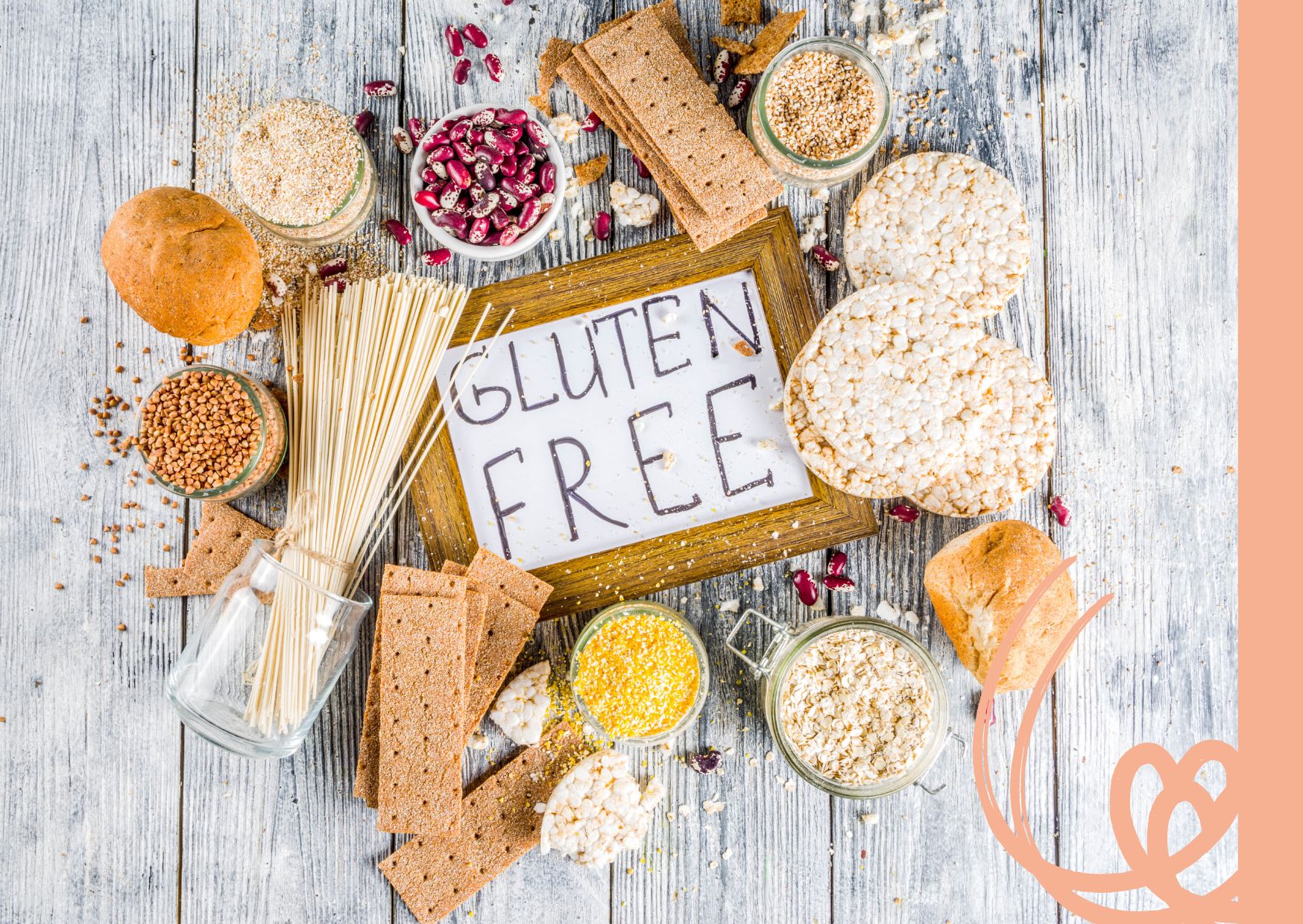
For gluten-free readers, the gluten-free section shows how to build fiber from naturally fiber-rich foods such as pulses, seeds, nuts, vegetables, fruit, and gluten-free whole grains. Also, there is a complete gluten-free diet guide that explains the wider foundations of gluten-free eating.
Start with the meal you eat most often. Breakfast can include oats, chia, ground flaxseed, berries, or my Fiber Boost Breakfast Mix. Lunch can bring in hummus, soups, salads, beans, or lentils. Baking can include almond pulp, buckwheat flour, psyllium husk, ground flaxseed, or certified gluten-free oats.
Best High Fiber Foods by Food Group
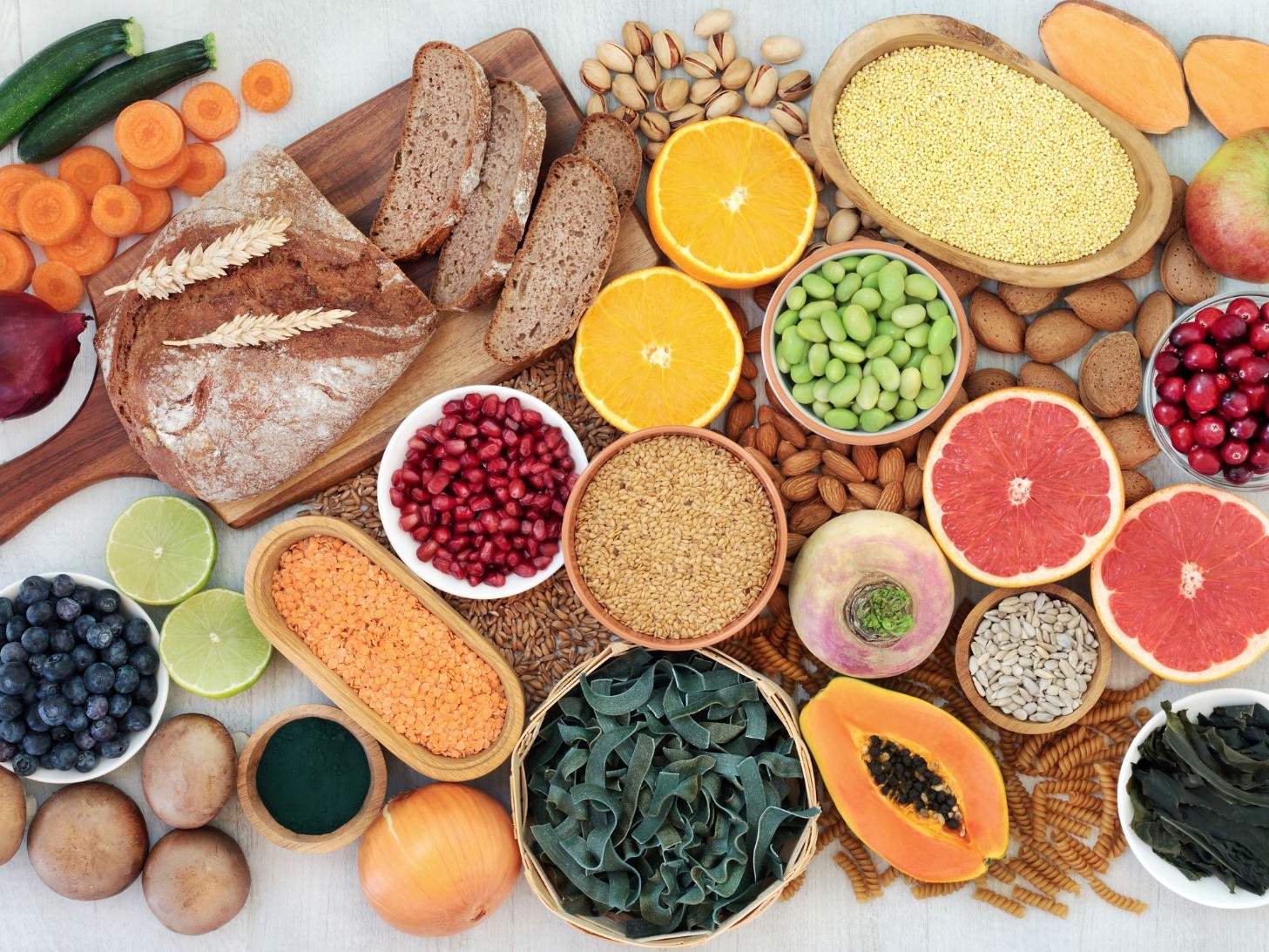
Fiber comes from plants. This is the part of the plant, for example, the cell wall, that the human body can not break down and digest. Pulses and legumes, seeds, nuts, fruit, vegetables, and gluten-free whole grains all provide different types of fiber, along with minerals, antioxidants, plant protein, healthy fats, and plant compounds. However, fiber content also varies by cooking method, ripeness, and portion size, so use the numbers as practical guidance for everyday food choices.
Beans, Lentils, Chickpeas, and Pulses
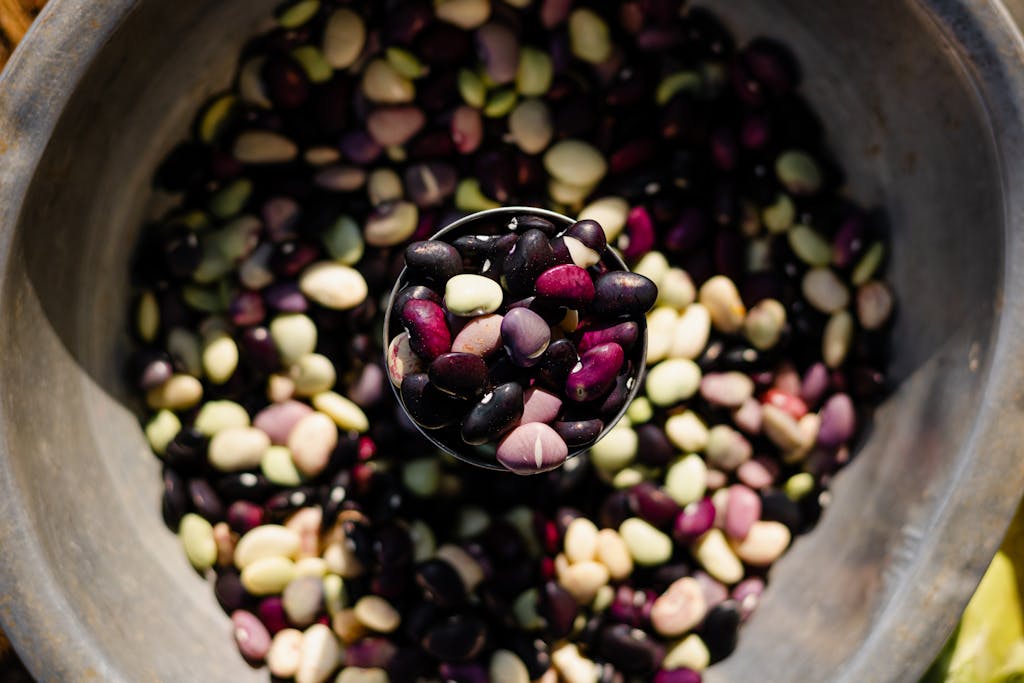
Beans, lentils, chickpeas, and pulses are among the most valuable high-fiber foods because they also add plant protein, iron, folate, magnesium, potassium, and slow-digesting carbohydrates to a meal. You can cook them in soups, stews, salads, dips, curries, and tray bakes, especially when you want a meal to feel more complete.
Lentils are easy to add to vegetable soups and stews. Chickpeas work well in hummus, salads, and roasted snacks. Beans can stretch a casserole, thicken a soup, or turn a simple salad into a balanced lunch.
My personal approach is to add a cup of peas, chickpeas, or edamame to my regular soups and stews where I usually don’t use them. For example, adding a cup of garden peas to my chicken soup makes it more balanced and still delicious. Or, if you haven’t tried my chocolate hummus, it’s a must. You won’t taste the chickpeas there, I bet!
Seeds and Nuts
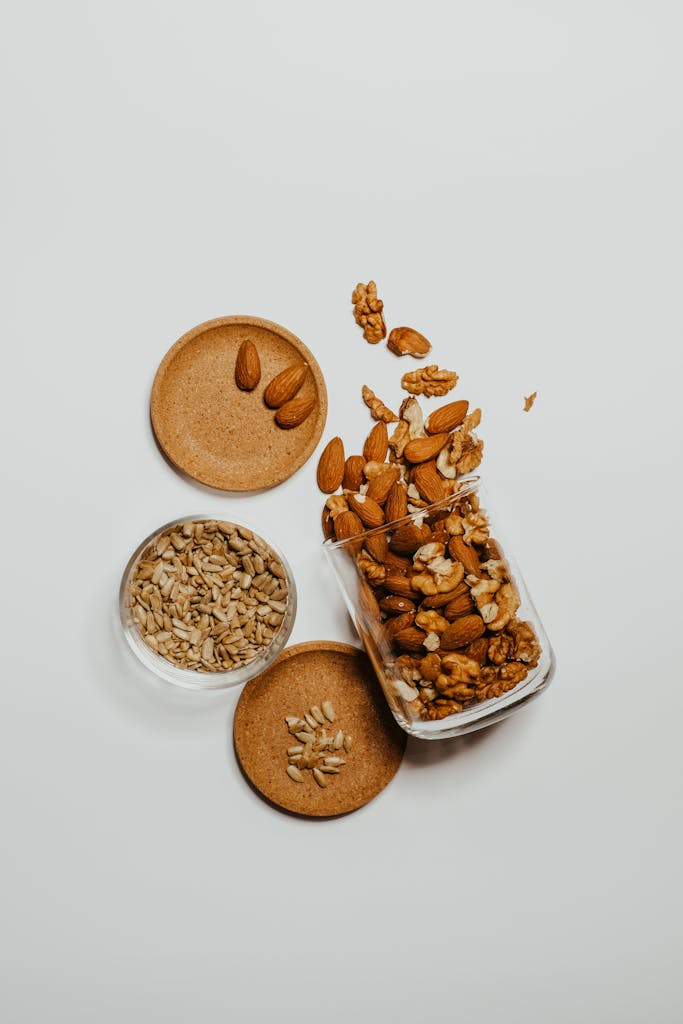
Seeds and nuts add fiber in small, easy portions, along with healthy fats, minerals, and plant compounds. Chia seeds absorb liquid and form a gel, which makes them useful in puddings, yogurt bowls, smoothies, and gluten-free baking.
Ground flaxseed is one of my favorite small additions. However, it is best to grind the seed coat to release more nutrients. Whole flaxseed often passes through the digestive tract intact, so I grind it before using it in breakfast bowls, muffins, pancakes, or porridge.
Almonds, pistachios, pumpkin seeds, and sunflower seeds also work well as toppings. A small handful can add texture, healthy fats, minerals, and a little extra fiber to meals that might otherwise feel too soft or too plain.
Gluten-Free Whole Grains and Starchy Plants
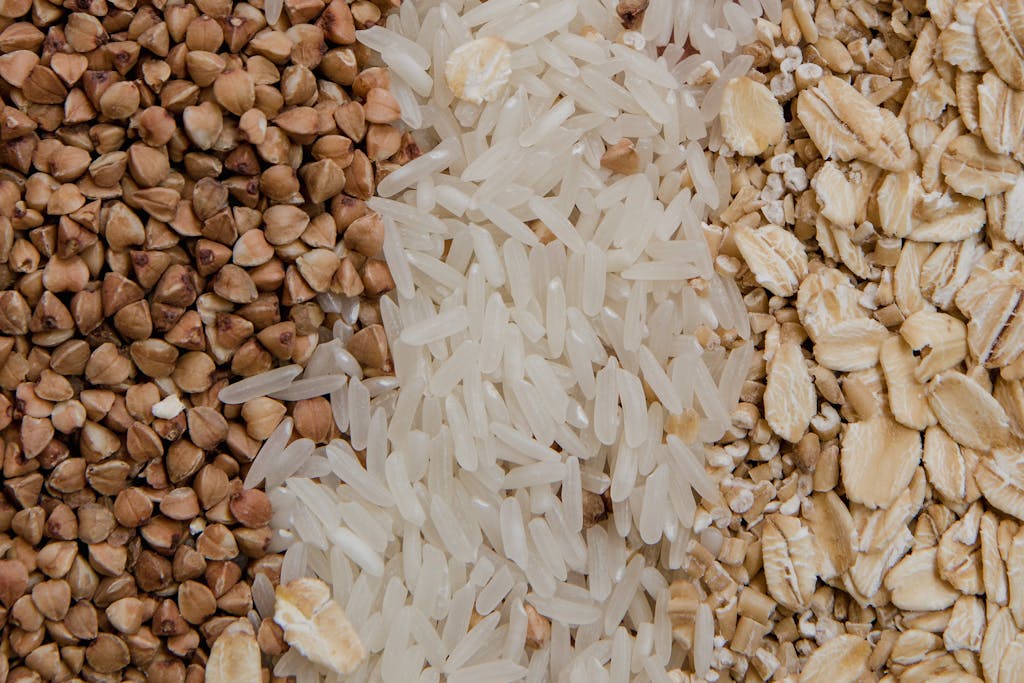
Certified gluten-free oats, buckwheat, quinoa, millet, teff, sorghum, brown rice, potatoes with skin, and sweet potatoes with skin can make gluten-free meals feel more grounded. They add slow-digesting carbohydrates, minerals, resistant starch, and plant structure to the plate.
Oats work well for breakfast bowls, overnight oats, baking, and homemade granola. Buckwheat and quinoa are lovely bases for warm salads, soups, and roasted vegetables. Potatoes and sweet potatoes provide more fiber when you keep the skin on, especially in tray bakes, wedges, salads, and simple side dishes.
High Fiber Fruit
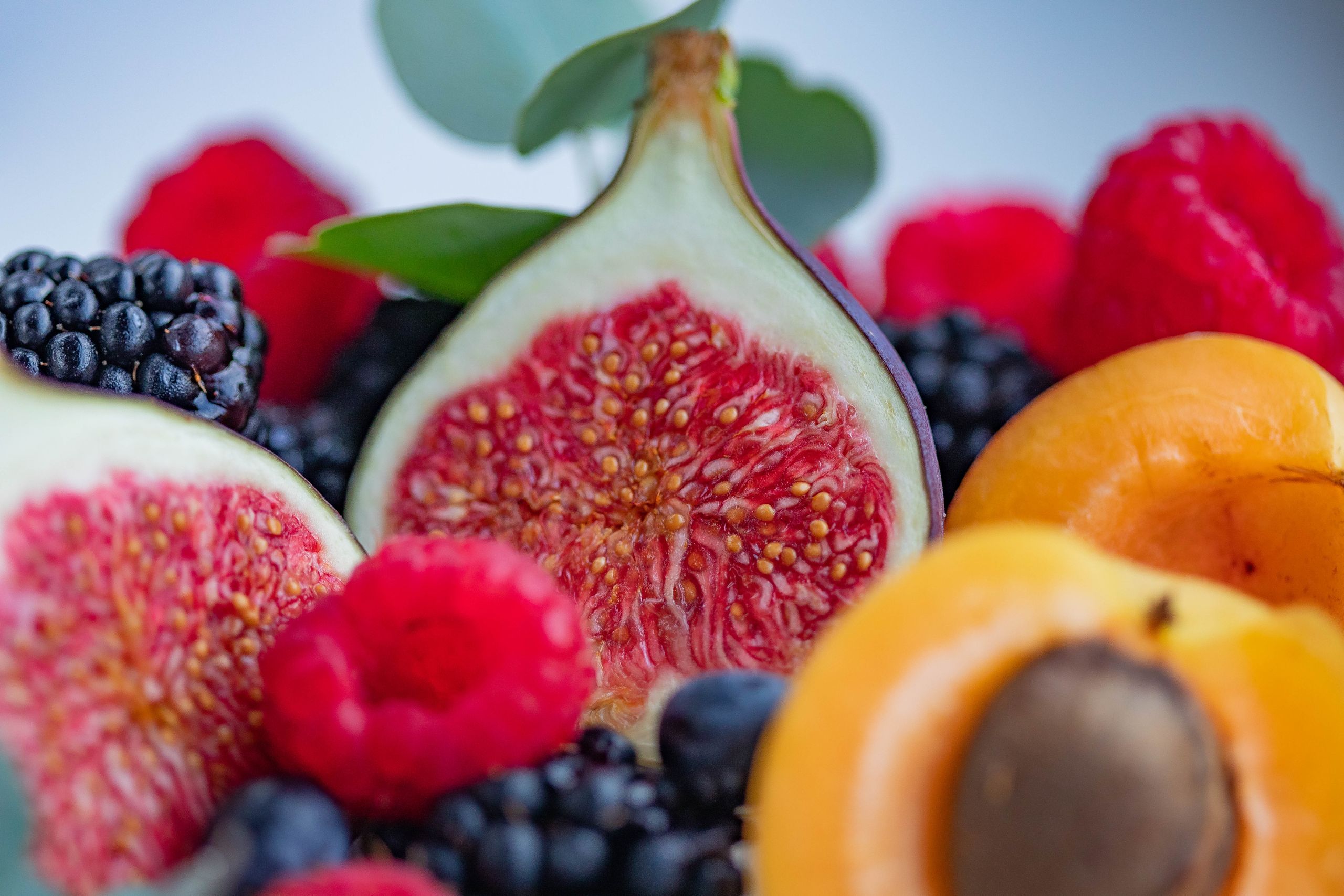
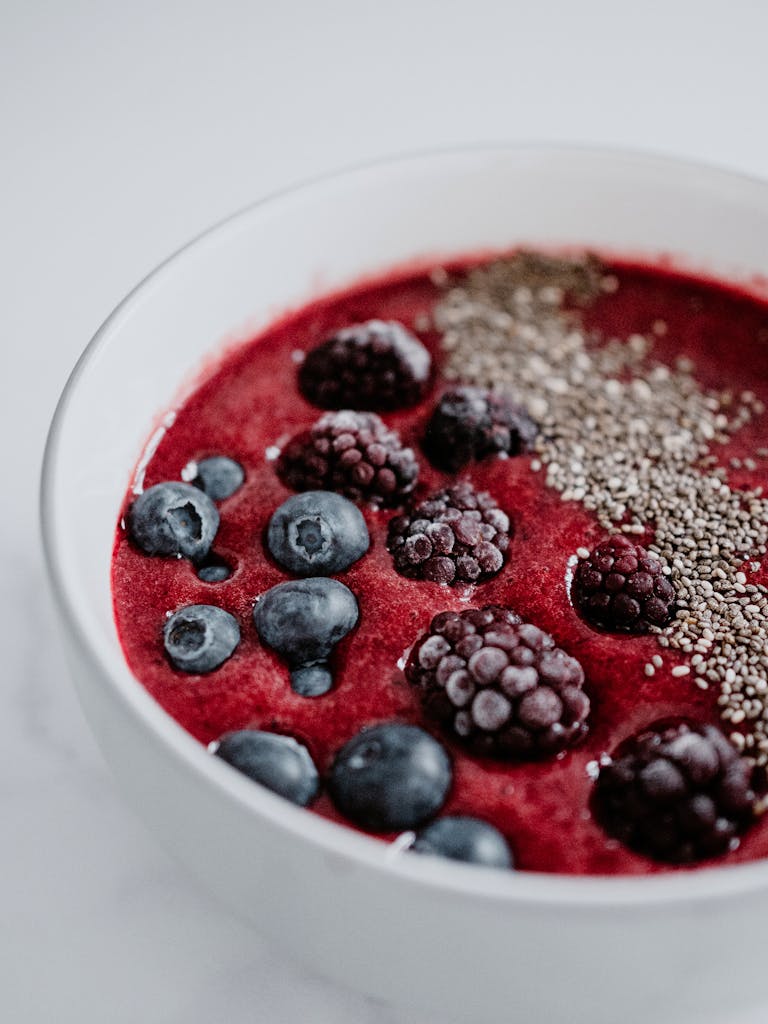
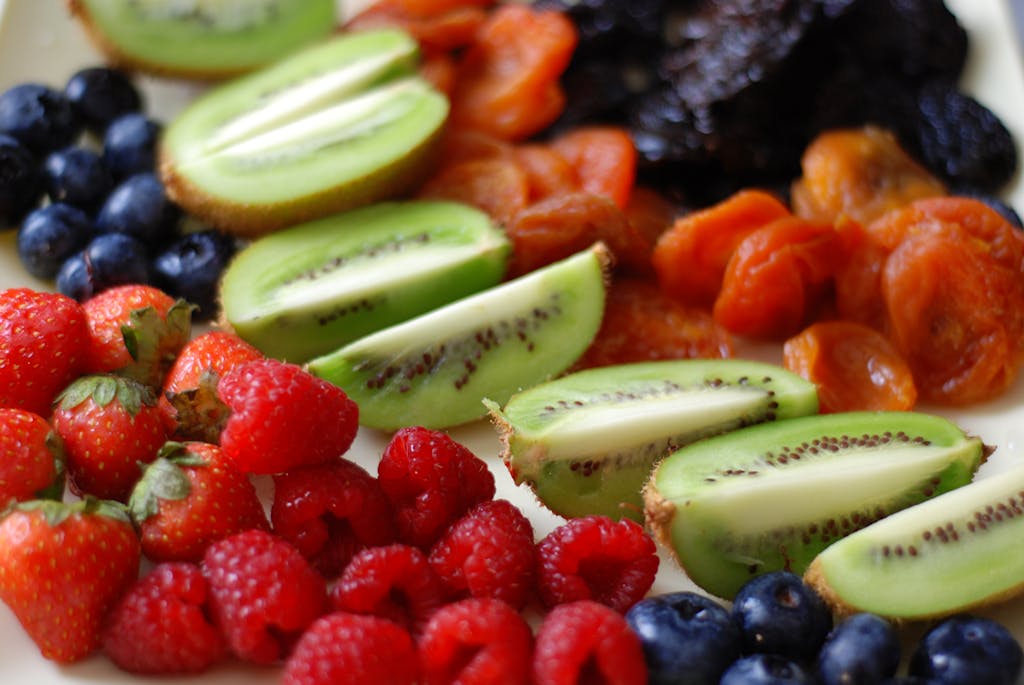
Whole fruit is one of the easiest ways to add fiber, water, vitamin C, potassium, polyphenols, and natural sweetness to the day. Berries are especially helpful because they give a good amount of fiber in a small portion, along with deep-colored plant compounds.
Apples and pears give more fiber when eaten with the skin. Kiwi, oranges, and prunes can also be great, especially when you want fruit that fits breakfast bowls, snacks, yogurt, or baking.
High Fiber Vegetables
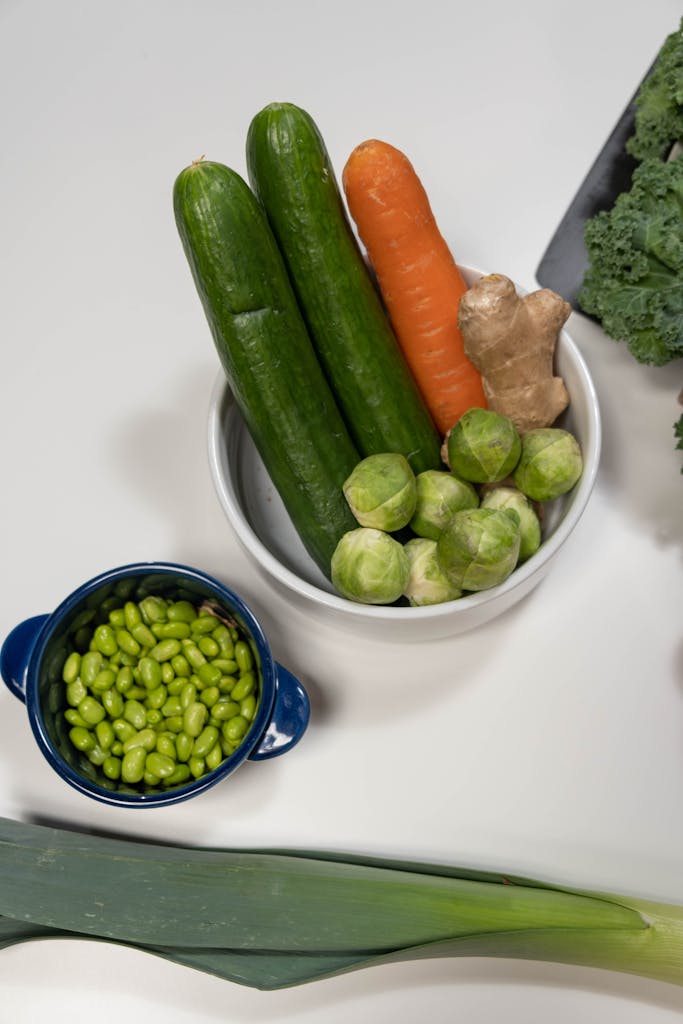
Vegetables add fiber to meals in simple additions. Broccoli, Brussels sprouts, artichokes, carrots, beetroot, peas, squash, and leafy greens all add different textures, colors, vitamins, minerals, antioxidants, and plant compounds.
Cooked vegetables can be easier to use regularly because they fit into soups, stews, roasted trays, omelets, sauces, and warm salads. Raw vegetables give crunch and freshness, especially in salads, slaws, and side dishes with olive oil, lemon, herbs, nuts, or seeds.
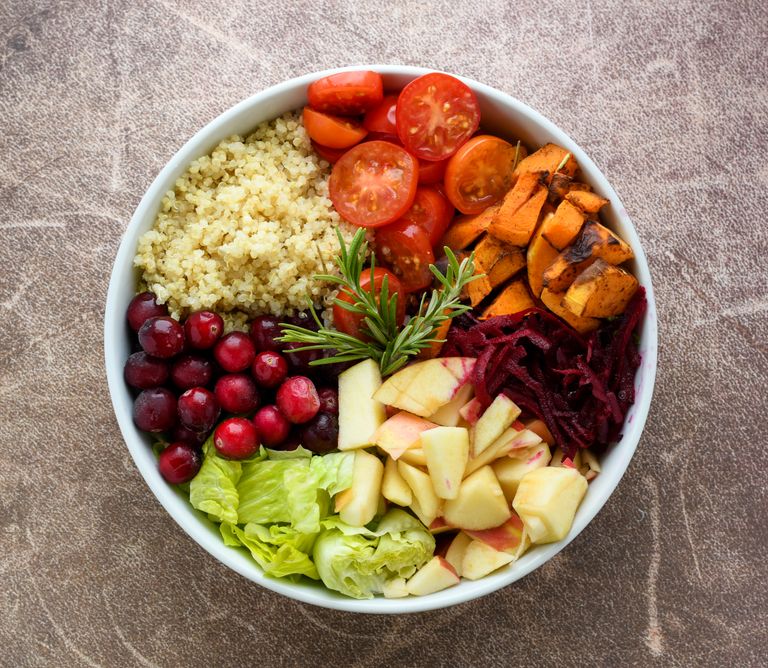
A good fiber-rich plate usually comes from mixing these groups across the day: pulses in one meal, seeds at breakfast, vegetables at lunch or dinner, fruit as a snack, and gluten-free whole grains where they fit.
How to Boost Your Fiber Intake
1. Start with Whole Foods First
Lean into whole, minimally processed foods, veggies, legumes, whole grains like quinoa, gluten‑free oats, brown rice, and naturally fibrous fruits and seeds. These deliver fiber plus a rainbow of nutrients.
.
2. Make Breakfast Fiber-Rich
Before your morning brew, add gently ground gluten‑free oats to your porridge, or stir chia or flaxseed into your overnight oats or yogurt. I’ve tested these again and again; I swear they make mornings feel more grounded.
3. Veg at Every Meal
Start your meal with a rainbow of cooked or raw veggies, like gentle kale, broccoli, or sweet potato wedges with skin on. It’s a lovely, low-effort way to weave in insoluble fiber.
4. Embrace Beans, Lentils & Pulses
Even half a portion of chickpeas or lentils provides a lovely boost of soluble fiber and adds heartiness to stews, salads, or curries. It’s a tiny habit with a big payoff.
5. Snack Smart: Nuts, Seeds & Whole Fruits
Almonds, pistachios, sunflower seeds, raspberries, and apples (with the skin) are easy, snackable fiber heroes. They keep you feeling fuller and bring slow-release goodness.
6. Ditch Juice, Eat the Whole Fruit
Fruit juice? Great for flavor, but not fiber. Whole fruits, especially with skins and seeds, pack the real gut-loving benefits.
7. Find Gluten-Free Wholegrain Swaps
Even if you’re avoiding wheat, there’s joy in buckwheat, quinoa, gluten-free brown rice, or legume-based pastas, all rich in fiber and satisfyingly nourishing.
8. Diversify Your Fiber Types
Try things like avocado, blackberries, artichokes, or Jerusalem artichokes; these offer unique fibers (some prebiotic!) and keep meals interesting.
9. Hydrate as You Up the Fiber
As you increase fiber (especially insoluble), water becomes your friend; fiber draws in fluid, so sipping throughout the day prevents unwanted discomfort.
10. Slow and Steady Wins the Day
Gradual progress, swapping white rice for brown or adding one extra portion of vegetables, is kinder to your digestion and more sustainable than big leaps.
11. Stay Hydrated
As you increase your fiber intake, remember that fluids are just as important as the foods you eat. Fiber naturally draws in water, which softens stools and keeps things moving comfortably. However, without enough fluids, all that fiber can leave you feeling sluggish or bloated. Aim for around 1.5–2 liters of water daily (6–8 glasses) alongside your fiber-rich meals to keep your digestion smooth and your gut microbes happy.
High Fiber Recipes to Try Next
- Homemade Hummus combines chickpeas, tahini, lemon, garlic, and olive oil into a creamy dip rich in fiber, plant protein, healthy fats, and minerals.
- Raspberry Chia Jam uses raspberries and chia seeds. This homemade jam is among the richest in fiber, plant compounds, and natural sweetness, making it ideal for breakfasts, yogurt bowls, and baking.
- Vegetable Soup makes it easy to add cooked vegetables to a warm meal, especially when softer textures help digestion.
- Gluten-Free Overnight Oats combines certified gluten-free oats, fruit, seeds, nuts, and yogurt into one easy breakfast.
- Beetroot, Carrot, and Apple Salad brings raw vegetables, fruit, lemon, olive oil, and walnuts into a fiber-rich side dish with crunch and color.
- Fiber Boost Breakfast Mix is a great way to add extra fiber to your breakfast bowl, omelets, and baking.
FAQs
What foods are highest in fiber?
Beans, lentils, chickpeas, chia seeds, ground flaxseed, raspberries, blackberries, artichokes, peas, certified gluten-free oats, buckwheat, quinoa, nuts, seeds, and vegetables with skin are among the most useful high-fiber foods. Pulses and seeds are especially helpful because they bring fiber together with protein, minerals, and plant compounds.
How can I eat more fiber on a gluten-free diet?
Build meals around naturally gluten-free fiber sources such as lentils, beans, chickpeas, vegetables, fruit, nuts, seeds, potatoes with skin, buckwheat, quinoa, millet, teff, brown rice, and certified gluten-free oats. Check packaged gluten-free products and choose higher-fiber versions where the ingredient quality works for you.
Which high-fiber foods are easiest to add to breakfast?
Chia seeds, ground flaxseed, certified gluten-free oats, berries, nuts, seeds, and yogurt bowls are easy breakfast options. Add one spoon of ground flaxseed or chia seeds first, then build from there.
Can high fiber foods cause bloating?
Yes, a sudden increase in beans, lentils, seeds, raw vegetables, or fiber supplements can feel heavy for some people. Increase portions gradually, drink enough fluids, chew well, and use cooked vegetables or smaller portions of pulses while your gut adapts.
Are fiber supplements better than high fiber foods?
Whole foods bring fiber together with vitamins, minerals, antioxidants, plant protein, healthy fats, and plant compounds. Supplements such as psyllium, inulin, and pectin can help when you can’t meet your daily fiber needs, but they work best when paired with whole foods.
How much fiber should I aim for each day?
Many adults benefit from building toward around 25–30 g of fiber daily, depending on age, sex, appetite, digestion, and overall food intake. A gradual increase usually feels better than a sudden jump.