
Dairy and Gut Microbiome Health

At a seminar recently, I found myself queuing for lunch next to a girl who mentioned she was lactose intolerant. I asked whether she could tolerate hard cheese or yogurt, the way I do. She said no. No dairy at all.
Honestly, I wanted to ask more, but we had only just met, and there are limits to how far you take the dairy and gut health conversation with a stranger in a lunch queue. I let it go. But I kept thinking about her afterward, and about how many people are living the same experience: avoiding an entire food group, often without fully understanding why their bodies respond the way they do, or whether there might be more room to work with than they have been told.
The relationship between dairy and gut health is more layered than most people realize, and the reason two people respond so differently to the same food lies within the gut itself. Your gut bacteria determine a large part of your individual dairy experience: how you handle lactose, how you process dairy proteins, and whether fermented dairy feels completely different from fresh milk.
Understanding what is actually behind that variation can make a real difference. For some people, it might even make life a little more delicious.

And because there are amazing fermented dairy foods that even individuals with lactose intolerance can enjoy, this article explores that relationship. If you want to understand whether you have lactose intolerance or a dairy allergy, that is covered in detail in the Lactose Intolerance vs Dairy Allergy post. There are more nuances that are worth revealing.
If you want the deep dive on casein, A1 vs. A2 milk, and BCM-7, the Casein Intolerance post covers all of that. Here, we look at the one piece that connects it all: what your gut bacteria actually do with dairy and why that changes everything.
Dairy and Gut Health: The Same Food, Two Different Body Responses
Most conversations about dairy tolerance stop at the enzyme. You either produce enough lactase to digest lactose, or you don’t. End of story.
The real picture is more interesting than that. While your body’s ability to produce lactase is genetic and typically declines throughout adulthood, your gut bacteria may determine how much it affects you.
Your gut is home to trillions of bacteria, each with specific roles in how food gets processed. Some of those bacteria are directly involved in dairy and gut health. They handle lactose fermentation, transform dairy proteins into smaller compounds, and regulate how the gut lining responds to what passes through it.
The composition of your particular microbial community, or who lives in your gut, in what numbers, doing what jobs, shapes your entire dairy experience, from whether you bloat to whether you feel strangely comforted after eating cheese.
Two people with the same amount of lactase enzyme can still respond very differently to the same dairy food because the bacteria working alongside that enzyme differ. This is what the research on dairy and gut health keeps coming back to: individual variation in dairy tolerance is largely microbial-dependent.
What Bacteria Help With Lactose Intolerance?
When you eat dairy, lactose, the sugar in milk, needs to be broken down by an enzyme called lactase. In people who produce ample lactase, this occurs efficiently in the small intestine, and nothing unusual occurs.
In people with lower lactase levels, some lactose passes into the large intestine undigested. There, it meets the gut bacteria. What happens next depends entirely on which bacteria they are.
Bifidobacteria are the key players in dairy and gut health. These bacteria actively ferment lactose in the colon, breaking it down and producing short-chain fatty acids. People with high Bifidobacterium levels tend to experience much milder lactose intolerance symptoms; less bloating, less discomfort, compared to people with lower levels, even when their lactase enzyme output is similar.
A very interesting research published in the American Journal of Clinical Nutrition found that the severity of bloating and abdominal pain after dairy consumption is partly predicted by individual Bifidobacterium levels. The same glass of milk produces measurably different symptoms in different guts, and the bacteria are a significant part of why.
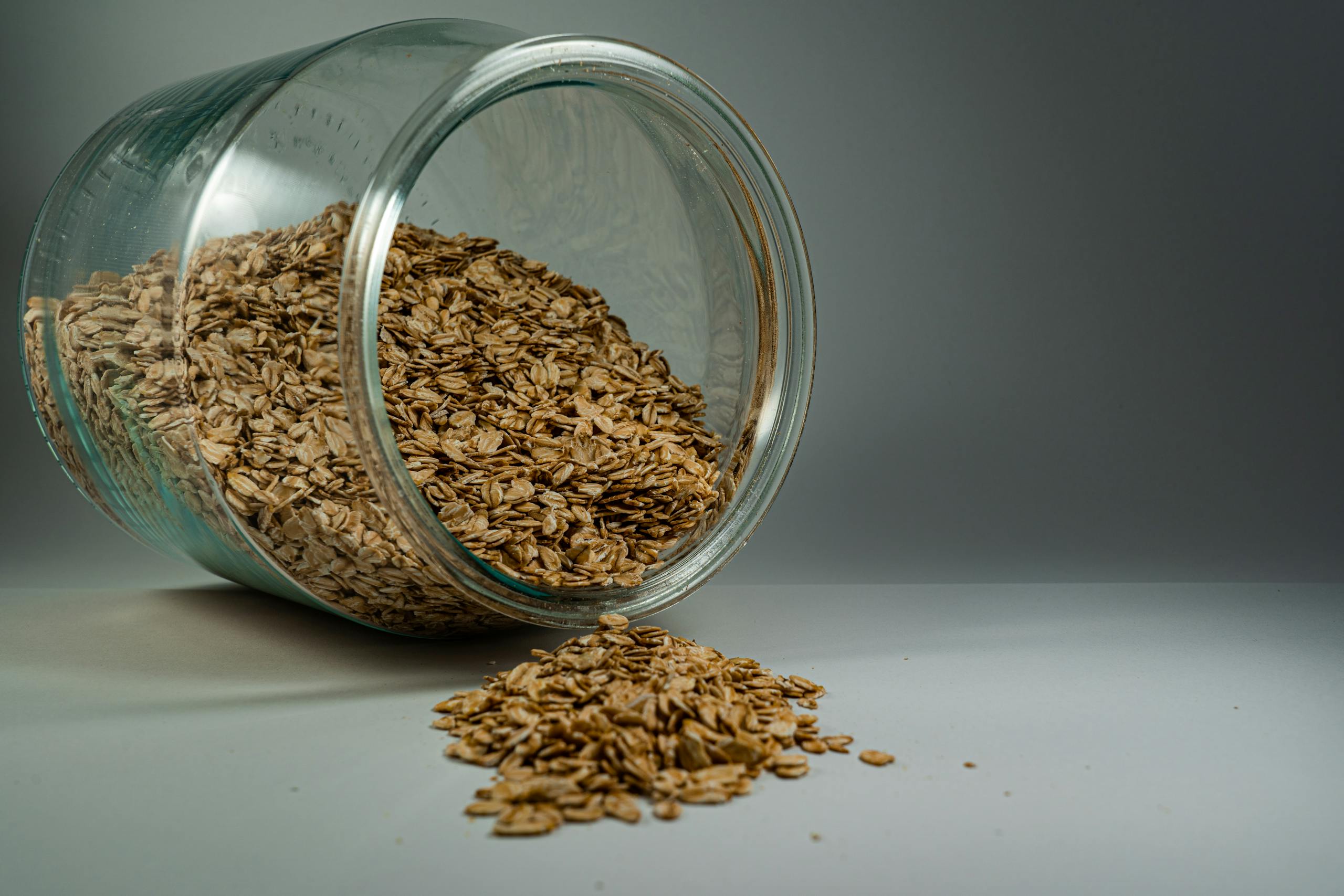
What does this mean? Bifidobacterium populations respond directly to diet. Prebiotic foods, such as garlic, onion, leeks, asparagus, oats, and slightly underripe bananas, specifically feed these bacteria. A diet low in fiber and fermented foods tends to reduce them. Dairy tolerance, in this sense, is partly a reflection of how well the overall microbial community has been fed. This is one of the clearest examples of how dairy and gut health are inseparable: the bacteria shape the experience as much as the food itself.
Dairy Proteins and Gut Health: Beyond Lactose
When casein, the main protein in dairy, is digested, it can release small peptide fragments, including compounds called casomorphins. These fragments have mild opioid-like activity and bind receptors in the gut wall, where they can slow gut movement and influence how the gut lining responds.
Research on casomorphins shows that the microbiome acts as a central processor in how these fragments are dealt: gut bacteria transform casomorphins into further metabolites, regulate the immune signaling they trigger, and determine how much reaches the bloodstream.
Two people eating the same piece of cheese will produce different amounts of casomorphins, process them at different rates, and experience different gut responses, all because of the microorganisms living in their gut. This is one reason why some people find dairy genuinely comforting, while others find it leaves them feeling foggy or heavy: the gut produces different signals in response to the same food.
For the full science on casomorphins, A1 vs. A2 milk, and individual casein sensitivity, the Casein Intolerance post covers it in depth.
Is Fermented Dairy Easier to Digest?
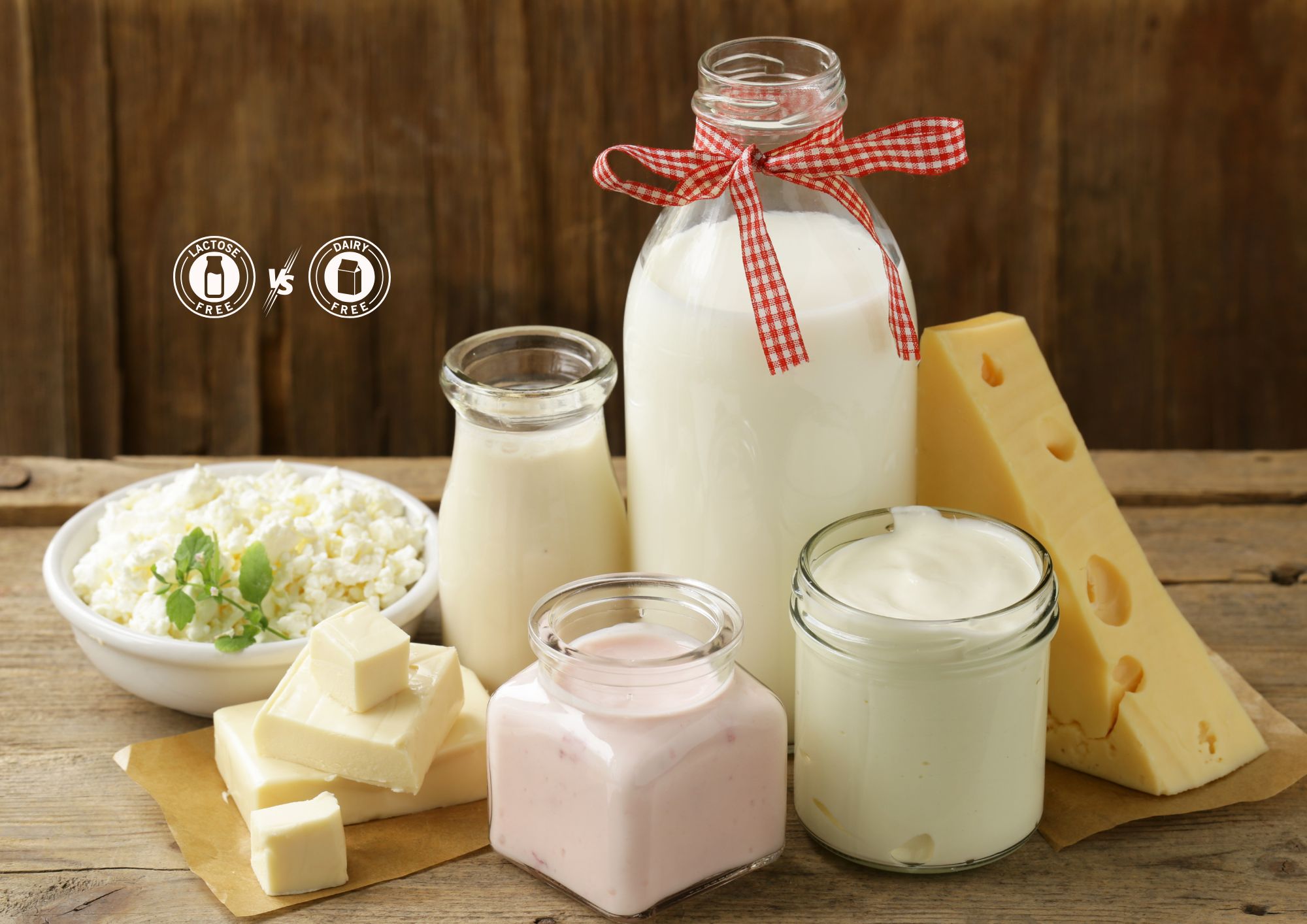
When dairy is fermented into yogurt, kefir, or aged cheese, the bacteria involved in fermentation perform a significant amount of digestion before the food ever reaches your gut. They consume lactose as their own food source during fermentation, substantially reducing its content. They also partially break down casein, producing shorter protein fragments that are easier to process. And they change the food’s physical structure in ways that affect how quickly it empties from the stomach.
In addition, because yogurt is a structural gel rather than a free-flowing liquid, your digestive tract processes its nutrients on an entirely different timeline. I dive deep into this mechanical slowdown in my guide to how the yogurt matrix acts as a protein speed limit.
Research confirms that fermented dairy products are better tolerated by people with lactose intolerance, and that the bacteria in fermented dairy carry their own lactase activity into the gut, continuing the digestion process once consumed. This is why many people who react to fresh milk manage yogurt and kefir without any trouble. The bacteria have already done part of the work.
The longer the fermentation, the more complete this pre-digestion tends to be. A 24-hour fermented yogurt, like the homemade Bulgarian yogurt I make regularly, has far less lactose remaining than a standard commercially produced yogurt fermented for only a few hours. The bacteria had more time to work through it. One of those bacteria is Lactobacillus bulgaricus – the strain at the heart of traditional Bulgarian yogurt, named after the country, and now used in yogurt cultures worldwide. It produces lactic acid, drives lactose reduction during fermentation, and has a story of its own that I’m proud of.
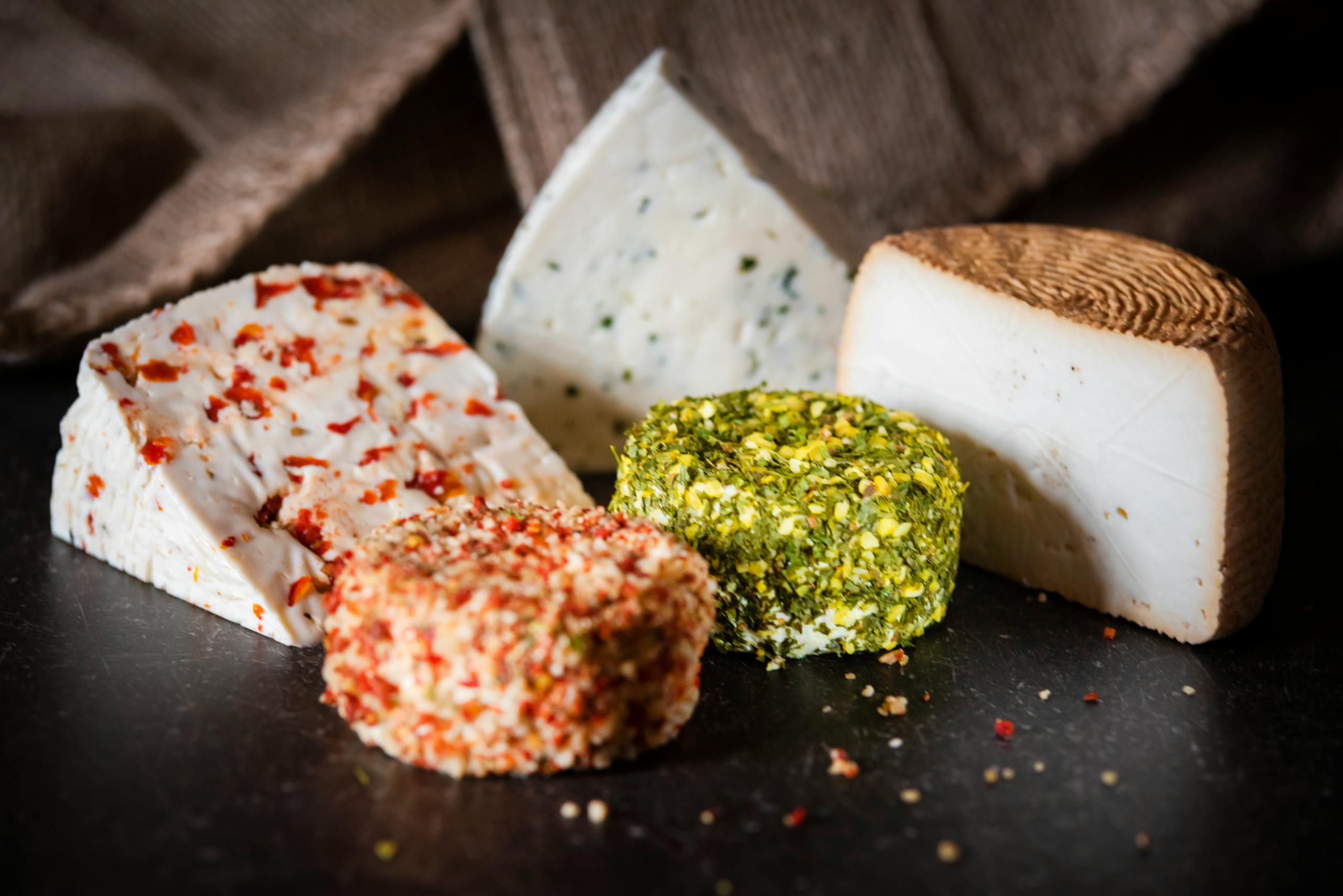
Aged hard cheeses follow the same pattern. The months-long aging process allows bacterial and enzymatic activity to break down most of the lactose. Parmesan, Pecorino, and aged Manchego often contain virtually none. The dairy is still there; the lactose is nearly gone.
Some traditional aged cheeses also contain Lactobacillus reuteri – one of the more remarkable bacteria in fermented foods, because it is among the few that colonize the gut persistently. It produces a natural antimicrobial compound called reuterin, supports the gut lining, and has a strong enough research profile to deserve its own dedicated article, which is coming.
Fresh dairy, on the other hand – standard supermarket milk, ricotta, cream cheese, ice cream- retains its full lactose content and largely intact casein structures. This is where sensitive guts struggle most, and where microbial variation shows up most clearly.
For a full explanation of what happens during fermentation and why it changes food so fundamentally, the science of fermentation article covers it thoroughly.
Can You Improve Your Dairy Digestion?
This is the question most dairy-sensitive people never think to ask, and the short answer is: yes.
The bacteria that process lactose and dairy proteins respond to diet. Feed them well, and their capacity to handle dairy improves. The key factors:
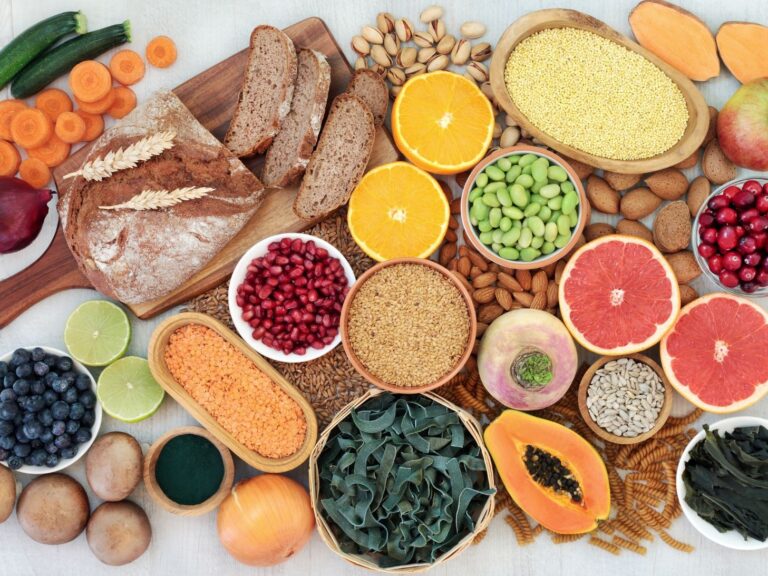
Increase prebiotic fiber: Prebiotic fibers in plant foods specifically feed Bifidobacterium and other bacteria involved in fermentation. Garlic, leeks, onions, asparagus, oats, and slightly green bananas are among the most effective. Consistent intake over weeks to months measurably increases Bifidobacterium populations. See What Dietary Fiber Is and Why We Need It for the specifics.
Eat fermented foods regularly: Fermented vegetables, water kefir, and fermented dairy with live cultures all introduce microbial activity into the gut. Diet shapes the microbial community in real time: consistent intake of fermented foods maintains the populations that support dairy and gut health.
Start with fermented dairy before fresh dairy. If you want to reintroduce dairy after a period of avoidance, fermented options, like 24-hour yogurt, kefir, and aged cheese, are a good starting point. They arrive in the gut partially pre-digested, with live cultures that support the work.
Give it time. The microbial community shifts gradually. Some people notice improved tolerance within a few weeks of consistent intake of prebiotics and fermented foods. For others, it takes longer. The gut is not a switch; it is a slow-moving ecosystem that rewards patience and consistency.
One important note: if you have a confirmed dairy allergy or an immune reaction to dairy proteins, none of this applies; dairy should be avoided entirely regardless of gut health. This post is about digestive sensitivity and tolerance, which are separate matters. If you are unsure which you are dealing with, the Lactose Intolerance vs. Dairy Allergy post will help you tell the difference.
Gut Microbiome and Lactose Intolerance
Dairy and gut health are not a one-size-fits-all relationship. Here is a practical framework based on the science:
If you react to most dairy, start with long-fermented yogurt and aged hard cheeses. Avoid fresh milk, ricotta, and ice cream initially. Support your gut with prebiotic-rich foods for 4–6 weeks before trying fresh dairy again in small amounts.
If you react to some dairy but tolerate yogurt and cheese, the microbial community is doing reasonable work. Continue fermented options, increase prebiotic fiber, and reintroduce other dairy slowly and in small portions.
If you react to all dairy, including fermented options: This warrants closer attention. It may indicate sensitivity to dairy proteins (casein or whey) rather than to lactose alone, or a broader gut imbalance. The Casein Intolerance post is next on the read list.
If you tolerate dairy well, your microbial community is handling it. Keep feeding those bacteria: fiber, fermented foods, dietary variety. Tolerance can shift with major changes to diet or gut health, so it is worth maintaining.
Take simple symptom notes: What dairy, how much, what symptoms, what else you ate that day, is more useful than any elimination protocol for identifying patterns specific to your gut.
My Story: Village Dairy and Why My Gut Remembers It
Growing up, I spent a significant amount of time at my grandparents’ village in Bulgaria. Their dairy was nothing like what you find in a supermarket. Fresh sheep’s milk and homemade yogurt. White cheese wrapped in cheesecloth, which I ate straight from when done and firm, with some salt. Everything made from scratch, nothing ultra-processed. I ate large amounts of dairy there and don’t remember having any tummy issues.
The yogurt was fermented long enough that most of the lactose had already been broken down by the time it reached my gut. The environment, soil, animals, and outdoor air supported a microbial community shaped differently from a city childhood. All of it contributed, and none of it was accidental.
Traditional food cultures figured out dairy tolerance long before anyone had heard of Bifidobacterium. Fermentation was the technology they used, and it worked. That is the thread running through dairy and gut health that modern nutrition is only now putting precise language to.
FAQs
Why does dairy affect my gut health differently from other people?
Your gut bacteria play a large role in your individual dairy experience. People with higher levels of Bifidobacterium tend to tolerate lactose better, as these bacteria actively ferment it in the colon. The microbiome also processes dairy proteins, including casomorphins, differently across people, producing different signals and gut responses to the same food. Diet, lifestyle, and early-life microbial exposure all shape this individual variation.
How does dairy and gut health relate? Is there a direct connection?
Dairy and gut health are closely connected in both directions. Your gut bacteria influence how well you digest dairy, breaking down lactose, transforming proteins, and regulating the gut lining’s response. And dairy, especially fermented dairy, can, in turn, support gut health by introducing live microbial cultures, providing prebiotic compounds, and contributing to the microbial diversity that keeps digestion running well.
Is fermented dairy better for gut health than fresh dairy?
For most people, fermented dairy is easier to digest. The fermentation process significantly reduces lactose, partially breaks down casein proteins, and introduces live bacteria with their own lactase activity that continues working in the gut. Long-fermented options like 24-hour yogurt, kefir, and aged cheeses tend to be the best-tolerated. Fresh dairy retains its full lactose content and intact protein structures, which is where most digestive sensitivity shows up.
Can improving gut health reduce lactose intolerance symptoms?
For many people, yes. Increasing Bifidobacterium populations through prebiotic-rich foods (garlic, leeks, oats, asparagus) and regular consumption of fermented foods can improve the gut’s capacity to handle lactose. This does not reverse the underlying enzyme variation, but it provides the gut with more microbial support for fermentation. Consistent dietary support over weeks to months produces the clearest results.
Why do I react to fresh milk but tolerate yogurt?
The bacteria involved in yogurt fermentation consume most of the lactose, so less reaches the colon intact. They also carry their own lactase-like activity into the gut, continuing digestion after consumption. Long-fermented yogurt goes furthest in this direction. Fresh milk retains its full lactose content and places a much greater demand on both your own digestive enzymes and the gut bacteria that support them.
Does dairy cause gut inflammation?
For people without a dairy allergy, dairy does not consistently cause systemic inflammation. Local gut irritation can occur in people with disrupted gut health, low microbial diversity, or significant lactose intolerance when consuming large amounts of high-lactose dairy. Fermented dairy and aged cheeses rarely produce this response even in sensitive individuals. If you suspect a protein reaction rather than a lactose one, the casein intolerance post covers that territory in detail.
Should I avoid all dairy if I have gut problems?
Starting with fermented and aged dairy options, supporting the gut with prebiotic fiber and fermented foods, and keeping a simple symptom diary gives you more information than elimination alone. If all dairy produces significant symptoms, including those not limited to the digestive system, a professional assessment is worthwhile to rule out a true dairy allergy.
Your Next Step
Start with one small change: swap one serving of fresh dairy this week for a fermented option. Long-fermented yogurt, a small portion of aged cheese, or a glass of kefir. Pay attention to how it feels compared to fresh milk or soft cheese. That single swap tells you something about where your gut currently stands – and it starts feeding the bacteria that make the difference.
Dairy and gut health are not in opposition. When properly understood, fermented dairy is one of the most accessible ways to support the microbial community that handles everything else you eat. Your gut has been shaped by decades of food choices, environment, and lifestyle. It also responds to what you do next.
Thank you for reading!