

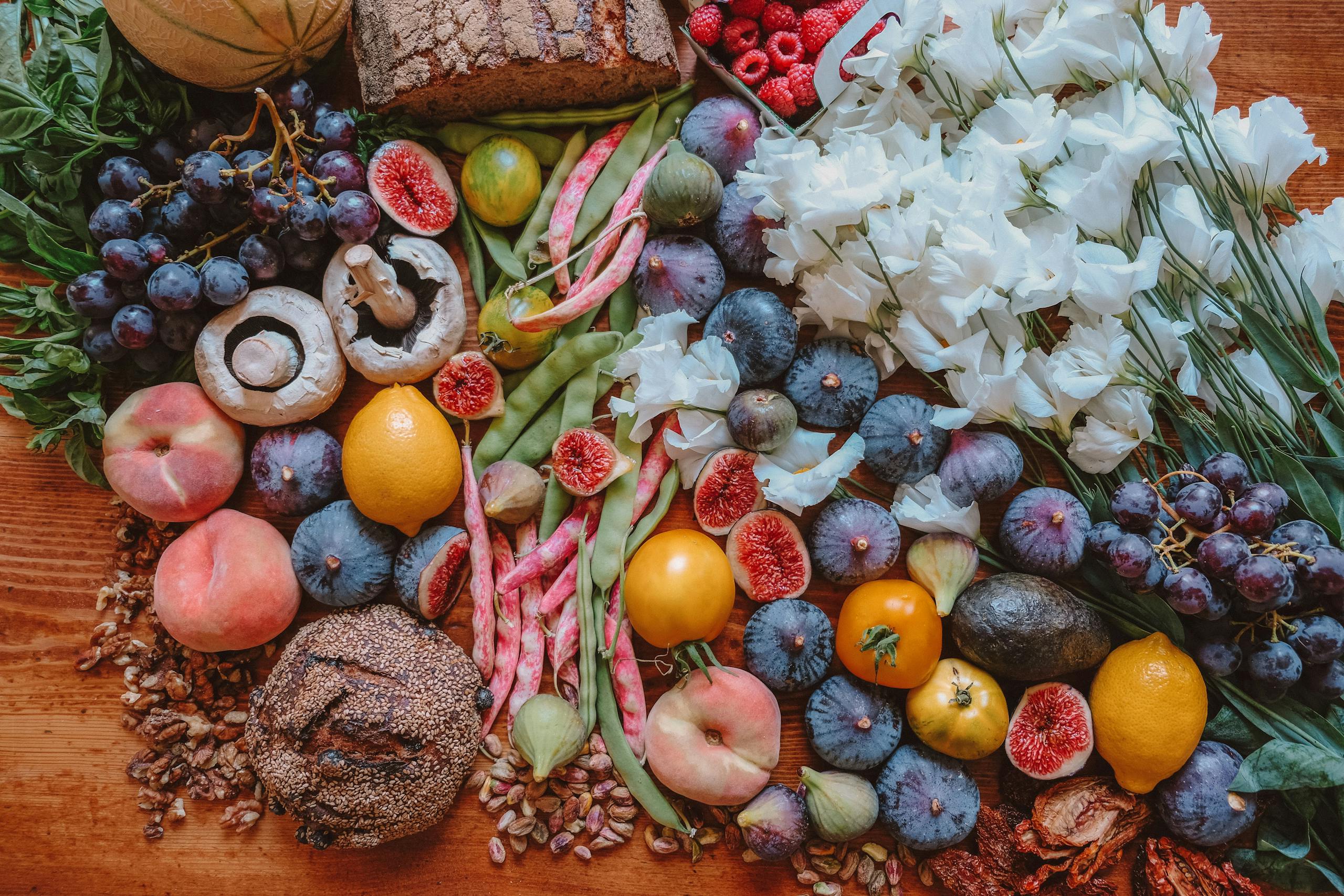
How to Supercharge Your Body With Gut Supporting Fiber

Dietary fiber is often the unsung wellness hero, even though most of us are missing the mark. In the UK, only about 4per cent of adults meet the 30 g/day recommendation, with the average intake of fibre-rich foods remaining around 19 g.
Yet, every little increase counts. According to the British Heart Foundation, a mere 7 g extra (around half a tin of baked beans) can lower your risk of serious chronic diseases by up to 9 per cent.
Why Fiber Matters
From bolstering your gut microbiome to smoothing blood sugar swings, calming cholesterol, and keeping your digestion moving, fibre is foundational to how we feel. And the best bit? You don’t have to overhaul your diet. Let’s explore warm, practical ways to weave more of it in.
Types of Dietary Fiber
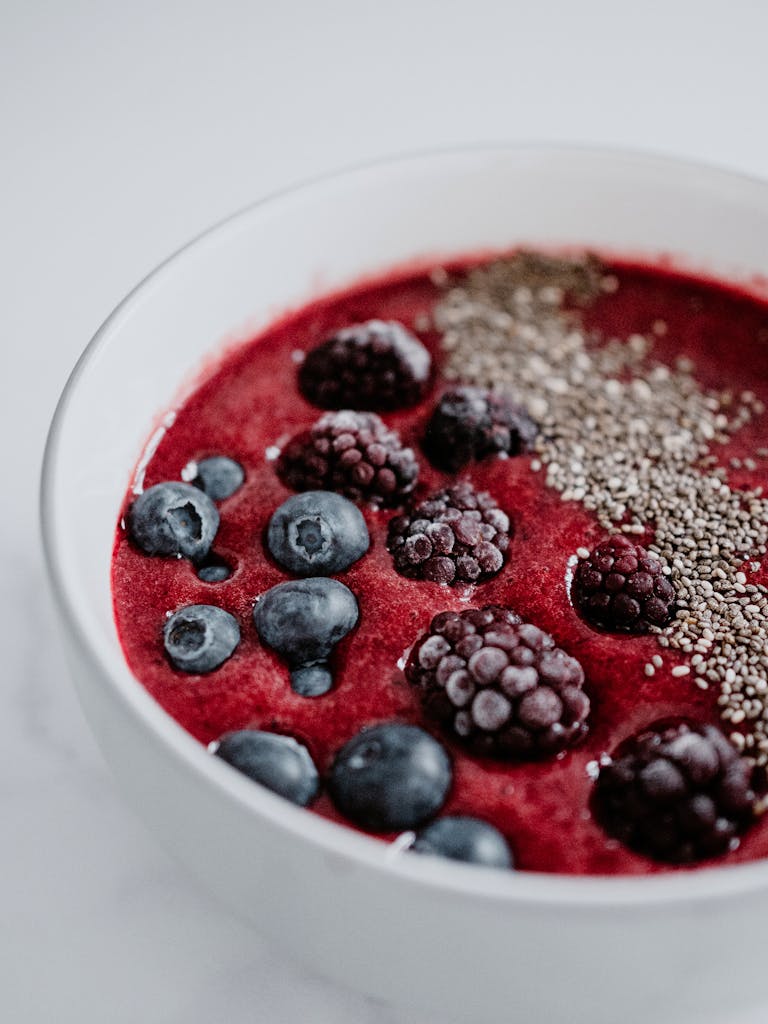
Let’s quickly set the scene: fiber comes in two primary forms. Soluble fibre dissolves in water, forming a soothing gel that gently eases digestion, supports healthy blood sugar levels, and fuels good gut bugs—think oats, apples, and pulses.
Insoluble fibre stays intact, adding much‑needed bulk to help keep everything moving. It is found in potato skins, whole grains, nuts, and vegetables. Most fibre-rich foods happily offer both, giving you a wonderful harmony of benefits.
These Oat Gluten-Free Muffins are perfect morning fuel. For lunch, add a cup of Steamed Broccoli with Lemon to your main. Another great addition, not only high in fibre but bursting with polyphenols, is this colourful and delicious Beetroot and Carrot Salad.
Understanding the health benefits of dietary fiber is an important first step, but putting this knowledge into practice can be challenging. Practical strategies for everyday eating are explored in a separate article on how to increase fibre intake.
How Much Fibre in Your Diet Do You Need?
UK guidelines suggest aiming for 30 g/day for adults. That’s a gentle increase from previous advice.
In the US, it’s around 25 g for women and 38 g for men, based on calorie intake. Wherever you’re starting from, a gradual increase—giving your body time to cosy up to the change—is key.
How to Boost Your Fibre Intake (Gluten-Free Friendly)
1. Start with Whole Foods First
Lean into whole, minimally processed foods—veggies, legumes, whole grains like quinoa, gluten‑free oats, brown rice, and naturally fibrous fruits and seeds. These deliver fibre plus a rainbow of nutrients.
.
2. Make Breakfast Fibre-Rich
Before your morning brew, add gently ground gluten‑free oats to your porridge, or stir chia or flaxseed into your overnight oats or yoghurt. I’ve tested these again and again—I swear they make mornings feel more grounded.
3. Veg at Every Meal
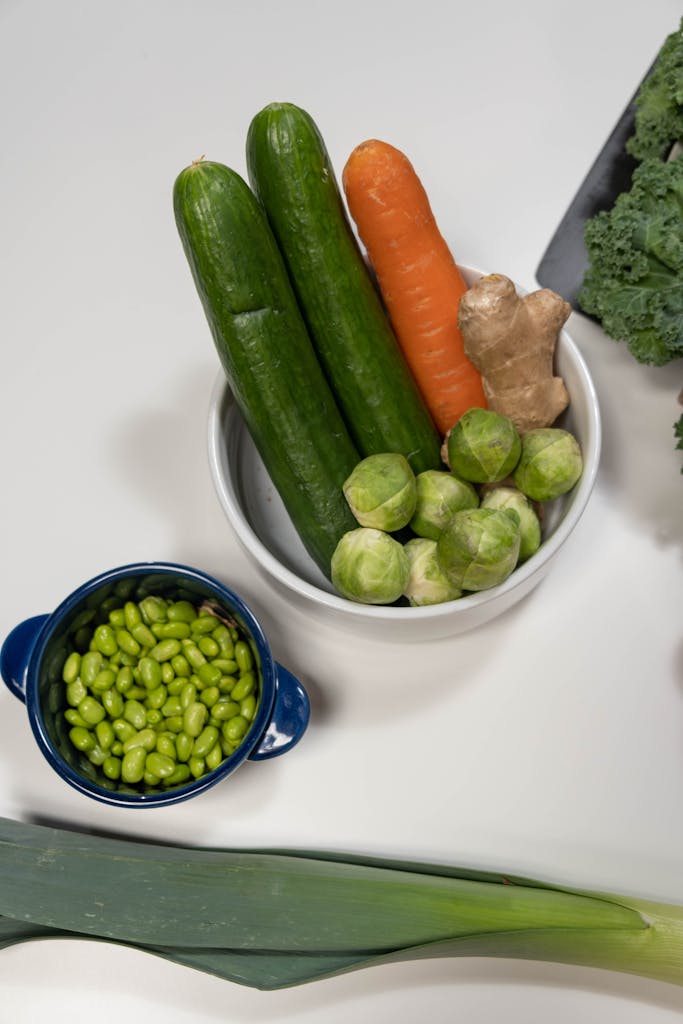
Start your meal with a rainbow of cooked or raw veggies—like gentle kale, broccoli, or sweet potato wedges with skin on. It’s a lovely, low-effort way to weave in insoluble fibre.
4. Embrace Beans, Lentils & Pulses
Even half a portion of chickpeas or lentils gives a lovely soluble fibre boost and adds heartiness to stews, salads, or curries. It’s a tiny habit with a big payoff.
5. Snack Smart: Nuts, Seeds & Whole Fruits
Almonds, pistachios, sunflower seeds, raspberries, apples with their skin—they’re easy, snackable fibre heroes. They keep you feeling fuller and bring slow-release goodness.
6. Ditch Juice, Eat the Whole Fruit
Fruit juice? Great for flavour, but not fibre. Whole fruits—especially with skins and seeds—pack the real gut-loving benefits.
7. Find Gluten-Free Wholegrain Swaps
Even if you’re avoiding wheat, there’s joy in buckwheat, quinoa, gluten-free brown rice, or legume-based pastas—all rich in fibre and satisfyingly nourishing.
8. Diversify Your Fibre Types
Try things like avocado, blackberries, artichokes, or Jerusalem artichokes—these offer unique fibres (some prebiotic!) and keep meals interesting.
9. Hydrate as You Up the Fibre
As you increase fibre (especially insoluble), water becomes your friend—fibre draws in fluid, so sipping throughout the day prevents unwanted discomfort.
10. Slow and Steady Wins the Day
Gradual progress—swapping white rice for brown or adding one extra portion of vegetables—is kinder to your digestion and more sustainable than big leaps.
11. Stay Hydrated
As you increase your fibre intake, remember that fluids are just as important as the foods. Fibre naturally draws in water, which softens stools and keeps things moving comfortably. However, all that fibre can leave you feeling sluggish or bloated without enough fluids. Aim for around 1.5–2 litres of water daily (6–8 glasses) alongside your fibre-rich meals to keep your digestion smooth and your gut microbes happy.
What I’ve Learned Testing Fibre Foods
Over the years, gentle tweaks have become automatic, like stirring chia into a smoothie, doubling up on veggies, or switching to buckwheat porridge. I’ve learned to honour how my gut responds, increase fibre slowly, stay hydrated, and keep it varied. My digestion improved, my gut felt more grounded, and my meals felt more nourishing, too.
The Ultimate High-Fibre Foods List
1. Chia Seeds – 9 g per 2 tbsp
Tiny but mighty, packed with soluble fibre and omega-3s. Perfect in puddings, smoothies, and baking.
2. Flaxseeds – 5 g per 2 tbsp
Flax is an excellent source of fibre and lignans. Ground flax is ideal for breads or egg substitutes, allowing for better absorption.
3. Oats – 4 g per ½ cup dry
Naturally gluten-free when certified. Rich in beta-glucan soluble fibre for heart health.
4. Quinoa – 5 g per cup cooked
A complete protein and a fibre-friendly gluten-free grain. Works beautifully in salads, porridges, and side dishes.
5. Lentils – 8 g per ½ cup cooked
Affordable, filling, and fibre-packed. Great for stews, soups, or veggie patties.
6. Black Beans – 7.5 g per ½ cup cooked
Delicious in curries, stews, or blended into dips. A protein + fibre powerhouse.
7. Almonds – 3.5 g per handful
Crunchy snack, rich in healthy fats and fibre. Great in granolas or desserts.
8. Avocado – 7 g per ½ medium
Creamy, versatile, and fibre-rich—plus packed with potassium and healthy fats.
9. Raspberries – 8 g per cup
One of the highest-fibre fruits. Sweet, tart, and a perfect topper for yoghurts and desserts.
10. Pear – 5–6 g per medium fruit
Especially when eaten with the skin. Hydrating, refreshing, and rich in fibre.
11. Apple – 4 g per medium fruit
Classic snack with both soluble and insoluble fibre. Keeps blood sugar steady.
12. Broccoli – 5 g per cup cooked
Rich in insoluble fibre plus antioxidants. Great roasted, steamed, or in soups.
13. Sweet Potato – 4 g per medium (with skin)
Comfort food that doubles as fibre fuel. Bake or roast with the skin for full benefits.
14. Artichoke – 7 g per medium
It is one of the top fibre veggies, and it is also rich in prebiotics like inulin. Great steamed or blended into dips.
Fancy a Freebie?
Subscribe for my newsletter
and get your FREE eBook with 7 delicious gluten-free desserts!
*We will only send you gluten-free, lactose-free, refined sugar-free emails; you can unsubscribe anytime. Read our Privacy & Cookie Policy.

FAQs
1. How quickly should I add more fibre?
Slowly. Start with one change a week. Let your body adjust.
2. Can fibre cause bloating or discomfort?
Yes—especially if you increase it too fast or don’t drink enough. Increase gradually and hydrate.
3. What substitutes work if I can’t tolerate legumes?
Stick to veggies, seeds (like chia or flax), and whole grains (like quinoa or buckwheat). You can still reach lovely fibre levels that way.
4. Are fibre supplements okay?
Absolutely! Food first is always the best, but supplements can help, especially for busy individuals. Whole foods also provide more nutrients.
5. How can I track fibre?
Use a nutrition app or glance at labels: 6 g+ per 100 g = “high fibre”; 3 g = “source of fibre”
6. What’s the best gluten-free grain for fibre?
Quinoa, buckwheat, oat groats (certified gluten‑free), brown rice, and millet are all fantastic options.
7. How much water should I drink with high-fibre foods?
It’s important to stay well-hydrated when eating more fibre. Aim for around 1.5–2 litres of fluids daily (6–8 glasses of water or herbal teas). Fibre works by drawing in water, which helps soften stools and smooth digestion. Without enough fluids, fibre can cause bloating or constipation.
Before You Go
You’ve got this! It’s about kind, steady progress, not perfection. Every gentle swap—like adding beans to a curry, choosing buckwheat, or simply keeping skins on—moves you closer to a happier, more nourished gut.
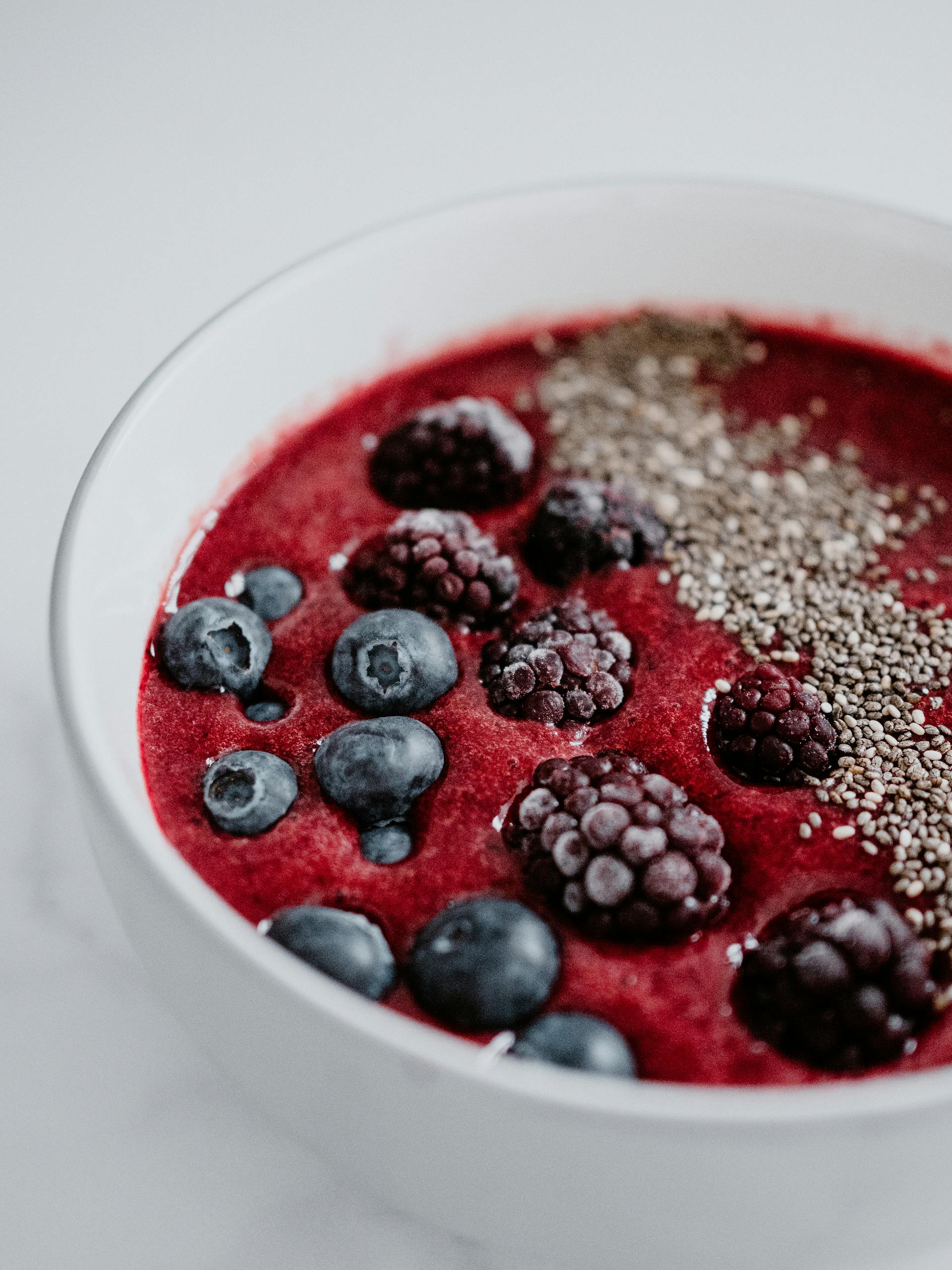

High-Fibre Foods List: 14 Gut-Loving Foods to Boost Digestion
Ingredients
Method
- Sprinkle chia or flaxseeds onto porridge, yoghurt, or smoothies.
- Swap refined grains for gluten-free whole grains such as quinoa or brown rice.
- Add beans or lentils to soups, stews, and curries for a fibre boost.
- Snack on nuts, seeds, or berries between meals.
- Keep skins on fruits and vegetables whenever possible.
- Stay hydrated, and increase fibre slowly to allow your digestion to adapt.
Notes
- UK fibre recommendation: 30 g/day for adults.
- Fibre supports digestion, gut microbiome health, blood sugar balance, and satiety.
- Both soluble and insoluble fibres are important for health—these foods offer a mix of both.
- 💧 Important: Always drink enough fluids when increasing fibre. Aim for at least 1.5–2 litres of water daily (around 6–8 glasses). Fibre draws in water, so fluids help keep digestion smooth and prevent bloating or discomfort.
YourDani x x
Tried this recipe?
Let us know how it was!
Mention @deglutenistanutrition and tag #deglutenistanutrition — you’ll make my day! 🌿✨



Thank you for stopping by! I’m Dani!
nutrition student | Healthy Live Promoter | Gluten-free recipe developer
Welcome to DeGlutenista Nutrition!
Your visit really means the world to me. I’m happy to share simple, nourishing gluten-free recipes and practical food tips focused on gut health and clean eating, all with an emphasis on reducing ultra-processed ingredients.
My approach is simple: practising mindful eating, regardless of food sensitivities, can be both tasty and healthy.