


Menopause Fatigue Causes: Why Low Energy Is Not “Just Hormones”

This post may contain affiliate links. If you make a purchase through these links, I may earn a small commission at no extra cost to you. I only recommend products I personally use and trust. Thank you for your support!
Fatigue becomes so common in midlife that many women begin to accept it as inevitable. Heavy limbs. Brain fog. Poor sleep. A constant sense of running on empty. These symptoms are frequently dismissed as “just menopause”, something to endure rather than understand. Grasping the menopause fatigue causes can help uncover deeper nutritional and metabolic factors.
Yet for many women, persistent low energy is not driven by hormones alone. It often reflects a quieter combination of rising nutritional demand, reduced absorption efficiency, chronic stress exposure, and subtle metabolic change that develops over time.
Understanding the real causes of menopause fatigue can help shift the conversation from resignation to investigation. Midlife fatigue is not a personal failure. It is a signal from the body that deserves attention… We just need to decode it.
In this article, I explore the nutritional, metabolic, and gut-related factors that commonly contribute to fatigue during menopause, drawing on current evidence and clinical guidance to support informed conversations with healthcare professionals.
If you like this article, there is a comprehensive guide about Midlife Sleep Problems, possible solutions, plus my own experience.

Fatigue After 40: Hormonal Change or Hidden Nutrient Gaps?
Nutrient Deficiencies in Menopause Often Go Unnoticed
As women move through their forties and fifties, nutritional demand increases while absorption efficiency declines. Modern life adds further pressure through chronic stress, fragmented sleep, and limited sunlight exposure in the UK. Blood sugar responses also shift during midlife. When dietary restrictions are layered on top, the risk of hidden insufficiency rises even further.
Fatigue in midlife is always multi-factorial. Hormonal fluctuation influences sleep quality, thermoregulation, and mood, as outlined in the NHS menopause overview. At the same time, stress responsibility often peaks. Careers intensify. Caring roles expand. Academic study, work transitions, and emotional load accumulate.
Meanwhile, low-grade inflammatory activity may rise through years of metabolic strain and dietary exposure. These elements interact rather than act in isolation, a pattern also discussed by the British Menopause Society.
Oestrogen decline during perimenopause and menopause influences iron regulation, vitamin D metabolism, neurotransmitter balance, and insulin sensitivity, as recognised in the NICE menopause guidelines. However, hormones depend heavily on adequate micronutrient availability. When nutrient status is sub-optimal, hormonal adaptability becomes less efficient.
This is why low energy in menopause often masks correctable nutritional stress — a symptom also described by Women’s Health Concern. The question is not whether hormones play a role. The question is whether the foundation supporting them is strong enough.

The Four Nutrient Markers Most Commonly Linked to Midlife Fatigue
Ferritin (Iron Stores)
Because iron absorption can be impaired long before overt deficiency becomes visible, symptoms alone are an unreliable guide. This is where objective biomarkers become important. Ferritin, which reflects iron stores rather than circulating haemoglobin, often declines quietly during midlife and may signal developing deficiency before anaemia is diagnosed. Understanding ferritin status, therefore, provides a more accurate starting point for investigating fatigue linked to iron availability.
Low ferritin is associated with persistent tiredness, poor concentration, hair thinning, cold extremities, and reduced exercise tolerance. Perimenopausal menstrual irregularity further increases iron demand. Importantly, ferritin status cannot be reliably assessed by symptoms alone. Objective measurement is required.
A separate, dedicated article about iron is coming soon!!
If you’re looking for gluten-free, iron-supportive meals, my Chicken Liver with Rice and Vegetables recipe and Beef stew are among the richest dietary sources of haem iron.
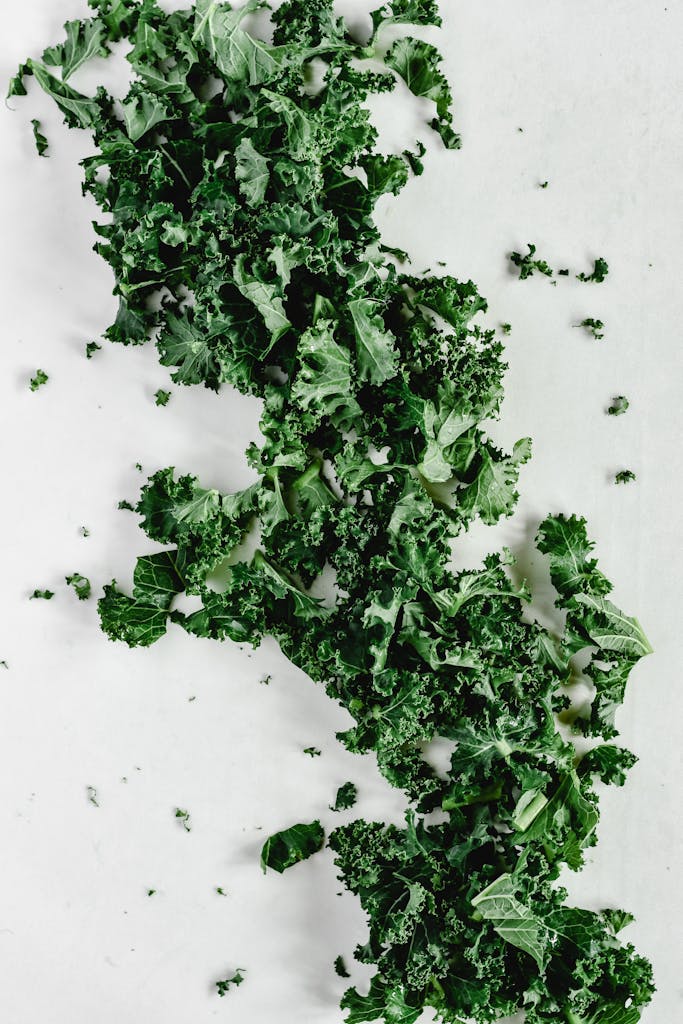
As other options, kale is a valuable addition because it provides non-haem iron, vitamin C, fiber, and phytonutrients that support digestion. Explore my collection of Kale recipes, including plant-based and meat-based meals, to help increase leafy green intake and support iron metabolism.
Vitamin B12
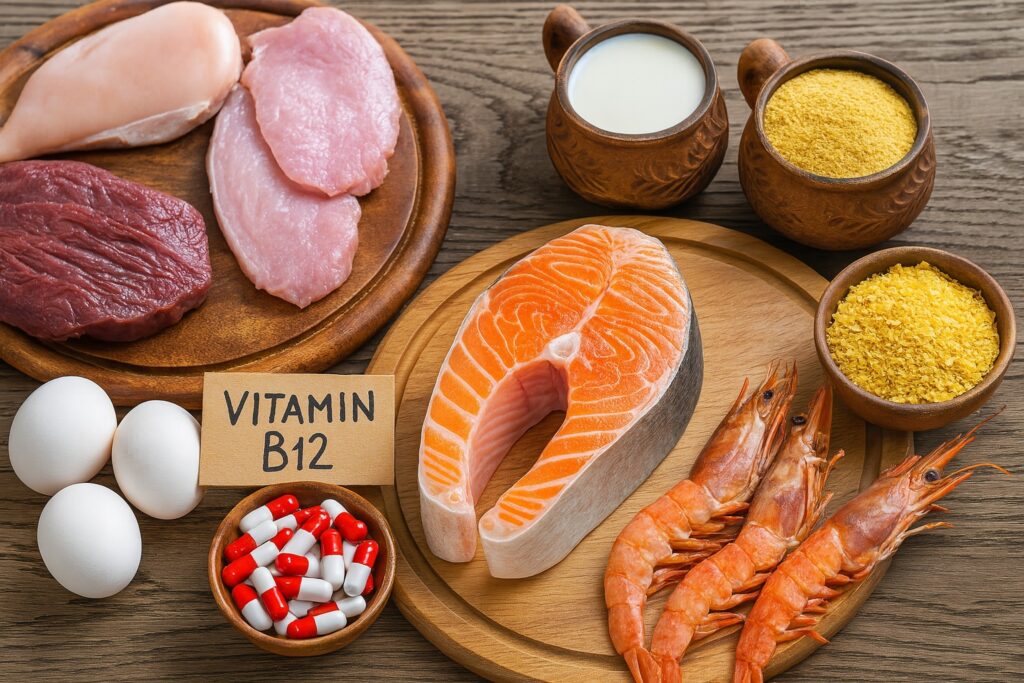
Vitamin B12 supports red blood cell production, neurological signalling, DNA synthesis, and energy metabolism. In midlife, the risk of deficiency rises due to declining gastric acid production, autoimmune conditions, long-standing gut inflammation, and malabsorption.
Fatigue, memory disturbance, low mood, and peripheral tingling may all signal low B12 status. Lactose-free and reduced-animal-product diets narrow intake unless deliberately planned. Over time, even borderline insufficiency can impair neurological energy.
As one option, pork contains meaningful levels of vitamin B12, and dishes such as my Oven-Baked Pork Chops can support intake for women who include meat in their diets. For best absorption and digestive comfort, serve them alongside fiber-rich vegetables to help gut motility and microbial balance.
For those who avoid animal products, fortified nutritional yeast offers a valuable plant-based source of vitamin B12. It’s easy to add to savoury dishes and works well in gluten-free cooking. Also, the blog has a guide on Vitamin B12, which provides comprehensive information about the importance of this micronutrient.
Vitamin D
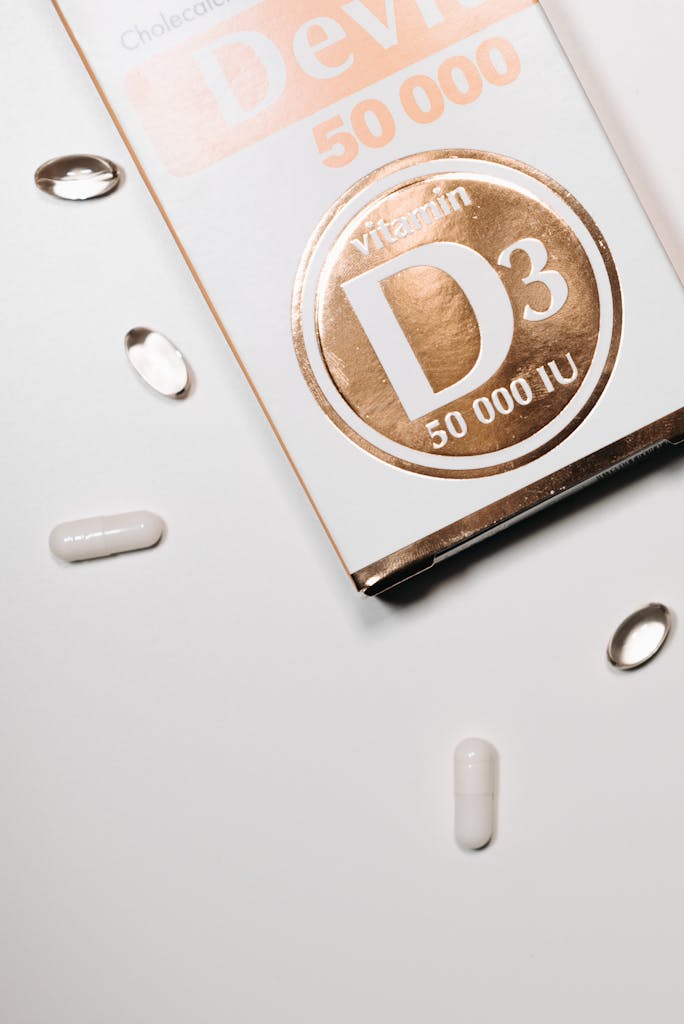
Vitamin D deficiency in UK women remains extremely common due to limited sunlight exposure and low dietary intake, and remains widespread in the UK year-round. Its role extends far beyond bone health. Vitamin D influences immune resilience, muscle function, mood regulation, and circadian rhythm stability. The NHS guidelines recommend taking 10mg of vitamin D during autumn and winter.
During menopause, bone turnover accelerates, increasing long-term vitamin D requirement. Fatigue, muscular weakness, and recurrent infections may reflect low vitamin D status. Because dietary sources alone are rarely sufficient in northern latitudes, insufficiency often develops silently.
Magnesium (Functional Deficiency)
A pattern of magnesium deficiency stress can amplify sleep problems, muscle tension, and midlife fatigue. Magnesium regulates the nervous system, sleep architecture, muscle relaxation, insulin sensitivity, and mitochondrial energy production.
Chronic stress and fatigue can increase magnesium requirements, as I discuss further in my article on Why We Need Magnesium and its link to midlife fatigue.
While serum magnesium often appears within normal reference ranges, intracellular levels may still be low. Caffeine intake, poor sleep, emotional stress, and high cognitive workload all accelerate loss. Gluten-free diets vary widely in magnesium density depending on whole-food composition.
From my own perspective, I’ve learned that magnesium often needs a boost. I always begin with food — cacao, nuts, seeds, buckwheat, leafy greens — and many of the recipes on my blog naturally help boost magnesium levels over time.

Why Symptoms Alone Are Unreliable in Midlife
From my own experience, I learned that relying on symptoms alone can be misleading. For years, fatigue was easy to explain away as stress, poor sleep, or simply “doing too much.” It was only when objective markers were considered that the picture became clearer. This is why symptoms, particularly in midlife, need context rather than assumptions.
Long-term awareness of menopause fatigue causes can aid in sustained energy levels. Fatigue, insomnia, anxiety, and brain fog overlap across multiple physiological systems. These include hormonal transition, nutrient depletion, dysregulated blood sugar, inflammatory load, and stress-driven cortisol activity.
Relying on symptoms alone commonly leads to trial-and-error supplementation. This increases financial cost and the risk of imbalance without resolving the underlying driver. Objective biomarkers do not replace clinical judgement, yet they can guide far more precise nutritional conversations when used appropriately. Plus, consulting a healthcare professional about menopause fatigue causes can provide tailored support.
When At-Home Nutrient Testing Becomes Useful
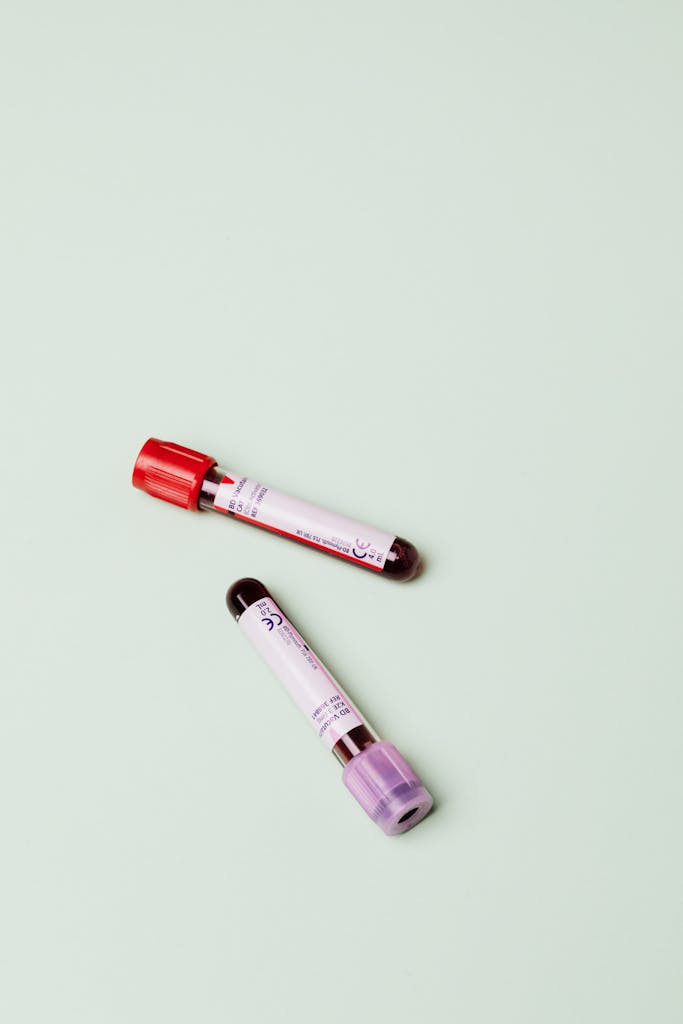
For women with persistent menopause fatigue despite food-first changes, objective screening may serve as an educational aid rather than a diagnostic tool. Modern capillary blood testing allows individuals to check common markers of menopause-related fatigue, including ferritin, vitamin B12, vitamin D, lipid indices, and inflammatory parameters.
This information can support focused GP discussions, reduce guesswork about supplements, monitor seasonal fluctuations, and track responses to lifestyle changes. Importantly, test results must always be interpreted within laboratory reference ranges and never used for self-diagnosis.
Note! Abnormal findings should be reviewed with a GP or qualified healthcare professional in line with recognised UK clinical guidance from the NHS and NICE.
Food-First Support for Energy
Before supplementation is considered, dietary sufficiency remains the foundation of fatigue recovery.
Iron-supportive eating includes red meat, poultry, sardines, lentils, chickpeas, beetroot, spinach, and pumpkin seeds paired with vitamin C-rich foods to enhance absorption. These ingredients pair beautifully in everyday meals such as my Beef Stew or vitamin-C–rich Beetroot, Carrot & Apple Salad, which enhances plant-iron absorption.
Vitamin B12 intake relies mainly on animal sources, such as meat, eggs, seafood, poultry, and fortified nutritional yeast.
Vitamin D support comes from oily fish, egg yolks, fortified lactose-free alternatives, and controlled sunlight exposure during spring and summer.
Magnesium provision improves with buckwheat, quinoa, gluten-free oats, nuts, seeds, dark leafy greens, and high-cacao dark chocolate with minimal sugar. For example, sweet goods containing cocoa and sesame paste can help, and my delicious Cocoa Hummus combines both ingredients into a gluten-free, low-sugar dip that supports midlife energy and relaxation.
At the same time, ultra-processed free-from products should be minimised. Many contain refined starches, emulsifiers, and rapidly digestible carbohydrates that destabilise blood glucose. This volatility itself promotes fatigue independent of nutrient intake. In summary, identifying the causes of menopause fatigue is key to managing it effectively.

The Blood-Sugar–Stress–Fatigue Loop
In midlife, blood-sugar regulation becomes more sensitive to both sleep loss and psychological stress. Highly refined gluten-free foods can create rapid glucose spikes followed by sharp declines. These fluctuations increase cortisol output, fragment night-time sleep, and provoke food cravings the following day.
This physiological loop is frequently mislabelled as “adrenal fatigue.” In reality, it reflects glycaemic instability layered on hormonal transition. Low-sugar, low-UPF dietary patterns stabilise this system more effectively than stimulants, fasting, or restrictive dieting. For example, balanced, protein-rich meals such as my Greek Chicken Sheet Pan or Oven-Baked Salmon help moderate blood-sugar swings that intensify midlife fatigue.
When Supplements May Be Considered
Supplements should never substitute whole foods, and they should never be introduced blindly in midlife. Evidence-informed supplementation usually follows three steps: food-first correction, objective biomarker assessment, clinical oversight, and eventually supplementation.
Iron may be used only when ferritin is confirmed to be low. Vitamin D3 is commonly indicated during UK winters. Vitamin B12 is appropriate where malabsorption or intake limitation is established.
Magnesium may help with chronic stress, muscle tension, and sleep disturbances.
If symptoms such as restless sleep, evening tension or low resilience continue, I usually suggest checking levels with a simple blood test before adding supplements. Coming from my mid-age experience, I spent a long time trying to find a magnesium supplement that actually aligned with everything I teach on the blog: clean formulation, good bioavailability, UK testing, and no unnecessary fillers. My recommendation – always check the labels.
Eventually, I settled on NMN Bio’s magnesium, mainly because it combines several well-absorbed forms and avoids the additives that often trigger sensitivities in midlife. I’ve found it helpful for supporting evening relaxation and muscle tension, especially on stressful working/study days. If you’re curious, this is the one I personally use: Oh!Mg | Relax Dream Repair | Evening Magnesium.
A separate, dedicated article about magnesium is coming soon!!
However, excessive or unsupervised supplementation can worsen fatigue through mineral competition and metabolic overload.
Menopause, Fatigue, and the Gut–Nutrient Axis
Long-standing gluten sensitivity, coeliac disease, and chronic intestinal inflammation can impair nutrient absorption years before menopause begins. Gut integrity strongly influences iron uptake, B-vitamin transport, magnesium absorption, and immune signalling.
This is one reason why women with a history of digestive issues often experience more profound fatigue during menopause. Even when blood markers look “acceptable,” underlying absorption challenges may still be present.
Supporting the gut becomes essential. A gut-friendly, low-UPF eating pattern improves nutrient availability and makes other interventions more effective. Incorporating fermented foods — such as the ones I explain in my fermented recipe collection — can help improve microbial balance and support digestion. For readers exploring gut-supportive foods, my Homemade Sauerkraut and Crunchy Carrot–Cauliflower–Celery recipes offer simple ways to add beneficial microbes to daily meals.
Fiber diversity also plays a crucial role. A wider range of fibers feeds beneficial bacteria, supports bowel regularity, and enhances micronutrient utilisation. If you’d like simple ways to increase fibre at breakfast, my
fiber-rich breakfast mix provides practical, gluten-free options.
Together, fermented foods, diverse fibres, and gentle digestive support build a stronger foundation for managing menopause fatigue and improving long-term energy.
What to Do if Results are Borderline
If screening shows values within the reference range but at the low end, food-first intervention should be prioritised. Sleep timing, stress exposure, and protein sufficiency require simultaneous attention. Retesting is often performed after three to six months. Supplement use remains conservative and time-limited.
In summary, midlife fatigue rarely has a single cause. Layered assessment and support are usually required.
Menopause Fatigue: Common Questions Women Ask
What does menopause fatigue feel like?
Menopause fatigue is commonly described as persistent physical and mental exhaustion that does not fully resolve with rest. Women often report heavy limbs, brain fog, low motivation, poor concentration, and reduced exercise tolerance rather than simple sleepiness.
Does menopause make you tired and depressed?
Yes. Hormonal fluctuation, disrupted sleep, chronic stress, and nutrient depletion may all contribute to both fatigue and low mood during menopause. Persistent symptoms should always be discussed with a GP to rule out medical causes such as anaemia, thyroid disorder, or depression.
How long does menopause fatigue last?
The duration of menopause fatigue varies widely. For some women, it improves within months, while for others it may persist for several years if sleep, stress, nutrient status, and metabolic health are not addressed. Ongoing fatigue should not be ignored.
Does menopause fatigue ever go away?
In many cases, yes. When contributory factors such as sleep disruption, iron deficiency, vitamin D insufficiency, blood-sugar instability, and stress load are corrected, energy often improves significantly. Hormonal transition alone does not permanently “lock in” fatigue.
Which vitamins are linked to menopause fatigue?
Vitamins commonly associated with menopause-related fatigue include vitamin D, vitamin B12, and folate. Iron status (ferritin) and magnesium are also closely linked to midlife energy regulation and nervous system resilience.
Is there a diet for menopause fatigue?
A diet that supports menopause fatigue prioritises stable blood-sugar balance, adequate protein, iron-rich foods, magnesium-dense whole foods, and anti-inflammatory fats. For gluten-free women, nutrient density becomes especially important to prevent quiet deficiency.
Why Your Fatigue Deserves Investigation
Midlife fatigue is not a personal failure. It reflects the cumulative interaction of hormonal transition, rising nutrient demand, chronic stress exposure, diet quality, and sleep physiology. For women navigating menopause, especially those with dietary restrictions or long-standing digestive challenges, micronutrient sufficiency becomes more important than ever.
Objective data, when used wisely, can restore clarity, reduce guesswork, and support constructive conversations with healthcare professionals. Fatigue should prompt curiosity, not resignation.
Note!
This article is for educational purposes only. It does not diagnose or treat medical conditions. Urgent medical assessment is required for unexplained weight loss, persistent breathlessness, palpitations, or progressive neurological symptoms.
📚 Key References and Further Reading
Below you’ll find the key research and scientific sources that informed this article.
