
Health and Fats – The Good, The Bad & The Crumbly

Let’s talk about dietary and healthy fats. For decades, we were told that eating fat makes us fat. But science (and real life) says otherwise. Fats are essential for our health — they give us energy, keep our cells strong, help us absorb vitamins, and make food taste fantastic.
As someone living gluten-free, lactose-free, and refined sugar-free, I’ve learned that the quality of fats in your diet makes a massive difference. Whether you’re drizzling extra virgin olive oil over roasted vegetables or blending avocado into your morning smoothie, the right fats make your meals more nourishing — and far more satisfying.
This guide will walk you through everything you need to know about fats: which ones to love, which to limit, how to cook with them, and how they fit beautifully into a whole-food, mindful lifestyle.

What Are Healthy Fats and Why Does Your Body Need Them?
Fat is one of the three essential macronutrients, alongside carbohydrates and protein, and your body depends on it every single day.
Each gram of dietary fat provides 9 kilocalories (kcal) — more than twice the energy of carbohydrates or protein (4 kcal per gram). This means that your body will produce twice as much energy from 1g of fat.
That higher energy density makes fat an efficient fuel source, especially during longer gaps between meals or when following lower-carbohydrate eating patterns, which many people adopt on a gluten-free diet.
According to the NHS and UK dietary guidance, healthy fats are an essential part of a balanced diet, with a focus on unsaturated fats over saturated fats.
But energy is only part of the story.
Healthy Fats Enable Vitamin Absorption
Certain vitamins can only be absorbed in the presence of fat. These are the fat-soluble vitamins:
- Vitamin A – vision, immune defence
- Vitamin D – bone health and immune regulation
- Vitamin E – antioxidant protection
- Vitamin K – blood clotting and bone metabolism
Without healthy fats, absorption of these nutrients is significantly reduced.
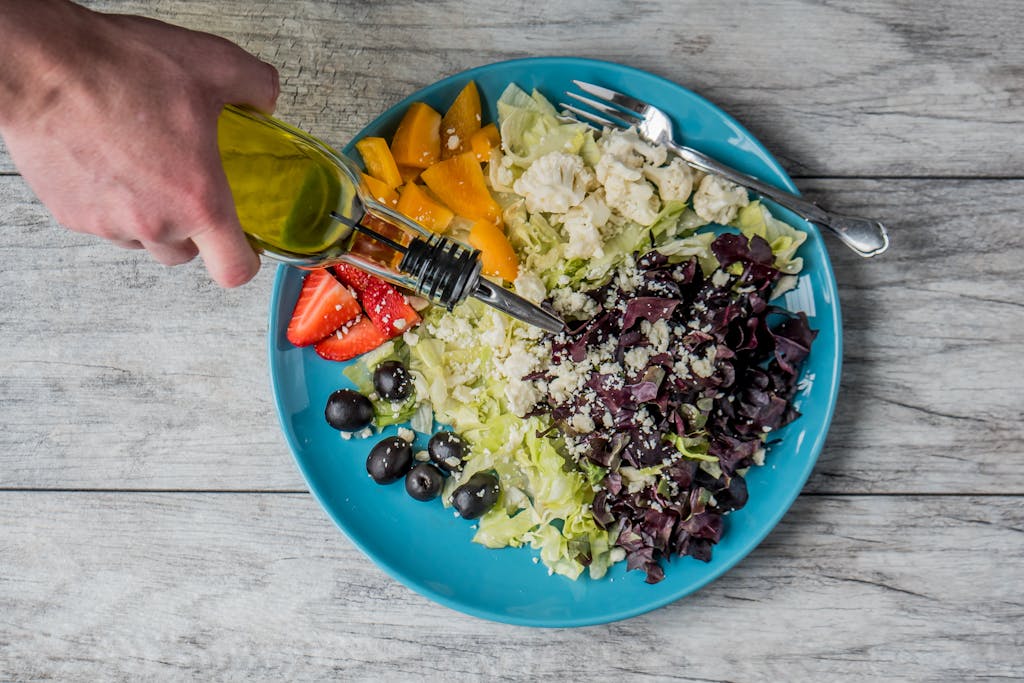
This is why adding olive oil to a salad is not just about taste — it enhances the bioavailability of nutrients from vegetables.
Healthy Fats Form the Structure of Your Cells
Every cell membrane in your body is composed of a phospholipid bilayer — a structure built largely from fat molecules. The types of fat you consume influence membrane fluidity, flexibility, and cellular communication.
Unsaturated fats, particularly monounsaturated and omega-3 fatty acids, help maintain membrane integrity. This supports:
- Brain function
- Immune response
- Cellular signalling
- Inflammatory balance
It’s fascinating to think that our brains are made up of about 60% fat by dry weight. This is important because, from a biological perspective, healthy fat plays a vital structural role in our brain’s health and function.
Healthy Fats Support Hormonal Regulation
Dietary fats contribute to the synthesis of steroid hormones, including oestrogen, progesterone, testosterone and cortisol. Cholesterol — often misunderstood — is a precursor molecule for both vitamin D and steroid hormones.
Extremely low-fat diets may interfere with hormonal balance, particularly in women.
UK guidance recommends prioritising unsaturated fats while limiting excessive saturated fat intake (currently advised to contribute no more than 10% of total daily energy intake).
Healthy Fats Improve Satiety and Blood Sugar Stability
One of the most practical benefits of dietary fat is its impact on appetite regulation.
Fat slows gastric emptying and digestion. When combined with protein and fibre, it helps moderate post-meal blood glucose responses and prolong satiety.
If you’d like a deeper explanation of how carbohydrate quality influences blood sugar, you can read my guide on the Glycaemic Index and how different carbohydrates affect glucose levels.
Mineral status also plays a role in this metabolic picture. Magnesium, for example, is involved in glucose metabolism and insulin signalling. You can read more about this in Why We Need Magnesium: The Body’s Spark Plug.
Microbiome, Fiber and Healthy Fats
Healthy fats, in particular monounsaturated fats and omega-3 fatty acids, may influence gut microbiota composition and support intestinal barrier function.
For example, extra virgin olive oil provides polyphenols that may support microbial diversity and help maintain the integrity of the gut lining, while traditionally prepared fats like ghee contain butyrate — a short-chain fatty acid that serves as fuel for colon cells. I explore this gut–fat relationship further in my article on how to nurture your gut microbiome for better health and well-being.
The interaction between fat and fiber is particularly powerful. Fiber slows carbohydrate absorption and feeds beneficial gut bacteria, while fats enhance nutrient absorption and extend fullness. I explore this collaboration further in my article What is Dietary Fiber and Why We Dreadfully Need It.
How Much Healthy Fats Should You Eat?
Understanding the right amount of healthy fats to include in your diet is just as important as choosing the right type.
According to the NHS and UK dietary guidelines, total fat intake should provide no more than 35% of total daily energy intake for adults. Within this, saturated fat should contribute no more than 10% of total energy intake.
For an average adult consuming 2,000 kcal per day, this equates to approximately:
Up to 70 g total fat per day
No more than 20 g saturated fat per day
These recommendations are designed to reduce cardiovascular disease risk, particularly by limiting excess saturated fat intake.
However, context matters.
Replacing saturated fats with refined carbohydrates does not improve heart health. Evidence suggests that replacing saturated fats with unsaturated fats, especially polyunsaturated fats, provides the greatest cardiovascular benefit.
For most people following a whole-food, clean, mindful diet, the focus should be on:
- Prioritising monounsaturated fats (olive oil, avocado, nuts)
- Including omega-3 sources regularly
- Limiting ultra-processed foods rich in hydrogenated or heavily refined fats
- Avoiding repeated reheating of oils
Instead of getting caught up in numbers, it is more beneficial to focus on achieving balance and quality in your diet. When healthy fats come from wholesome, minimally processed foods that are rich in nutrients, they can truly support your metabolic health, help you feel satisfied, and provide you with steady energy throughout the day. This approach can make a meaningful difference in how you feel and function.
The Four Main Types of Fat – Know Your Healthy Fats
Monounsaturated Fats (MUFAs) – Mediterranean Diet Staples
Monounsaturated fats are characterised by a single double bond in their structure, which keeps them fluid at room temperature. In the body, they help improve lipid profiles by reducing LDL cholesterol when they replace saturated fats in the diet. They also support endothelial function — meaning they help blood vessels remain flexible and responsive.
These are the heart-healthy fats that define the Mediterranean diet. According to the British Heart Foundation, they help lower LDL (“bad”) cholesterol and support healthy arteries.
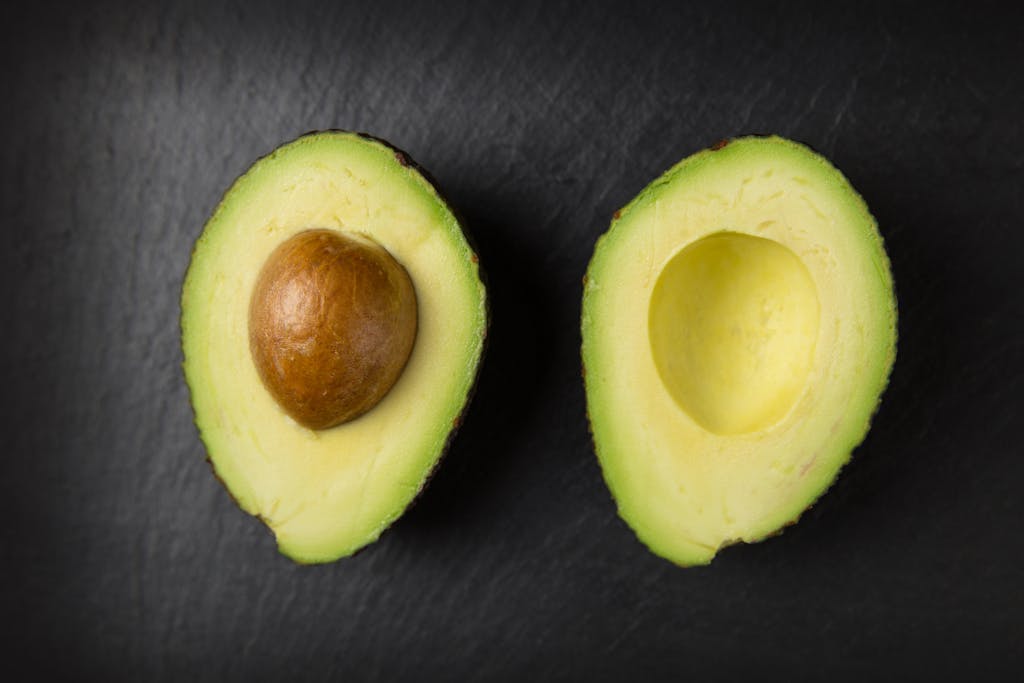
Sources: Olive oil, avocado, almonds, cashews, macadamia nuts, sesame oil.
Why I love them: They’re stable for low-heat cooking and rich in vitamin E, an antioxidant that protects your cells.
Use in the kitchen: drizzle extra-virgin olive oil over salads, roasted veggies, Steamed Broccoli, or over delicious Beetroot-Carrot Salad.
.
Polyunsaturated Fats (PUFAs): The Essential Builders – Omega-3 and Omega-6
Polyunsaturated fats contain two or more double bonds and include the essential fatty acids omega-3 and omega-6 — termed “essential” because the body cannot synthesise them.
Omega-3 fatty acids (particularly EPA and DHA from oily fish) are involved in the production of anti-inflammatory signalling molecules and support cardiovascular, neurological and retinal health. They influence membrane fluidity and may help regulate inflammatory pathways.
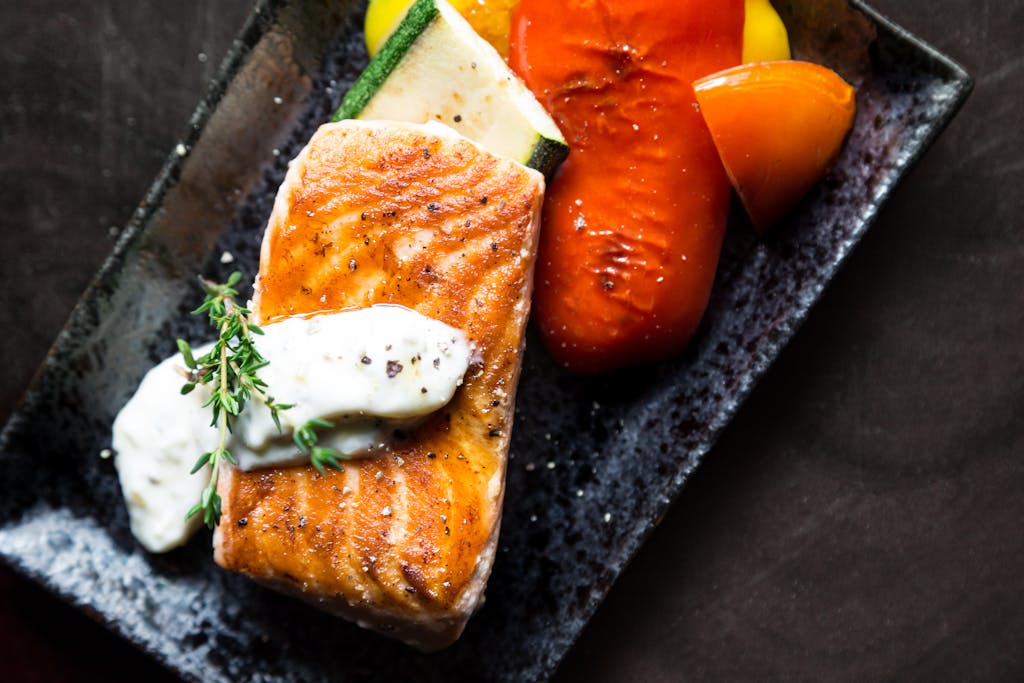
Omega-3s (in salmon, mackerel, chia seeds, flaxseeds, walnuts) are anti-inflammatory and support the heart and brain. Omega-6 fatty acids are also physiologically necessary and contribute to immune function and skin integrity. However, excessive intake from heavily refined oils may shift the inflammatory balance if not countered by sufficient omega-3 intake.
For a deeper look at how omega-3 fatty acids influence brain and heart function, you can read my detailed guide on Omega-3 Fatty Acids and Brain Health: Benefits, Food Sources, and How Much You Really Need.
Saturated Fats – Use Mindfully
Saturated fats contain no double bonds, which makes them structurally stable and solid at room temperature. In the body, high intakes are associated with increased LDL cholesterol levels, a recognised cardiovascular disease risk factor when persistently elevated.
However, not all saturated fats act identically. Medium-chain triglycerides (such as those found in coconut oil) are metabolised differently from longer-chain saturated fats. Dairy fats also contain bioactive compounds such as conjugated linoleic acid (CLA), though their overall cardiometabolic impact depends on the total dietary pattern.
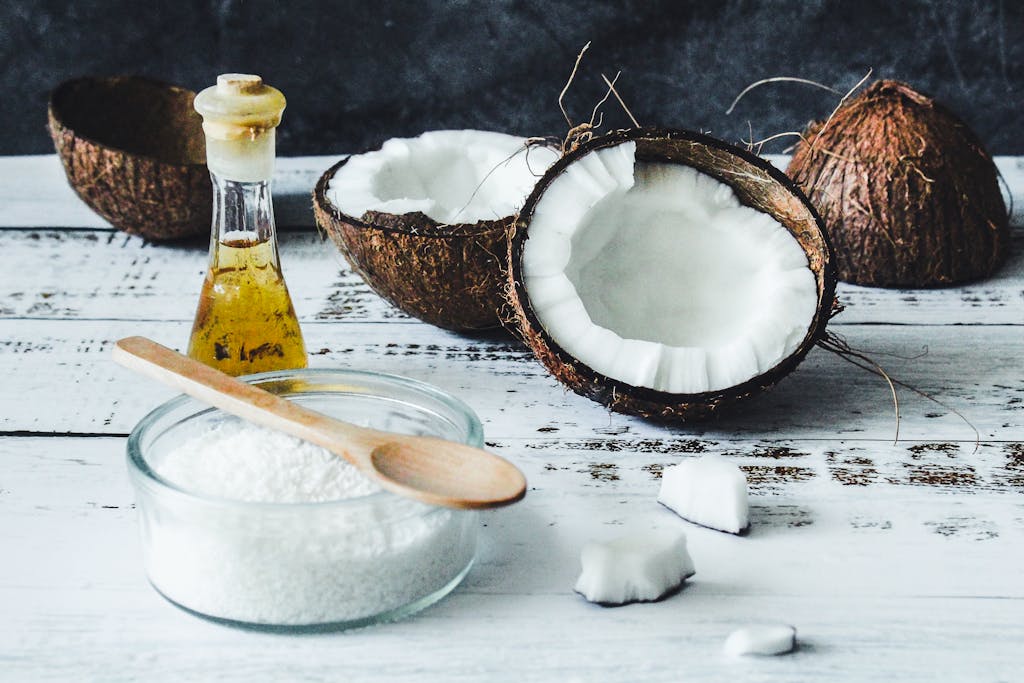
Cocoa butter, the primary fat in dark chocolate, is largely composed of stearic acid — a saturated fat that appears to have a more neutral effect on blood lipids compared to other saturated fatty acids. I discuss this nuance further in my article Cocoa: More Than Just Chocolate, which explores its nutritional complexity.
Moderation remains key for healthy fats, with UK guidance advising that saturated fat contributes no more than 10% of daily energy intake.
Tip: For baking or recipes that need richness — for example, my Tender Cheesy Chicken Meatballs
benefit from a knob of ghee for moisture.
Trans Fats – Avoid Them Entirely
While many countries have banned or restricted artificial trans fats, they can still be found in processed, fried, and packaged foods. These are the artificial fats created through hydrogenation. They raise bad cholesterol and lower good cholesterol — a double whammy for your heart.
WHO warns against these fats and recommends limiting them to less that 1% daily. Also, check labels for “partially hydrogenated oil” and steer clear.
The Best Healthy Fats and Oils for Cooking
Choosing the right oil is not only picking flavor, but it’s chemical stability. When oils are heated beyond their smoke point, their fatty acids begin to oxidise and break down, producing reactive compounds that may contribute to oxidative stress.
The more double bonds a fat contains, the more vulnerable it is to heat-induced oxidation. This means polyunsaturated oils are generally less stable at high temperatures than monounsaturated or saturated fats.
Here is how this translates into practical kitchen decisions.
Extra Virgin Olive Oil – Your Everyday Go-To
Extra virgin olive oil is rich in monounsaturated fats and protective polyphenols. Its smoke point ranges between 190–210°C, making it suitable for sautéing and roasting at typical home temperatures.
Despite common myths, good-quality olive oil is stable for most everyday cooking. It also supports vascular and metabolic health, which is why it often features in my Mediterranean-style recipes.
Avocado Oil – For Higher Heat
Avocado oil is predominantly monounsaturated and has a higher smoke point, around 250°C. This makes it useful for grilling and roasting at higher temperatures.
It has a mild flavour that works well when you don’t want olive oil to dominate.
Ghee – Stable and Lactose-Free
Ghee is clarified butter with milk solids removed. This increases its smoke point to around 250°C and makes it virtually lactose-free.
Its saturated fat structure gives it excellent heat stability. Used in moderation, it adds richness and supports browning in savoury dishes.
Rice Bran Oil – Neutral Option
Rice bran oil has a relatively high smoke point (around 230°C) and a neutral taste. It works well for stir-frying.
As with all refined oils, proper storage is important to limit oxidation.
Flaxseed and Walnut Oil – Cold Use Only
These oils are rich in omega-3 polyunsaturated fats. Because they contain multiple double bonds, they oxidise easily when heated.
Use them only cold — for drizzling over salads or adding after cooking.
| Oil/Fat | Best Use | Smoke Point | Notes |
|---|---|---|---|
| Extra Virgin Olive Oil | Salad dressings, light sautéing | 190–210 °C | Rich in polyphenols; staple of Mediterranean diets |
| Avocado Oil | Grilling, roasting | 250 °C | High smoke point; mild flavour |
| Rice Bran Oil | Frying, stir-frying | 230 °C | Great gluten-free alternative to seed oils |
| Coconut Oil | Baking, desserts | 175 °C | Adds natural sweetness; use sparingly |
| Ghee (lactose-free) | Sautéing, roasting | 250 °C | Buttery flavour without lactose |
| Flaxseed / Walnut Oil | Cold use only | < 150 °C | Add after cooking for an omega-3 boost |
Pro tip: Store oils in dark bottles away from light and heat to prevent oxidation. Rancid oils lose nutrients and can damage cells.
Healthy Fats in a Gluten-Free Diet – What to Watch For
Following a gluten-free diet does not automatically improve fat quality. Many processed gluten-free products rely on refined starches and inexpensive vegetable oils to improve texture and shelf life.
These products often contain:
- Refined seed oils
- Low fiber content
- Minimal protein
- Added sugars
Without adequate fibre or healthy fats, gluten-free snack foods may lead to rapid rises in blood glucose and short-lived satiety.
The key is to prioritise whole-food sources of fat — olive oil, avocado, nuts, seeds and oily fish — rather than relying on packaged “gluten-free” labels as a marker of health.
If you want to understand how food processing affects nutritional quality, I explore this further in my article on ultra-processed foods – coming soon!
Practical Ways to Add More Healthy Fats to Your Meals
- Drizzle extra virgin olive oil over cooked vegetables instead of using bottled dressings.
- Add ground flaxseed or chia seeds to porridge or yoghurt.
- Include oily fish once or twice per week.
- Swap low-fat spreads for mashed avocado.
- Add a small handful of walnuts or almonds to salads.
- Stir a teaspoon of ghee into warm lentils or roasted vegetables for richness and stability.
When healthy fats are paired with fibre and protein, they improve satiety, enhance nutrient absorption, and support steady energy throughout the day. Balanced meals promote long-term metabolic health.
My Top Tips for Cooking with Healthy Fats
Choose stability: Use high-smoke-point oils (avocado, rice bran, ghee) for high heat; reserve delicate oils for drizzling.
Mind your portions: Even healthy fats are calorie-dense. One tablespoon of oil = ~120 kcal.
Avoid reheating oils: Reusing oil repeatedly can create harmful oxidation compounds.
Balance your plate: Combine healthy fats with protein and fibre for steady energy and digestive comfort.
Be label-savvy: “Gluten-free” doesn’t mean healthy if the product contains refined oils and fillers.
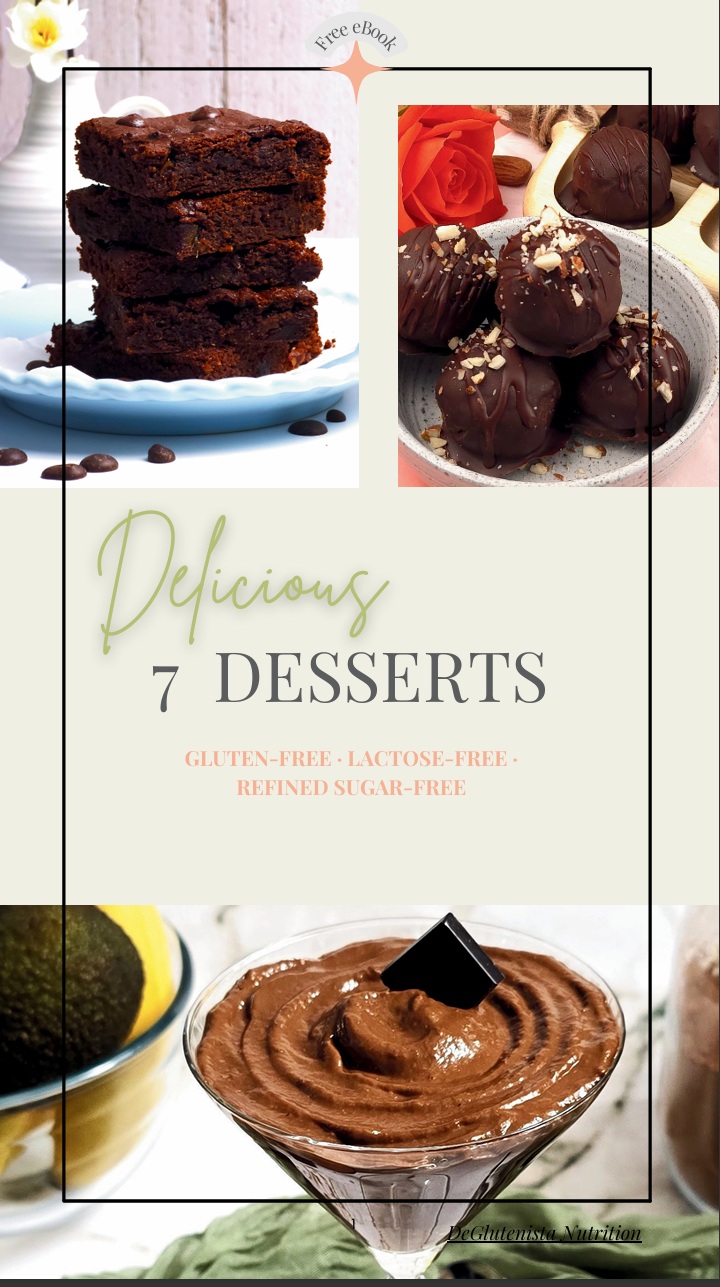
Fancy a Freebie?
Subscribe for my newsletter
and get your FREE eBook with 7 delicious gluten-free desserts!
*We will only send you gluten-free, lactose-free, refined sugar-free emails; you can unsubscribe anytime. Read our Privacy & Cookie Policy.
Healthy Fats FAQs
What are the 4 types of dietary fat?
The four main types of dietary fat are monounsaturated fats (MUFAs), polyunsaturated fats (PUFAs, including omega-3 and omega-6), saturated fats, and trans fats. Monounsaturated and polyunsaturated fats are generally considered healthier choices, while artificial trans fats should be avoided.
Are healthy fats good for weight loss?
Healthy fats can support weight management by increasing satiety and slowing digestion. When combined with fibre and protein, they help stabilise blood sugar levels and reduce frequent hunger. The key is portion awareness, as fats are energy-dense at 9 kcal per gram.
What is the healthiest oil for cooking?
Extra virgin olive oil is widely considered one of the healthiest oils for everyday cooking due to its high monounsaturated fat content and natural antioxidants. However, it’s valid for low and medium-heat cooking. For higher-heat cooking, avocado oil or ghee may provide greater stability.
Is saturated fat bad for you?
Saturated fat is not inherently harmful, but high intake may raise LDL cholesterol in some individuals. Current UK guidance recommends limiting saturated fat to no more than 10% of total daily energy intake and prioritising unsaturated fats instead.
What is the difference between omega-3 and omega-6?
Omega-3 and omega-6 are both essential fatty acids. Omega-3s are associated with anti-inflammatory effects and cardiovascular support, while omega-6 fatty acids play roles in immune function and cell signalling. Maintaining balance between them is more important than eliminating either one.
Are gluten-free products high in unhealthy fats?
Some processed gluten-free products may contain refined vegetable oils and low fibre content to improve texture and shelf life. Choosing whole-food fat sources such as olive oil, nuts, seeds and oily fish is a healthier approach.
How much fat should I eat per day?
UK dietary guidelines suggest total fat intake should provide no more than 35% of daily energy intake, with saturated fat limited to around 10%. Emphasis should be placed on unsaturated fats from whole foods.
Nutritional Snapshot (Daily Healthy Fats Sources Example)
| Food | Serving | Fats (g) | Type | Nutritional Highlight |
|---|---|---|---|---|
| Extra Virgin Olive Oil | 1 tbsp | 13.5 | MUFA | Vitamin E, polyphenols |
| Avocado | ½ fruit | 12 | MUFA | Fiber, potassium |
| Walnuts | 30 g | 18 | PUFA | Omega-3, magnesium |
| Chia Seeds | 15 g | 5 | PUFA | Omega-3, fiber |
| Ghee | 1 tsp | 4 | Saturated | CLA, butyrate |
| Total | – | ~52 g | Mixed | Balanced healthy intake |
Thank you for reading! I hope it helps to navigate through the information ocean.
YourDani x x
References
Harvard Nutrition Source – Types of Fat
British Heart Foundation – Fats Explained


Thank you for stopping by! I’m Dani!
nutrition student | Healthy Live Promoter | Gluten-free recipe developer
Welcome to DeGlutenista Nutrition!
Your visit really means the world to me. I’m happy to share simple, nourishing gluten-free recipes and practical food tips focused on gut health and clean eating, all with an emphasis on reducing ultra-processed ingredients.
My approach is simple: practising mindful eating, regardless of food sensitivities, can be both tasty and healthy.