
How To Nurture Your Gut Microbiome For Better Health & Well-Being

Hello, dear readers! It’s Dani here — your gluten-free food-blogger and soon-to-be gut-health nutritionist. With over 30 years in the beauty industry behind me, now immersed in nutrition and holistic health, I’m passionate about the “inner beauty” of your gut world, in short, the Microbiome.
In today’s post, I want to dive deep into the microbiome — what it is, why it’s absolutely worth your time (and love), and how you can nourish it in ways that align with my gluten-free, lactose-free, refined-sugar-free lifestyle. I’ve tested many habits myself, and I’m excited to share everything I’ve learned.
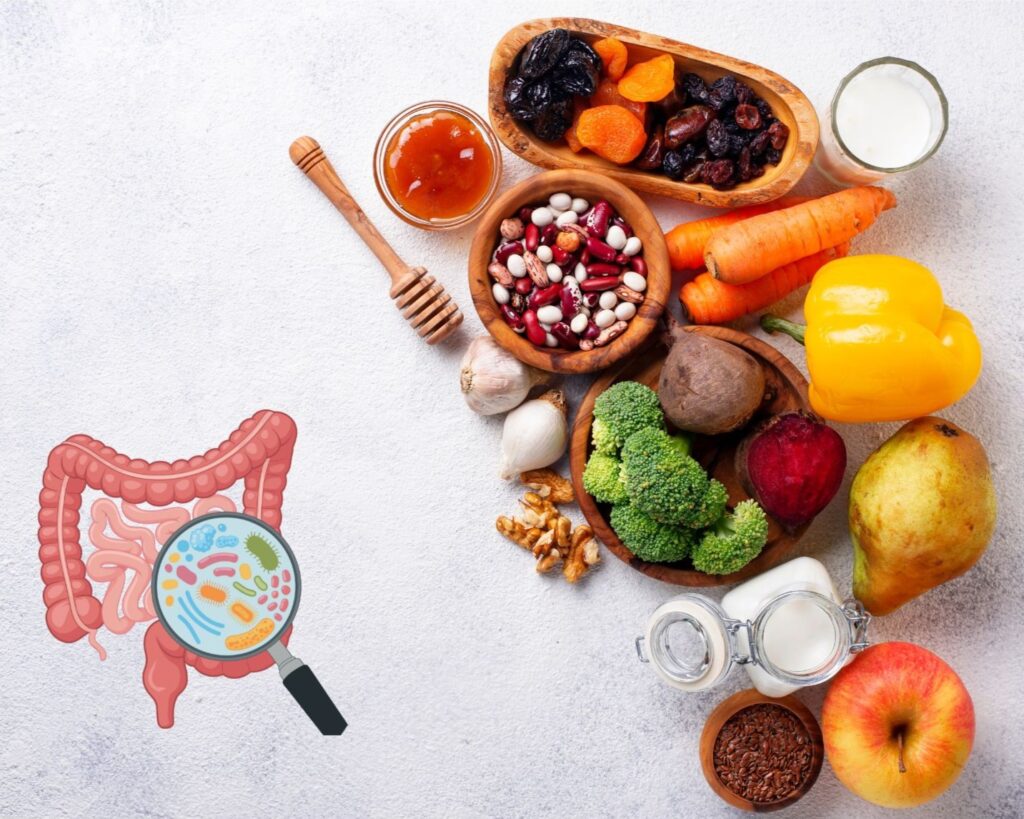
What Exactly Is the Gut Microbiome?
When we talk about the microbiome, what we’re really referring to is the vast community of microbes — bacteria, archaea, fungi, viruses and more — living in and on your body. But in the context of gut health, we focus particularly on the ecosystem in your digestive tract, especially the large intestine (colon).
In essence, your gut microbiome is like a garden: a living, dynamic ecosystem of different species, each with its own role. A healthy garden has diversity, rich soil, beneficial relationships — and when it’s neglected or dominated by weeds, things go off track.
Similarly, your microbiome thrives when it’s diverse, supported by the right environment (diet, lifestyle, rest) — and can falter when “weeds” (less-desirable microbes, inflammation, poor diet) creep in.
Here are a few key “garden truths”:
- Most of your gut microbes reside in your colon, where the environment is low-oxygen and slower-moving — a perfect place for the anaerobic bacteria that do a lot of fermenting and nutrient-producing work.
- The microbiome is shaped by what you eat, your lifestyle, environment, antibiotics and more.
- A healthy microbiome supports digestion, nutrient absorption, immune function, barrier integrity (gut lining) and even mood and brain health via the gut-brain axis.

How the Gut Microbiome Affects Health
The idea that we host and depend on a massive community of microbes isn’t new, but what we’re learning about the microbiome’s impact is relatively recent and exciting. Research now links microbiome composition with metabolic health, immune balance, inflammation, and even mental health.
As someone who has pivoted from beauty (which is very externally focused) into holistic nutrition (which is very internally focused), I love thinking of the microbiome as our internal ecosystem of beauty and health. It influences how we absorb nutrients, how our immune system responds, and whether we feel vibrant or burnt out.
For instance:
- The gut lining (our “soil surface”) depends on good microbial activity to stay robust and resilient. Poor microbial health can lead to a leaky gut barrier, inflammation and downstream effects.
- A diet low in fibre or high in ultra-processed foods starves beneficial microbes and favours those tied to dysbiosis (imbalance).
- Diversity matters: The more varied the microbial ecosystem, the more resilient it is. Researchers note that a “healthy microbiota community often demonstrates high taxonomic diversity.”
Dietary fibre plays a central role in shaping microbial diversity and gut function, as explored in more detail in a separate article that explains what dietary fiber is and why it is so important for health.
Why We Should Care About the Gut Microbiome Balance
You might ask: “Dani, why should I care about backing my microbes?” Here’s why I passionately say: it’s worth every minute.
- Better digestion and nutrient uptake. When your microbiome is balanced, it helps break down foods your body alone can’t, and extracts beneficial nutrients.
- Immune system support. The gut is home to large parts of our immune system. The microbes help train the immune system, regulate inflammation and keep unwanted invaders in check.
- Mood and brain connection. The gut-brain axis means our microbes can influence neurotransmitter production, mood and even cognitive functions. This ties into my holistic approach of body and mind.
- Metabolic and whole-body health. Imbalances in the microbiome are being linked to obesity, insulin resistance, metabolic syndrome and more. While causation is still being explored, the associations are strong.
- Resilience and longevity. A diverse, healthy microbiome helps us respond more robustly to stressors (dietary, environmental, lifestyle). That’s key as we age (hello, 53 years old and beyond!).
So yes — investing the time to nurture your gut microbiome is absolutely a beauty-and-digestive health investment from the inside out.
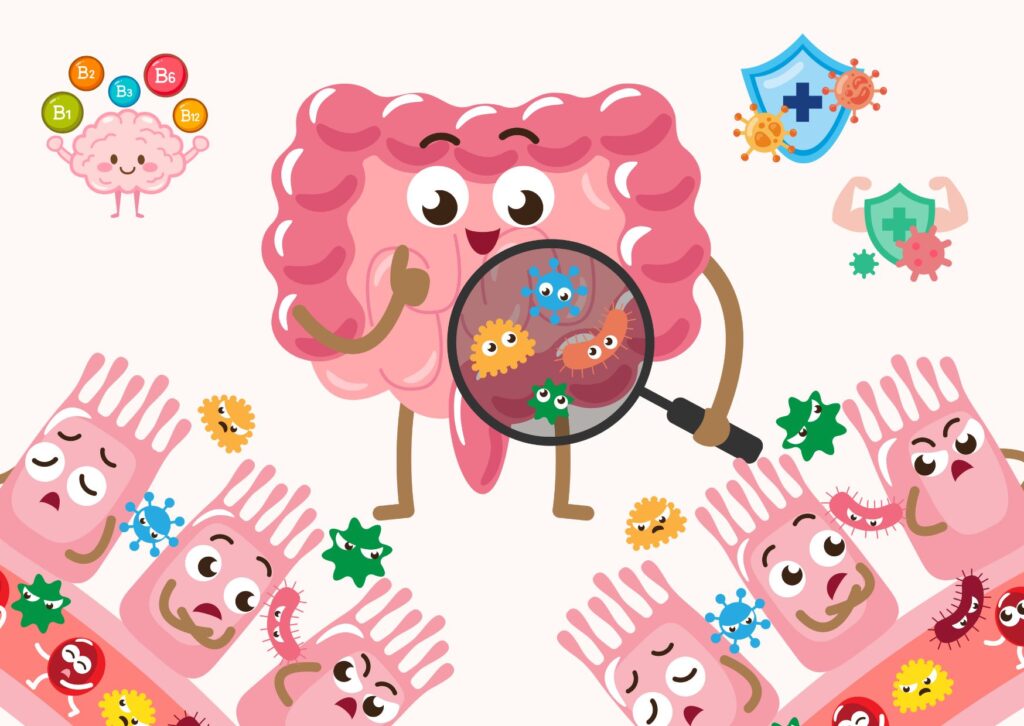
Why Gut Microbiome Diversity and Balance Matter
Gut health is not about having only “good” bacteria and completely removing “bad” ones. In reality, a healthy gut microbiome depends on balance and diversity. Many microbes that are sometimes labelled as harmful play useful roles when they are present in the right amounts.
Problems tend to arise when certain groups become too dominant, often due to long-term low fibre intake, limited dietary variety, or high consumption of ultra-processed foods. A diverse, fibre-rich diet helps beneficial microbes thrive while keeping potentially harmful bacteria in check, maintaining a stable, resilient gut ecosystem.
In this way, dietary fiber supports balance rather than elimination, encouraging cooperation between different microbes that together support digestion, immune function, and overall health. Understanding diversity naturally raises the question of whether some gut bacteria are truly harmful.
Are There Really ‘Bad’ Gut Bacteria, or Just Too Much of Them?
I often think about balance in nature. Rabbits may seem harmless, but without predators, their numbers can grow quickly and disrupt the environment. The gut works in a similar way: bacteria are not simply “good” or “bad”, but become a problem when certain types grow too dominant.
For example, E. coli is often portrayed as a harmful bacterium, but many strains naturally live in the gut and usually cause no problems. When present in small amounts, these bacteria can actually be helpful. They help keep the immune system alert, prevent more harmful germs from taking over, and help break down parts of food.
Issues only arise when E. coli grows too much, which can happen if the diet is low in fiber or very high in processed foods. In a balanced gut, E. coli is simply one of many bacteria doing its job quietly.
Clostridium bacteria also have a bad reputation, but not all of them are harmful. Some types are a normal part of a healthy gut and help break down fiber from plant foods. In doing so, they produce substances that support the gut lining and help maintain the digestive system’s health.
These bacteria only become a problem when they grow too much or crowd out other helpful microbes. A varied, fiber-rich diet helps keep Clostridium bacteria at safe levels, where they can be useful rather than harmful.
Common Gut Microbes, Their Roles, and the Foods That Support Balance
| Microbe group (simplified) | Role in gut health | What they do | Everyday foods that support balance |
|---|---|---|---|
| Bifidobacteria | Beneficial | Break down fiber, support gut lining, reduce inflammation | Apples, bananas, oats, lentils, chickpeas, onions |
| Lactobacillus | Beneficial | Help maintain gut acidity and digestion | Fermented vegetables, yogurt alternatives, oats, vegetables |
| Faecalibacterium | Beneficial | Produces butyrate, supports gut lining | Whole grains, beans, lentils, cooled potatoes or rice |
| Akkermansia | Beneficial in balance | Supports gut barrier and metabolic health | Berries, pomegranate, green vegetables |
| Bacteroides | Neutral to beneficial | Break down complex carbohydrates | Mixed plant foods, vegetables, legumes |
| Clostridium (some species) | Mixed | Some support gut health; others can be harmful if dominant | Fiber-rich foods support beneficial strains |
| Enterobacteriaceae | Harmful in excess | Overgrowth linked to inflammation | Increase with low fiber, high sugar, ultra-processed foods |
| Proteobacteria | Harmful when dominant | Associated with gut imbalance | Rise with poor diet quality and low fiber intake |
How Food Choices Create Balance or Imbalance in the Gut
Food choices influence gut balance not simply by “feeding good microbes,” but by changing the physical and chemical conditions inside the gut. Diets rich in diverse plant foods provide different fermentable fibers and resistant starches that reach the large intestine, where they are broken down at varying rates.
This creates a steady production of short-chain fatty acids, which help maintain an acidic environment, strengthen the gut lining, and regulate immune responses. These conditions favour a broad range of bacteria and limit the dominance of microbes that prefer less competitive, low-fiber environments.
In contrast, diets dominated by refined carbohydrates, sugars, and ultra-processed foods are absorbed earlier in digestion, leaving little substrate for fiber-dependent microbes and altering bile acid profiles and gut pH. Over time, this shifts the environment, allowing certain bacteria, fungi, and their associated viruses to become more dominant, reducing overall microbial diversity.
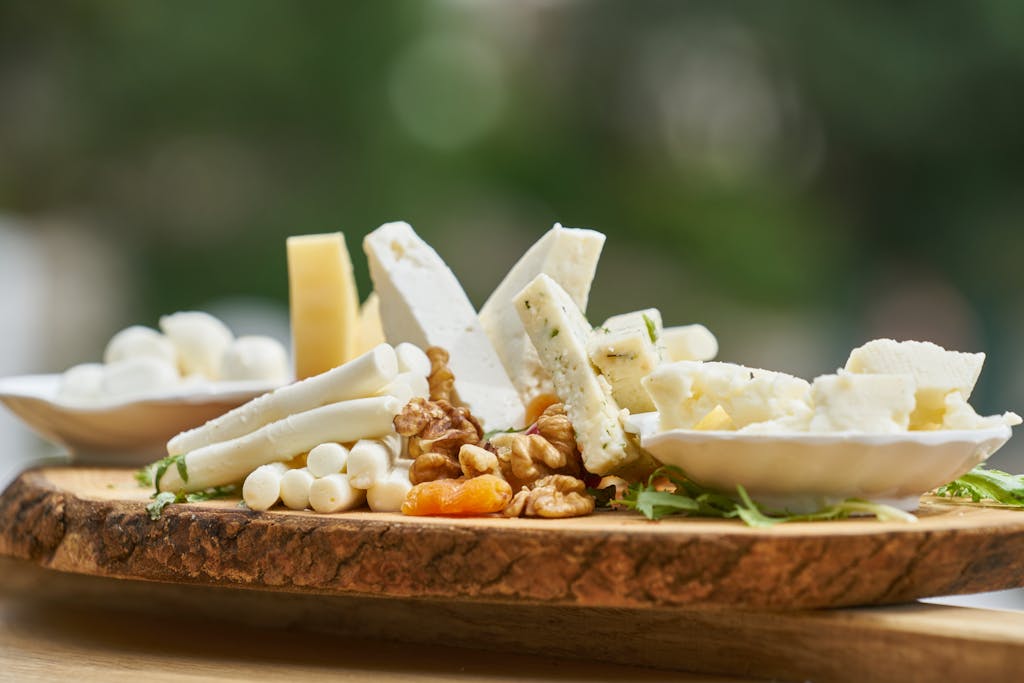
Do You Like Cheese? Dairy, Digestion, and the Gut Microbiome
Dairy is a good example of how a single food can interact with the body through multiple pathways. The gut microbiome not only influences lactose digestion through bacterial fermentation but may also shape how other dairy-derived molecules interact with our digestion and metabolism.
For example, recent integrative reviews of food-derived peptides such as casomorphins, opioid-like fragments released during the digestion of dairy proteins, suggest that these peptides interact with microbial communities, immune signalling, and opioid receptors throughout the gut and body.
The microbiome is recognised as a central mediator in how dietary components are transformed, signalling both locally and systemically, and this complexity may help explain individual differences in digestive comfort and metabolic responses to dairy.
As researchers continue mapping microbiome-host interactions, these findings highlight the multiple layers through which diet and microbes work together to influence gut health.
Beyond lactose digestion itself, studies show that the abundance of specific gut microbes, particularly Bifidobacterium, may influence how individuals experience symptoms of lactose intolerance. People with lactose non-persistence often have higher levels of Bifidobacterium, and this has been linked to the intensity of abdominal discomfort and bloating following dairy consumption.
Mediation analyses suggest that the relationship between dairy intake and gastrointestinal complaints in lactose-intolerant individuals can be partly explained by these microbial populations, suggesting an important role for microbiota composition in symptom expression.
If you wonder how lactose intolerance differs from dairy allergy and why this distinction matters for gut, digestion and food choices, you can read more in my detailed article on lactose intolerance vs dairy allergy.
How to Nurture Your Gut Microbiome: Practical, Holistic Steps
Okay, now for the fun part: how you can tend to your internal garden, especially aligned with my gluten-free, lactose-free, refined-sugar-free lifestyle. I’ve tested and refined many of these myself, so I’m sharing what actually works.
1. Eat a Wide Variety of Plant Foods
Think of diversity. Different plant foods feed different microbes. From legumes and pulses to nuts, seeds, whole gluten-free grains (buckwheat, quinoa, millet) and fibrous vegetables, all offer substrates for beneficial microbes. According to research, “the variety of microorganisms in your gut microbiome requires a variety of plant fibres to thrive.”
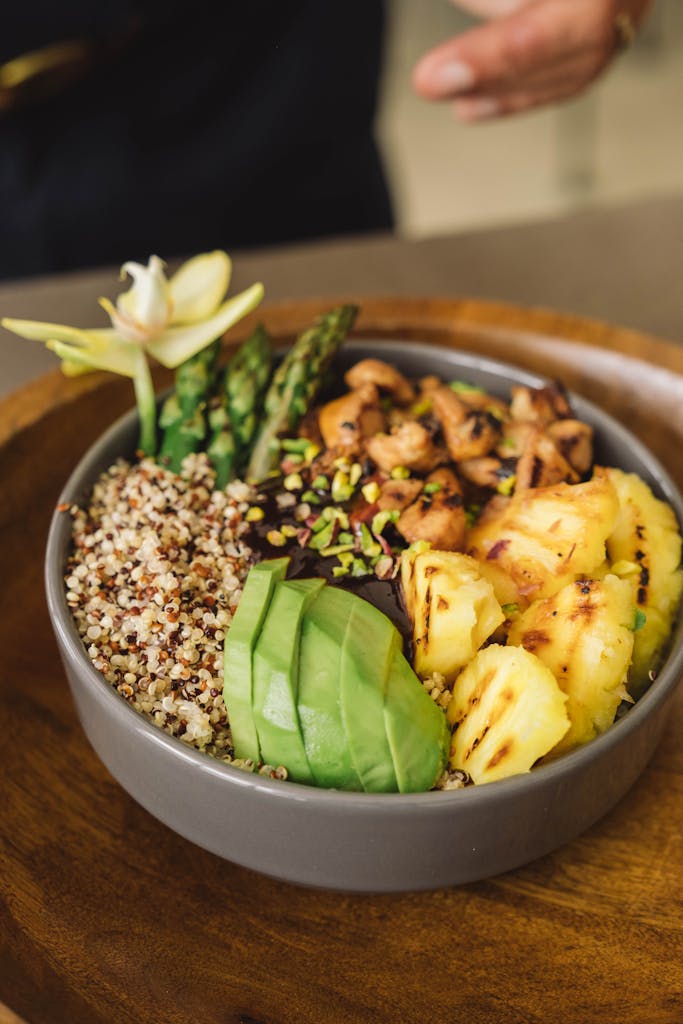
Given our gluten-free lens, focus on brown rice, alternative grains, lots of salad greens, steamed cruciferous vegetables, root vegetables, and colourful berries. Each colour provides a slightly different mix of fibre, polyphenols, and prebiotics.
2. Include Fermented Foods Regularly
As someone who avoids lactose but tolerates yoghurt, kefir and some hard cheese. I still embrace fermented foods — think sauerkraut, kimchi, water kefir, kombucha, and kvass. These introduce beneficial microbes and support microbial diversity. More about the science of fermentation can be found here.
3. Prebiotic Foods That Support Gut Bacteria
Prebiotics feed the beneficial bugs. Chicory root, artichoke, garlic, leeks, onion, asparagus, bananas (just slightly green), oats (gluten-free certified) — include these. Keep in mind: go slowly when increasing fibre (especially if you have a sensitive gut) to avoid bloating.
The research shows that microbiota perform functions in the fermentation of indigestible fibres and produce short-chain fatty acids (SCFAs), which feed our colon cells and support barrier integrity.
4. Limit Refined Sugar and Ultra-Processed Foods
Refined sugar feeds “fast-growing”, less beneficial species, and processed foods often lack fiber and diversity. I’ve found personally that a low-sugar lifestyle aligns beautifully with gut health.
Studies highlight the role of diet and environment in shaping gut microbiota in “real time”. In this blog, all the sweeteners are natural, minimally processed, and used in small amounts.
Also, use antibiotics only when medically necessary, and if you need them, follow them with gentle gut-supportive habits (ferments, prebiotics, rest) since antibiotics disturb microbial balance.
5. Prioritise sleep, manage stress & move your body
The microbiome doesn’t exist in a vacuum — it interacts with your nervous system, your daily rhythm and lifestyle. Stress, lack of sleep, and sedentary habits adversely affect microbial diversity. While research is emerging, this holistic approach makes sense to me. Read more about sleep disturbance in this dedicated article.
Try: daily movement (walks, yoga), mindful eating (no screens while eating), and good sleep hygiene. These support the gut-brain axis and microbial resilience.
6. Avoid over-cleaning‡ and embrace nature
Our environment shapes our microbial world. While hygiene is important, an overly sterile environment may reduce exposure to microbes. Spending time outdoors, gardening, and being barefoot on grass (if comfortable) can add microbial richness. Read more here: Eat Dirt.
‡ (Of course, use common-sense hygiene — but simple exposure to natural microbes may benefit diversity.)
7. When to consider probiotic/synbiotic support
If you’ve had major gut disruption (e.g., heavy antibiotic use, chronic gut issues, IBS symptoms), a targeted probiotic may help. But food first is always my preference. And research emphasises that probiotics may help, but are not substitutes for a diverse, fibre-rich diet.
8. Be patient — your microbiome changes, but it takes time
This is not an overnight fix. A shift in diet and habits gradually shapes your microbial ecosystem. Think of it like nurturing a garden after years of neglect: you plant good seeds, improve the soil, support growth — you don’t see full bloom immediately, but steadily the environment improves.
Your Next Steps: Simple Fut-Friendly Habits I Use and Love
Here are a few real-life habits I practise (and you can too):
- Every morning, I start with a glass of warm water and a few minutes of deep breathing to stimulate digestion and activate the parasympathetic nervous system.
- My breakfast consists of overnight oats, at least one ferment (usually yogurt), a handful of berries and soaked nuts, sprinkled with extra goodness.
- At lunch, I aim for half the plate of colourful vegetables (raw or lightly steamed), one-third protein, and one-third gluten-free grains or fiber.
- In the evening, I include a fermented side (homemade Bulgarian yogurt with live cultures, or homemade sauerkraut) and keep my sugar intake minimal (maybe a small piece of dark chocolate or some of my homemade no-bake natural sweetened desserts).
- Twice a week, I swap walking for light weights or yoga. Movement stimulates gut motility and microbial flow.
- Once a week, I try a new vegetable or a new gluten-free grain to keep variety high.
- I keep a journal of mood, digestion, and sleep. Often, when my gut microbiome is flourishing, I feel lighter, clearer-headed, have better skin, and have more energy. I also feel less bloated and foggy.
FAQs
1. What’s the difference between microbiome and microbiota?
“Microbiota” refers to the microorganisms themselves (bacteria, fungi, viruses), while “microbiome” often refers to the microorganisms and their genes / collective environment. The terms are used somewhat interchangeably in popular literature.
2. Can I test my microbiome to see how healthy it is? Commercial gut-microbiome tests exist, but caution is needed: many are not yet clinically validated, and there’s no clear “ideal” microbiome blueprint. Research warns against over-interpreting such tests. Consider professional guidance if you go down this route.
3. Does taking probiotics guarantee a “good” microbiome?
Not quite. Probiotics can help in specific situations (after antibiotics, in certain gut conditions), but they don’t replace a diverse diet, rich fiber, lifestyle support and microbial exposure. The overall gut microbiome ecosystem matters more than a single “bug”.
Fancy a Freebie?
Subscribe for my newsletter
and get your FREE eBook with 7 delicious gluten-free desserts!
*We will only send you gluten-free, lactose-free, refined sugar-free emails; you can unsubscribe anytime. Read our Privacy & Cookie Policy.

4. I’m gluten-free and lactose-free — is that bad for the gut microbiome?
Not inherently. The key is what you replace those foods with. If gluten-free means lots of processed wheat-free breads and sugar, you could still miss out on fibre and diversity. But if gluten-free means more whole grains (quinoa, millet, buckwheat), vegetables, legumes (if you tolerate them) and fermentables, then you’re doing great for your microbiome.
5. How long until I see results from improving my microbiome?
It varies. Some people report improved digestion, mood or skin within a few weeks of ramping up fibre + fermented foods. But meaningful shifts in microbial community take months. Aim for sustainable change, not a quick fix.
6. Are there foods I should absolutely avoid for the gut microbiome?
I prefer to speak in terms of limits rather than absolute prohibitions. But yes, ultra-processed foods, high intake of refined sugar, overuse of artificial sweeteners, excessive intake of red/processed meat, and chronically low-fibre diets are consistently linked to poorer microbial diversity and function.
A “Microbiome-Nurture” Mini Plan
So, what can you do about your microbiome?
- Add one new kind of vegetable or gluten-free grain you haven’t tried before.
- Include fermented food (e.g., homemade sauerkraut, coconut yoghurt, water kefir) at two or three meals.
- Choose one high-fiber prebiotic food per day (e.g., asparagus, garlic, leeks, banana).
- Replace one processed snack with a homemade treat: nuts/seeds, berries, and a little dark chocolate (refined sugar-free).
- Go for a 20-minute outdoor walk (ideally in nature) and breathe deeply.
- Reflect at the end of the week: how’s digestion? How’s your mood? Sleep? Skin?
By Week 4, you’ll likely feel better, and by Month 3, your internal garden will begin to deepen its roots. As always, consistency is more important than perfection.
And Before You Go
Your gut microbiome is one of the most powerful allies in your health journey — from digestion to immunity, mental clarity to skin glow. As a nutrition student and holistic beauty enthusiast, I believe nurturing your internal ecosystem is the ultimate beauty regimen.
It’s not about endless supplements or “quick fixes” — it’s about returning to whole foods, simple habits, and treating your body with kindness.
So dear friends: treat your gut not as an afterthought, but as a garden worth tending. With intention, diversity, movement and patience, the rewards are profound. Here’s to your internal beauty, vibrancy and wellness.
YourDani



Thank you for stopping by! I’m Dani!
nutrition student | Healthy Live Promoter | Gluten-free recipe developer
Welcome to DeGlutenista Nutrition!
Your visit really means the world to me. I’m happy to share simple, nourishing gluten-free recipes and practical food tips focused on gut health and clean eating, all with an emphasis on reducing ultra-processed ingredients.
My approach is simple: practising mindful eating, regardless of food sensitivities, can be both tasty and healthy.