

Casein Intolerance: What the Science Really Says

Dairy has been a part of human diets for thousands of years, yet casein intolerance remains a topic that causes significant confusion in modern nutrition. While many people enjoy milk, yogurt, and cheese without any problems, others experience bloating, digestive discomfort, skin changes, fatigue, or brain fog even after consuming small amounts of dairy.
Today, dairy is one of the most debated food groups in modern nutrition. While some people can consume it daily without any issues, others may experience bloating, digestive discomfort, skin problems, fatigue, or brain fog even after a small amount. Social media is filled with conflicting opinions: some people praise dairy as a superfood, while others caution that it can be inflammatory or toxic.
To understand why dairy feels problematic for so many people today, we also need to look at how our food system has changed.

How Modern Food Processing Has Changed Our Relationship with Food
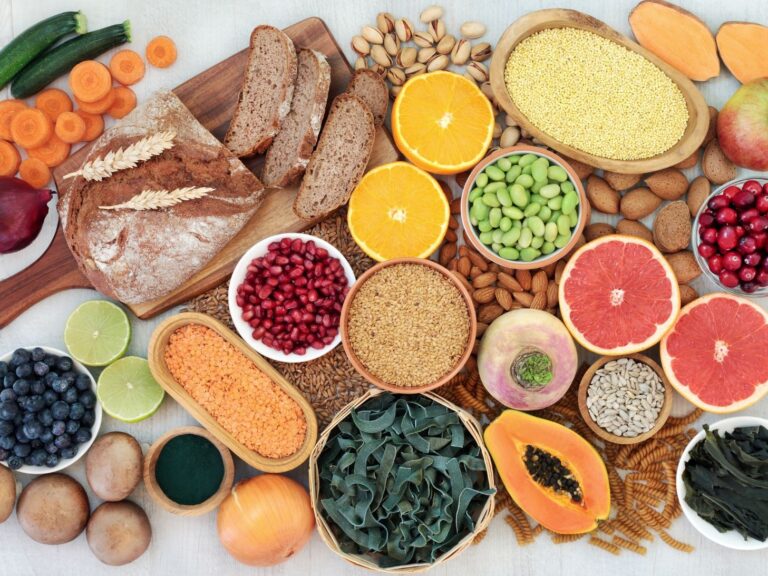
In recent decades, daily diets have changed significantly. Traditional meals made from basic ingredients have increasingly been replaced by highly processed foods that contain refined sugars, modified starches, emulsifiers, stabilisers, flavourings, and preservatives.
These ingredients were mostly missing from historical diets. Today, they can be found in everything from ready meals and snacks to health products and dairy alternatives.
Recent research indicates that many of these compounds can affect gut barrier function, balance the microbiome, and regulate the immune system. Concurrently, the prevalence of food allergies, intolerances, and functional digestive disorders has risen in numerous high-income countries.
Genetics alone cannot account for this rapid rise. Instead, scientists increasingly highlight ultra-processed diets, reduced dietary diversity, and decreased exposure to traditionally prepared foods as factors that may weaken digestive resilience and immune tolerance over time.
Dairy production has evolved significantly over the years. Modern methods now often include large-scale farming, selective breeding, homogenization, ultra-heat treatment, and extended supply chains. While these processes enhance shelf life and efficiency, they also change how foods interact with the body.
This brings us to casein.
What Is Casein? Understanding Milk’s Main Protein
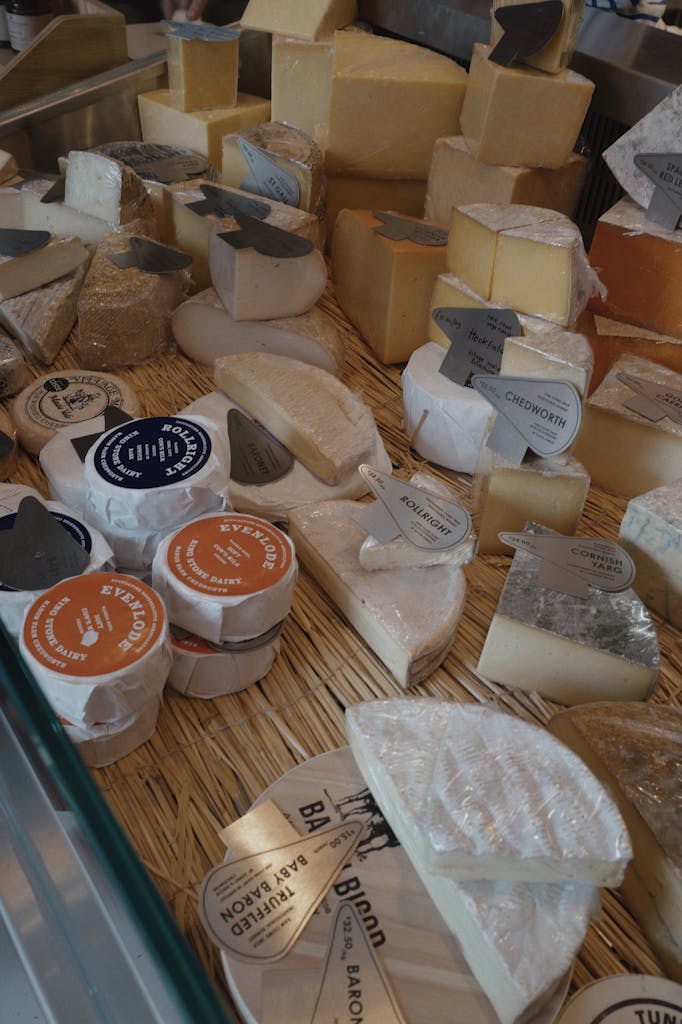
Milk is not just a source of calcium. It is a complex biological fluid that supports growth. Around 80% of its protein content comes from casein, while the remaining portion comes mainly from whey.
Casein plays an important nutritional role. It helps transport minerals such as calcium and phosphorus, supports muscle maintenance, and provides slow-release amino acids that contribute to satiety. Unlike whey, which is digested rapidly, casein forms a soft clot in the stomach. This slows gastric emptying, leading to more gradual digestion.
In milk, casein exists in microscopic structures called micelles. These clusters allow proteins and minerals to remain soluble and stable. From a nutritional perspective, this is highly efficient. From a digestive perspective, it also means casein behaves differently from many other proteins.
There are several types of casein, including alpha-, beta-, and kappa-casein. Among them, beta-casein has attracted the greatest scientific interest, particularly regarding digestion and gut health. Controlled human trials have explored whether A1 and A2 milk differ in gastrointestinal tolerance, with mixed but informative results.
Did You Know – Leucine in Dairy: Muscle Growth and Longevity
Dairy proteins are a naturally rich source of leucine, a branched-chain amino acid that plays a key role in stimulating muscle protein synthesis through activation of the mTOR signalling pathway. Both casein and whey contain leucine, although whey provides it in a more rapidly absorbed form, while casein delivers leucine more slowly due to its clot-forming properties in the stomach.
This difference explains why dairy is often described as a “high-quality” protein source, particularly in the context of muscle maintenance, metabolic health, and ageing—without implying that higher intakes are inherently better or necessary for everyone.
A1 and A2 Casein: Why One Amino Acid Matters
Beta-casein exists in different genetic forms. The two most common are known as A1 and A2. They differ by only one amino acid in their structure, yet this small difference alters how the proteins are broken down during digestion.
When A1 casein is digested, it can release a peptide called beta-casomorphin-7, often shortened to BCM-7. This compound has weak opioid-like activity and has been studied for its potential effects on gut motility, immune signalling, and intestinal permeability, which can lead to inflammation.
A2 casein, in contrast, produces little or no BCM-7 during digestion. The physiological relevance of BCM-7 in humans remains an area of ongoing research, and its effects appear to be context- and individual-dependent.
Most conventional cow’s milk contains A1 casein or a mixture of A1 and A2. Specially labelled A2 milk contains only the A2 variant. Goat and sheep milk naturally contain mainly A2-type casein.
This biochemical difference has led to growing interest in A2 dairy as a potentially more digestible option. However, it is important to approach this topic with scientific caution rather than marketing enthusiasm.
Casein Digestion in the Human Body
Protein digestion begins in the stomach. When dairy is consumed, gastric acid and the enzyme pepsin begin breaking down casein into smaller peptides. Because casein coagulates in acidic conditions, it forms a soft gel that slows digestion.
This slow breakdown is one reason casein is popular in sports nutrition. It provides prolonged amino acid release. However, in sensitive individuals, slow digestion may also contribute to feelings of heaviness, fullness, or discomfort.
In the small intestine, pancreatic enzymes continue to break down peptides into amino acids and small fragments that can be absorbed into the bloodstream. In most people, this process is efficient and causes no symptoms.
Some casein fragments may reach the colon, where they interact with gut bacteria. In a balanced microbiome, this rarely causes problems. In a disrupted gut environment, however, these fragments may contribute to symptoms.
Digestive tolerance, therefore, depends not only on the protein itself but also on the overall health of the digestive system.
Is Casein Linked to Inflammation? What Does Research Show?
The idea that casein is “inflammatory” is widespread online, yet scientific evidence paints a more complex picture.
In healthy adults, controlled studies generally show that dairy proteins do not consistently raise markers of systemic inflammation. Blood levels of C-reactive protein, interleukins, and tumour necrosis factor usually remain stable after dairy consumption. For most people, casein does not trigger inflammatory responses.
In individuals with digestive disorders, however, the situation can be different. People with irritable bowel syndrome, increased intestinal permeability, or chronic gut dysbiosis may experience worsening symptoms after consuming dairy proteins. This appears to be driven more by local gut irritation than by whole-body inflammation.
Research comparing A1 and A2 milk suggests that A1-containing milk may increase bloating, abdominal pain, and stool looseness in some individuals. A2 milk is often better tolerated. Importantly, these effects are primarily gastrointestinal. Large, high-quality studies do not demonstrate that A1 casein causes chronic inflammatory disease in the general population.
Current evidence supports one central conclusion: responses to casein are individual, not universal.
Casein Intolerance, Lactose Intolerance, and Dairy Sensitivity: Not the Same Thing
Many people assume that any negative reaction to dairy is “lactose intolerance.” In reality, several different mechanisms may be involved.
A true milk allergy is an immune reaction to milk proteins, including casein and whey. It involves IgE antibodies and can cause symptoms such as hives, swelling, breathing difficulties, and, in severe cases, anaphylaxis. This condition requires strict avoidance and medical supervision.
Lactose intolerance is entirely different. It is caused by low lactase production, the enzyme needed to digest lactose. Undigested lactose ferments in the colon, leading to gas, bloating, and diarrhoea. It does not involve the immune system.
Dairy sensitivity sits between these two conditions. It is not mediated by IgE antibodies and is not caused by lactose deficiency. Instead, it likely reflects altered gut function, low-grade immune activation, or microbiome imbalance. Diagnosis is usually based on symptom patterns and elimination trials.
Understanding these differences is essential for appropriate dietary decisions. Lactose intolerance and dairy allergy are often confused, yet they involve completely different biological mechanisms.
Why Some People Are More Sensitive to Casein
Not everyone responds to dairy in the same way. Several factors increase the likelihood of sensitivity.
A compromised gut barrier may allow partially digested proteins to interact more strongly with immune cells. Dysbiosis can alter fermentation patterns and immune signalling. Chronic stress affects digestive enzyme secretion and gut motility.
Autoimmune conditions may increase immune reactivity. Early-life antibiotic exposure may influence long-term microbiome development. Digestive tolerance is closely linked to the health and diversity of the gut microbiome, which plays a central role in protein digestion and immune regulation.
Genetics also play a role. Some people simply digest milk proteins more efficiently than others. Sensitivity, therefore, is rarely caused by a single factor. It reflects the overall health of the digestive and immune systems.
Fermentation and Casein: Why Some Dairy Is Easier to Digest
Traditional fermented dairy products often feel “lighter” to sensitive individuals. This is not a coincidence. Fermentation is known to modify proteins and bioactive compounds, which may explain why traditionally fermented foods are often better tolerated.
During fermentation, bacteria produce enzymes that partially break down milk proteins, including casein. This reduces their antigenicity and makes them easier to process.
Kefir, live yogurt, Bulgarian yogurt, and aged cheeses contain partially hydrolysed proteins and beneficial microbes. These microbes may also support lactose digestion and gut barrier function.
This explains why some lactose-intolerant or sensitive individuals tolerate fermented dairy while reacting to fresh milk.

A Personal Reflection: Traditional Dairy and Tolerance
Looking back, I often reflect on how different my early food environment was compared with today. As a very young child, I was frequently ill, which meant I was often sent to stay with my grandparents in their village while my parents were working full-time.
Life there was simple and deeply connected to nature. I spent my days outdoors, playing in fields, helping around the house, and making unlikely “friends” with lambs, chickens, and other animals.
Our food was mostly home-produced, and dairy was a daily staple – particularly sheep’s milk and homemade yogurt. Despite consuming large amounts of dairy, I barely remember being unwell during those years.
At the time, nobody spoke about gut bacteria, immune tolerance, or protein sensitivity. Yet today, we understand that early exposure to diverse microbes, natural environments, and minimally processed foods helps shape both digestive resilience and immune regulation.
Traditional dairy from sheep and goats, which naturally contains predominantly A2-type casein and is often fermented, may also be easier for many people to tolerate.
Compared with modern, highly processed dairy products and sanitised living environments, that simple village lifestyle may have quietly supported my long-term tolerance in ways science is only now beginning to explain.
Should You Avoid Casein?
From a scientific perspective, blanket avoidance is rarely justified.
People with a confirmed milk allergy should avoid all dairy products. Those with severe symptoms should work with healthcare professionals. Individuals with IBS or unexplained digestive issues may benefit from a structured trial of reduction.
For people without symptoms, dairy proteins are generally safe and nutritious. They provide high-quality protein, calcium, and bioavailable micronutrients.
How to Assess Your Own Dairy Intolerance
The most reliable method is a structured elimination-and-reintroduction approach.
Removing dairy completely for three weeks allows symptoms to stabilise. Reintroducing one product at a time, starting with fermented or A2 options, helps identify patterns. Keeping a simple symptom diary improves accuracy.
If reactions are severe, persistent, or concerning, professional assessment is essential.
Alternatives and Lower-Casein Options
For those who limit dairy, several alternatives exist.
Lower-casein options include A2 milk, goat milk, sheep yoghurt, and aged cheeses. These often retain nutritional benefits while improving tolerance.
Plant-based alternatives such as almond milk, coconut yoghurt, and fortified oat milk can be useful, but nutrient content varies. Choosing unsweetened, calcium-fortified versions is important.
The replacement should focus on nutritional adequacy, not just on avoidance.
Casein, Gut Health, and Long-Term Wellbeing
Tolerance to dairy is strongly linked to overall gut health.
A diverse, resilient microbiome improves protein digestion and immune regulation. Adequate fiber intake supports beneficial bacteria. Polyphenol-rich foods reduce oxidative stress. Fermented foods support microbial balance. Stress management influences gut–brain signalling.
Rather than focusing on single “problem foods,” long-term wellbeing is built through dietary diversity and gut support.
Casein Intolerance – FAQs
Is casein inflammatory?
In most healthy individuals, casein does not appear to increase systemic inflammation. In sensitive people, it may worsen digestive symptoms rather than cause whole-body inflammation.
Is dairy necessary for muscle health and longevity?
Dairy can contribute high-quality protein and leucine, but muscle maintenance and healthy ageing can also be supported through varied dietary patterns.
Is A2 milk better for digestion?
Many people report better tolerance, and studies support modest gastrointestinal benefits.
Can lactose-intolerant people react to casein?
Yes. These are separate mechanisms.
Is casein bad for gut health?
Not inherently. Effects depend on microbiome and barrier function.
Does yogurt contain casein?
Yes, but fermentation partially breaks it down.
Can casein cause brain fog?
Some individuals report this, but strong clinical evidence is limited.
Fancy a Freebie?
Subscribe for my newsletter
and get your FREE eBook with 7 delicious gluten-free desserts!
*We will only send you gluten-free, lactose-free, refined sugar-free emails; you can unsubscribe anytime. Read our Privacy & Cookie Policy.

Final Thoughts: A Personalised Approach to Dairy
So, is casein inflammation real? Casein is not a villain, nor is it universally harmless.
For most people, it is a valuable, well-tolerated protein. For some, it contributes to discomfort. These differences reflect individual biology, gut health, and lifestyle factors.
Modern nutrition science increasingly supports one principle: There is no perfect diet – only the right diet for your body. The goal is not restriction for its own sake, but informed personalisation.
Thank you for reading! I hope this one helps in your body-observing journey and health.
YourDani x x



Thank you for stopping by! I’m Dani!
nutrition student | Healthy Live Promoter | Gluten-free recipe developer
Welcome to DeGlutenista Nutrition!
Your visit really means the world to me. I’m happy to share simple, nourishing gluten-free recipes and practical food tips focused on gut health and clean eating, all with an emphasis on reducing ultra-processed ingredients.
My approach is simple: practising mindful eating, regardless of food sensitivities, can be both tasty and healthy.