
A Complete Guide to a Gluten-Free Diet

If you search online for “gluten-free diet,” you will find thousands of articles explaining what gluten is and which foods contain it. But very few of them answer the questions people actually struggle with when they start living gluten-free:
Why am I still bloated even though I removed gluten?
Why are so many gluten-free products full of sugar and starch?
How do I eat gluten-free and still stay healthy?
This guide exists because I kept asking myself those same questions.
What Is a Gluten-Free Diet?
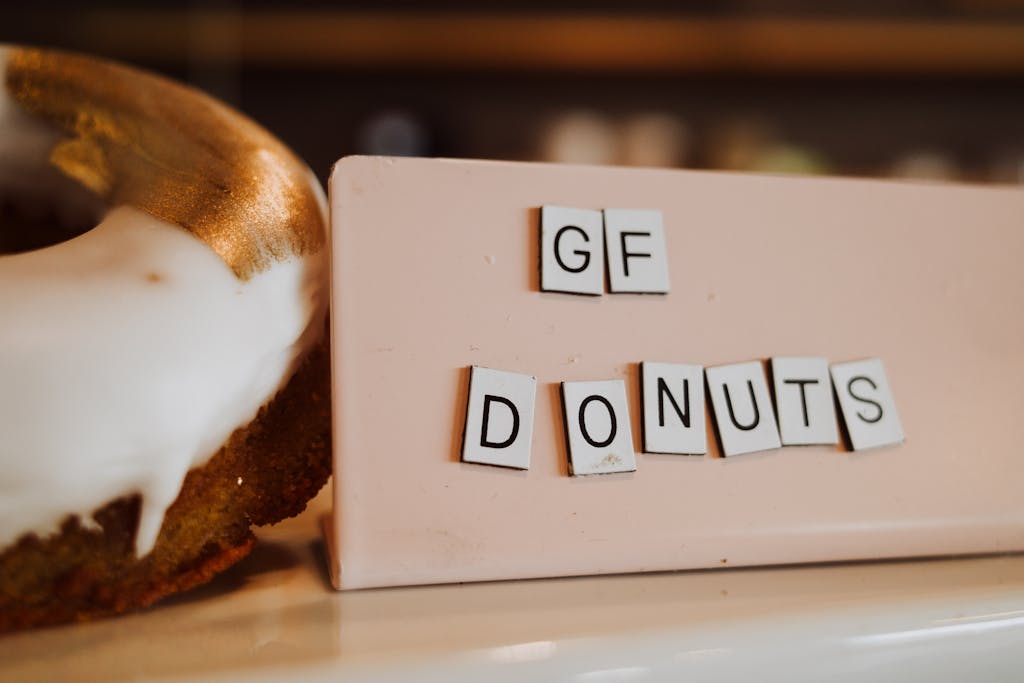
A gluten-free diet removes foods and ingredients that contain gluten, the protein found in wheat, barley, rye, and most standard oats unless they are certified gluten-free.
For people with celiac disease, non-celiac gluten sensitivity, or wheat allergy, gluten-free eating is essential. Diet quality still depends on the foods you choose every day. A strong gluten-free diet provides fiber, protein, vitamins, minerals, healthy fats, and enough variety to support digestion, energy, and long-term metabolic health.
Why I Created DeGlutenista
I created DeGlutenista because gluten-free eating deserves more than product swaps. Replacing bread with gluten-free bread, biscuits with gluten-free biscuits, and pasta with gluten-free pasta can help at first, especially when someone feels overwhelmed, but long-term gluten-free eating needs a stronger, food-first foundation.
During my Human Nutrition studies, I became especially interested in the nutritional quality of gluten-free products. Many packaged gluten-free foods are ultra-processed and rely on refined starches to recreate softness and structure, while fiber, protein, iron, B vitamins, and overall food quality can easily be pushed aside.
DeGlutenista is my way of bringing the focus back to real food: naturally gluten-free ingredients, balanced meals, fiber-rich choices, fermented foods, and recipes that support digestion, energy, and metabolic health.
Who Needs a Gluten-Free Diet?
A gluten-free diet is medically essential for certain conditions:
- celiac disease
- non-celiac gluten sensitivity
- wheat allergy.
I explain the differences between these conditions in detail in my guide: Celiac Disease, Gluten Intolerance and Wheat Allergy – What’s the Difference?
Understanding these distinctions matters because a gluten-free diet isn’t automatically beneficial for everyone. For people with celiac disease, however, it is the only effective treatment and must be followed for life.
Foods to Avoid on a Gluten-Free Diet
When most people start a gluten-free diet, they focus on the obvious foods that contain gluten, such as bread, pasta, and pastries. However, gluten can appear in many unexpected places, for example, in ultra-processed foods where it is used as a stabilizer, flavor carrier, or thickening agent.
This is one of the most common reasons people accidentally consume gluten even when they believe they are following the diet correctly.
Some of the most frequently overlooked sources include:
- Soy sauce and Asian sauces. Traditional soy sauce is typically made from fermented wheat and soybeans. Unless a product is specifically labeled gluten-free, it may contain wheat.
- Malt ingredients. Ingredients such as malt extract, malt flavoring, or malt vinegar are usually derived from barley and therefore contain gluten.
- Processed meats. Some sausages, meatballs, and deli meats use wheat-based fillers or binders.
- Stock cubes and bouillon powders. These can contain wheat flour or barley-derived flavorings.
- Salad dressings and sauces. Certain dressings, gravies, and marinades use wheat flour as a thickener.
- Flavored crisps and snacks. Seasonings sometimes include wheat flour or malt-based ingredients.
- Food colorings and flavor carriers. Some food additives may contain gluten-containing carriers or stabilizers.
However, interpreting ingredient lists can still be confusing.
If you want to learn how to identify these ingredients more confidently, you can read my detailed guide:
→ Hidden Gluten in Foods: Ingredients That Can Contain Gluten
How to Read Gluten-Free Labels
Following a gluten-free diet quickly teaches you that avoiding gluten is not only about knowing which foods contain wheat, barley, or rye. It also requires learning how to read ingredient labels carefully.
As someone studying human nutrition and spending a lot of time analyzing ingredient lists, I have realized that many people struggle not because gluten is difficult to avoid, but because food labels can be surprisingly complex. Learning how to interpret them properly makes gluten-free eating much easier and reduces the risk of accidental exposure.
In the UK and across the EU, food manufacturers must clearly highlight major allergens such as wheat on the ingredient list. This rule, explained by the NHS, helps consumers identify potential allergens more easily. However, gluten can still appear through ingredients that are less obvious at first glance.
There is some practical advice.
Look for the Gluten-Free Claim
The quickest indicator is the “gluten-free” label.
In the UK and EU, foods labeled gluten-free must contain less than 20 parts per million (ppm) of gluten, a level considered safe for most people with coeliac disease according to guidance from Coeliac UK.
However, not every naturally gluten-free product carries this label. Many whole foods, such as rice, vegetables, or plain meat, don’t need the label because they don’t normally contain gluten.
Scan the Allergen Section
Most packaged foods include a section that highlights allergens in bold or capital letters.
Common gluten-containing allergens include:
- wheat
- barley
- rye
- oats (unless certified gluten-free)
If one of these appears in the allergen statement, the product is not suitable for a strict gluten-free diet.
Read the Full Ingredient List
Even when wheat is not present, certain ingredients may still indicate gluten.
Examples include:
- malt extract or malt flavoring (usually derived from barley)
- brewer’s yeast
- wheat starch*
- hydrolyzed wheat protein
These ingredients can appear in processed foods such as sauces, snack foods, or flavorings.
Check for Gluten Cross-Contamination Warnings
Some labels contain precautionary statements such as:
- may contain wheat
- produced in a facility that handles wheat
- may contain traces of gluten
These warnings indicate a risk of cross-contamination during manufacturing.
For individuals with coeliac disease, these products may not be safe even if gluten is not listed as an ingredient.
Evaluate the Gluten-Free Nutritional Quality
Many gluten-free products are made primarily from refined starches, which may contain less protein and fiber and be less fortified with micronutrients than whole-grain foods.
For this reason, it is worth checking:
- fiber content
- protein content
- added sugar levels
Whenever possible, choose foods based on whole ingredients rather than long ingredient lists; this is usually the healthiest approach.
A Simple Label-Reading Checklist
When examining a product, ask yourself five quick questions:
- Does it carry a gluten-free label?
- Are wheat, barley, or rye listed in the allergen section?
- Are there ingredients such as malt?
- Is there a cross-contamination warning?
- Is the product nutritionally balanced?
If any of the first four questions raise concern, it is safer to avoid the product.
Wheat Starch: Is It Safe?
One ingredient that often causes confusion on gluten-free labels is wheat starch. At first glance, it can seem contradictory: if wheat contains gluten, how can wheat starch appear in gluten-free foods? The answer is that it helps prevent confusion between gluten-free and wheat-free.
During manufacturing, wheat starch can be extensively purified to remove gluten proteins. When this process is carried out correctly and the finished product meets the gluten-free standard, purified wheat starch can be used in gluten-free products such as breads, pastries, pizza bases, and flour blends.
For people with celiac disease, the clear gluten-free label is the key part. It shows that the particular food has been made to meet the gluten-free limit.
For people with a wheat allergy, wheat starch requires special caution because it still comes from wheat. A product can be gluten-free and still unsuitable for someone who needs to avoid wheat due to an allergy.
Some individuals, however, prefer to avoid wheat starch entirely, especially when a product is unclear or lacks a certified gluten-free label.
On this site, most recipes rely on naturally gluten-free flours such as buckwheat, almond, or rice flour. However, I like the pizza dough made with Caputo flour, which is amazing for pizza, focacca and bread.
Key takeaway: Purified wheat starch may suit people with celiac disease when the finished product is clearly labeled gluten-free, but it is not suitable for those with wheat allergies.
Gluten-Free Diet Risks
When people remove gluten from their diet, the first instinct is often to replace familiar foods with gluten-free versions — bread, biscuits, pasta, and breakfast cereals.
At first glance, this seems like a logical solution. But nutritionally, it often creates a new problem.
Many commercial gluten-free products are made primarily from refined starches, such as rice flour, corn starch, or potato starch. These ingredients can help mimic the texture of wheat products, but they often contain very little fiber, protein, and/or micronutrients.
Several studies have shown that gluten-free processed foods frequently contain:
- less fiber
- lower protein levels
- fewer vitamins and minerals (as well as fortification)
- different fat, sugar, and starch profiles depending on the product category
This means that a gluten-free diet can easily become less balanced than the diet it replaced. The quality of the foods chosen matters as much as the absence of gluten itself.
For this reason, DeGlutenista focuses less on packaged substitutes and more on naturally gluten-free whole foods that provide fiber, nutrients, and balance.
Ultra-Processed Gluten-Free Foods
Another often-overlooked challenge is the level of processing in many gluten-free packaged foods.
To replicate the structure and elasticity normally provided by gluten, manufacturers frequently rely on:
- starch isolates
- protein isolates
- modified starches
- emulsifiers and stabilizers
These ingredients help manufacturers recreate the softness, stretch, and structure wheat usually provides. The issue is the food matrix: when a gluten-free product is built mostly from refined starches, gums, emulsifiers, stabilizers, and added isolates, it gives the body a very different package from whole ingredients. That difference can affect fullness, digestion, and blood glucose response, especially when gluten-free breads, wraps, biscuits, and snack foods become daily staples.
This is where gluten-free eating connects with metabolic health, because the body responds to the whole-food structure, not just the gluten-free label.
Packaged gluten-free products can be helpful, especially when you need convenience or a familiar texture. For everyday meals, I prefer to build the plate around foods that bring more: protein, fiber, minerals, healthy fats, plant compounds, and natural structure. Then gluten-free bread, wraps, biscuits, and snacks become extras.
How to Build a Balanced Gluten-Free Diet
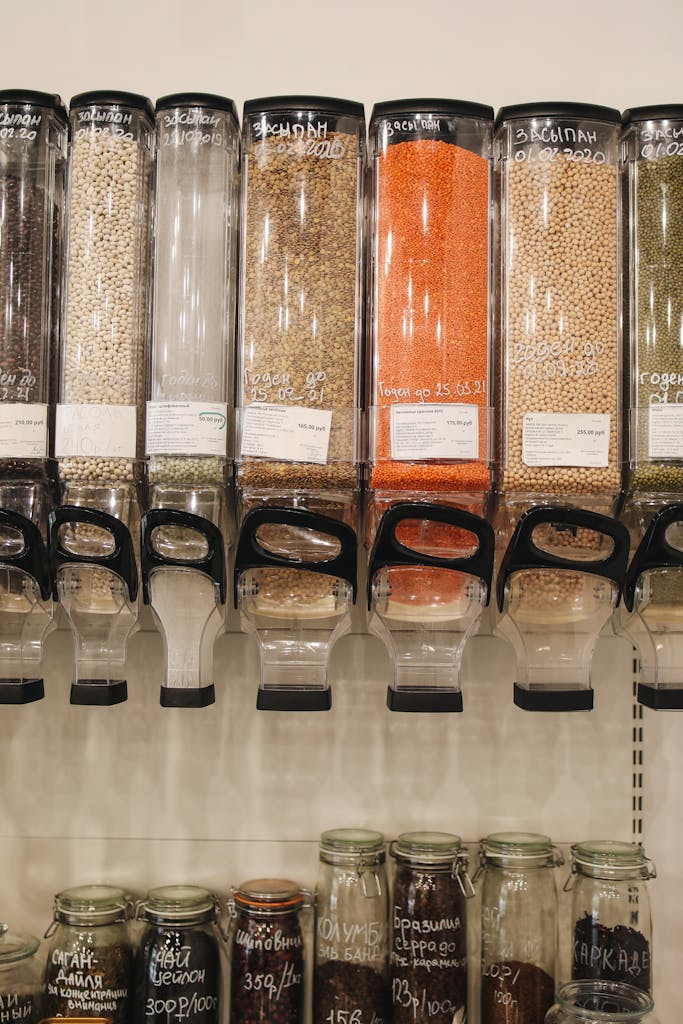
A balanced gluten-free diet does not need to rely heavily on specialized products.
In fact, the healthiest approach is often surprisingly simple: build meals around naturally gluten-free foods.
A useful structure is:
Half the plate: Vegetables
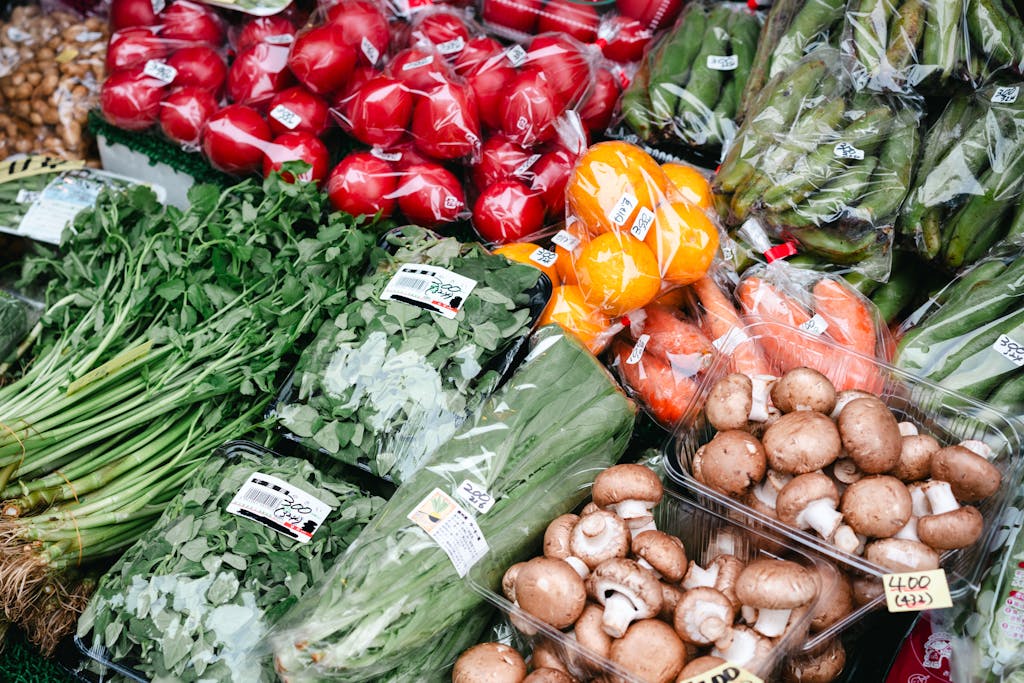
Vegetables provide fiber, vitamins, minerals, and plant compounds that support overall health.
Examples include:
- leafy greens
- broccoli
- peppers
- carrots
- courgettes
- aubergines
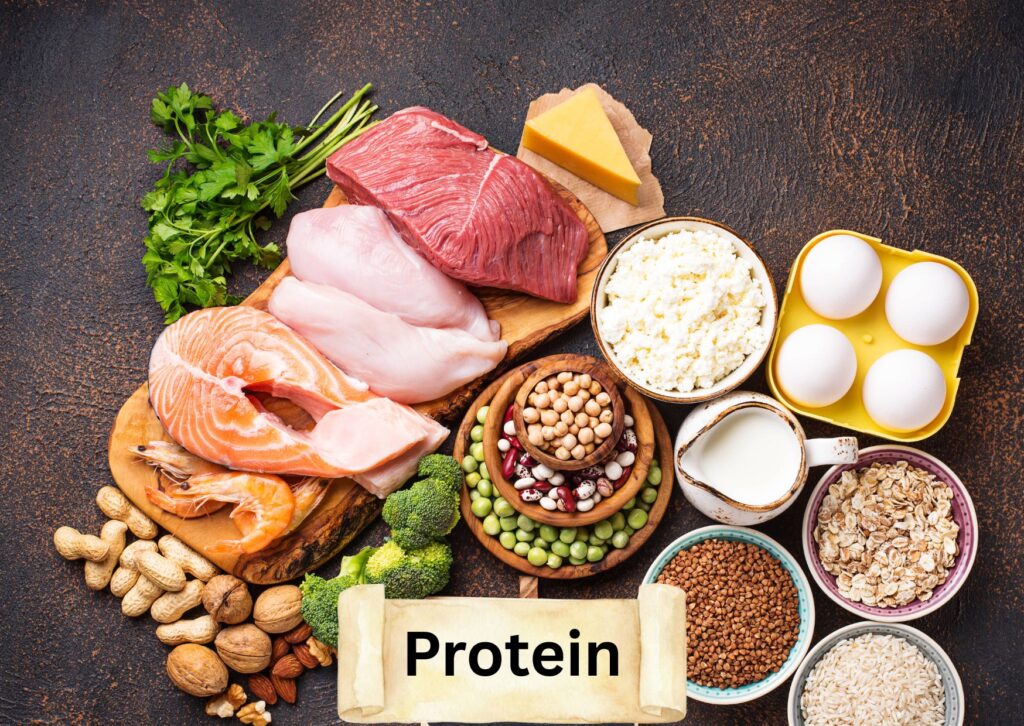
One quarter: Protein
Protein supports muscle maintenance, metabolism, and satiety.
Good gluten-free options include:
- fish and seafood
- poultry and meat
- eggs
- legumes
- tofu and tempeh
- yogurt and cheese (if tolerated)
One quarter: Gluten-Free Carbohydrates
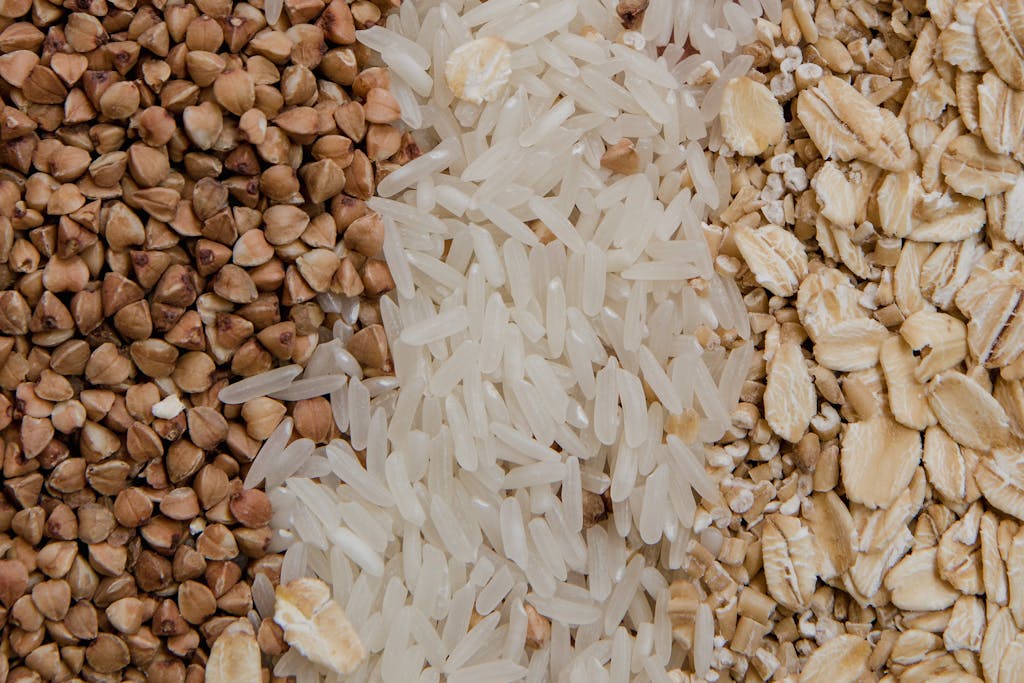
Choose carbohydrate sources that provide fiber and nutrients.
Examples include:
- quinoa
- buckwheat
- brown rice
- sweet potatoes
- certified gluten-free oats
- millet or sorghum
Healthy fats such as olive oil, nuts, seeds, and avocado can also be included to support nutrient absorption and flavor.
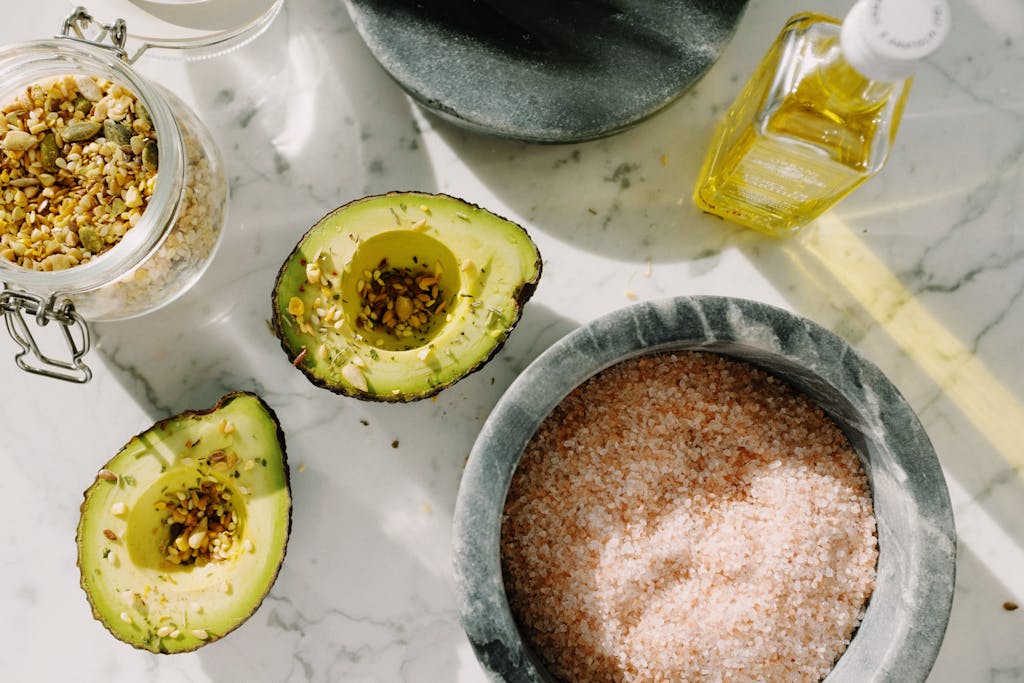
This style of eating resembles many traditional diets that naturally contain no gluten, including Mediterranean food cultures, which are considered one of the healthiest in the world.
A Gluten-Free Pantry
One of the easiest ways to maintain a balanced gluten-free diet is to keep a small collection of staple ingredients at home.
A simple gluten-free pantry might include:
- Whole grains and starches
- brown rice
- quinoa
- buckwheat
- gluten-free oats
- Legumes
- lentils
- chickpeas
- beans
- Seeds
- chia seeds
- flaxseeds
- pumpkin seeds
- Nuts
- almonds
- walnuts
- hazelnuts
- Healthy fats
- olive oil
- avocado oil
- Flours for baking
- almond flour
- buckwheat flour
- rice flour
These ingredients make it much easier to prepare nutrient-dense gluten-free meals at home without relying on processed alternatives.
My Personal Approach to Gluten-Free Cooking
On this blog, I focus on recipes that follow a simple philosophy:
- naturally gluten-free ingredients
- minimal processing
- plenty of fiber
- balanced macronutrients
Many of my recipes are inspired by Mediterranean cooking traditions, where meals are built around vegetables, legumes, olive oil, and whole ingredients rather than refined products.
Gluten-Free Diet for Beginners
In summary, starting a gluten-free diet can feel overwhelming at first, but it becomes much easier once you focus on a few key principles rather than trying to get everything perfect.
1. Gluten-Free Doesn’t Mean Healthy
Removing gluten doesn’t automatically make your diet healthier. Many gluten-free products are still made with refined starches and can be low in fiber. They’re absolutely fine to include, but it’s worth choosing better options where you can; for example, products with added fiber and fewer unnecessary additives.
2. Keep Your Meals Familiar
You don’t need to start from scratch. You can adapt most meals rather than replace them. Keeping things familiar and repeating simple meals makes the transition much easier and less stressful.
3. Use Supermarket Products, Just Choose Wisely
I use gluten-free bread and other supermarket products myself. They make life easier. The key is not to rely on them entirely, but to include them alongside more nutrient-dense foods. A quick look at the label can make a big difference over time.
4. Be Mindful of the “Safe Food” Effect
When something is labeled gluten-free, it can feel like a green light to eat more of it. This is completely normal, especially in the beginning. But some gluten-free snacks are still energy-dense, so it helps to stay aware without being restrictive.
5. Label Reading Gets Easier Quickly
At first, checking every label feels like hard work. After a few shops, you’ll start recognizing your go-to products, and it becomes much more automatic.
6. Aim for Balance, Not Perfection
You don’t need a perfect gluten-free diet; you need one that works for your everyday life. A mix of whole foods and convenient options is often the most realistic approach.
Final Thought
If you’re navigating a gluten-free diet and feeling unsure, you’re not alone; I’ve been there too… With time, gluten-free eating becomes less about checking every detail and more about knowing what works for you. It settles into your routine, and that’s when it really starts to feel easy.
That is why I created DeGlutenista: to help you move from “What can I still eat?” to meals made with safer ingredients and higher-quality food. If you are starting gluten-free after a celiac diagnosis, the Newly Diagnosed Celiac guide walks through the first helpful steps: what to remove, what to check on labels, how to reduce cross-contact, and how to build safer meals at home.
Thank you for your time!
YourDani x x
FAQs
What is a gluten-free diet?
A gluten-free diet involves avoiding foods that contain gluten, a protein found in wheat, barley, and rye. It is essential for people with coeliac disease and may also help those with gluten sensitivity or wheat allergy. A well-balanced gluten-free diet should focus on whole foods while including suitable gluten-free alternatives where needed.
What foods contain gluten?
Gluten is found in grains such as wheat, barley, and rye, and in foods made from them, including bread, pasta, cakes, and many processed products. It can also appear in less obvious items like sauces, stock cubes, and processed snacks, which is why checking labels is important.
What can you eat on a gluten-free diet?
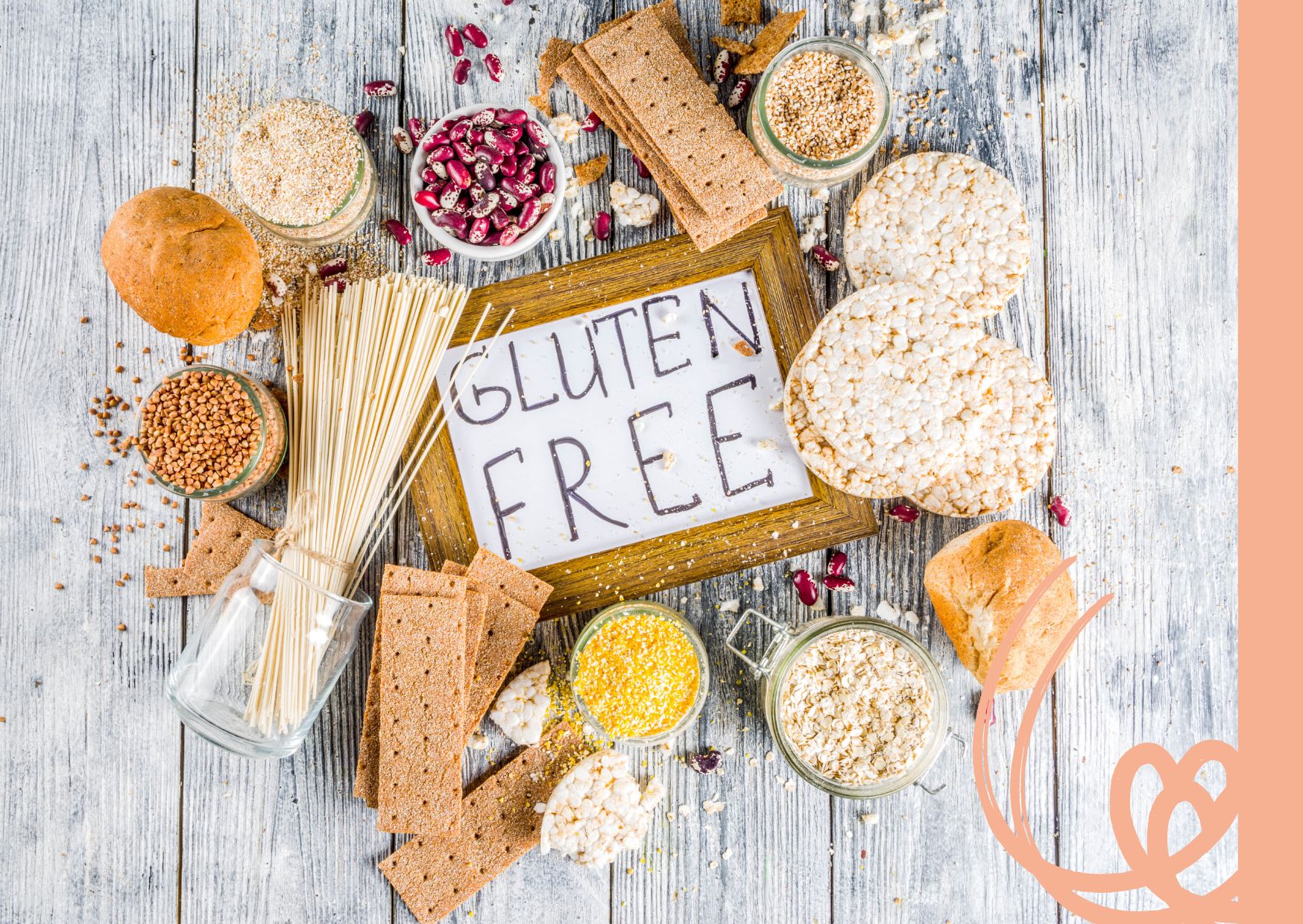
You can eat a wide variety of foods on a gluten-free diet, including vegetables, fruits, meat, fish, eggs, legumes, nuts, seeds, and gluten-free grains such as rice, quinoa, and buckwheat. A balanced gluten-free diet combines these foods with carefully chosen gluten-free products.
Are oats gluten-free?
Oats are naturally gluten-free, but they are often contaminated with wheat during processing. For a gluten-free diet, choose oats labeled as gluten-free or certified gluten-free.
Is wheat starch gluten-free?
Wheat starch can be used in gluten-free products if it has been processed to remove gluten and meets the legal limit of less than 20 parts per million (ppm). In the UK and EU, products labeled gluten-free must meet this standard. Some people still prefer to avoid it, but it is considered safe for most individuals with coeliac disease.
Can you lose weight on a gluten-free diet?
A gluten-free diet does not automatically lead to weight loss. In some cases, people may gain weight if they rely heavily on processed gluten-free products that are high in refined starches, sugars, or fats. Maintaining a balanced diet with whole foods and adequate fiber is key.
Why do some people feel better on a gluten-free diet?
People with coeliac disease or gluten sensitivity often feel better because removing gluten reduces inflammation and digestive symptoms. However, some people may also feel better simply because they eat fewer processed foods and pay more attention to their diet.
How do you avoid hidden gluten in foods?
To avoid hidden gluten, read ingredient labels carefully and watch for ingredients such as malt extract, wheat starch, and certain flavorings. Processed foods like sauces, dressings, and snacks are common sources of hidden gluten.
Is a gluten-free diet healthier for everyone?
A gluten-free diet is essential for people with celiac disease, but it is not necessarily healthier for everyone. Overall diet quality matters more than whether it includes or excludes gluten.