


Why We Need Magnesium: The Body’s Spark Plug

Magnesium, a plentiful mineral in the body, occurs naturally in many foods, is added to various food products, is available as a dietary supplement, and is included in certain medicines. Magnesium benefits include supporting energy production, muscle function, nerve signaling, blood sugar balance, mood regulation, and deep, restorative sleep.
It’s the steady co‑pilot in your body’s biochemical machinery in over 300 biochemical reactions. Magnesium is involved in your heart to maintain a steady rhythm, in your muscles to keep them strong yet relaxed, and in your nervous system to help it respond calmly to daily stress. It’s essential for steady energy, emotional balance, and overall metabolic health, a true cornerstone of wellbeing your body relies on every day.
As a nutrition graduate, I often imagine magnesium as the body’s spark plug. Every cell depends on it for energy, structure, and communication. And yet, despite its importance, low magnesium intake is astonishingly common. Research findings suggest that up to 60% of adults may not meet their daily magnesium needs, a hidden gap with very real consequences for energy, especially in midlife fatigue, mood, and long‑term health.

This post may contain affiliate links. If you make a purchase through these links, I may earn a small commission at no extra cost to you. I only recommend products I personally use and trust. Thank you for your support!
Magnesium: A Mineral With a Long, Luminous History
Magnesium has been part of human life for centuries. “Epsom salts” were named after the mineral‑rich waters of Epsom, England, where magnesium sulfate was first discovered. Long before modern science could explain why it worked, people used it in baths, poultices, and tonics to soothe the body.
It’s also the element responsible for the brilliant white light in fireworks and flares, a spark of vitality, energy, and brilliance. In many ways, that’s exactly what magnesium brings to human biology.
In this article, we’ll explore magnesium not as a cold, clinical nutrient, but as a living, breathing part of your body’s story; how it works, how it gets lost (especially in our modern diets), and how you can restore it to support energy, balance, and vitality.
What is Magnesium?
If you remember magnesium from chemistry class as “Mg,” the benefits of magnesium in the human body are far more profound. Imagine your body as an orchestra — magnesium is the conductor. Without it, the rhythm falters. Muscles tighten, nerves misfire, energy dips, and sleep becomes shallow. It is the mineral that keeps the entire symphony in tune.
Magnesium is a major mineral, not a trace one, meaning the body requires it in relatively large amounts every single day. According to the National Institutes of Health, adult men typically need 400–420 mg daily, while women need 310–320 mg, with increased requirements during pregnancy.
These numbers represent the minimum needed to prevent deficiency, not necessarily the optimal intake for people under stress, dealing with chronic illness, or juggling modern lifestyles that drain magnesium faster than ever. Although my reference is always going to the food-first approach, sometimes magnesium supplements are necessary to fill the gap.
Magnesium Absorption
Stress, alcohol, caffeine, certain medications, digestive issues, and even modern farming practices can reduce the amount of magnesium your body actually absorbs. Our soils contain far less magnesium than they once did, which means our food does too.
Magnesium participates in over 300 biochemical reactions, including:
- muscle contraction and relaxation
- nerve signalling
- energy production (ATP activation)
- DNA repair
- blood sugar regulation
- bone formation
- heart rhythm stability
Around 50–60% of the body’s magnesium is stored in bone, acting as a reservoir the body draws from when intake is low. Because magnesium is essential, it must come from food or supplements; the body cannot make it on its own.
Magnesium Benefits: Why This Mineral Matters?
Magnesium needs vary depending on age, sex, stress levels, and metabolic demand. General guidelines suggest:
- Women: 310–320 mg/day
- Men: 400–420 mg/day
- Pregnancy: 350–360 mg/day
- Breastfeeding: 310–320 mg/day
Who Is at Higher Risk of Magnesium Deficiency?
Magnesium deficiency rarely happens overnight. It’s a slow drift, a silent depletion influenced by lifestyle, stress, and the way modern food is grown and processed. While anyone can fall short, certain groups are more vulnerable due to increased needs or reduced capacity to absorb.
You may be at higher risk of low magnesium if you:
1. Live with chronic stress
Stress hormones increase magnesium loss through the urine. The more stressed the body becomes, the more magnesium it burns; a cycle many people don’t realize they’re caught in.
2. Consume a high‑sugar or high‑refined‑carbohydrate diet
Sugar metabolism requires magnesium‑dependent enzymes. The more sugar you eat, the more magnesium your body uses to process it. Over time, this can drain your reserves.
3. Drink coffee, tea, or alcohol regularly
Caffeine and alcohol both increase urinary magnesium loss. Even moderate intake can contribute to depletion if dietary intake is low.
4. Have digestive issues
Conditions such as IBS, coeliac disease, Crohn’s disease, chronic diarrhea, or low stomach acid can reduce magnesium absorption.
5. Take certain medications
Some medications, including diuretics, proton pump inhibitors, certain antibiotics, and some diabetes medications, may reduce magnesium levels over time.
6. Are over 50
Aging naturally reduces magnesium absorption and increases urinary loss, making older adults more susceptible to deficiency.
7. Follow restrictive diets
Low‑carb, low‑grain, or low‑legume diets may unintentionally reduce magnesium intake, especially if leafy greens and nuts aren’t consumed regularly.
8. Have high physical activity levels
Athletes and active individuals use more magnesium for muscle contraction, energy production, and recovery.
Magnesium Balance
This important microelement is also a partner nutrient for many of the body’s key players; calcium, vitamin D, potassium, and zinc all rely on magnesium to function effectively.
In fact, without magnesium, ATP, the body’s energy molecule, cannot be activated. Think of ATP as the body’s fuel and magnesium as the key that turns the ignition. Without that key, the engine sputters.
For many people navigating low energy in midlife, magnesium deficiency is a missing piece often overlooked, especially when fatigue persists despite adequate sleep, as I explore more deeply in my post on why midlife fatigue is not just about rest.
Foods such as spinach, kale, broccoli, avocados, bananas, figs, Jerusalem artichokes, cocoa powder, and wild-caught salmon provide magnesium, yet even a nutrient-dense diet often falls short of optimal intake. Leafy greens like kale remain one of the most reliable dietary sources of magnesium. Look at my kale recipe collection.
Have you ever experienced these chocolate cravings? Like you dreadfully need something but chocolatey….you are not alone. It could be a body signal that you are low in magnesium and your body is whisperring (or feels like shouting) – give me some magnesium, please!
However, cocoa is one of the most concentrated food sources of magnesium, which is why cocoa’s lesser-known mineral benefits extend far beyond its antioxidant content. It may explain why chocolate cravings often intensify during stress, in tese cases your body is seeking magnesium badly.
The Subtle Signs of Magnesium Deficiency
Magnesium deficiency doesn’t usually shout. It whispers, slowly, subtly, and often in ways we dismiss as “just stress” or “just getting older.”
Early signs may include:
- muscle twitches or cramps
- fatigue that doesn’t improve with rest
- trouble falling or staying asleep
- headaches or migraines
- increased anxiety or irritability
- heart palpitations or irregular heartbeat
- heightened stress sensitivity
When magnesium levels fall, nerves become overexcited. Muscles may spasm, the mind may race, and sleep becomes elusive. This happens because magnesium acts as a natural calcium gatekeeper in nerve cells. Without enough magnesium, calcium floods in unchecked, triggering overactivity, like a car engine revving without control.
Magnesium’s calming effect on the nervous system becomes especially relevant for those experiencing sleep disturbances rooted in nervous system imbalance, where falling asleep may be easy, but staying asleep is not.
Sugar Burns Magnesium the Way Fire Burns Oxygen
Few people realize that high sugar intake rapidly depletes magnesium stores. Research on magnesium depletion from high-sugar intake reveals its mechanism is surprisingly elegant. And devastating.
When we eat sugar, the body must process it into energy. To metabolize each glucose molecule, the body requires magnesium-dependent enzymes. Essentially, magnesium acts as a cofactor, the biochemical “assistant” that helps enzymes convert sugar into usable energy.
The more sugar you eat, the more magnesium is pulled into this process. Over time, this constant drain depletes magnesium reserves. Worse still, insulin, the hormone that helps shuttle sugar into cells, depends on magnesium to function properly. So when magnesium levels drop, insulin sensitivity also declines, leading to higher blood sugar and more stress on the system. Find out more about metabolic health and why we should care.
It’s a vicious cycle:
High sugar → more magnesium used → less magnesium available → reduced insulin sensitivity → higher blood sugar → even more magnesium loss.
For anyone struggling with fatigue, mood swings, or blood sugar instability, magnesium may be the missing piece. And more about sugar choices, how to escape this cycle, and how to stop sugar cravings can be found in this sugar article.
How Magnesium Works With Other Nutrients
Magnesium never works alone. It’s part of a delicate dance with other vitamins and minerals, especially calcium, vitamin D, potassium, and zinc. When one of these nutrients falls out of balance, magnesium often follows.
Vitamin D
Vitamin D relies on magnesium for activation. Without enough magnesium, vitamin D remains in its inactive form, so you can have “normal” blood levels yet still experience symptoms of deficiency. This is one reason some people don’t feel better even after supplementing with vitamin D: magnesium is the missing co‑star.
Calcium
Calcium excites muscles and nerves; magnesium calms them. They are partners and opposites. When calcium intake far exceeds magnesium intake, something that happens easily in modern diets, muscles can become tense, and the heart rhythm can feel unsettled. A balanced ratio (roughly 2:1 calcium-to-magnesium) supports harmony.
Potassium
Magnesium helps regulate potassium levels inside cells. Low magnesium can make it difficult to correct low potassium, even with supplementation.
Zinc
Zinc and magnesium share absorption pathways. Too much zinc can block magnesium uptake, which is why balance, not excess, is the cornerstone of nutritional wellness.
Magnesium is the quiet coordinator behind the scenes, ensuring that these nutrients can do their jobs.
Food Sources of Magnesium: Nature’s Medicine Cabinet
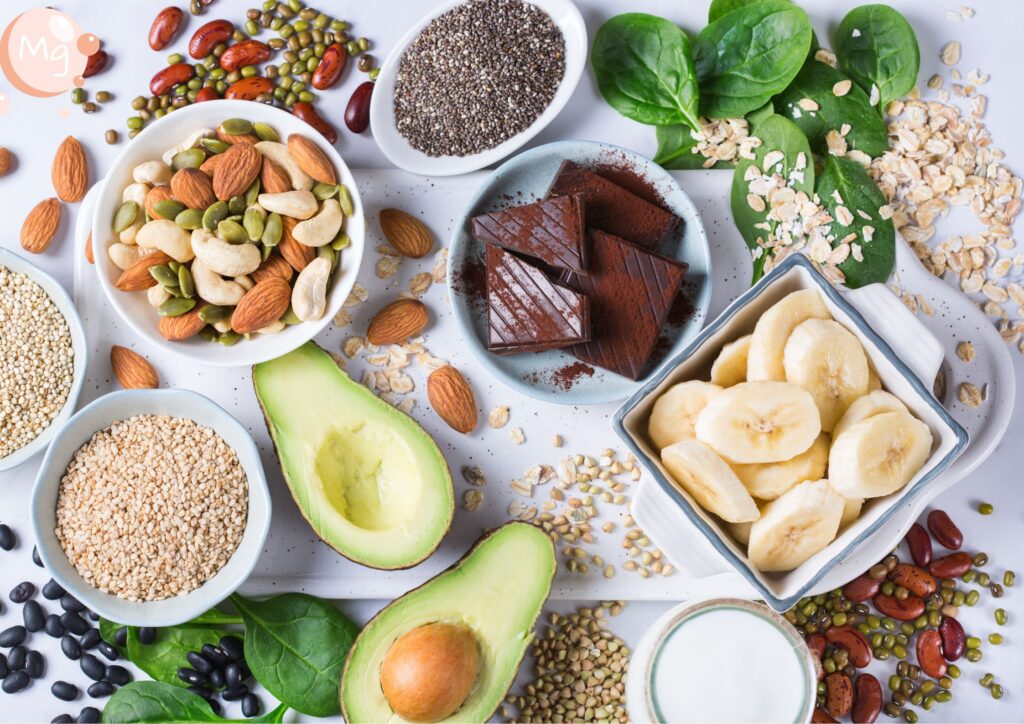
Magnesium is abundant in natural foods, especially plant-based ones. Think of it as the mineral of life; literally, because it’s the central atom in chlorophyll, the green pigment in plants that captures sunlight.
Leafy greens like spinach, kale, and Swiss chard are rich in magnesium. So are nuts and seeds, such as almonds, pumpkin seeds, cashews, sesame seeds, along with legumes like black beans and lentils. Whole grains such as quinoa, oats, and brown rice also provide a steady stream of magnesium.
Avocados, bananas, and dark chocolate are not only delicious but also rich in magnesium. I have a fantastic recipe for avocado chocolate mousse on my blog; it’s bursting with magnesium, good fats, and super yummy!
Interestingly, even water can be a source of magnesium. Mineral-rich spring water provides small but consistent doses that contribute to overall intake. Unfortunately, modern water filtration systems and processed foods strip much of it away.
Magnesium Supplements: When Diet Isn’t Enough
Even with the best diet, it’s challenging to meet magnesium needs consistently, especially for those dealing with stress, chronic illness, or high sugar intake. In such cases, supplementation becomes not a luxury, but a necessity.
Testing! It will show you clearly what the body needs. A blood test is necessary to accurately determine if your levels are low (hypomagnesemia) or, rarely, too high (hypermagnesemia)
Timing also matters. Magnesium is best taken with food to enhance absorption and minimize stomach upset. Evening doses of glycinate, bisglycinate, or L-threonate can support restful sleep, while citrate and malate are best taken earlier in the day for energy and digestion. Find out more in the magnesium supplements guide.
The “Dead Sentences” of Modern Nutrition
A nutritionist friend once called ultra-processed food “dead food”, food stripped of its minerals, its living essence. This is where magnesium’s story becomes tragic. Refined sugars, white flour, and processed oils rob us not only of nutrients but of the body’s natural rhythm.
Every spoonful of refined sugar depletes magnesium during metabolism. Each sweet drink, each processed meal, each burst of energy from caffeine further depletes this vital mineral. Our bodies, running on empty, start to “speak” through symptoms: anxiety, fatigue, sleeplessness, irritability. These are the “dead sentences” our cells whisper when they lack magnesium – sentences written in the language of imbalance.
FAQs
What does magnesium do in the body?
Magnesium supports over 300 enzymatic reactions in the body, including energy production, muscle contraction, nerve signaling, blood sugar regulation, and bone formation. It also helps maintain a steady heart rhythm and supports the nervous system.
Why does sugar deplete magnesium?
Sugar metabolism requires magnesium-dependent enzymes. When you consume high amounts of sugar, magnesium is pulled from storage to help process glucose and regulate insulin. Over time, this increased demand can lead to magnesium depletion, especially in people with high sugar or refined carbohydrate intake.
What are the signs of low magnesium levels?
Common signs of magnesium deficiency include muscle cramps, fatigue, anxiety, poor sleep, headaches, irregular heartbeat, and increased stress sensitivity. Symptoms often appear gradually and may worsen over time.
Can magnesium help with sleep and anxiety?
Yes. Magnesium helps regulate neurotransmitters such as GABA, which calm the nervous system. Forms like magnesium glycinate and magnesium L-threonate are particularly effective for improving sleep quality and reducing anxiety.
Is it better to get magnesium from food or supplements?
Magnesium should ideally come from a combination of food and supplements. Whole foods provide magnesium alongside other supportive nutrients, while supplements help fill gaps caused by stress, high sugar intake, or poor absorption.
When is the best time to take magnesium?
Magnesium is best taken with food. For relaxation and sleep support, evening supplementation is often recommended. For digestive or energy support, earlier in the day may be more suitable.
In Summary: Listening to the Body’s Whisper
Magnesium is a foundational element of human health. It bridges mind and body, energy and calm, tension and release. In a world where stress, processed foods, and sugar dominate, magnesium is depleted every day, yet it can be easily replenished through conscious nutrition and mindful living.
If you find yourself tired, wired, or overwhelmed, start by nourishing your cells with magnesium. It’s the mineral of peace, and in today’s fast‑paced world, peace might just be the most powerful supplement of all.
Thank you for reading, and I hope you found this guide helpful.
Your Dani x x
This content is for educational purposes only and does not replace individualized medical advice. Always consult a healthcare professional before starting new supplements, especially if you have a medical condition or take medication.



About the Author: Dani
Integrative nutritionist | BSc (Hons) Human Nutrition | Metabolic and gut Health
Hi! I’m Dani, BSc (Hons) Human Nutrition with a strong interest in lifestyle medicine, gut health, metabolic health, UPF-free, whole-food, and gluten-free cooking. Your visit means the world to me!
I share simple recipes, nutrition tips, lifestyle experiences, and insights into living with food intolerances.