

Sugar: The Sweet-Bitter Love Affair

Not all sugars are created equal — and your metabolism knows the difference. In this article, I will explain what sugar is, refined sugar vs natural sugar and how it affects our bodies, and why we must be conscious of our everyday choices.
For our ancestors, sweetness came from sun-ripened fruit, wild honey found by chance, or cooked roots. There were no sugar bowls, daily desserts, or hidden sugars. Sweetness was precious, seasonal, and valued.
In medieval Europe, sigar was sold in apothecaries alongside medicines and spices, not in grocery shops. It was prescribed as a tonic, gifted as a symbol of luxury, and locked away like treasure. Sugar was so rare and expensive that only royalty, aristocrats, and the ultra-wealthy could afford it. Ordinary families might taste sugar once or twice in a lifetime—often at weddings or religious celebrations.
Everything changed with the industrialisation of sugar production. As sugar plantations spread across the Caribbean and the Americas, and refining technology advanced, this once-rare luxury became cheap, abundant, and omnipresent. By the 19th century, sugar had moved from apothecary jars into everyday kitchens. For the first time in human history, sweetness became daily rather than seasonal.

This shift brought one of the earliest signs of dietary change: tooth decay. Archaeological evidence shows that cavities were rare in pre-industrial populations, but with the widespread availability of refined sugar, their prevalence soared—often within just one generation. Teeth became silent witnesses to the metabolic changes sugar caused in the body.
Today, sugar is no longer a rare indulgence—it is a constant background ingredient. It appears not only in desserts, but in bread, sauces, yoghurt, dressings, and even foods we perceive as “healthy.” What was once an occasional pleasure has become a daily metabolic burden for many.

Sugar in Our Everyday Lives: From Celebration to Constant Reward
Today, sugar is no longer reserved solely for special occasions. It is woven into the fabric of our daily routines — from the morning cereal or sweetened coffee to the biscuit with afternoon tea and dessert after dinner. Of course, it still holds a cherished place in our celebrations: wedding cakes, birthday candles, festive desserts.
But beyond tradition, sugar is quietly deeply connected to reward and emotional reinforcement. Many of us grew up associating sweets with being “good” — a treat for finishing homework, a reward for tidying our room, comfort after a difficult day.
Understanding the difference between refined sugar vs natural sugar is crucial for making informed dietary choices, especially in a world where sugar is a constant presence in our diets.
Over time, this conditioning links sweetness not only to pleasure, but to achievement, comfort, and emotional relief. As adults, these associations often persist subconsciously, shaping our food choices long after childhood. This emotional attachment helps explain why reducing sugar is not just a nutritional challenge but also a behavioural and psychological one.

Sugar, Emotional Eating, and Addictive Patterns*
For some people, the relationship with sugar goes far beyond taste or habit and enters the territory of emotional eating and disordered patterns of reward-seeking. Sugar stimulates the brain’s dopamine system — the same neurotransmitter involved in pleasure, motivation, and reinforcement. This makes sweet foods especially powerful in times of stress, sadness, fatigue, or emotional overload.
Over time, repeated reliance on sugar for comfort can create a cycle of temporary relief followed by craving and guilt, reinforcing both emotional eating and loss of control around sweet foods. While sugar is not classified as an addictive substance in the clinical sense, growing research suggests it can produce addictive-like behavioural responses in susceptible individuals, particularly when combined with ultra-processed foods.
This is why addressing sugar intake often requires not only nutritional strategies, but also emotional awareness and behavioural support.
*This section is intended to educate and raise awareness, not to diagnose or label. If food, sugar, or eating feels emotionally overwhelming or out of control, professional support from a GP, dietitian, or mental-health specialist can be an essential and compassionate step toward healing.
How Sugar Is Metabolised in the Human Body
While much of our relationship with sugar is shaped by memory, emotion, and habit, the body responds to it in exact biological and hormonal ways. Every spoonful of sugar we eat triggers a cascade of chemical signals involving blood glucose, insulin, liver metabolism, and energy storage.
These internal processes operate quietly beneath our conscious awareness, yet they strongly influence hunger, cravings, mood, and long-term health. To truly understand why different sugars affect us so differently, we must look at how the body actually metabolises them.
Refined Sugar: Fast Energy, Fast Spikes
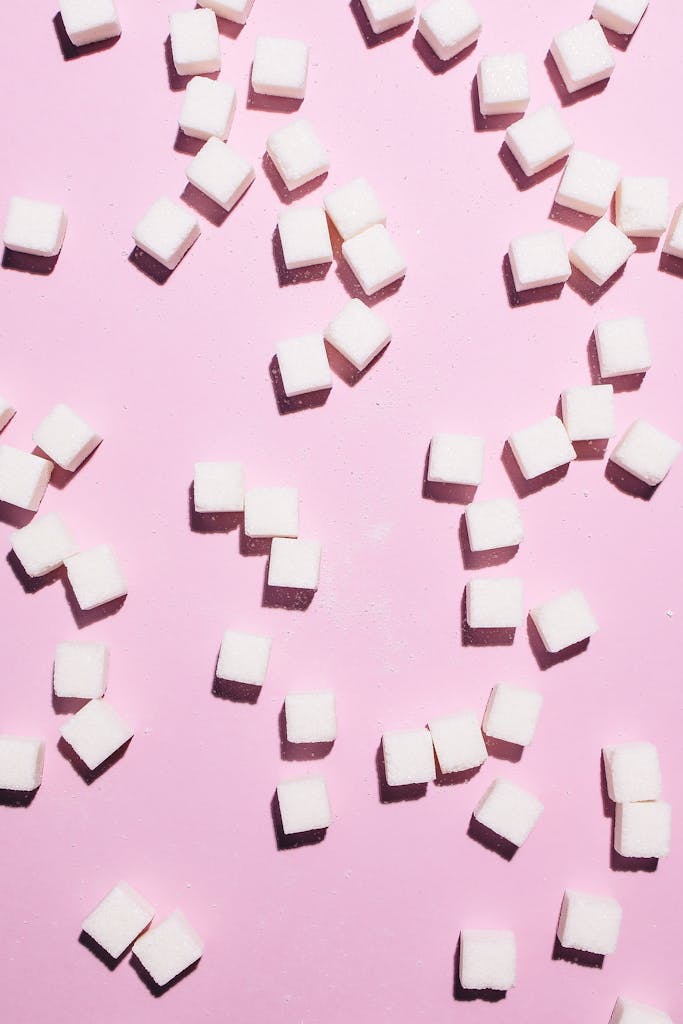
Refined sugar (such as white and brown sugar) is made of two simple sugars: glucose and fructose. Because it is stripped of fibre and structure, it is digested very quickly. This causes a rapid rise in blood sugar, followed by a strong insulin release.
Glucose raises blood sugar and is used immediately for energy.
Fructose does not raise blood sugar levels directly; it is processed almost entirely by the liver.
When large amounts of refined sugar are eaten regularly:
The liver can convert excess fructose into fat.
Insulin levels rise frequently.
Over time, the body may become less sensitive to insulin, making blood sugar more challenging to control.
Energy levels often fluctuate, leading to crashes, hunger, and renewed cravings.
This is why refined sugar tends to promote both fat storage and unstable energy.
Fruit Sugar: The Same Sugar, a Very Different Response
Fruit also contains glucose and fructose — but it comes packaged with fibre, water, vitamins, minerals, and protective plant compounds. This natural structure dramatically changes how the body handles the sugar.
The presence of fiber slows down digestion; consequently, it slows the release of sugar into the bloodstream.
Slows the release of sugar into the bloodstream, which doesn’t cause high glucose spikes.
Because of this, sugar from whole fruit is absorbed more slowly, leading to a gentler insulin response. It is far less likely to overload the liver.
This explains why fruit behaves very differently in the body compared with drinking fruit juice or eating refined sugar — even if the total sugar content appears similar.

Complex Carbohydrates: Slow, Steady Fuel
Complex carbohydrates, such as those found in vegetables, legumes, whole grains, and pulses, are built from long chains of glucose. Because of this structure, the body must break them down more gradually before the sugar can enter the bloodstream. This results in a slower, steadier release of energy compared with refined sugars.
When eaten in their whole-food form, complex carbohydrates are typically accompanied by fibre and other nutrients that help support balanced blood sugar levels and prolonged satiety. If you’d like to explore carbohydrates in more depth — including fibre, resistant starch, and their role in gut health — I’ll cover this in a dedicated article soon.
Did You Know? Sugar and Magnesium Have a Hidden Connection
High intakes of refined and added sugars may quietly drain the body’s magnesium reserves over time. When blood sugar rises sharply, the kidneys can excrete more magnesium in the urine, increasing the risk of gradual depletion. At the same time, refined sugary foods provide virtually no magnesium, unlike whole plant foods.
Because magnesium is essential for glucose control, insulin sensitivity, muscle function, and nerve health, a diet high in sugar and low in mineral-rich foods may place extra metabolic strain on the body. In this way, excess sugar does not just add “empty calories” — it may also undermine one of the key minerals needed for balanced metabolism.
Although sugarcane as a whole plant naturally contains magnesium and other minerals, these are almost entirely removed during the refining process. What remains is purified sugar without the nutrients that once accompanied it — leaving the body to rely solely on its own magnesium intake from the rest of the diet.
When Food Isn’t Quite Enough for Magnesium
Lowering refined sugar may help protect magnesium balance, but intake can still vary widely depending on your whole-food choices — and even the nutrient density of the soil those foods were grown in. Modern agricultural practices can leave vegetables naturally lower in minerals than they once were, which means some women may struggle to meet their needs through food alone.
Magnesium intake can also become challenging when watching calorie intake, managing midlife appetite changes, or relying on smaller evening meals. Prioritising leafy greens, nuts, seeds, cocoa, buckwheat, and naturally magnesium-rich recipes (such as my sesame-based dishes and chocolate treats) is a great first step.
For women who still experience muscle tension, restless sleep, or difficulty winding down, some choose to add gentle supplemental support. I personally use Oh!Mg | Relax Dream Repair | Evening Magnesium by NMN Bio (affiliate link), as it combines several well-absorbed forms and avoids the additives that often trigger sensitivities in midlife.
Pair Sweet Treats With Magnesium-Rich Foods – Simple Everyday Examples
- Dark chocolate + almonds or pumpkin seeds
Enjoy a few squares of dark chocolate alongside a small handful of almonds or pumpkin seeds to naturally balance sugar with magnesium. - Birthday cake + yoghurt with seeds
After a slice of cake, pair it with plain yoghurt topped with chia or sunflower seeds to add minerals, protein, and satiety. - Sweetened coffee + a handful of nuts
If you take sugar in your coffee, add a small side of cashews, Brazil nuts, or mixed nuts to support mineral intake. - Fruit dessert + spinach or rocket salad
If dessert is fruit-based, balance it with a small green salad dressed with olive oil and seeds — leafy greens are excellent sources of magnesium. - Date-based sweets + tahini or nut butter
Pair raw date treats or energy balls with a bit of tahini or almond butter for added magnesium and slower sugar absorption. - Sweet breakfast (overnight oats, pancakes) + seeds
Always add ground flaxseed, chia seeds, or pumpkin seeds to sweet breakfasts to boost mineral density and balance blood sugar.

There Are The Most Popular Sugars:
White Sugar
In fact, white sugar, or granulated sugar, is a staple in kitchens worldwide. While granulated sugar undergoes refining, it results in a product with a high glycemic index, leading to rapid spikes in blood sugar.
White sugar has a Glycemic Index (GI) of 65, making it a high-GI food. Regular consumption of white sugar can increase the risk of insulin resistance, weight gain, and tooth decay.
For those with diabetes or anyone watching their sugar intake, white sugar isn’t the best choice. Despite not having white sugar at home, I still use refined golden cane sugar for my Kombucha.
Brown Sugar
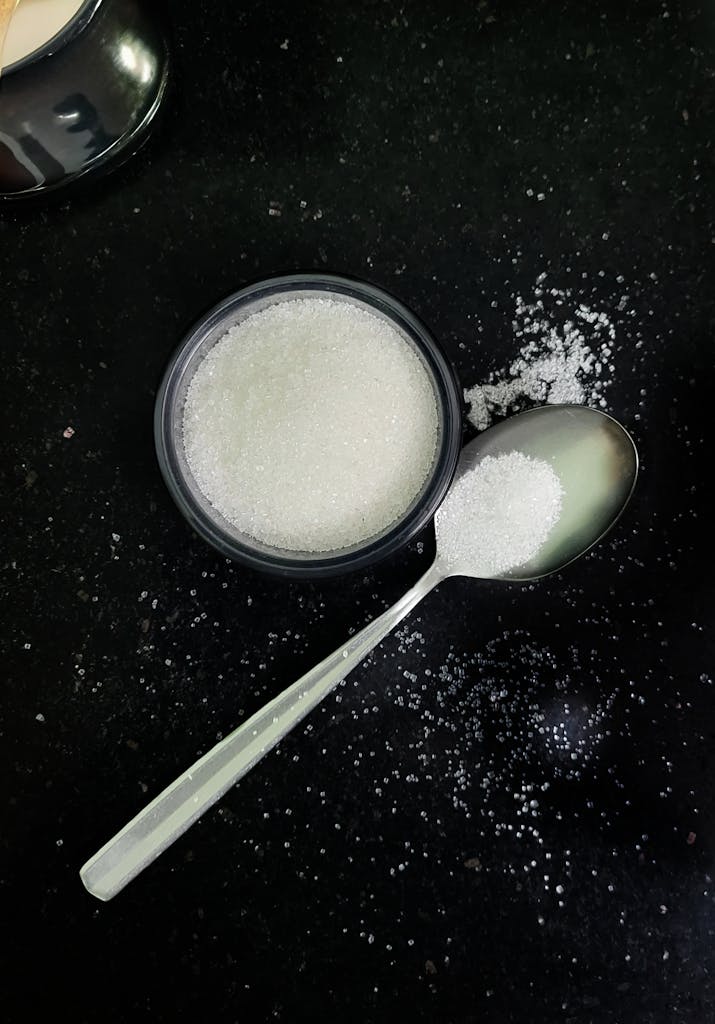
Brown sugar has a distinct flavour and colour thanks to the molasses it retains. Unlike white sugar, brown sugar undergoes less processing, preserving some minerals such as calcium, potassium, and iron. However, it’s important to note that the nutritional difference between white and brown sugar is minimal.
Brown sugar’s GI is slightly lower than that of white sugar, ranging from 60 to 65. The molasses content adds moisture, which is why brown sugar is often preferred in baking. However, it still significantly impacts blood sugar, so moderation is key.

Coconut Sugar
Coconut sugar is a natural sweetener derived from the sap of coconut palm trees. Unlike refined white or brown sugar, coconut sugar contains small amounts of nutrients like iron, zinc, calcium, and potassium.
Coconut sugar has a low GI of 35-50, making it a popular choice among those seeking a healthier alternative. This slower release of glucose into the bloodstream makes coconut sugar a low-GI option. However, while coconut sugar has a lower glycemic impact, it’s still a source of fructose, so it’s best enjoyed in moderation.
Is Coconut Sugar Healthier?
In short, yes and no. Coconut sugar is less processed and has a lower GI, which can be gentler on blood sugar levels. However, it still contains calories and sugar, so it’s not a “free pass” for those watching their intake. In some of my recipes on my blog where the natural sugars substitutions are not suitable, I use coconut sugar.
Natural Healthier Sugar Guide Substitutes:
Nature provides many delicious, unrefined sweeteners that add nutrients and sweetness. Here are some of the best options:
Honey
Honey is rich in antioxidants, vitamins, and minerals. Its GI ranges from 45 to 64, depending on the type and origin. Raw honey also contains beneficial enzymes and has antibacterial properties, making it a nutritious choice for sweetening tea, yoghurt, and more.

Dates
Dates are whole fruits, naturally high in fibre and essential nutrients. They’re an excellent natural sweetener with a GI of 42, which is much lower than that of processed sugars. Date paste or date syrup can replace sugar in baking, adding moisture and sweetness while providing fibre.

Molasses
Molasses, a byproduct of sugar production, is nutrient-dense. It’s packed with calcium, iron, magnesium, and potassium, and has a GI of about 55. Its intense flavour makes it ideal for marinades, sauces, and specific baking recipes. Use in moderation.
Maple Syrup
Maple syrup is a popular alternative to refined sugar, with a GI of 54. It contains antioxidants and minerals, such as zinc and manganese. Look for 100% pure maple syrup, as imitation syrups often contain high-fructose corn syrup.

Prunes
Prunes are a fantastic natural sweetener with a low GI – 29, making them ideal for those watching blood sugar levels. Rich in fibre, vitamins, and antioxidants, prunes support digestive health, bone strength, and heart health. Prunes also contain sorbitol, a natural sugar alcohol, which helps keep digestion regular. I often use prunes in my recipes, and I’ll share all of them with you.

Glycemic Index Table of Common Sugars and Natural Sweeteners
| Sweetener | Glycemic Index (GI) | Nutritional Highlights |
|---|---|---|
| White Sugar | 65 | None; pure sucrose |
| Brown Sugar | 60–65 | Minimal minerals from molasses |
| Coconut Sugar | 35-50 | Contains iron, zinc, calcium, potassium |
| Honey | 45–64 | Antioxidants, vitamins, minerals |
| Dates | 42 | Contains iron, zinc, calcium, and potassium |
| Molasses | 55 | Calcium, iron, magnesium, potassium |
| Maple Syrup | 54 | Zinc, manganese, antioxidants |
Simple Steps to Reduce Sugar Intake
- Ease off gradually – If you add sugar to tea, coffee, or porridge, slowly reduce the amount over days or weeks until you no longer need it. This helps retrain the palate.
- Swap sugary drinks for water or unsweetened alternatives – Replace sodas, sweetened juices, and flavoured milks with plain water (or sparkling water), herbal teas, or unsweetened drinks.
- Choose plain or natural foods over flavoured versions – flavoured yogurts, breakfast cereals, or snack bars often contain a lot of added sugar. Opt instead for plain wholegrain cereals or natural yogurt, and add fresh fruit or nuts for flavor.
- Use whole-food sweetness instead of added sugar – Lean on the natural sweetness of fruit, or use dates/nut pastes in baking instead of refined sugar. This adds nutrients, fiber, and sweetness.
- Spice and flavor. Use vanilla, cinnamon, ginger, or citrus zest to add pleasant flavor to foods and drinks without relying on sugar.
- Watch for hidden sugars on labels – Get into the habit of reading ingredient lists: sugar can appear under many names (e.g., sucrose, syrup, dextrose). If sugar (or any “-ose”) appears high on the list, the product likely contains a lot of added sugar.
- Plan and prepare meals & snacks ahead – Having healthy snacks ready (nuts, seeds, unsweetened yogurt, fruit) helps avoid impulsive sugary snacks when hunger or cravings strike.
- Treat treats as occasional, not everyday – Enjoy cakes, sweets, or desserts as true occasional treats rather than daily staples. Limiting how often you indulge helps retrain your taste and reduce your overall sugar load.
In Conclusion
Understanding the differences between sugars and knowing about healthier natural alternatives empowers us to make better choices. Exploring unprocessed, fibre-rich sweeteners can be a tasty way to reduce reliance on refined sugar and improve overall health.
For anyone looking to make dietary changes, a gradual shift toward natural, nutrient-dense sweeteners can help reduce sugar intake without sacrificing flavor. It’s vital to remember that any sweetener should be used in moderation. Natural sugars may be better than refined ones, but they still contain calories that can add up quickly.
Thank you for reading! Remember – every small step toward mindful sweetness really matters. True sweetness in life doesn’t come from sugar, but from how well we care for our bodies.
YourDani x x
References & Further Reading
- World Health Organization.
Guideline: Sugars intake for adults and children. WHO, Geneva. - NHS.
How does sugar in our diet affect our health? NHS Live Well, UK. - British Nutrition Foundation.
What are sugars? BNF Nutrition Science. - Harvard T.H. Chan School of Public Health.
The Nutrition Source – Added Sugar and Health. - Stanhope, K. L. (2016).
Sugar consumption, metabolic disease and obesity. Journal of the American College of Nutrition. - DiNicolantonio, J. J., O’Keefe, J. H., & Wilson, W. (2018).
Subclinical magnesium deficiency: a principal driver of cardiovascular disease and a public-health crisis. Open Heart, BMJ. - Barbagallo, M., & Dominguez, L. J. (2015).
Magnesium and type 2 diabetes. World Journal of Diabetes. - Schwingshackl, L., et al. (2017).
Dietary sugars and glycaemic control. British Medical Journal (BMJ). - Lustig, R. H. (2013).
Fructose: It’s “alcohol without the buzz”. Advances in Nutrition. - Johnson, R. J., et al. (2009).
Potential role of sugar (fructose) in the epidemic of hypertension, obesity and metabolic syndrome. American Journal of Clinical Nutrition. - Gearhardt, A. N., et al. (2011).
Neural correlates of food addiction. Archives of General Psychiatry. - Slavin, J. L. (2005).
Dietary fiber and body weight. Nutrition.
Fancy a Freebie?
Subscribe for my newsletter
and get your FREE eBook with 7 delicious gluten-free desserts!
*We will only send you gluten-free, lactose-free, refined sugar-free emails; you can unsubscribe anytime. Read our Privacy & Cookie Policy.




Thank you for stopping by! I’m Dani!
nutrition student | Healthy Live Promoter | Gluten-free recipe developer
Welcome to DeGlutenista Nutrition!
Your visit really means the world to me. I’m happy to share simple, nourishing gluten-free recipes and practical food tips focused on gut health and clean eating, all with an emphasis on reducing ultra-processed ingredients.
My approach is simple: practising mindful eating, regardless of food sensitivities, can be both tasty and healthy.