
Glycaemic Index and Glycaemic Load – Why They Are Important for Your Health

If you’ve ever eaten a sweet snack and felt great… until the energy crash hit you an hour later, you’ve experienced the effect of blood sugar imbalance. The Glycaemic Index (GI) and Glycaemic Load (GL) are two simple but powerful tools that can help you understand how foods affect your body.
My Personal Connection with Sugar
During my childhood, I spent much time at my grandparents’ house. I remember my grandfather, grandpa Liuben, picking the most delicious, ripe grapes at their village home and giving them to me.
Whenever I wanted to share them with him, he always said, “You need to eat it; you need to grow and become stronger.”
Later, I discovered that my grandpa had type 1 diabetes, and he cannot eat grapes due to their sugar content. How sad!
Back then, managing diabetes wasn’t easy. Fifty years ago, insulin therapy was far less advanced, and glucose monitoring didn’t exist like it does today. People relied on urine tests and strict, rigid diets to avoid high blood sugar.
There was no carb counting, no continuous glucose monitors, and very little flexibility. Many fruits — especially those with a higher sugar content like grapes, watermelons or peaches — were completely off-limits out of fear of complications.
In recent years, knowledge of medicine and nutrition has advanced significantly. This gives patients with diabetes many more options. They can take advantage of food and its health benefits — with personalised care, modern insulin types, and a more flexible approach to eating, especially when combined with fibre, protein, and active lifestyle habits.
What Is a Glucose Spike — and Why Should We Care?
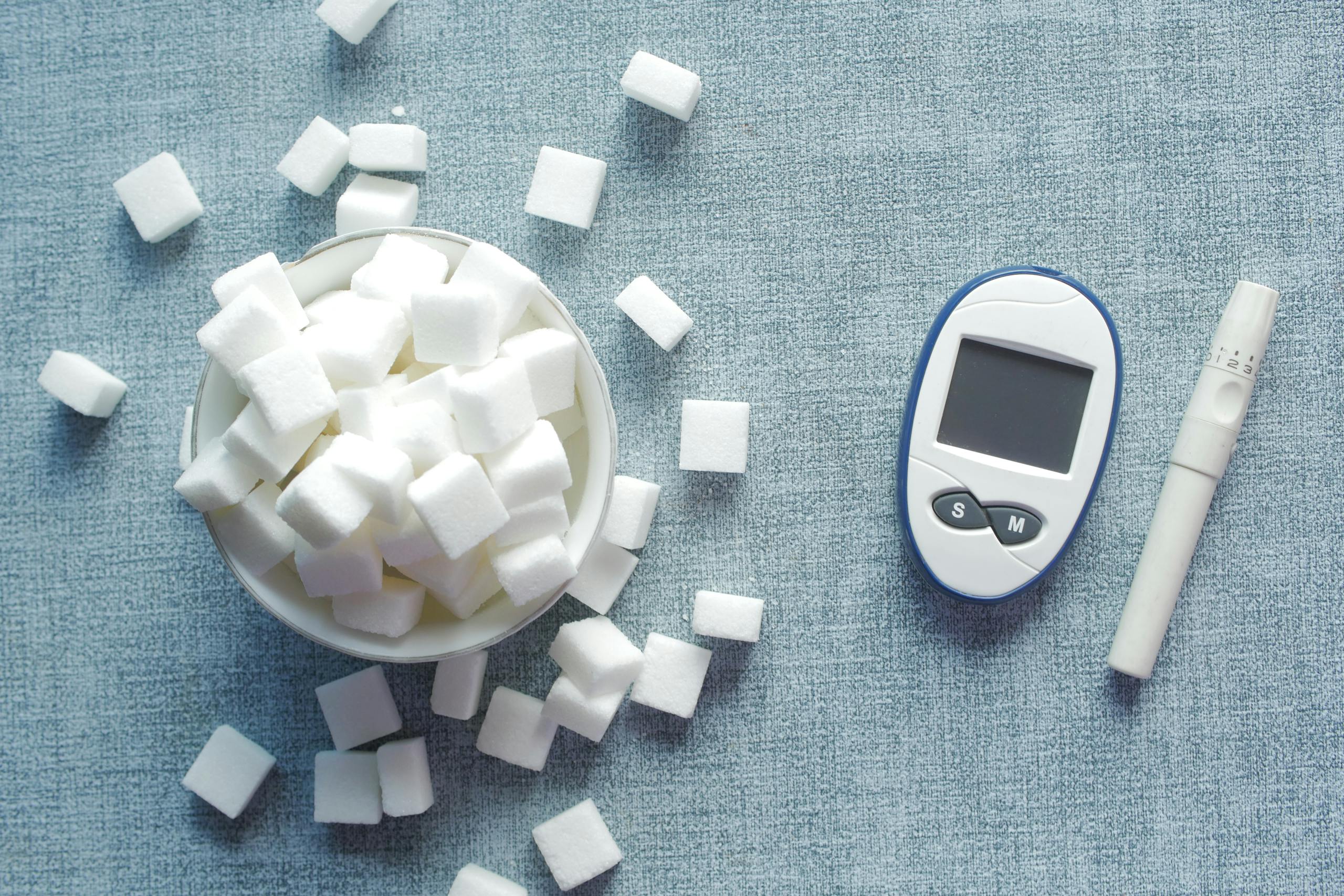
You might already wonder why we should care about that? A glucose spike happens when your blood sugar rises quickly after eating, usually from meals high in fast-digesting carbs or sugar. While it’s normal for blood glucose to rise after eating, big spikes followed by crashes can leave you feeling tired, moody, and craving more sugar.
Over time, frequent spikes may also affect hormone balance, gut health, and weight.
Even if you don’t have diabetes, steady blood sugar supports better energy, mental clarity, mood, and long-term metabolic health.
That’s why I design most of my recipes with Dietary FIber, adequate protein, healthy fats, and complex carbs — for that steady, feel-good energy your body loves.
The type of fat paired with carbohydrates influences gastric emptying and post-meal glucose response. You can read more about how various fats function metabolically in my detailed article on healthy fats.
What Is the Glycaemic Index (GI)?
The Glycaemic Index (GI), along with considering Glycaemic Load (GL), is a scale from 0 to 100 that measures how quickly a carbohydrate-containing food raises blood sugar after consumption compared to pure glucose (which scores 100).
Carbohydrates in food affect blood sugar levels, but the impact varies depending on factors such as food type, portion size, and physical activity.
Higher-GI foods cause greater blood sugar increases, while lower-GI foods have a milder effect. However, the GI alone doesn’t provide a complete picture; meal portions and food combinations also influence blood sugar and satiety.
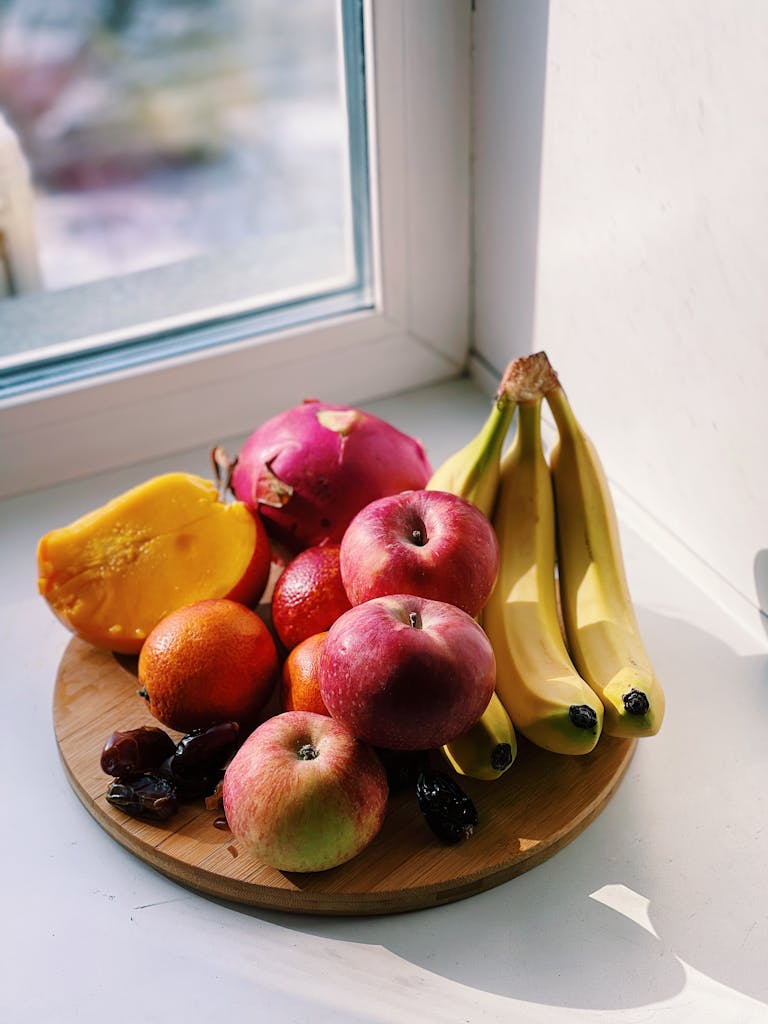
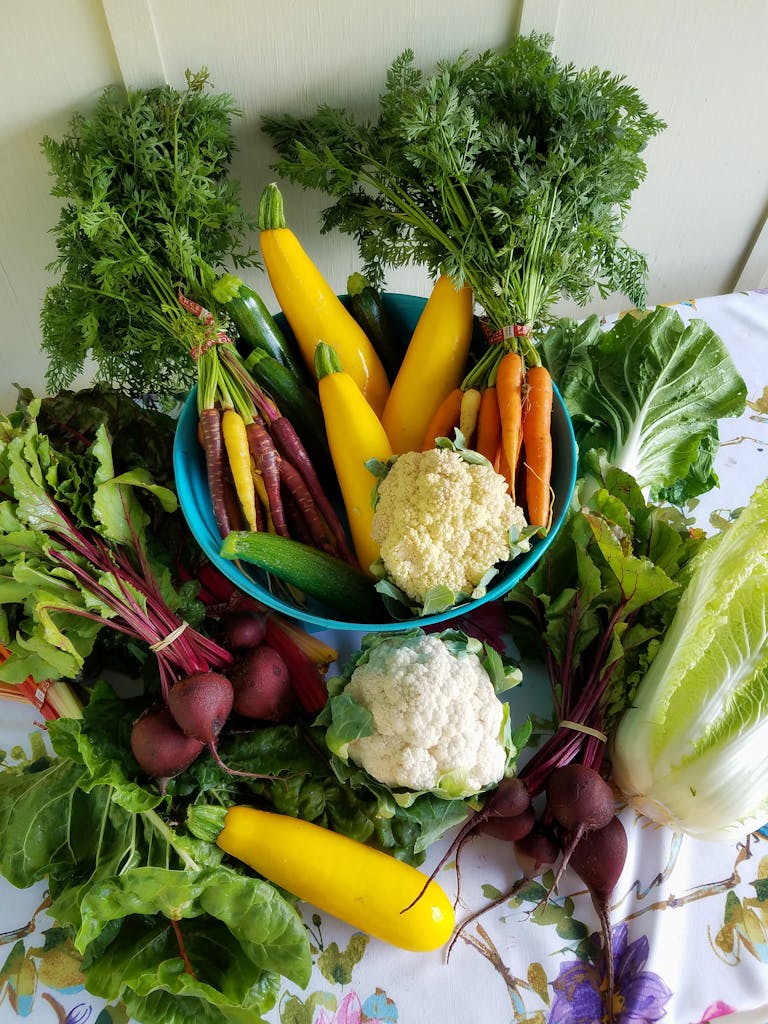
High-GI foods (70 or more) cause a rapid spike—think white bread, corn flakes, or sugary drinks.
Medium GI foods (56–69) have a moderate effect.
Low-GI foods (55 or less) raise blood sugar more slowly.
Glycaemic Index Food Guide
| 🌿 Low GI (≤ 55) | 🍊 Moderate GI (56–69) | 🔥 High GI (≥ 70) |
|---|---|---|
| Rolled oats | Pineapple | White bread |
| Apples | Brown rice | White rice (short grain) |
| Pears | Couscous | Rice cakes |
| Lentils | Sweet potatoes | Cornflakes |
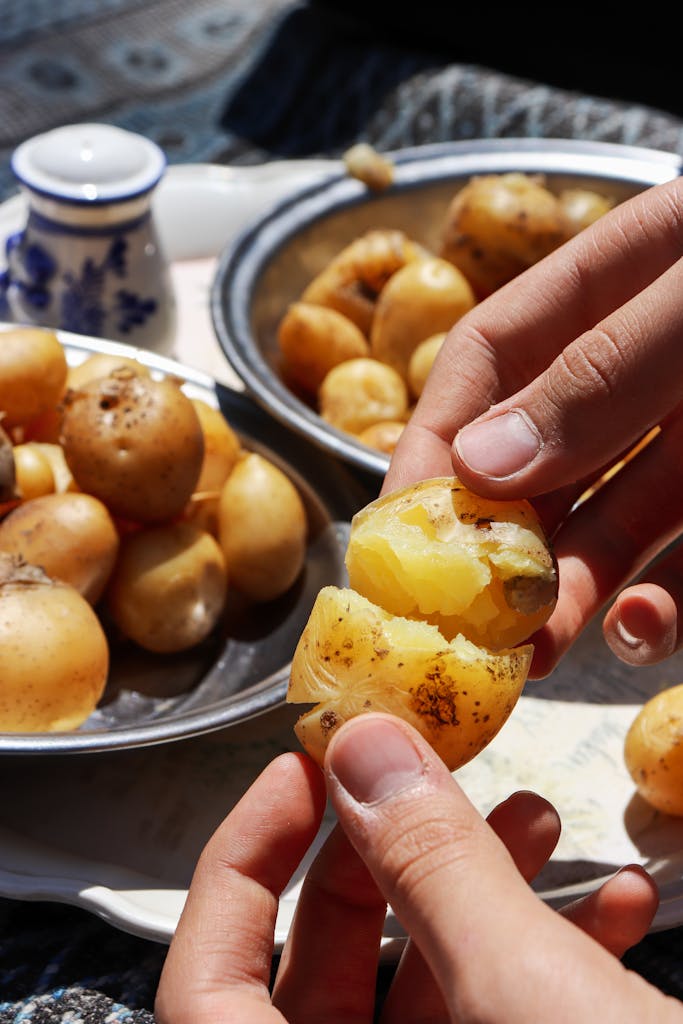
| Chickpeas | New potatoes | Instant mashed potatoes |
| Hummus | Honey | Watermelon |
| Berries | Banana (ripe) | Glucose (100) |
| Carrots | Beetroot | White baguette |
| Quinoa | Raisins | Pretzels |
| Lactose-free milk | Mango | Soda (cola) |
| Greek yoghurt | Ice cream | Cakes (refined flour/sugar) |
| Wholegrain pasta (al dente) | Wholemeal bread | Puffed cereals |
Note: Cooking methods, ripeness, and food processing can influence GI. For example, al dente pasta has a lower GI than overcooked pasta. A ripe banana has a higher GI than a green one.
What Is the Glycaemic Load (GL)?
GL goes a step further. It combines the quality (GI) with the quantity (how much carbohydrate is in a typical serving), offering insights into the glycaemic index and glycaemic load for a real portion of food affecting your body.
Low GL (≤10): Excellent for energy, gut health, and blood sugar balance. The recipe or meal usually has fibre, healthy fats, and slow-release carbs, making it a gut-friendly option that supports stable energy.
– Nuts, seeds, coconut flour
– Oats, buckwheat, quinoa in small amounts
– Fruits like berries, apples
– Natural sweeteners like date paste, maple syrup in small quantities
– High-fibre bakes
Moderate GL (11–19): It’s still fine, especially if balanced with fibre and fat. It contains natural sugars and moderate carbohydrates, making it suitable for most balanced diets.
– Banana-based bakes
– Muffins with small amounts of honey, raisins, or gluten-free flours
– Chickpea or lentil-based recipes
– Some oat-based breakfasts
High GL (20+): Can cause spikes, so best enjoyed occasionally or with blood sugar-balancing ingredients.
– Large portions of rice, potatoes
– Refined GF flours (tapioca, rice flour) without fibre balance
– Syrupy desserts
– Dried fruits in bulk
The exact formula for calculating GL is GL = (100GI×carbohydrate grams per portion)/100
However, I strongly recommend not to! It’s enough to compose a balanced meal or a combination of foods on your plate.
Once Again, Why are GI and GL Important?
Studies have associated diets with a high glycemic index (GI), typically found in highly processed foods, and a high glycemic load, often resulting from larger portions, with an increased risk of developing diabetes, heart disease, and certain cancers.
Evidence suggests that consuming low-GI foods, such as whole and less-processed options, helps regulate blood sugar and insulin levels, potentially reducing the risk of blood vessel and nerve damage. Foods with a lower GI digest more slowly, which may help control hunger and support weight management.
While high-GI foods are not inherently “bad,” they should be consumed in moderation. Simplifying the glycemic index involves choosing more whole foods and consuming highly processed foods less frequently or in smaller amounts.
Although the GI can guide healthier food choices, the overall amount of carbohydrates consumed is the most critical factor. To balance your meals, aim to fill ¼ of your plate with starches and ½ with fruits and vegetables, focusing on lower-GI options.
Find out more about the Glycemic Index and Glycemic Load in this article.
Why I Use GL Labels on My Recipes
At DeGlutenista Nutrition, we care about more than just calories and carbs. We create gentle recipes for blood sugar, nourishing the gut, and satisfying without crashes. That’s why you’ll see GL badges like:
- 🌿 Low GL ≤10 – For slow-releasing, fibre-rich, blood sugar-friendly recipes
- 🍊 Moderate GL =11-19 – For naturally sweet treats and balanced bakes
- 🔥 High GL ≥20 – For the occasional indulgence, best enjoyed mindfully
I use natural sweeteners like date paste or maple syrup, combine them with healthy fats, whole grains, and plant-based fibres, often contemplating glycaemic index alongside glycaemic load, and include gut-loving extras like flaxseeds, oats, or almonds.
The result? You get recipes that taste indulgent but support your energy, hormones, mood, and digestion.
Don’t Worry!
You don’t need to count every gram or chase perfection. However, understanding the Glycemic Index and Glycemic Load can help you feel more in tune with your body and make food choices that feel as good as they taste.
Fancy a Freebie?
Subscribe for my newsletter
and get your FREE eBook with 7 delicious gluten-free desserts!
*We will only send you gluten-free, lactose-free, refined sugar-free emails; you can unsubscribe anytime. Read our Privacy & Cookie Policy.



Thank you for stopping by! I’m Dani!
nutrition student | Healthy Live Promoter | Gluten-free recipe developer
Welcome to DeGlutenista Nutrition!
Your visit really means the world to me. I’m happy to share simple, nourishing gluten-free recipes and practical food tips focused on gut health and clean eating, all with an emphasis on reducing ultra-processed ingredients.
My approach is simple: practising mindful eating, regardless of food sensitivities, can be both tasty and healthy.