


Cocoa: More Than Just Chocolate

This post may contain affiliate links. If you make a purchase through these links, I may earn a small commission at no extra cost to you. I only recommend products I personally use and trust. Thank you for your support!
Ah, chocolate!! All we need is chocolate – and love, of course! Or was it the other way around? Either way, cocoa health benefits might surprise you, because this humble brown powder, cocoa powder, brings far more to the table than sweetness alone.
Ok, stay with me, and I’ll take you on a long (and sweet, I promise!) journey.
For most of us, it lives in the same mental drawer as “treats,” “cheat days,” and that slightly guilty square of chocolate we pretend we’re eating for the antioxidants. We’re told it’s indulgent, naughty, or something to be “allowed” in moderation – usually with a raised eyebrow.
Well, there is nothing wrong with it. I’d advocate for cocoa and the chocolate bars, but for the dark ones. Yes, that’s right! The higher the percentage, the healthier the bar.
But let’s go a bit further. Not by turning cocoa into a miracle food (it isn’t), but by understanding what it actually is, how fermentation transforms it, why researchers are interested in its effects on oxidative stress and cellular ageing, and how we can enjoy it without the guilt, hype, or nonsense.
So if you’ve ever wondered whether cocoa deserves its “superfood” status or if it’s just clever branding in a brown wrapper, let’s start at the beginning.

The History of Cocoa: More Than a Flavour
Cocoa is one of those ingredients we think we know well. It appears in desserts, hot drinks, baking cupboards and childhood memories, often wrapped in ideas of indulgence or guilt. Yet behind its familiar taste lies a far older story, one that spans ancient civilisations, microbial fermentation, complex plant chemistry and, more recently, modern research into cellular ageing and human health.
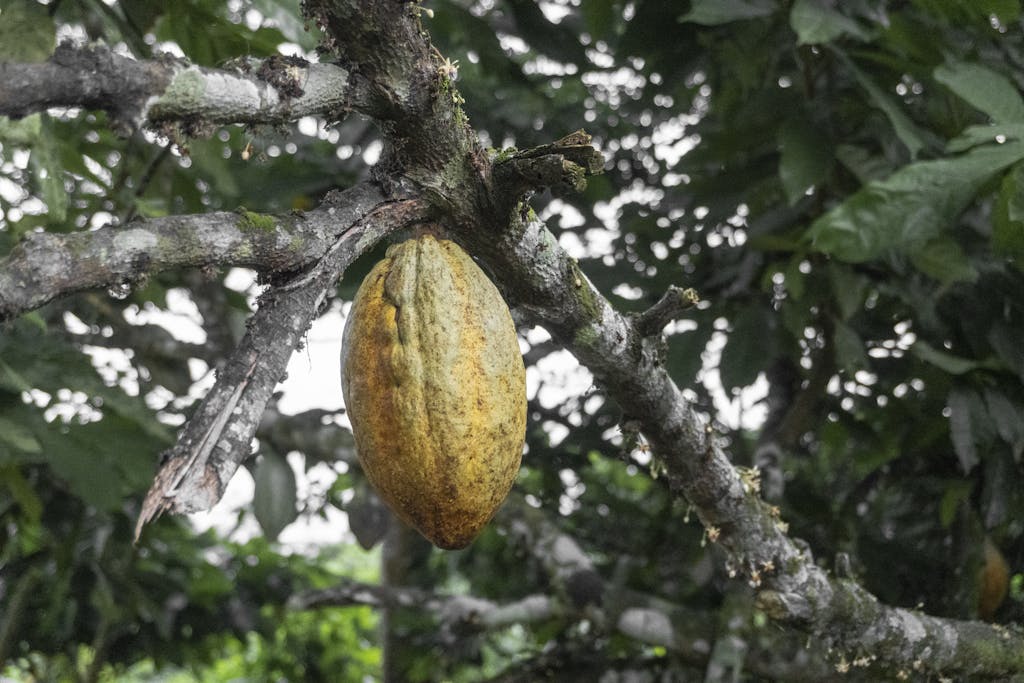
Scientifically, cocoa is derived from the seeds of Theobroma cacao, a tropical tree native to Central and South America. The name itself translates to “food of the gods”, hinting at the reverence cocoa once held. Long before chocolate bars and sweetened cocoa drinks existed, cocoa was consumed as a bitter, fermented beverage, valued not for its sweetness but for its physiological and symbolic effects.
🟤 Did you know…?
Cocoa beans were once so valuable that the Aztecs used them as currency? You could buy food, clothing, even pay taxes, with cocoa beans. Chocolate bars came much later.
Today, cocoa is increasingly discussed not only as a culinary ingredient, but as a source of bioactive compounds, particularly polyphenols and flavanols, with potential implications for cardiovascular health, inflammation, oxidative stress and cellular ageing. Understanding cocoa properly requires stepping back from modern assumptions and tracing its journey from pod to powder, from ritual drink to research subject.
Fermented Cocoa Beans: Why Fermentation Changes Everything
Cocoa begins life as a seed inside a brightly coloured pod, growing directly from the trunk of the cocoa tree. Each pod holds 20 to 60 beans wrapped in a sweet, sticky pulp. At this stage, cocoa is not chocolate, not powder, and definitely not something you’d want to eat straight away. Raw cocoa beans are bitter, astringent and, frankly, unpleasant.
And here’s the part that often gets overlooked: cocoa was never meant to be sweet.
Long before chocolate bars, hot chocolate powders and dessert aisles, cocoa was bitter, fermented, foamy and deeply functional. It wasn’t eaten for comfort or as a treat. It was consumed for strength, focus, ritual and, as it turns out, for compounds modern science is now linking to cellular resilience and ageing pathways, which we will cover later.
The real transformation starts immediately after harvest, with fermentation. Cocoa beans, still coated in their sugary pulp, are piled into boxes or heaps and left for several days. Naturally occurring yeasts and bacteria feed on the sugars, producing heat and triggering a cascade of biochemical changes inside the bean. Cell walls break down, enzymes are activated, and flavour precursors begin to form. Without fermentation, cocoa wouldn’t taste like cocoa at all.

Have You Ever Wondered What The Difference Is Between Cacao and Cocoa??
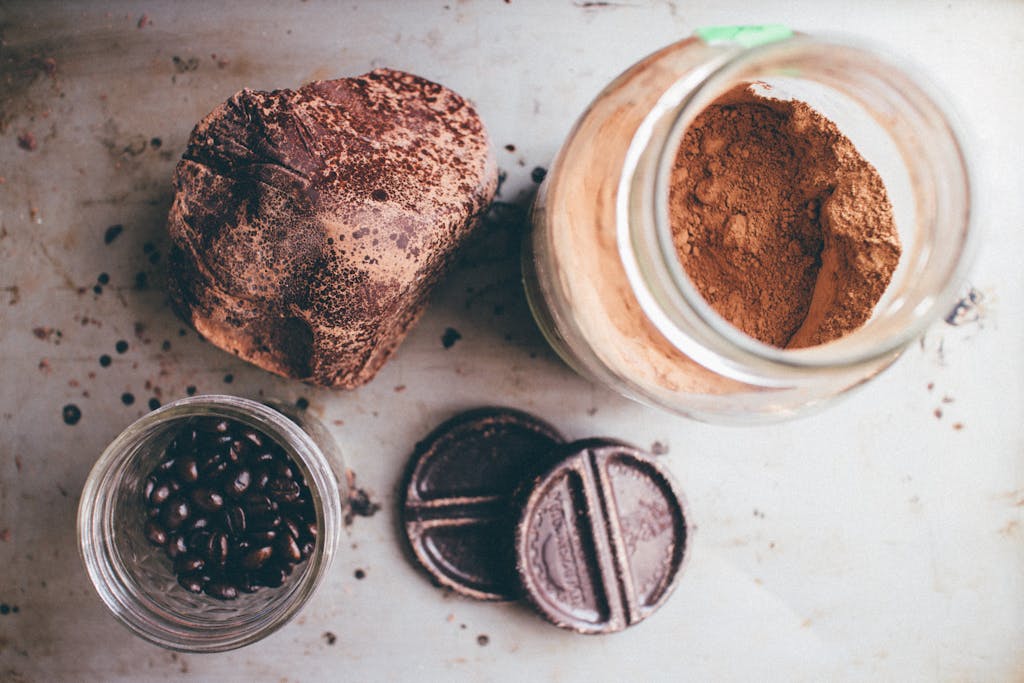
Although both cacao and cocoa come from the same cacao bean, the way they’re processed affects their nutritional profile. Cacao refers to minimally processed beans or powder that hasn’t been roasted at high heat. Hence, it tends to retain higher levels of antioxidants, flavonoids, and certain minerals than more highly roasted cocoa products.
Cocoa, on the other hand, is made from beans that are roasted before being ground, which mellows the flavour but can reduce some naturally occurring antioxidant compounds.
This doesn’t reduce the health benefits of cocoa. Cacao and cocoa contribute beneficial plant compounds; cocoa generally provides them at lower levels than raw cacao, and both can be part of a varied, enjoyable approach to chocolate and cocoa-based foods.
However, according to the FDA, there are no rules regarding what can be called cacao or cocoa, and these terms can be used interchangeably.
In summary, cacao powder and cacao nibs are less processed and slightly more bitter than roasted cocoa powder. My choice is raw, natural cacao powder, but I also use alkalised cocoa powder (which is usually made to reduce its bitterness). Either way, as long as you use more cacao/cocoa than sugar, you will receive the undeniable cocoa health benefits.
The Cocoa Health Benefits
From a health perspective, fermentation matters too, but not in a trendy “fermented food” way. Cocoa fermentation doesn’t deliver live bacteria to your gut like yogurt or sauerkraut. Instead, it reshapes the bean itself, altering its polyphenol profile, reducing harsh compounds and making cocoa both palatable and biologically usable. Some flavanols are reduced, others are transformed, and the result is a food that works with the body rather than against it.
This is where cocoa’s reputation went a bit sideways. Somewhere along the way, fermented, bitter cocoa became wrapped in sugar, marketing and ultra-processing. What started as a respected plant food slowly turned into a dessert, and then the dessert got blamed. But cocoa itself isn’t the problem. Sugar is.
Once fermented, dried, roasted and pressed, cocoa becomes cocoa powder, one of the most concentrated sources of cocoa’s beneficial compounds, without the sugar overload that gives chocolate its bad name.
So yes, cocoa is fermented. Yes, it’s rich in polyphenols. And no, it’s not the same thing as the chocolate bars stacked at the supermarket checkout.
But Wait – Saturated Fats in Cocoa Butter?
Cocoa butter is rich in saturated fat, but its composition is unique. A significant portion consists of stearic acid, which the liver converts into oleic acid, a monounsaturated fat. It also contains palmitic acid, which may raise LDL cholesterol when consumed in excess. The overall impact of dark chocolate depends on portion size, total dietary pattern, and the presence of flavanols.
For a deeper breakdown of how different saturated fats behave in the body, see my guide to the four types of dietary fat.
Cocoa Health Benefits, And Here, the interesting part is about to come.
Cocoa, Theobromine and Biological Ageing
In addition to polyphenols, cocoa health benefits include theobromine, a mild stimulant structurally related to caffeine. Unlike caffeine, theobromine has slower effects and is less stimulating to the central nervous system.
Observational research at King’s College London has found associations between higher circulating theobromine levels and markers of slower biological ageing, measured through epigenetic clocks. These findings are intriguing but should be interpreted cautiously.
Observational data cannot establish causality, and theobromine levels may simply reflect broader dietary patterns associated with health.
Nevertheless, they add to the growing picture of cocoa as a complex food with multiple bioactive components influencing metabolic and cellular processes.
Cocoa and Stem Cells
Stem cells are the body’s basic building blocks, from which all other specialised cells are formed. As Dr William W. Li said in his book Eat to Beat Disease: ”Your immune cells are regenerated every seven days, so if your stem cells disappeared, you’d likely die of an infection soon after.”
And guess what – research exploring dark chocolate and stem cells is still in its early stages, but some intriguing clues are emerging that fit well with cocoa’s broader health story.
A few studies suggest that the cocoa flavonoids and cocoa polyphenols found in high-cocoa dark chocolate may help support the body’s natural regenerative processes by encouraging activity in certain types of circulating progenitor cells and pathways involved in tissue repair and cellular resilience.
These compounds seem to create favourable conditions for stem cell function by reducing oxidative stress and supporting blood vessel health, both of which are important for healthy ageing and recovery.
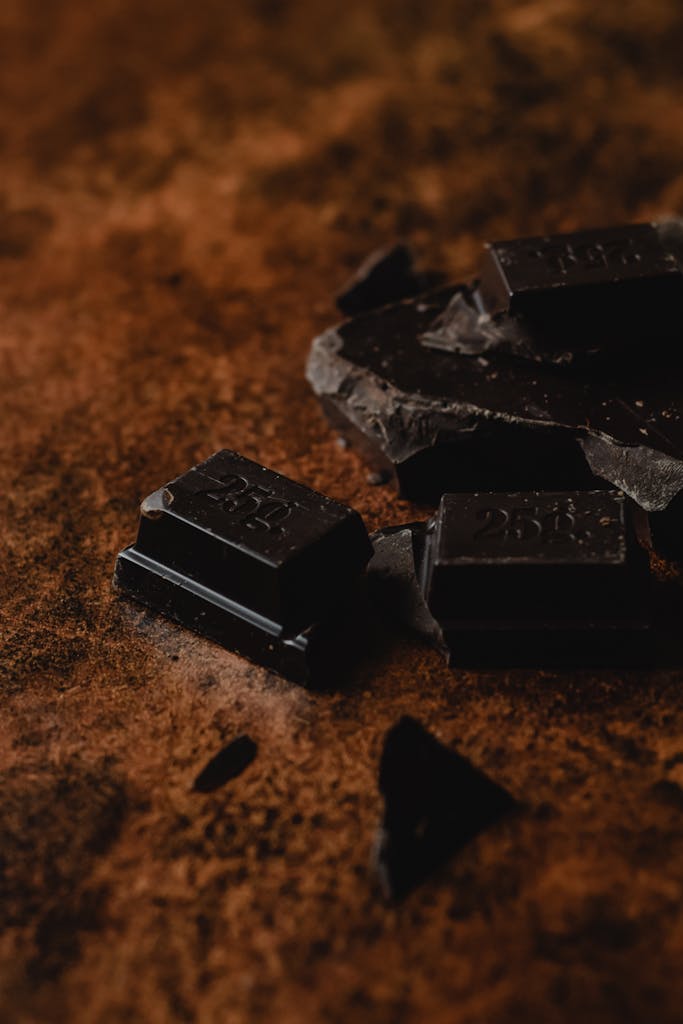
So, eating moderate amounts of high-cocoa dark chocolate, ideally with at least 70% cacao and minimal added sugar, is not a medicine. Still, it may contribute to an overall pattern of nourishment that supports the body’s ability to maintain and repair itself over time, alongside other whole foods and lifestyle factors.

Cocoa Powder Nutrition Facts (Unsweetened)
Nutritionally, unsweetened natural cocoa powder is remarkably dense for such a small serving. One level tablespoon (around 5 g) provides roughly 12 kcal, just over 2 g of fibre, and meaningful amounts of key minerals, including magnesium (~27 mg), iron (~0.7 mg), potassium (~75 mg) and zinc (~0.2 mg).
Cocoa powder is naturally very low in sugar and contains only trace fat once cocoa butter has been removed. Cocoa contributes not only flavour and polyphenols, but also minerals such as magnesium, part of a wider group of magnesium-rich foods and why they matter. As we learned above, cocoa powder also delivers a high concentration of polyphenols and flavanols, which are not listed on nutrition labels.
At 10 g of cocoa powder, these values roughly double, making it easy to boost micronutrient and polyphenol intake without adding a significant glycaemic or caloric load, a key reason cocoa behaves so differently from sweetened chocolate products in the body.
It’s also worth remembering that cocoa naturally contains caffeine. The amount is much lower than in coffee, but it can still have a mild stimulating effect, particularly in larger portions or when consumed later in the day. If you’re sensitive to caffeine, enjoying cocoa earlier in the day and in moderate amounts can help keep you comfortable and free of sleep disturbances.
This is also where cocoa becomes something you can genuinely enjoy, not just analyse. When used thoughtfully, cocoa powder works beautifully in baked goods that feel comforting and familiar, without needing excessive sweetness or heavy processing.
Fancy a Freebie?
Subscribe for my newsletter
and get your FREE eBook with 7 delicious gluten-free desserts!
*We will only send you gluten-free, lactose-free, refined sugar-free emails; you can unsubscribe anytime. Read our Privacy & Cookie Policy.

Many of my gluten-free chocolate recipes are built around this idea, from
Gluten-Free Chocolate Muffins and Gluten-Free Chocolate Banana Bread to
Gluten-Free Chocolate-Orange Cookies, Flourless Hazelnut Chocolate Cookies, and a classic
Flourless Torta Caprese, and Easy Gluten-Free Chocolate Brownies.


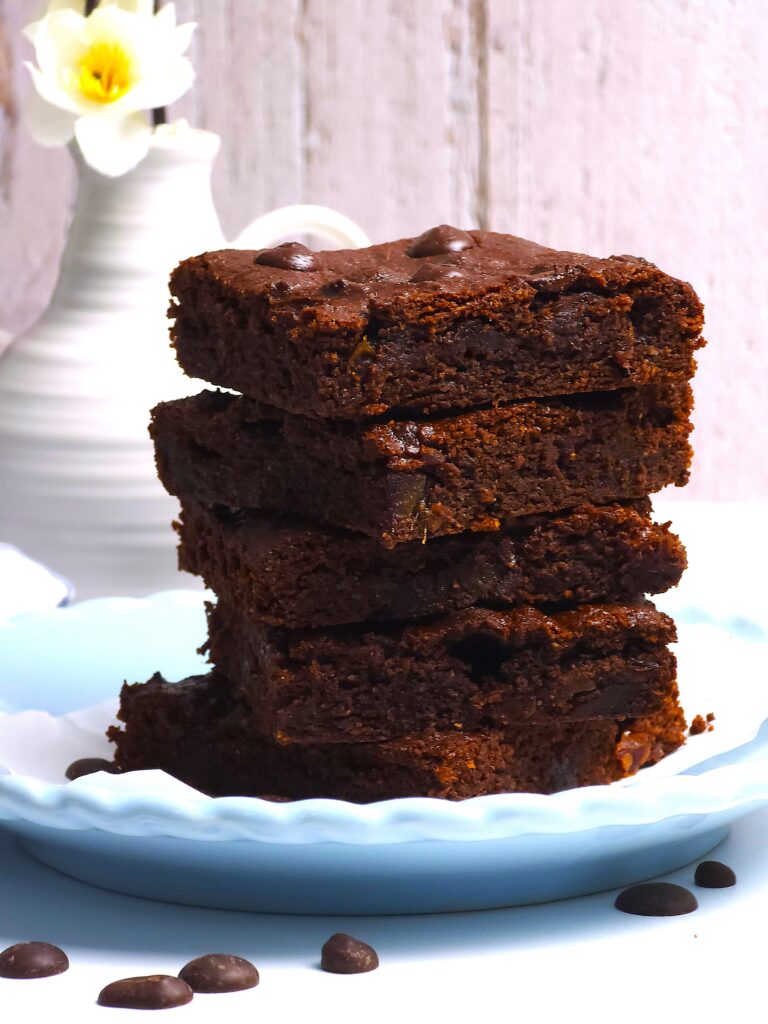
These are everyday bakes, and the list can be endless. Just keep in mind that these recipes are sweetened with no refined white sugar and only with natural sweeteners, such as dates, bananas, and coconut sugar.
They are just real recipes where cocoa brings depth, richness and satisfaction, allowing chocolate to be enjoyed as part of everyday life, not something to feel guilty about.
And if you think chocolate only belongs in baking, here’s where things get a little more fun.
Have you ever heard of chocolate hummus? No? Me neither, until I made Cocoa Hummus and Avocado Chocolate Hummus. I love playing the game “Guess what it is made from” with my friends. Nobody has actually found out what the ingredients are, lol. So, I challenge you: make one of them, or my Avocado Chocolate Mousse, and then have fun!
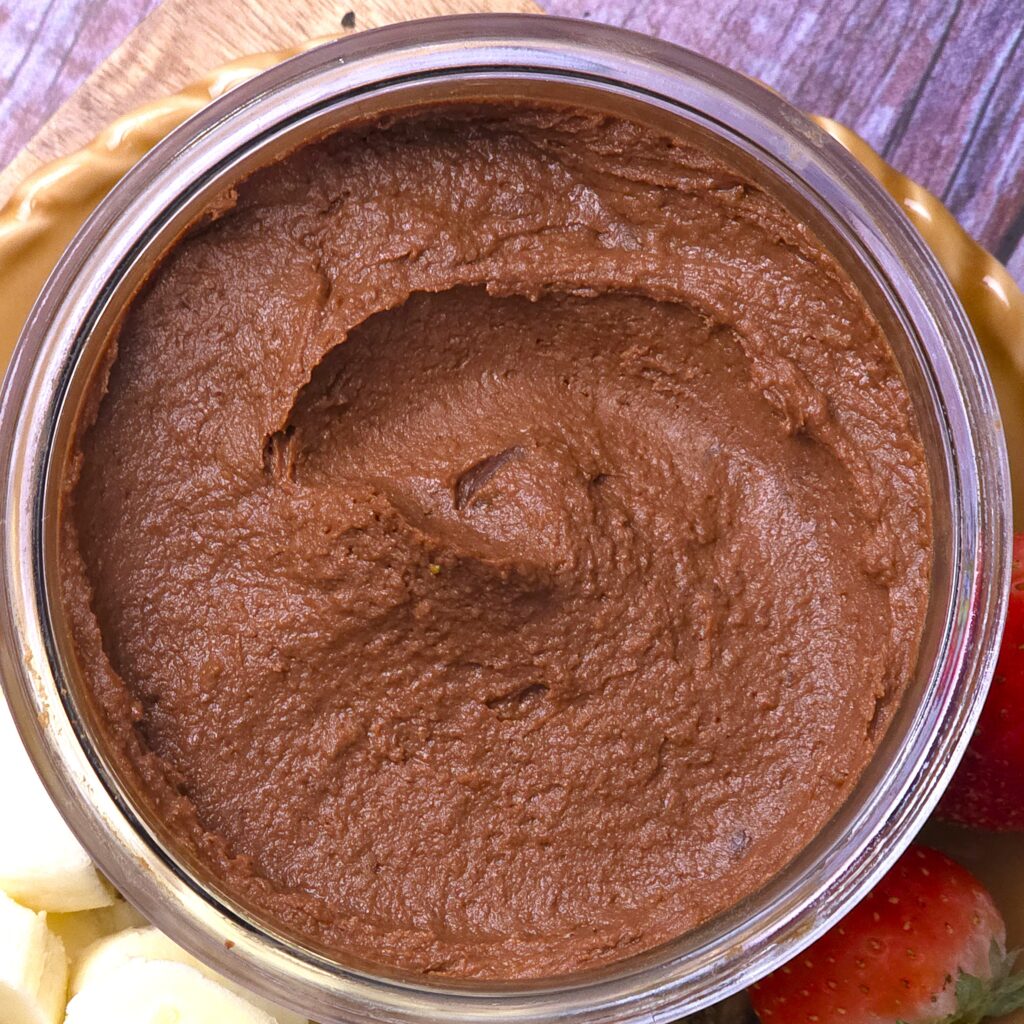
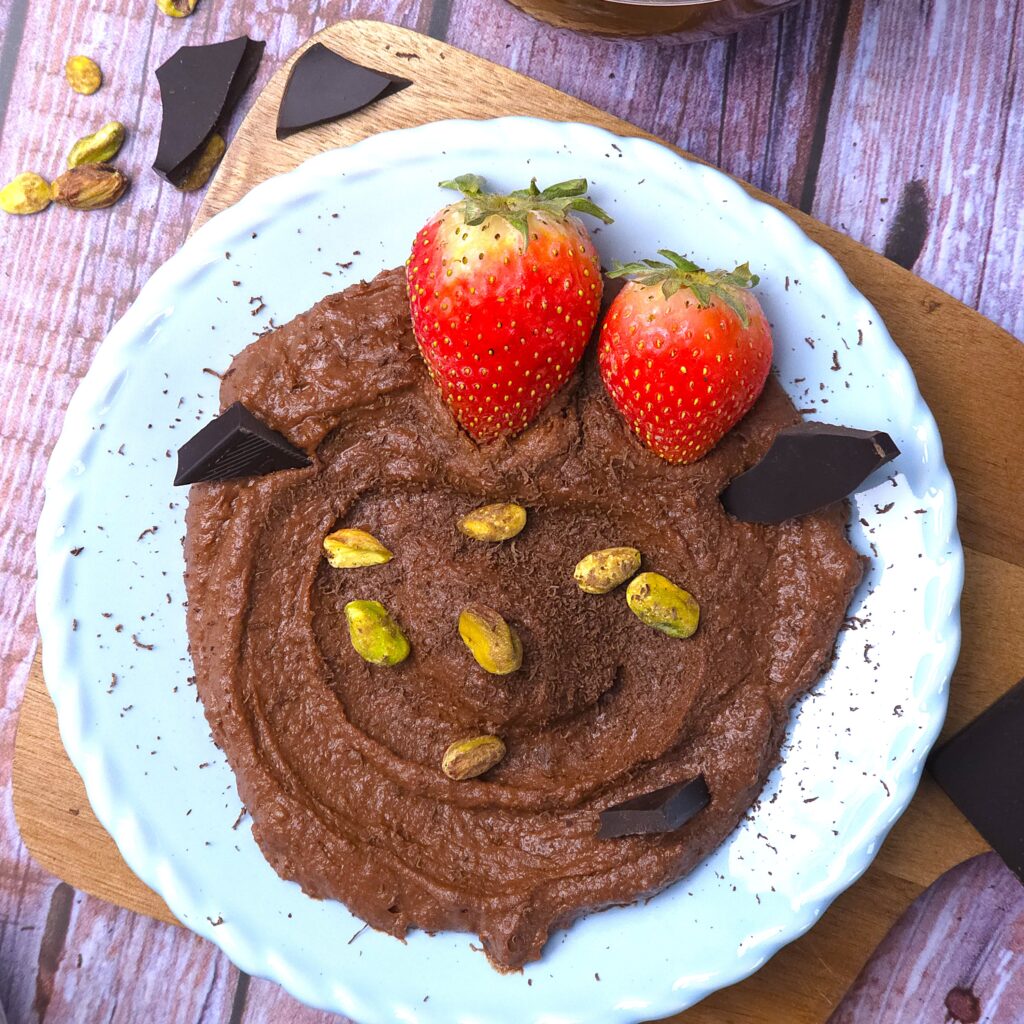
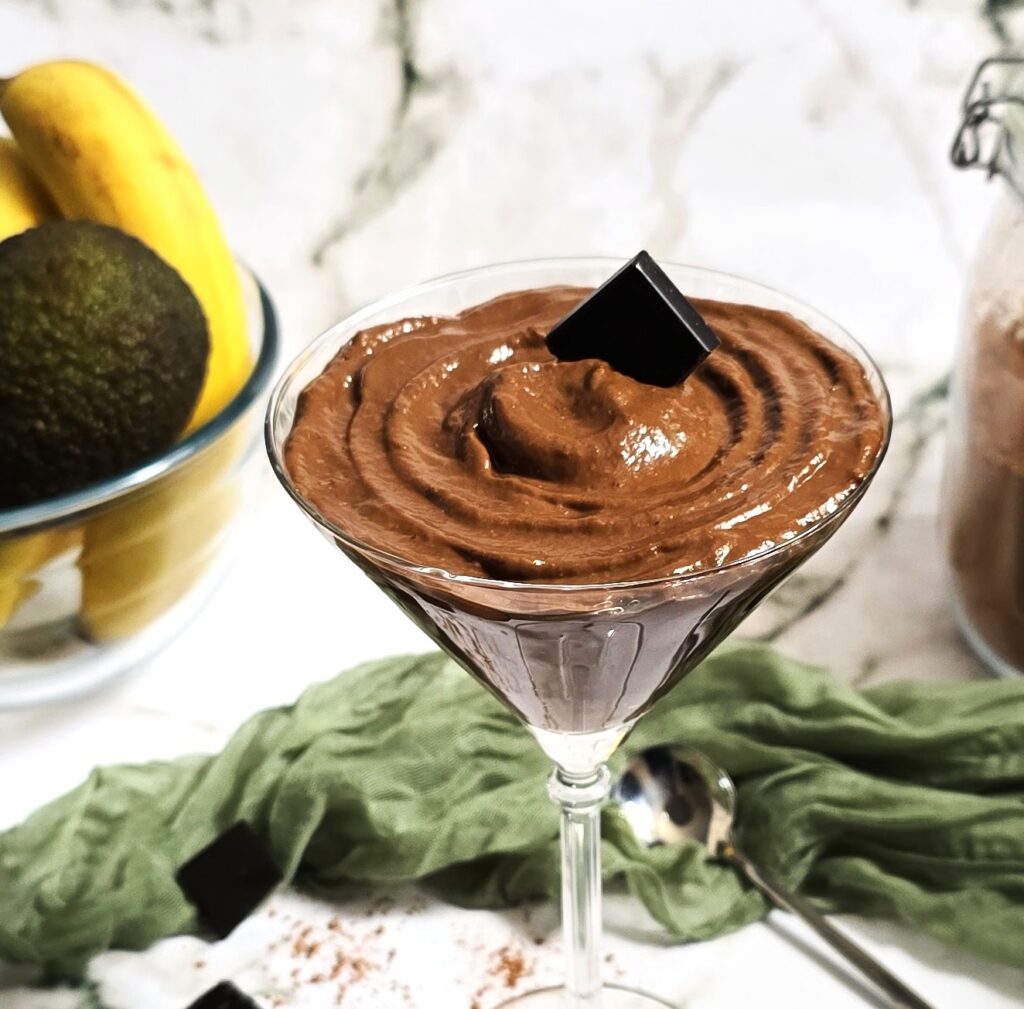
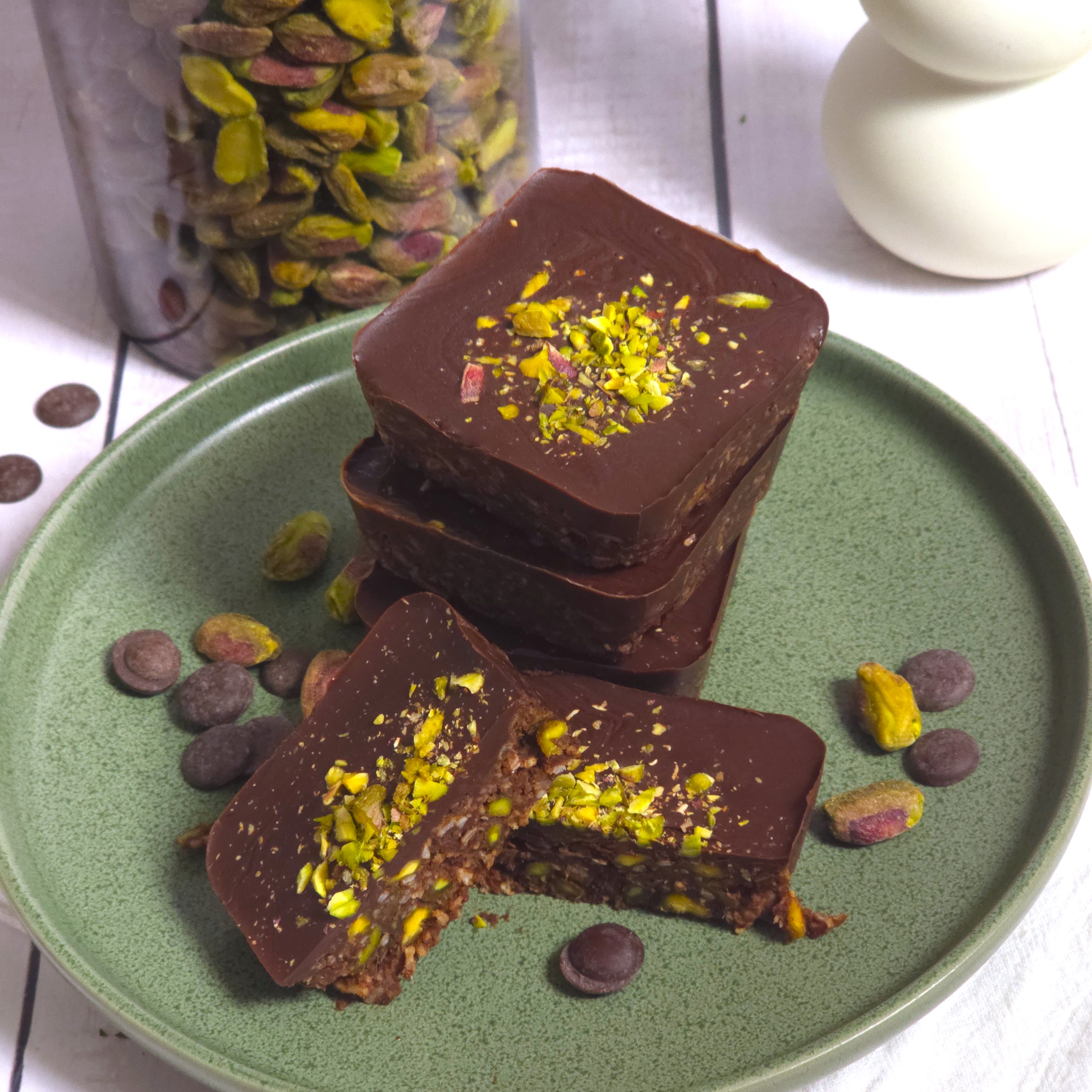
Alongside that, there’s also a homemade Nutella-style spread and a couple of simple no-bake recipes, such as Pistachio Chocolate Bars, Almond Cranberry Chocolate Bars, and my famous Cocoa Balls, proving that cocoa is just as happy in creative, everyday treats as it is in classic bakes.



DeGlutenista’s Favorites…
…Cocoa, Chocolate and Gadgets

Double boiler
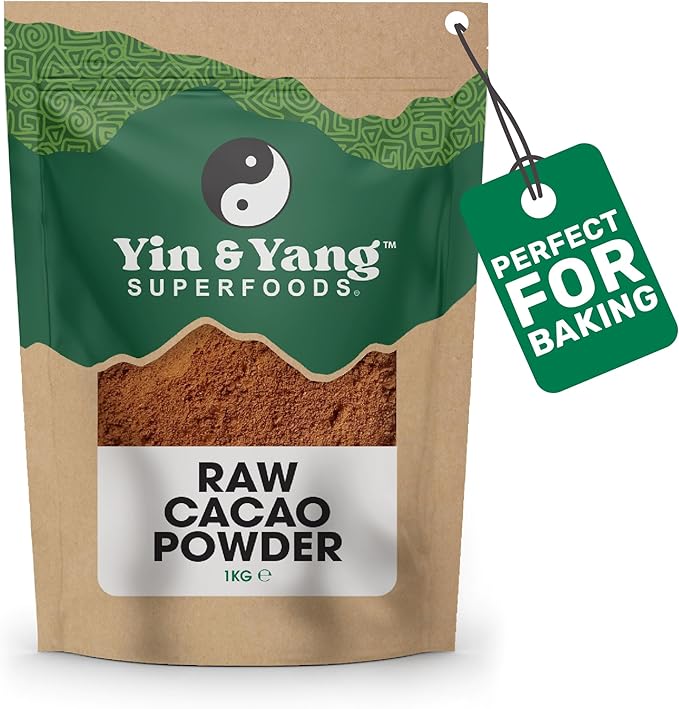
raw cocoa powder
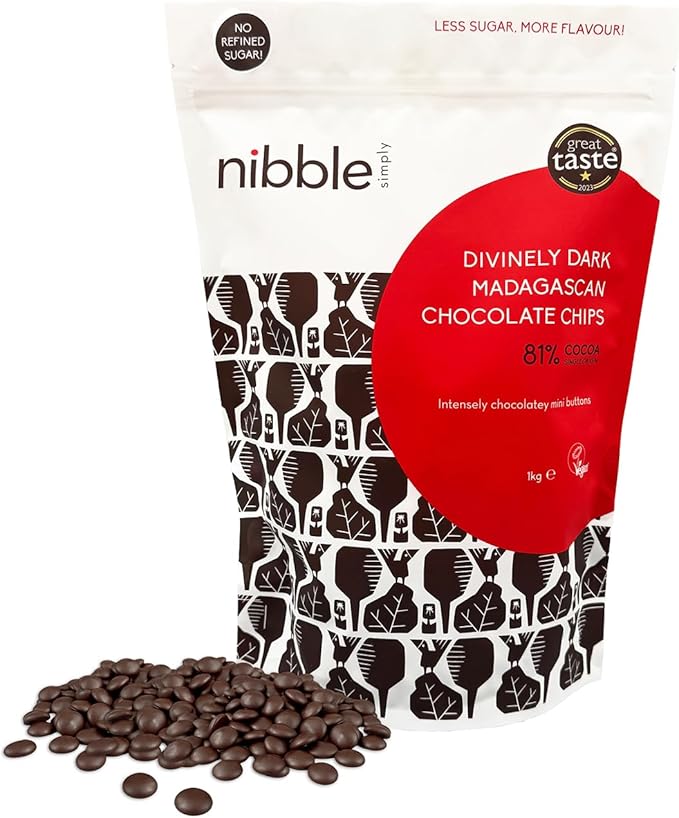
dark chocolate chips

Dark Chocolate 70%
As I Promised – The 7 Cocoa Health Benefits
1. Rich Source of Polyphenols That Support Cellular Resilience
Cocoa is one of the most concentrated dietary sources of polyphenols and flavanols, compounds that help cells respond to oxidative stress rather than simply neutralising it. This adaptive response is central to many healthy ageing pathways.
2. Supports Vascular and Heart Health
Flavanol-rich cocoa has been shown to support nitric oxide production, improving blood vessel function and circulation. This is why cocoa, not sugar-laden chocolate, keeps appearing in cardiovascular research.
3. Contributes to Healthy Ageing Pathways
Emerging research suggests that cocoa polyphenols interact with pathways involved in mitochondrial function and cellular repair. While cocoa doesn’t stop ageing, it may help the body cope better with age-related cellular stress.
4. May Support the Body’s Natural Repair Processes
Some early studies suggest that high-cocoa foods may indirectly influence circulating progenitor cells and tissue repair pathways, likely by reducing oxidative stress and improving blood flow. This is an evolving area of research, but an intriguing one.
5. Provides Fibre That Supports Gut and Metabolic Health
Unsweetened cocoa powder contains meaningful fibre for its size, supporting gut bacteria, blood sugar balance and metabolic health, all key pillars of long-term wellbeing.
6. Supplies Essential Minerals in a Low-Sugar Form
Cocoa powder delivers magnesium, iron, potassium and zinc without a glycaemic load. This makes it a nutrient-dense addition to the diet when used in its natural, unsweetened form.
7. Offers Enjoyment Without Food Guilt
This one matters. Cocoa offers pleasure, satisfaction, and tradition, all of which support sustainable, healthy eating habits. When chocolate is chosen for its cocoa content rather than its sugar content, it can be part of a balanced, non-restrictive approach to food.
Cocoa Health Benefits in Supermarket Chocolate: A Simple Reality Check
In supermarkets, the word chocolate is often used very loosely, and that’s where the confusion begins. Many products rely on the idea of cocoa health benefits while containing only small amounts of real cocoa, alongside highly processed ingredients such as refined sugars, flavourings, emulsifiers and added fats.
Claims like “rich,” “indulgent,” or even “dark” don’t automatically mean cocoa-rich or beneficial; they’re marketing terms, not nutritional guarantees. The real health value comes from cocoa solids, which provide polyphenols and flavanols, not from chocolate flavour or colour.
That’s why the ingredient list matters more than the front of the packet: when cocoa mass or cocoa butter appears early, cocoa is actually present in meaningful amounts. This isn’t about avoiding chocolate, but about recognising that cocoa’s benefits are often borrowed in name, while the product itself may tell a very different story.
When cocoa is diluted or replaced, those benefits naturally fade, which is why choosing chocolate with cocoa mass or cocoa butter listed first, and a cocoa content of around 70% or higher, is less about restriction and more about eating chocolate in its most valid form: richer in flavour, more satisfying, and closer to what chocolate was always meant to be. Please, read the practical guide below.

How to Choose Chocolate (Practical Shopping Guide)
- Turn the bar around – don’t trust the front. Words like “luxury,” “smooth,” or “chocolatey” are marketing. What matters is the ingredient list. Ideally, cocoa mass or cocoa butter should come before sugar.
- Check the sugar position, not just the amount. If sugar is the first ingredient, chocolate is no longer the main event. When cocoa comes first, sugar tends to play a supporting role rather than taking over.
- Use cocoa percentage as a guide, not a rule. Around 70% cocoa or higher usually means more cocoa and less sugar, but taste still matters. If 70% feels too bitter, stepping up gradually is perfectly fine.
- Watch out for “chocolate flavour.” This often means cocoa has been reduced and replaced with sugar, fats and flavourings. Real chocolate should simply be called chocolate.
- Look at the fat source. Proper chocolate contains cocoa butter. If you see palm oil, shea oil or other vegetable fats, cocoa has likely been diluted to cut costs.
- Keep perspective. You don’t need to avoid sugar altogether or analyse every bar. Choosing chocolate with more cocoa and less sugar most of the time is enough.
Cocoa Powder As a Food of the Gods!
Cocoa has been called a “food of the gods,” and honestly, they were onto something. Not because it’s perfect, magical, or meant to be eaten without thought, but because it’s rich, grounding, and meant to be enjoyed.
Cocoa belongs just as much in everyday kitchens as it once did in ceremonies, rituals, and shared moments. When we stop overthinking it and start choosing it with a little more intention, cocoa becomes what it was always meant to be: a food for real life, real people… and yes, maybe the gods too.



Thank you for stopping by! I’m Dani!
nutrition student | Healthy Live Promoter | Gluten-free recipe developer
Welcome to DeGlutenista Nutrition!
Your visit really means the world to me. I’m happy to share simple, nourishing gluten-free recipes and practical food tips focused on gut health and clean eating, all with an emphasis on reducing ultra-processed ingredients.
My approach is simple: practising mindful eating, regardless of food sensitivities, can be both tasty and healthy.
