
Chia Seeds and Their Amazing Health Benefits

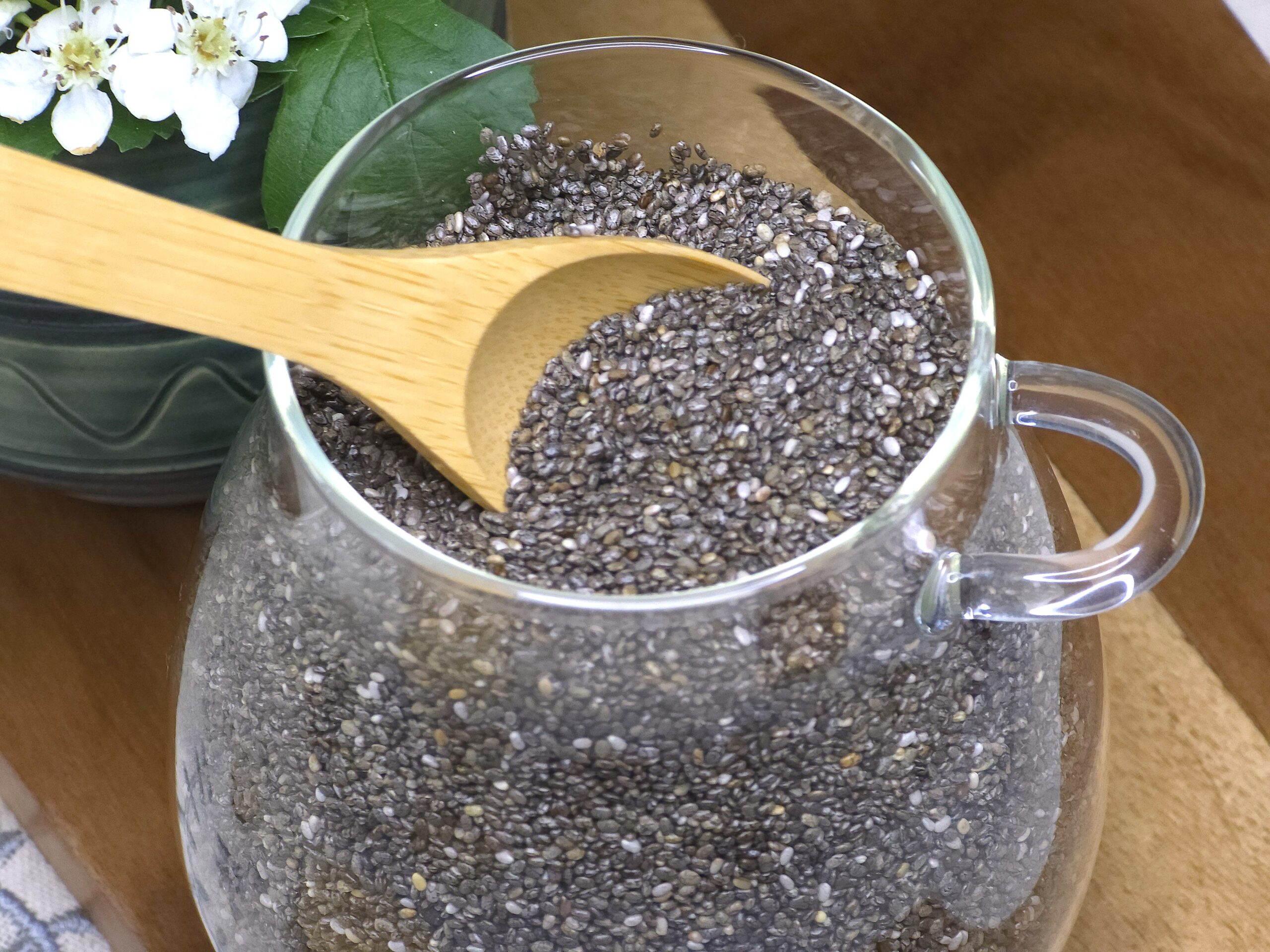
Chia seeds offer impressive health benefits thanks to their fibre, omega-3 ALA, protein, and minerals. These tiny black-and-white seeds may not look like much at first glance, but they’ve been treasured for centuries, and for good reason. Packed with essential nutrients, versatile in the kitchen, and a brilliant ally in any gut-friendly diet, chia seeds deserve a little spotlight.
So pop the kettle on, and let’s dive into the story of these little gems – what they are, where they come from, why they’re good for you, and, of course, how to turn them into delicious dishes that nourish and satisfy.
A Bit of History – Ancient Chia Seeds of Strength
Chia seeds come from the Salvia hispanica plant, a flowering herb in the mint family. They were a staple in the diets of the Aztecs and Mayans, used not just for eating but also in rituals and medicines. The word chia even comes from the Mayan word for “strength,” which makes sense given how energising and sustaining they are.
These seeds were prized for their ability to provide long-lasting energy. Aztec warriors would carry a pouch of chia seeds on journeys, and it was believed that just a spoonful could sustain them for hours.
Fast forward to today, and chia has made a significant comeback – this time as a modern superfood.
Chia Seeds Nutrition
Chia seeds may be small, but they’re absolutely brimming with nutrients. Here’s what just two tablespoons (around 28g) give you:
Protein:
5g—perfect for supporting muscle health and satiety. Chia seeds have a protein content of 20%, which is very high compared to other plant-based foods. Chia seeds also contain many essential fatty acids, which help the body use the protein. If you are a science nerd like me, lol, more comprehensive information about these small treasures is available in this ScienceDirect journal article.
Studies have shown that protein curbs appetite and increases satiety after eating, reducing the amount consumed, which is an excellent helper in the weight loss journey. The amount of protein in foods has been shown to reduce cravings by 60% and nighttime cravings by 50%. Incredible.
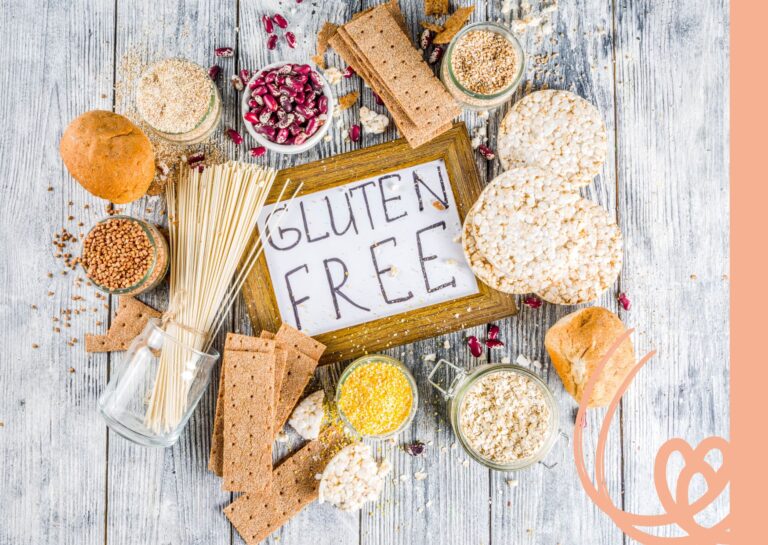
Additionally, chia seeds are naturally gluten-free, making them an excellent option for people who cannot consume wheat. So, you are not surprised now why chia seeds are among the most used ingredients on my blog.
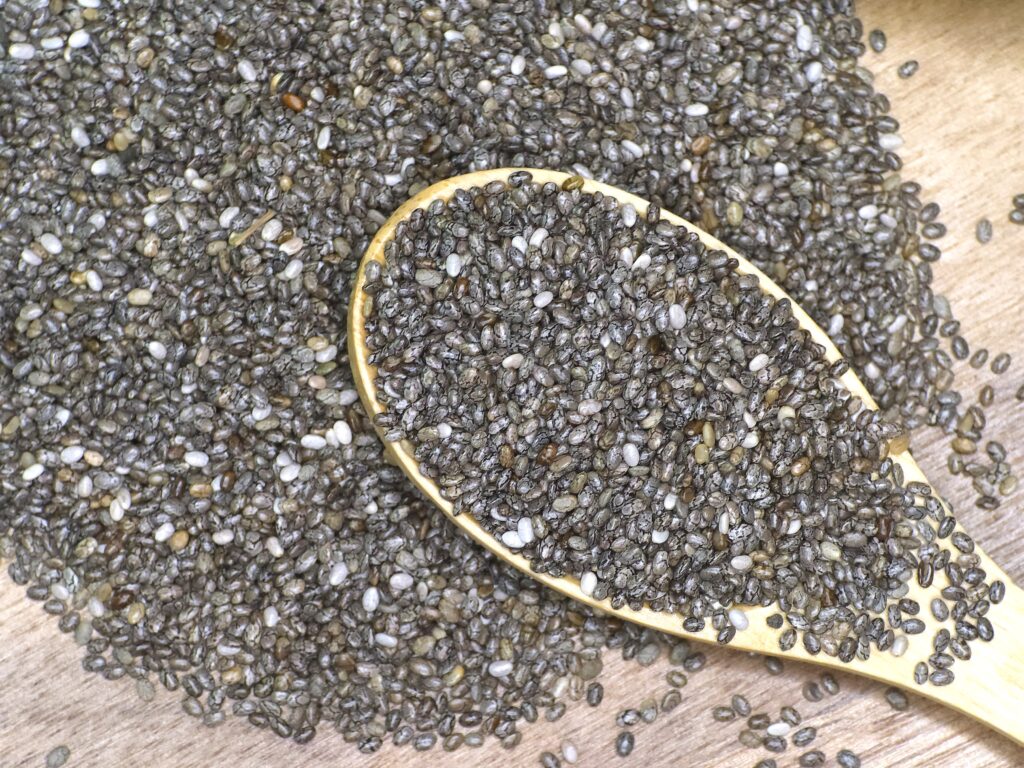
Chia Seeds and Omega-3 Fatty Acids:
One of the best plant-based sources of ALA (alpha-linolenic acid), which supports heart and brain health. Indeed, the high omega-3 fatty acid content in chia seeds makes them unique. Talking about Omega-3 fatty acids, alpha-linolenic acid (ALA), makes up about 75% of the fats in chia seeds, while Omega-6 fatty acids make up about 20%.
However, one must bear in mind that the omega-3 fatty acids present are mainly ALA, which must be converted into the ‘active’ forms EPA and DHA before they can be used in the body. Since the body cannot efficiently convert ALA into active forms, omega-3 fatty acids from plants, such as fish, usually fall short of omega-3 fatty acids from animal sources.
According to studies, chia seeds (especially when ground) can increase ALA and EPA levels, but not DHA. You can supply your body and brain with the crucial DHA by eating fish regularly, taking omega-3 fish oil supplements, or taking DHA capsules if you’re vegetarian or vegan.
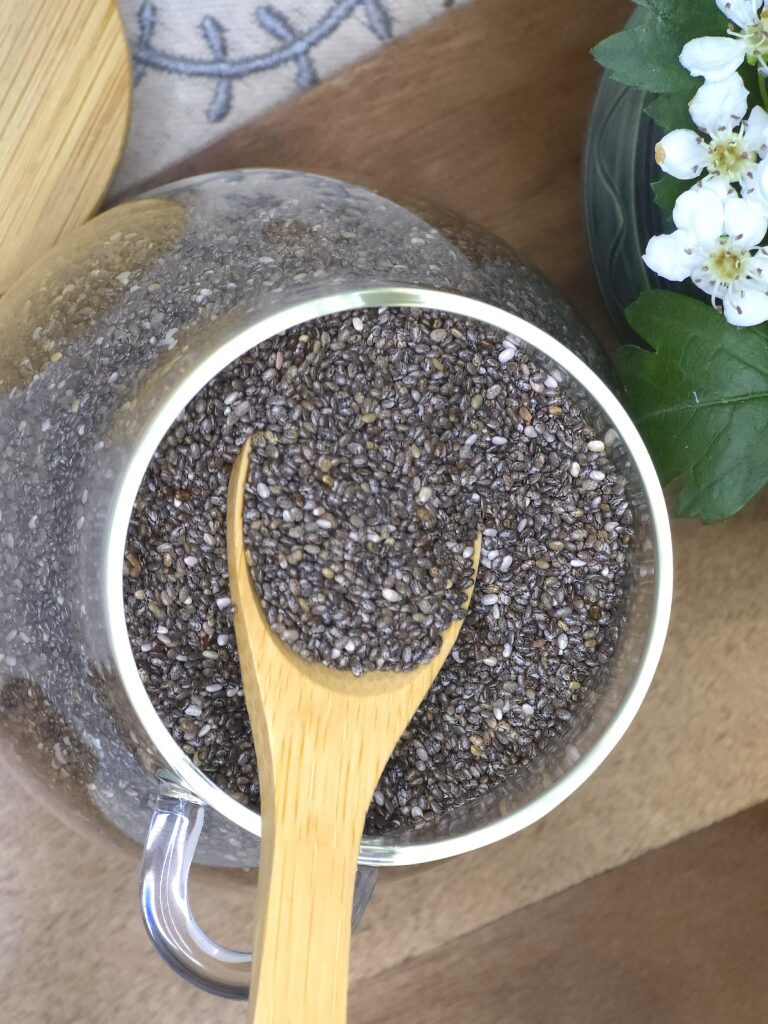
Chia seeds – an excellent source of minerals:
Calcium: About 18% of your recommended daily intake – ideal for avoiding dairy.
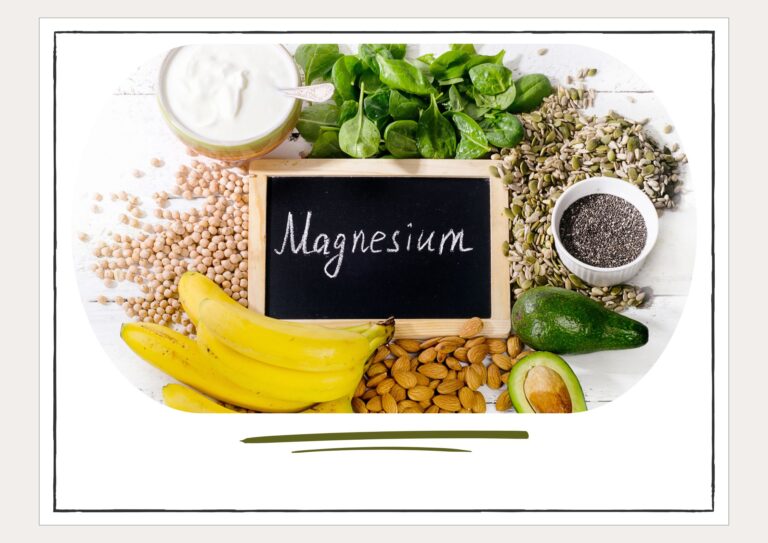
Magnesium, Phosphorus, Zinc, and Iron: Essential minerals to support everything from immunity to energy metabolism.
Chia Seeds Fiber:
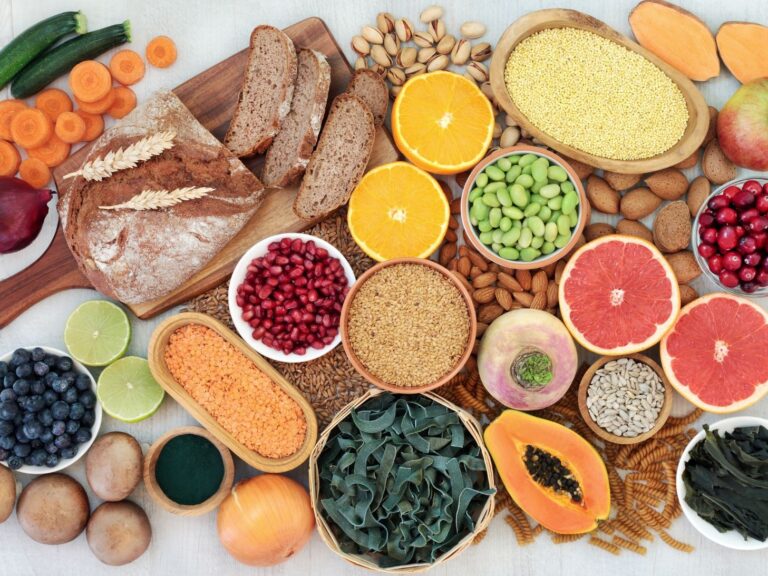
As a human nutrition student passionate about gut health, I couldn’t love chia seeds more. They are one of the best sources of fibre in the world, with 34% fibre. Two tablespoons (about 15g) of chia seeds contain 5.2g of fibre, about 1/5 of the recommended daily intake for adults in the UK.
Thanks to their high fibre content, they support regular digestion, feed beneficial gut bacteria, and can help manage blood sugar levels. The intestine can also ferment certain insoluble fibres, as it does soluble fibre, resulting in the production of short-chain fatty acids and supporting intestinal health. In addition to nourishing positive intestinal bacteria, dietary fibre is essential for a healthy intestine.
Insoluble fibre has been linked to a reduced risk of diabetes. Yes, they are great for folks diagnosed with insulin resistance, type 2 diabetes, and other metabolic dysregulations.
Chia seeds can absorb up to 12 times their weight in water, which causes them to develop a gel-like consistency in the stomach and expand. This can increase satiety, slow food intake, and automatically burn fewer calories, curbing appetites and assisting in weight loss.
The type of fibre they contain is mainly soluble, forming a gel-like texture when soaked in liquid—brilliant for soothing the gut and giving that “full up” feeling.
Chia seeds’ intriguing fact – An ancient legend states that Aztecs and Mayans used chia seeds to enhance their performance. Recent research supports this belief. Six participants consumed an isotonic drink like Gatorade or a mixture of half an isotonic drink and chia seeds before running for an hour on the treadmill and covering 10 km. There were no differences between the two groups. Half of the Gatorade was replaced with chia seeds, which did not reduce athletes’ performance. Thus, this study found that chia seeds are an excellent substitute for artificially formulated isotonic sports drinks because they are nutrient-rich.
Chia seeds’ combination of healthy fats, fibre, and protein helps slow carbohydrate digestion, making them great for sustained energy and balanced blood sugar. Plus, their very low carbohydrate content also makes them appropriate for a low-carb diet.
Whether you’re working to improve digestion, balance hormones, support your heart, or simply want to feel fuller for longer, chia seeds tick so many boxes.
Additionally, bile acids require replication to promote their elimination. Since cholesterol is needed to accomplish this, cholesterol levels drop. Chia seeds also promote the excretion of toxins and acids from the body.
And let’s not forget – chia seeds are also low in calories and high in antioxidants, helping combat oxidative stress in the body.
They’re also naturally gluten-free, perfect for anyone with coeliac disease or gluten intolerance.
How to Use Chia Seeds – Simple, Delicious Recipes
Now, onto the fun part: how do we use chia seeds in real life? You don’t need fancy equipment or loads of time. Here are a few easy and gut-friendly ways to get these seeds into your day:
1. Chia Pudding – The Classic
This is probably the most well-known way to enjoy chia, and for good reason. It’s creamy, filling, and endlessly customisable.
Basic Chia Pudding Recipe:
- 3 tbsp chia seeds
- 1 cup plant-based milk (almond, oat, or coconut)
- 1 tsp vanilla extract
- 1–2 tsp maple syrup or honey (optional)
Mix, stir well, and let it sit in the fridge for 2–3 hours (or overnight). It thickens beautifully into a pudding-like texture. Also, don’t miss my delicious The Best Super Easy Blueberry Avocado Chia Pudding.
Top with:
- Fresh berries
- Toasted nuts or seeds
- Nut butter
- Coconut flakes
Make it indulgent yet healthy with a swirl of cacao or a few chunks of ripe banana, yum!! Also, try these easy, refreshing chia recipes:
Strawberry Yoghurt Chia Parfait
Blackberry Yogurt Chia Parfait
2. Smoothie Booster
Add a tablespoon of chia seeds to your smoothie before blending for a nutritional upgrade. You can also soak them in water for 10 minutes before adding them to create that signature gel texture.
They pair beautifully with ingredients like spinach, avocado, blueberries, almond butter, and plant milk – a gut-friendly smoothie packed with fibre and good fats.
3. Egg Replacement in Baking
For anyone avoiding eggs, chia seeds are a dream. Mix 1 tablespoon of chia seeds with 3 tablespoons of water and let sit for 10 minutes. The result? A jelly-like consistency is perfect as a binding agent in recipes like muffins, pancakes, or even gluten-free cookies.
Great for vegan and allergy-friendly baking!
4. Add to Porridge, Bakes, or Granola
Sprinkle chia into your morning oats, oat bars, or homemade granola. They blend in so seamlessly and boost the nutritional value of almost anything.
Try adding a spoonful to:
- Apple and cinnamon porridge
- Banana oat muffins
- Seed and nut bars
5. Savory Uses Too!
It’s not all about sweet treats – chia seeds can work in savoury recipes too.
- Mix them into veggie burgers or meatballs for texture and nutrition.
- Add them to homemade gluten-free crackers.
- Stir a spoonful into soups and stews as a natural thickener.
Top Tips for Using Chia Seeds
Always hydrate them. Dry chia seeds can absorb a lot of liquid (up to 12x their weight), so make sure they’re either soaked or added to something moist.
Start small – If you’re not used to eating much fibre, start with 1 tablespoon daily and increase gradually to avoid bloating.
Store in a cool, dark place – They’re shelf-stable for months, but keep them sealed and away from heat to preserve their delicate fats.
FAQs
1. Are chia seeds good for gut health?
Yes. Chia seeds are naturally high in soluble fibre, which forms a gel when mixed with liquid. This gel helps soften stools, support regular bowel movements, and feed beneficial gut bacteria (prebiotic effect). Your article notes that chia contains 34% fibre and contributes to the production of short-chain fatty acids, which are essential for a healthy intestine.
2. How much chia should I eat per day?
A good starting point is 1 tablespoon per day, especially if you’re not used to high-fibre foods.
Most adults tolerate 1–2 tablespoons (10–20 g) daily when eaten with enough liquid.
In your post, you highlight that chia absorbs up to 12 times its weight in water, which increases satiety and slows digestion, so gradual increases help prevent bloating in sensitive individuals
3. Do chia seeds help with blood sugar?
Yes. Chia seeds slow carbohydrate digestion due to their combination of soluble fibre, protein, and healthy fats.
This reduces post-meal glucose spikes and supports more stable energy levels.
Your article explains that chia’s gel-forming fibre helps regulate blood sugar and that insoluble fibre is linked to a reduced risk of diabetes and metabolic dysregulation.
4. Should chia seeds be eaten soaked or dry?
Soaked chia seeds are generally better for digestion and hydration.
When soaked, they form a gel that is easier on the digestive tract and reduces the risk of stomach discomfort.
Dry seeds can be sprinkled onto foods, but they must be consumed with enough liquid because they absorb water in the stomach—your article emphasises that they can absorb 12 times their weight.
5. Are chia seeds OK for people with gluten intolerance or coeliac disease?
Absolutely. Chia seeds are naturally gluten-free and safe for individuals with coeliac disease, non-coeliac gluten sensitivity, or wheat allergy. They are also naturally lactose-free, vegan, and suitable for most allergy-friendly diets.
In Conclusion
As someone on a mission to help others live a holistic, gut-friendly lifestyle, I know chia seeds are a no-brainer. Plus, they’re affordable, widely available, and so easy to weave into everyday meals. Whether you’re making breakfast pudding, powering your smoothies, or baking a tray of muffins for the week ahead, chia has your back.
I’ve said it before, and I’ll repeat it: small changes lead to big results. Adding a tablespoon of chia seeds to your routine is a lovely, manageable step toward feeling more energised, supported, and nourished.
Fancy a Freebie?
Subscribe for my newsletter
and get your FREE eBook with 7 delicious gluten-free desserts!
*We will only send you gluten-free, lactose-free, refined sugar-free emails; you can unsubscribe anytime. Read our Privacy & Cookie Policy.

Thank you for stopping by! I’m Dani!
nutrition student | Healthy Live Promoter | Gluten-free recipe developer
Welcome to DeGlutenista Nutrition!
Your visit really means the world to me. I’m happy to share simple, nourishing gluten-free recipes and practical food tips focused on gut health and clean eating, all with an emphasis on reducing ultra-processed ingredients.
My approach is simple: practising mindful eating, regardless of food sensitivities, can be both tasty and healthy.