
How to Make Moussaka – Bulgarian Style Traditional Recipe (Gluten-Free)

This post may contain affiliate links. If you make a purchase through these links, I may earn a small commission at no extra cost to you. I only recommend products I personally use and trust. Thank you for your support!
This Bulgarian moussaka recipe isn’t just an ordinary recipe; this is the taste of my childhood and homeland. I grew up with the taste. Even today, far away from my roots, I love the aromas in my kitchen when I cook this traditional dish.
It brings me back to warm winter nights and family dinners. And trust me, no Bulgarian doesn’t like this potato-and-meat dish. Or I don’t know anyone, lol. This is an iconic recipe in my country, Bulgaria.
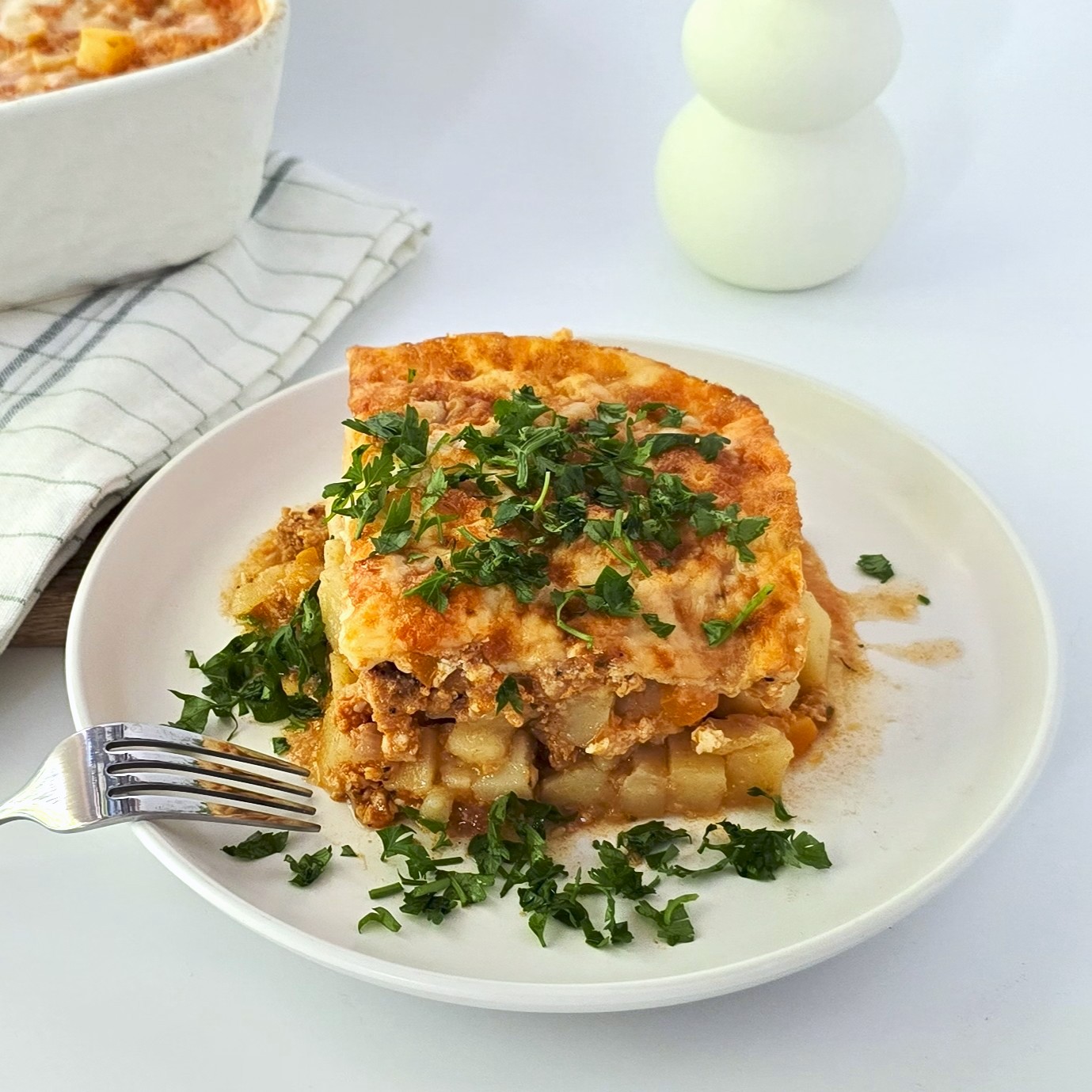
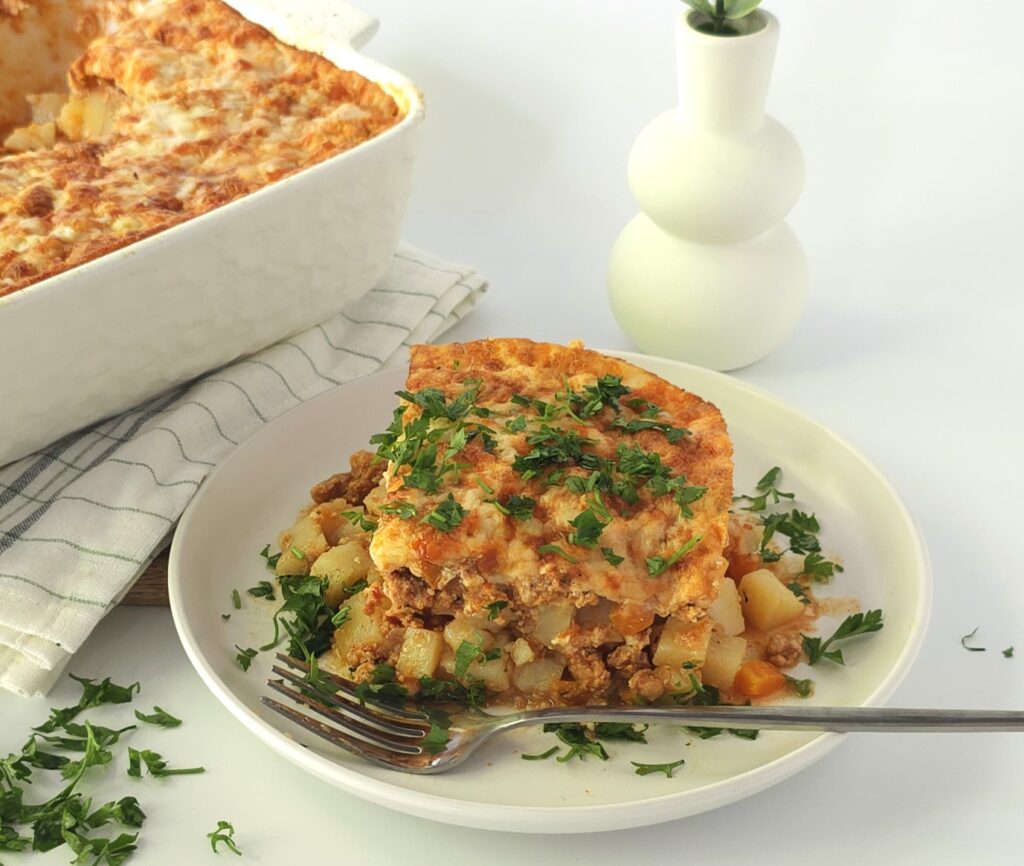
Imagine layers of gently sautéed minced meat, golden potatoes, and onions bathed in a light tomato sauce, all topped with a rich custard-like yoghurt and egg/cheesy layer that bakes to golden perfection. Yummy!!
A Brief History of Moussaka
Moussaka is a popular dish across the Balkans, the Mediterranean, and the Middle East, but each country has its own variation. In Bulgaria, moussaka is more potato-based and broth-forward than the aubergine-layered Greek version.
The topping is traditionally made from yoghurt and eggs, no béchamel in sight, which makes it lighter. Plus, Bulgarians often serve moussaka with a dollop of fresh yoghurt on the side. Yes, yoghurt is everywhere – savoury or sweet.
It can also be served with a fresh Greek-style salad, tzatziki dip, and the other traditional Balkan dish, tarator. This cold soup is very popular, especially in summer. The recipe for this simple and delicious cold soup is here. If you have already noticed, Bulgarian moussaka pairs great with yoghurt.
Moussaka – Mediterranean, Balkan or Middle Eastern Recipe?
This recipe is all of them. Geographically, Bulgaria borders the Mediterranean region and shares many culinary traits with Mediterranean countries, like yoghurt, garlic, olive oil, tomatoes, and seasonal vegetables.
Nutritionally, the traditional Bulgarian moussaka aligns with Mediterranean diet principles: moderate meat, hearty vegetables and probiotic dairy (try my amazing homemade yoghurt)
This traditional Bulgarian moussaka recipe has been in my family for generations, handed down from my grandmother to my mother and now to me. Ah, my daughter is a master chef with her moussaka, and I’m so proud of her!
In my homeland, Bulgaria, there is a popular joke among Bulgarian men that they would not marry a woman who cannot cook the perfect moussaka 🙂 This is how much this comfort dish is loved in Bulgaria. Well, my other half must be really lucky 😀
I’ve made this moussaka recipe more times than I can count, as it is a regular dish in my family. Even if there are no golden potatoes, any potatoes will do the job, and the same goes for meat. You can easily substitute turkey mince meat or even make it completely vegetarian.
It’s a family favourite, a nostalgic hug on a plate, and perfect for batch cooking, too. Whenever I make it, I bring a little piece of Bulgaria home.
Bulgarian Moussaka Ingredients
For the Moussaka Base
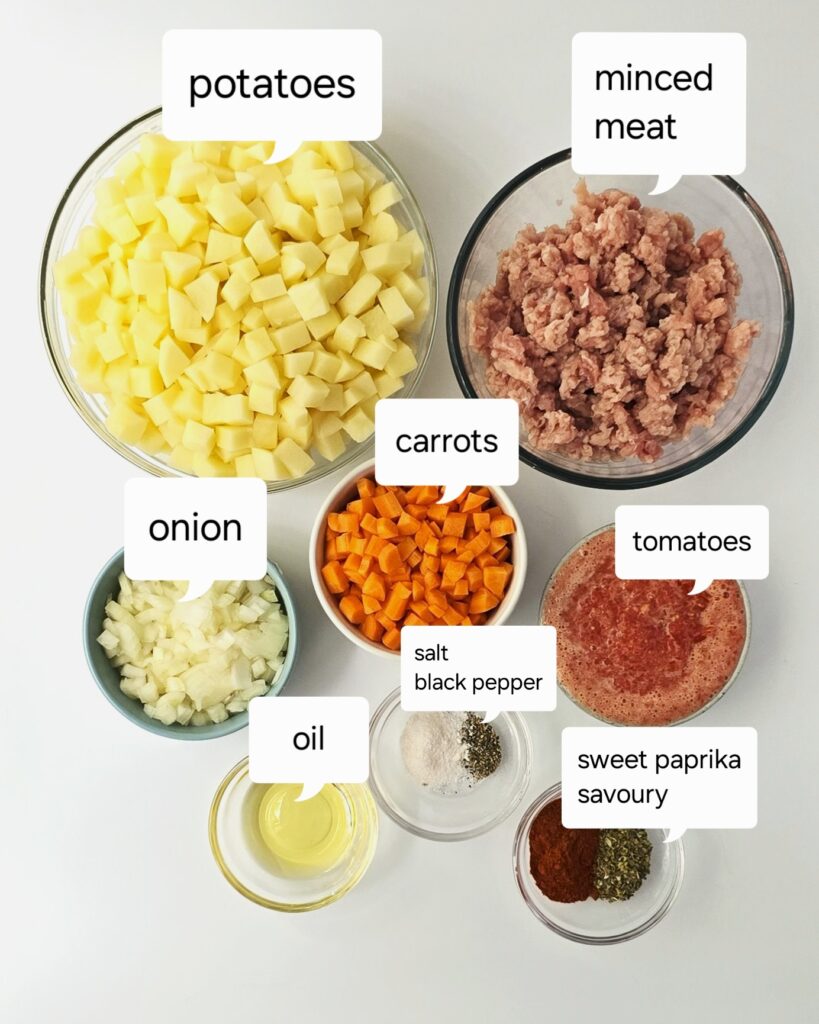
Minced beef or pork (or a mix): The traditional recipe uses a 40:60 ratio of beef to pork mince. I prefer to buy meat and chop it in the food processor. If you use my method, you will need extra oil while cooking to prevent a dry outcome. Choose lean meat or grass-fed for a more nutritious profile. Lean meat is an excellent source of protein and has lower saturated fat than fattier cuts.
Potatoes (peeled and diced small): Traditionally, potatoes are used for bulk and comfort. They are naturally gluten-free and a good source of potassium and fibre.
Onion, finely chopped: Adds sweetness and depth.
Carrots, diced small: For subtle sweetness, colour, and beta-carotene.
Blended fresh tomatoes or passata: Rich in lycopene, especially when cooked — a key antioxidant for skin and heart health.
Sweet paprika: Brings warmth and colour.
Chubritsa (traditional Bulgarian spice) or Summer Savoury – a very distinctive spice. It is described as peppery, earthy, and a little minty with notes of thyme and marjoram. However, if you don’t have it, use dry oregano.
Salt & pepper to taste.
Olive oil or rice bran oil: For sautéing and an extra heart-healthy fat. Both work great; however, feel free to use oil of your choice.
Warm water or light bone broth: Helps the flavours meld together and adds moisture.
For the Yogurt Topping
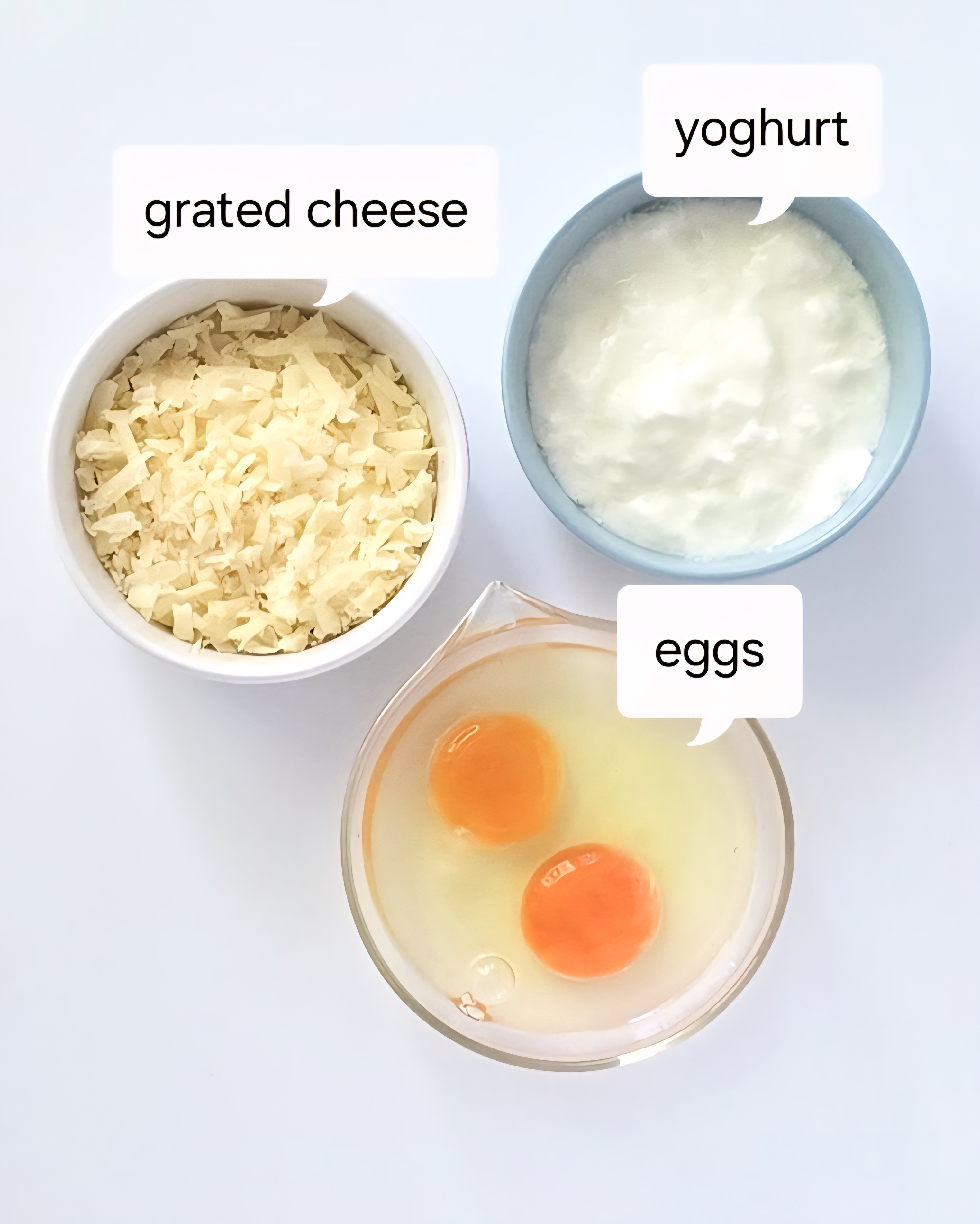
Eggs: Bind and puff up the topping into a light crust.
Greek yoghurt: (I use my homemade yoghurt). It adds beneficial bacteria and is deliciously tangy.
Cheddar cheese: My preference goes to Eatlean lactose-free cheese, but any melting cheese will do the trick.
Baking soda
Pinch of salt
Optional: 1 tbsp rice flour or cornflour (if extra firmness is desired)
How to Make Bulgarian Moussaka Instructions
Preheat the oven to 190°C (375°F, fan). Use a ceramic or glass baking dish measuring around 30x20cm. Have your yogurt fermented, strained (if preferred), and ready.
Sauté the Base
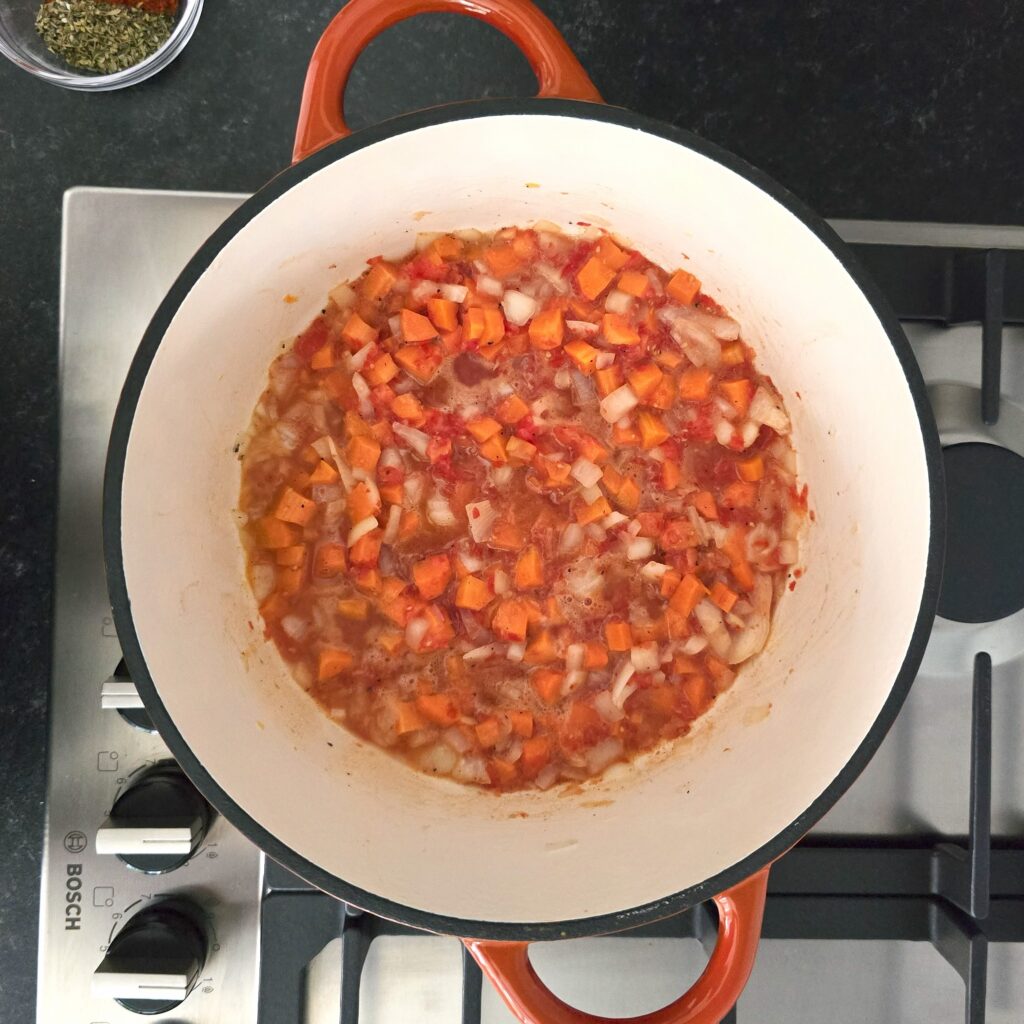
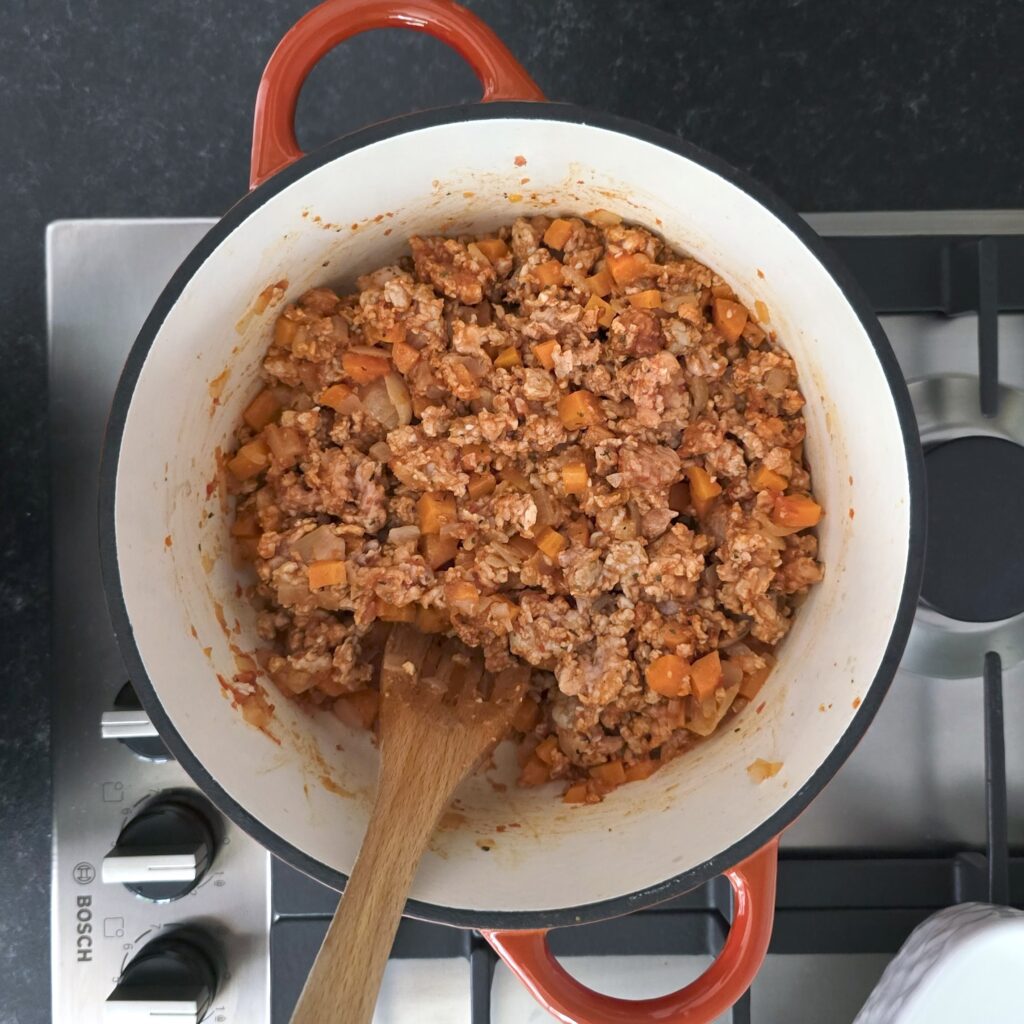
Heat the olive oil in a large frying pan. In step 1, sauté the onion, garlic, carrot, and tomatoes for 3–5 minutes until softened and golden. In step 2, add the minced meat, breaking it apart with a spoon, and cook until browned.
Stir in paprika, salt, and pepper. Let it simmer gently for 5 minutes. In step 3, pour the warm water or broth and reduce it for another 5 minutes.
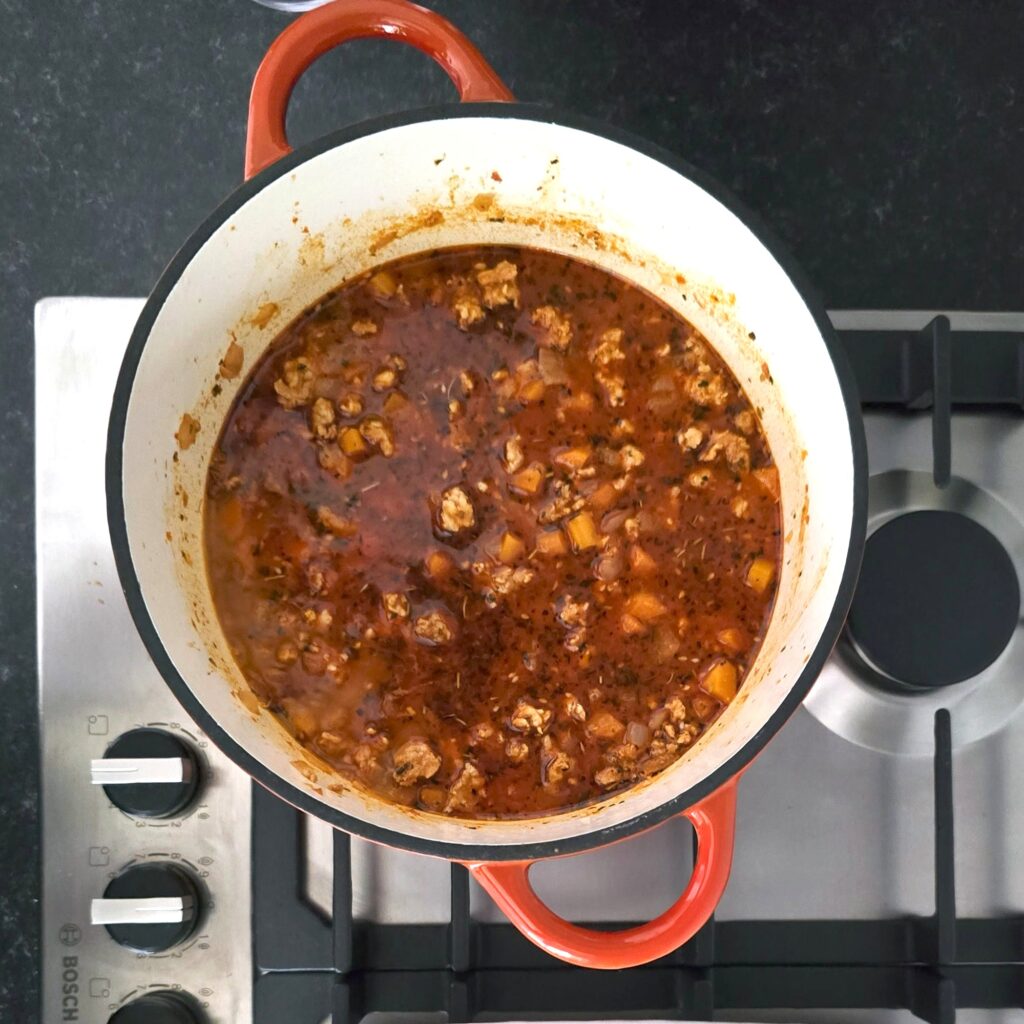
Add Potatoes
Fold the diced potatoes to ensure they’re well coated in the mixture. Transfer everything into the greased baking dish and level the surface.
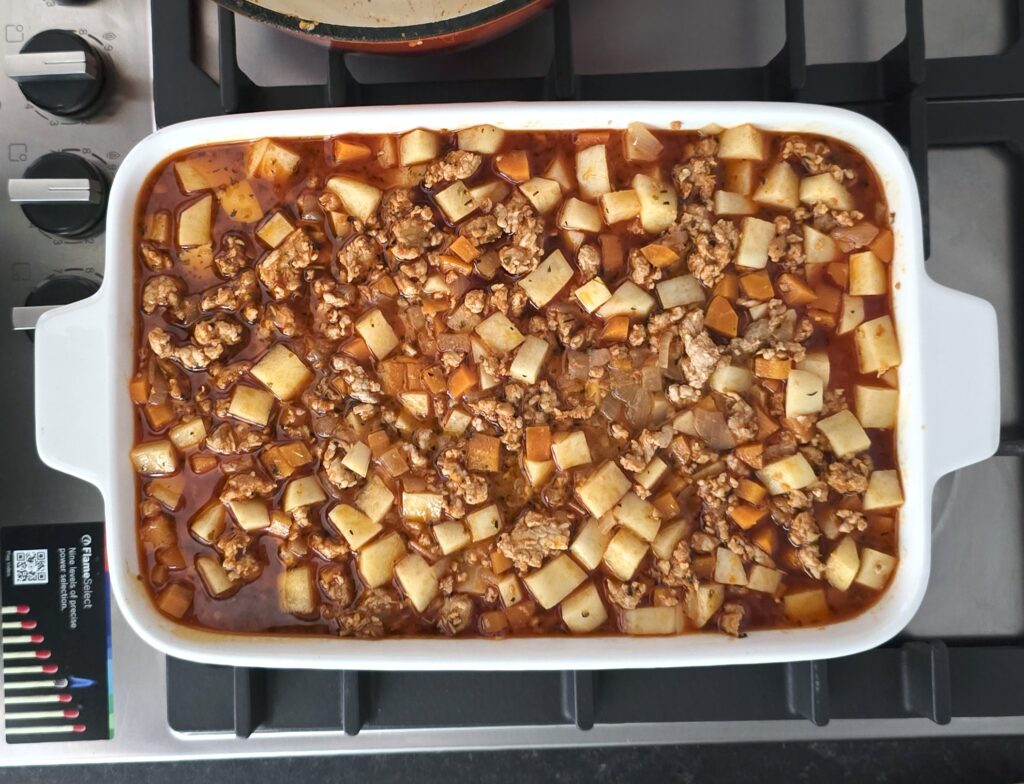
Bake the Base
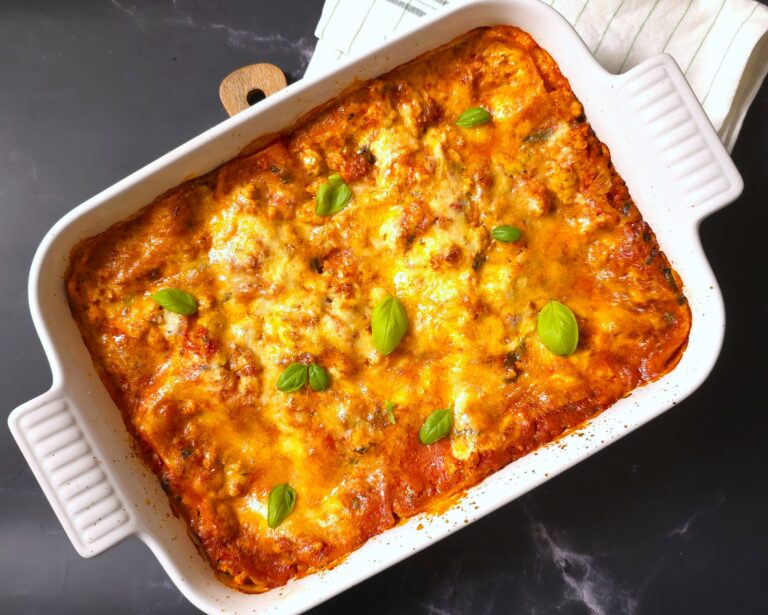
Bake uncovered for 40–50 minutes until the potatoes are soft and the top is slightly golden. It should look like in the photo, with a bit of liquid on the bottom, but not dry.
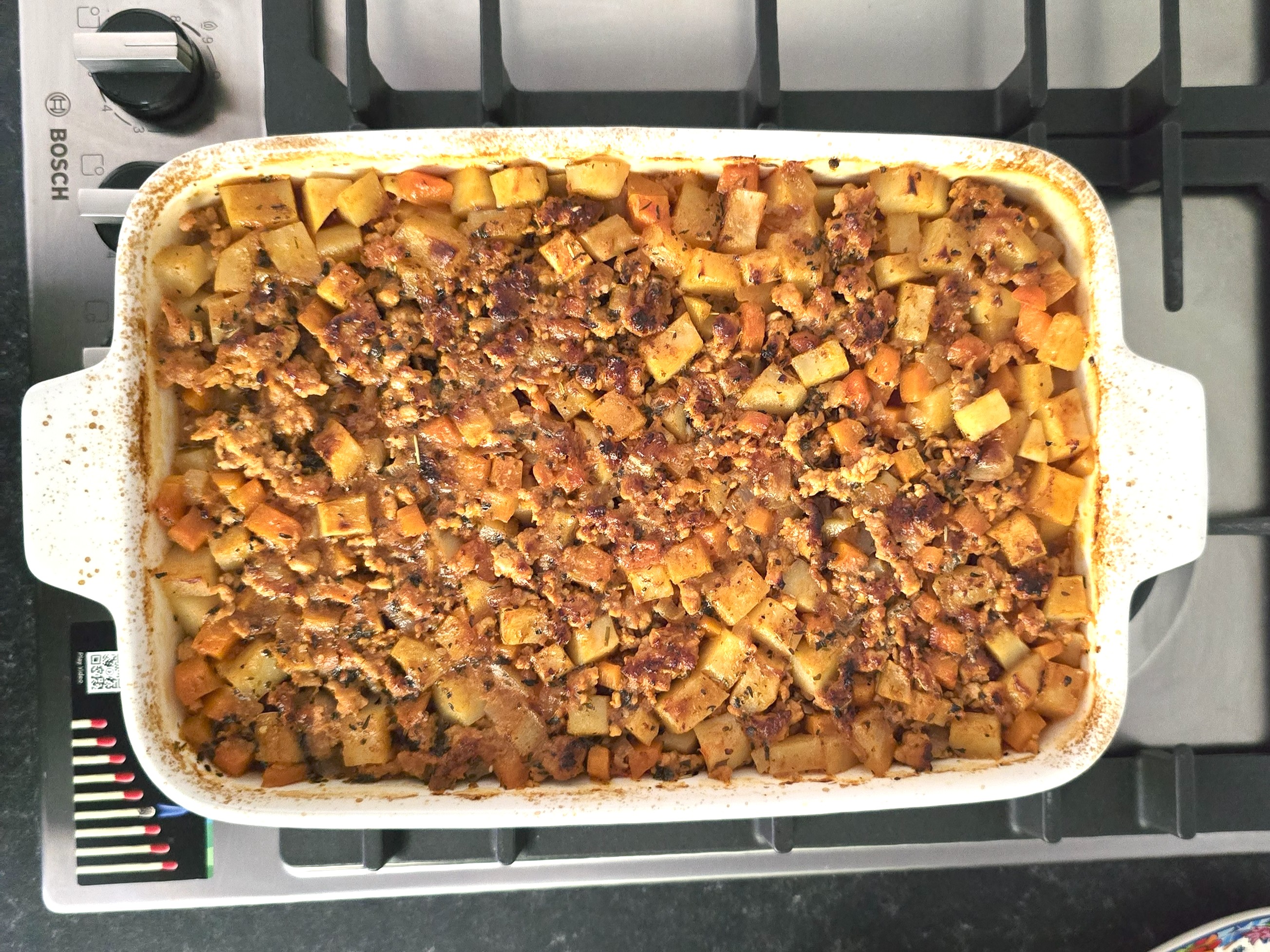
Prepare the Topping
Meanwhile, whisk the eggs, yoghurt, a pinch of salt, and rice flour (if using). The mixture should be smooth and pourable, like a light custard. Look at the photo on the left below.
Add the Topping
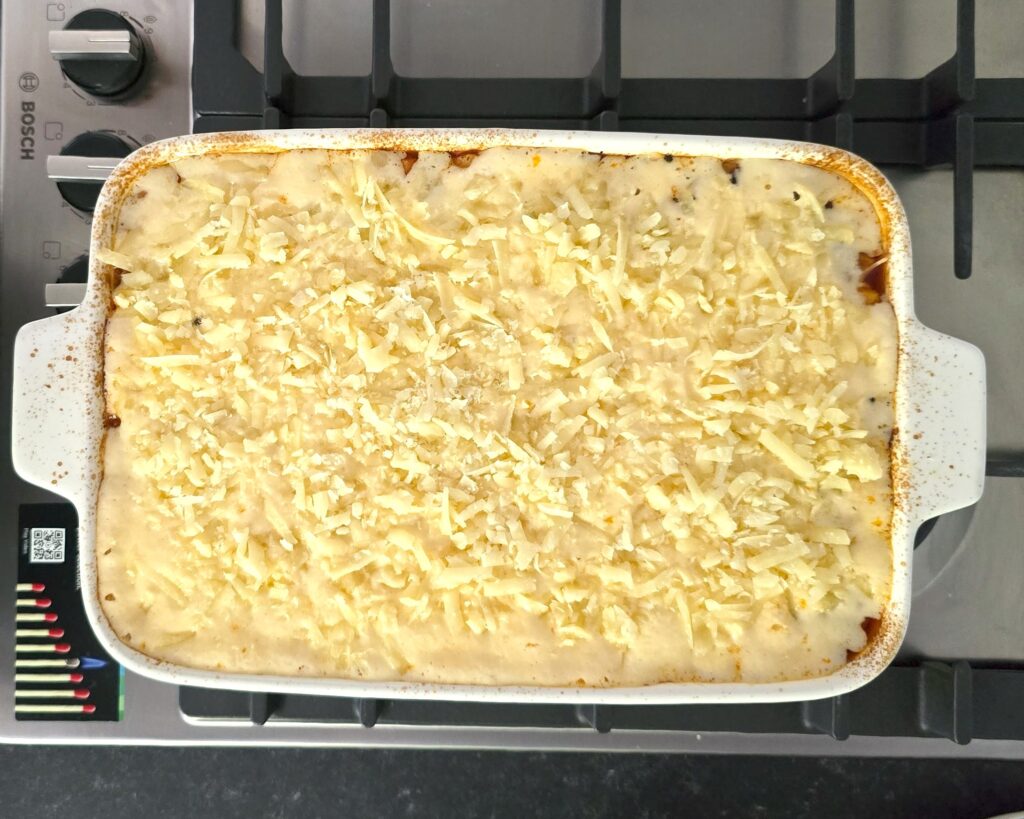
Remove the dish from the oven and gently pour the topping over the moussaka base, using a spatula to spread it evenly. Sprinkle the grated cheese, as shown in the photo on the right below.
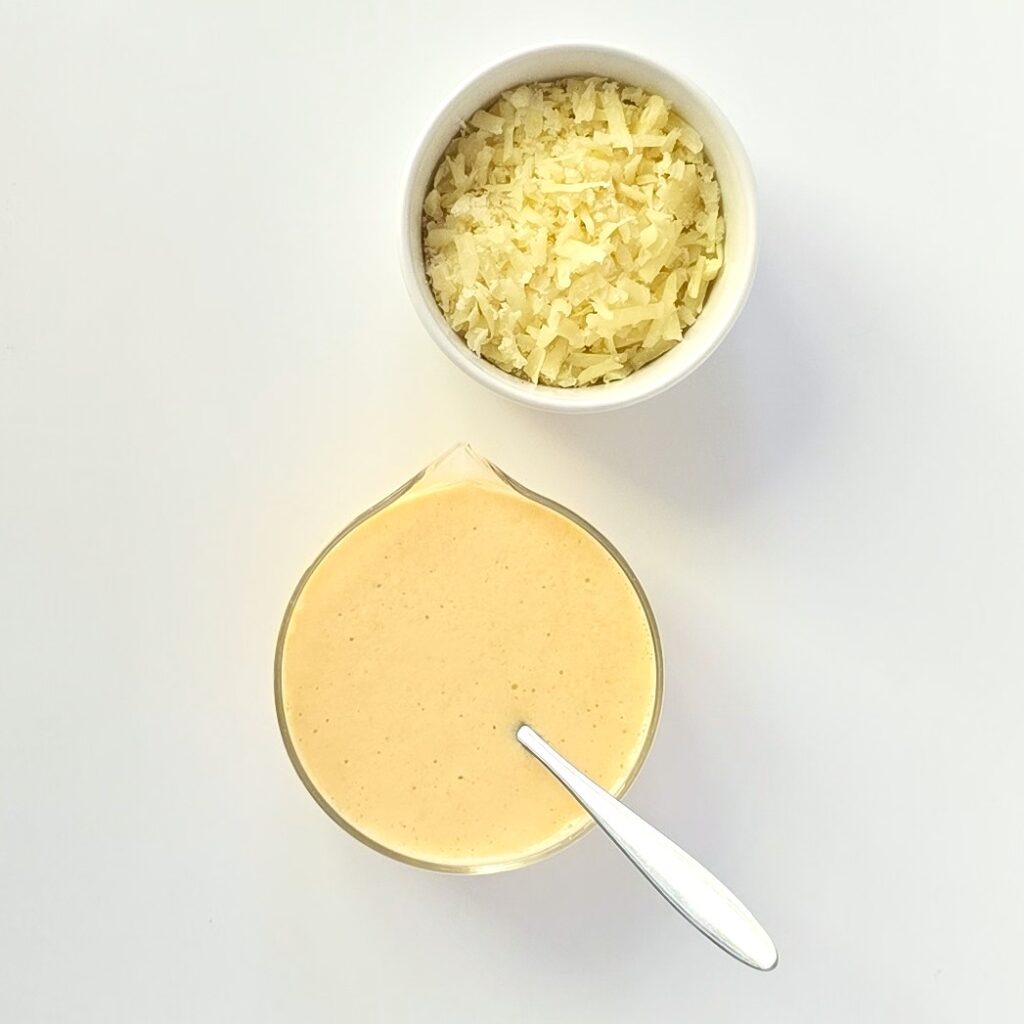
Final Bake
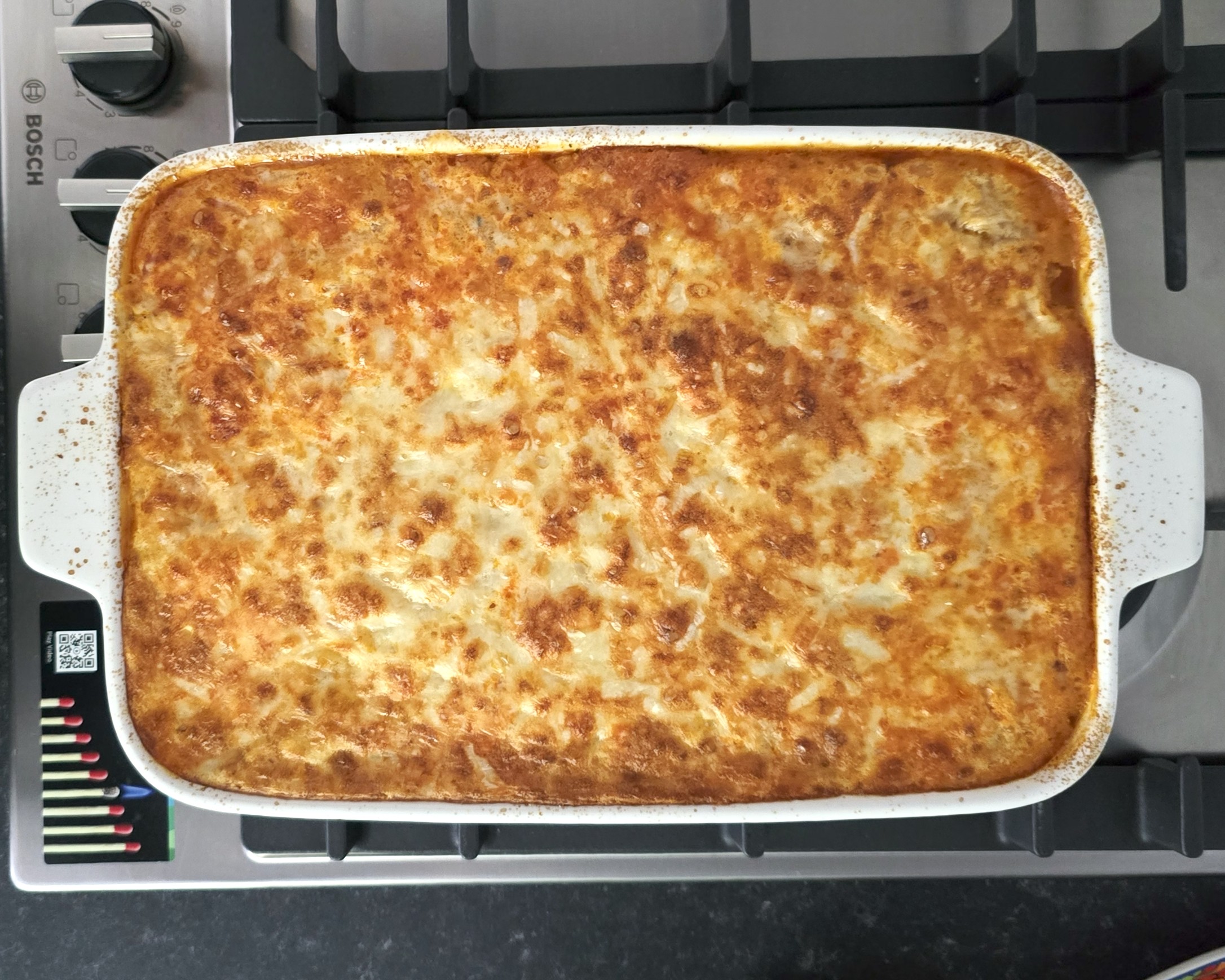
Return the dish to the oven and bake for 15–20 minutes, or until the top is golden, set, and slightly puffed. And that’s it! Your Bulgarian traditional moussaka is ready!
Let It Rest
Allow it to rest for 10–15 minutes before slicing. This helps the layers hold together better.
How to Serve
Serve warm with a dollop of homemade yogurt or a light crunchy side, such as carrot, apple, and beetroot salad, dressed with lemon juice and olive oil. This dish is perfect for both cosy dinners and meal prep.
FAQs
Can’t find an answer? Get in touch →
Can I make Bulgarian Moussaka ahead of time?
Yes! It stores well in the fridge for up to 4 days and tastes even better the next day.
Can I freeze it?
Absolutely. Slice into portions, freeze in airtight containers for up to 2 months, and reheat covered in the oven or microwave.
Can I use lamb mince?
Yes, though it will taste richer. For a traditional Bulgarian flavour, pork or beef is preferred.
What’s the difference between Greek and Bulgarian moussaka?
Bulgarian moussaka uses potatoes instead of aubergines and a yoghurt-based topping rather than béchamel sauce.
How do I make this dairy-free?
Use unsweetened, thick plant-based yoghurt (like coconut or almond) and check that it’s free from gums and fillers.
Can I add more vegetables?
Yes! Courgettes, red peppers, or peas all work well and add nutrients.
Nutritional Value (per serving, yields 6)
Estimated values, based on lean beef and homemade yoghurt
- Calories: 390
- Protein: 24g
- Carbohydrates: 26g
- Sugars: 4g
- Fat: 21g
- Fibre: 4g
- Salt: 1.2g
Fancy a Freebie?
Subscribe for my newsletter
and get your FREE eBook with 7 delicious gluten-free desserts!
*We will only send you gluten-free, lactose-free, refined sugar-free emails; you can unsubscribe anytime. Read our Privacy & Cookie Policy.
How to Make Moussaka – Bulgarian Style Traditional Recipe (Gluten-Free)

Equipment
Ingredients
For the base:
- 600 g Pork meat (or beef) minced
- 900 g Potatoes peeled, cubed
- 1 Onion diced
- 2 Carrots peeled, cubed
- 200 ml Tomatoes blended (fresh or canned tomatoes, passata)
- 1 tbsp Sweet red paprika
- ½ tsp Salt
- ½ tsp Black pepper
- 2 tbsp Extra virgin olive oil or rice bran oil
- 250 ml Bone broth or warm water
For the topping:
- 2 Eggs beaten
- 200 g Yogurt Greek or homemade
- 100 g Eatlean lactose-free cheese – original grated
- pinch Salt
- 1 tbsp Rice flour optional
- ½ tsp Baking soda
Instructions
- Preheat oven to 200°C / 390℉
- In a deep pan or pot, sauté onion, garlic, carrot and tomatoes in oil for about 10 min on a medium heat. Add a splash of water. Stir occasionally.
- Add meat and brown it.
- Stir in paprika, chubritsa (savoury) or oregano and broth.
- Simmer for about 10 mins.
- Fold in potatoes. Transfer to a deep baking dish.
- Bake for about 40–50 min.
- Whisk toppings and pour over. Spread the cheese.
- Bake 15–20 min.
- Let rest 10–15 min.
- Serve with salad or yoghurt.
- Enjoy!
Notes
YourDani x x
Nutrition

Mention @deglutenistanutrition and tag #deglutenistanutrition — you’ll make my day! 🌿✨

Thank you for stopping by! I’m Dani!
nutrition student | Healthy Live Promoter | Gluten-free recipe developer
Welcome to DeGlutenista Nutrition!
Your visit really means the world to me. I’m happy to share simple, nourishing gluten-free recipes and practical food tips focused on gut health and clean eating, all with an emphasis on reducing ultra-processed ingredients.
My approach is simple: practising mindful eating, regardless of food sensitivities, can be both tasty and healthy.