

The Ultimate Guide to Cooking Methods – How to Keep Most Nutrients?

Cooking is more than just heating food—it’s an art, a science, and a foundation of healthy living. As someone passionate about nourishing the body with wholesome, gluten-free, lactose-free, and refined sugar-free meals, I often get asked: Which cooking method is the healthiest? Does pressure cooking kill nutrients? Is roasted better than boiled?
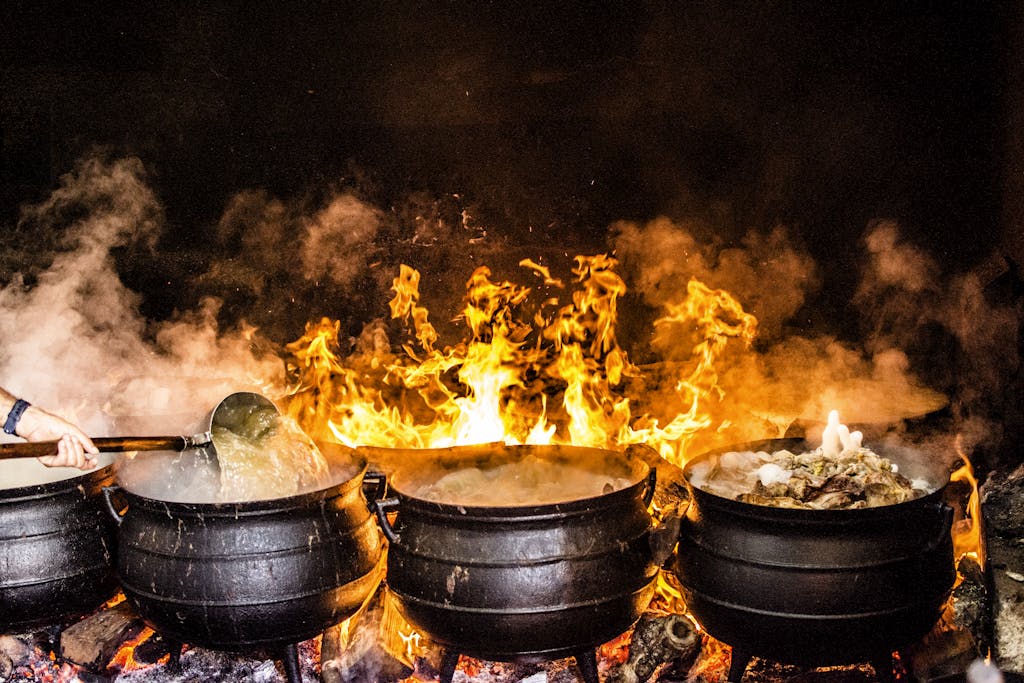
So, let’s discuss the most common cooking methods I use on the blog and how they impact food’s nutritional profile, flavour, and texture. This post will help you choose the proper method for each dish and understand why I often combine techniques in my recipes.
Why Cooking Method Matters
How we cook food can significantly impact its nutrient content, especially heat-sensitive vitamins like vitamin C and B-complex or delicate antioxidants found in vegetables and herbs. Cooking also affects flavour, digestibility, and even glycaemic response, so it’s essential to holistic nutrition.
1. Boiling
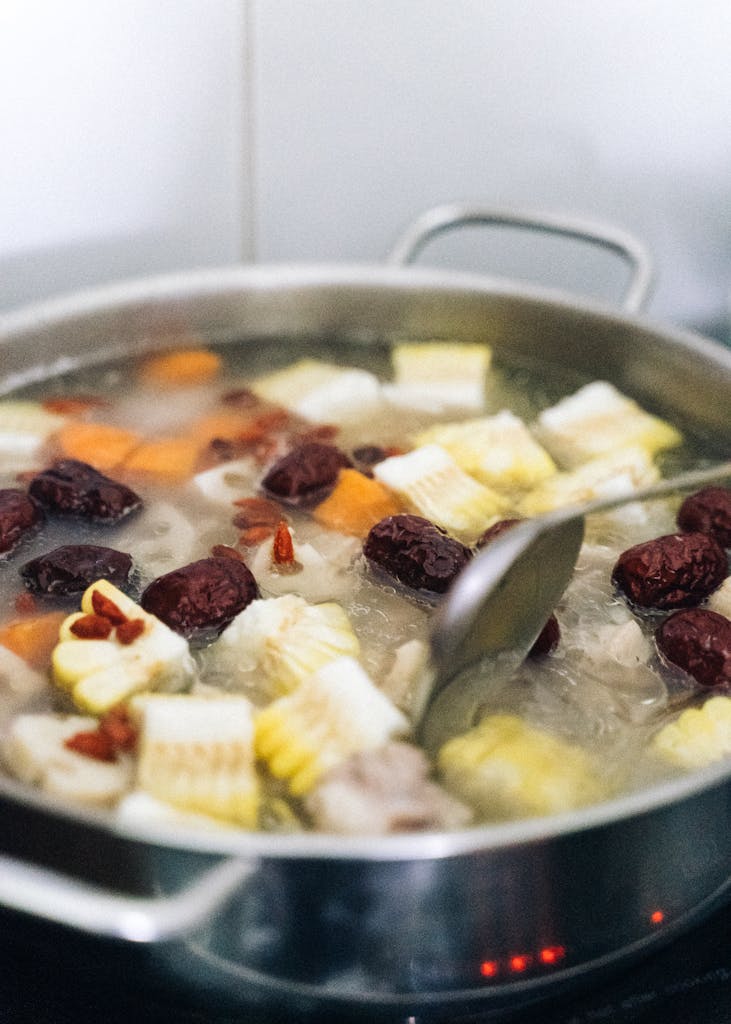
How it works: Ingredients are fully submerged in water and cooked at 100°C (212°F).
Nutritional effect: Boiling can cause water-soluble vitamins (especially vitamin C and B vitamins) to leach into the cooking water. Unless you’re consuming the broth (like in soups or stews), a good amount of nutrients can be lost this way. Minerals such as potassium and magnesium can also leach out.
When I use it: For soup bases like Vegetable Soup, Lentil Soup, and boiled meats in recipes like Chicken Fricassee.
Pro tip: Use the cooking liquid! In broths, nothing is wasted—nutrients, flavour, and all.
Source: McCance and Widdowson’s The Composition of Foods and a study in the Journal of Food Science (2009) confirm significant vitamin loss through boiling, especially when discarding the water.
2. Steaming
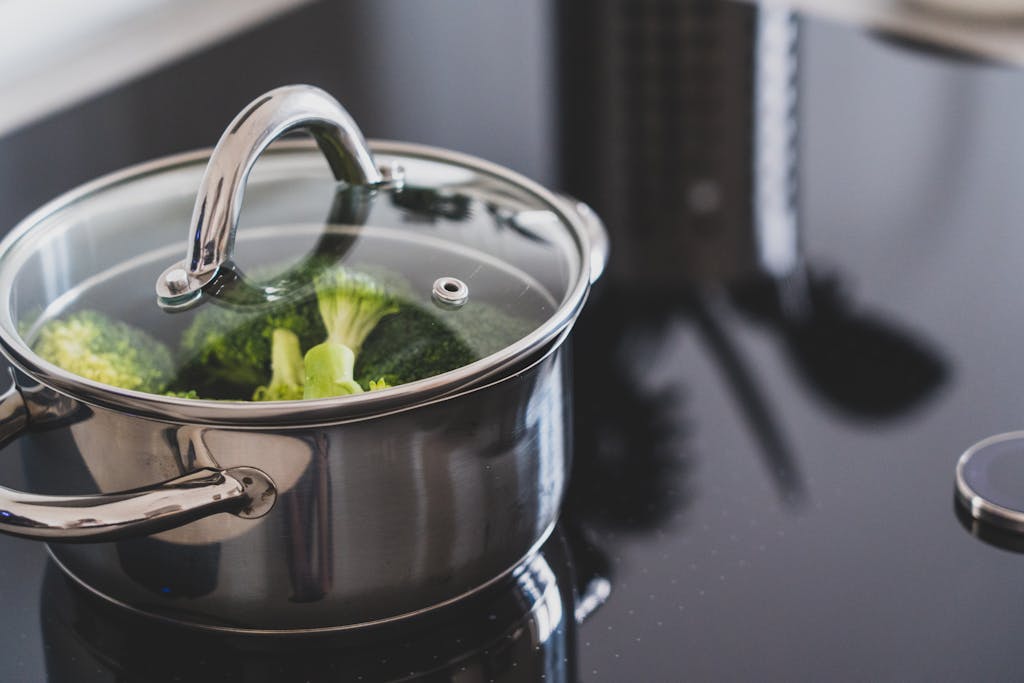
How it works: Food is cooked above boiling water using steam, without direct contact with liquid.
Nutritional effect: One of the gentlest methods, steaming retains most vitamins and minerals, especially in vegetables like broccoli, spinach, and carrots. It also preserves colour, texture, and taste.
When I use it: It is ideal for quick vegetable sides or prepping for freezing meals, baby food, and gut-friendly soft meals.
Pro tip: Steam veggies until just fork-tender to keep their crunch and nutrients.
Source: Harvard T.H. Chan School of Public Health highlights steaming as one of the healthiest cooking methods.
3. Roasting / Baking
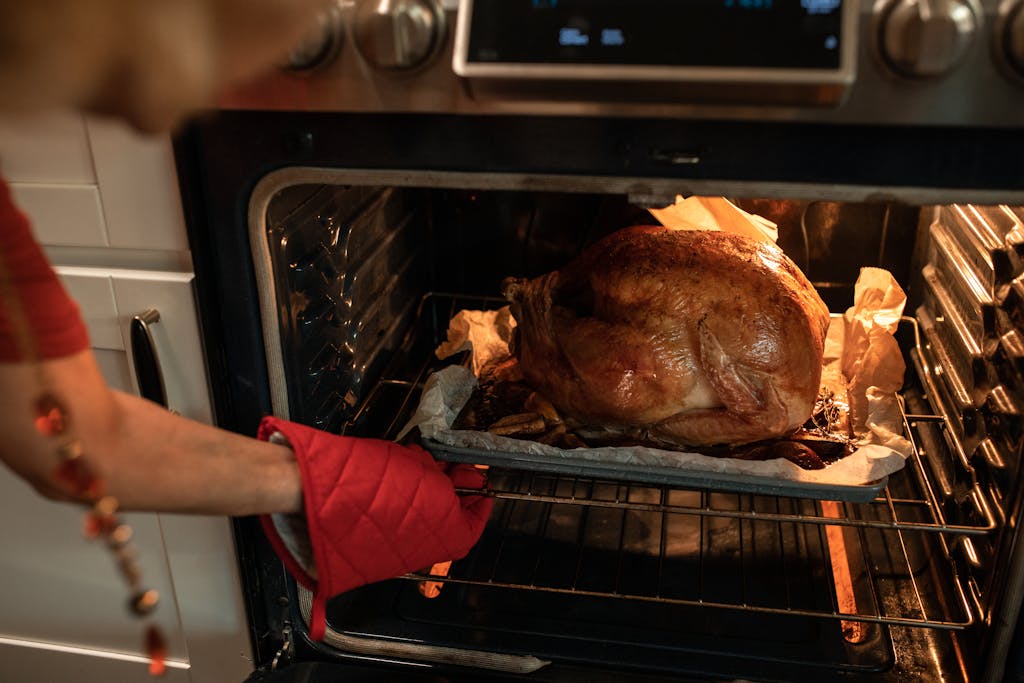
How it works: Uses dry heat in the oven, usually between 160–220°C (320–430°F).
Nutritional effect: Baking and roasting cause minimal vitamin C loss but can degrade some antioxidants with longer cooking. However, dry heat helps concentrate flavours and may enhance the availability of specific nutrients (like lycopene in tomatoes or beta-carotene in carrots).
When I use it: For flavour-rich mains like Oven-Baked Pork Chops, Courgette Lasagna, or veggie trays.
Pro tip: Toss your veggies in a heart-healthy oil (like rice bran or olive oil) and roast them with herbs for extra taste and improved fat-soluble vitamin absorption.
Source: Journal of Agricultural and Food Chemistry (2002) reported increased antioxidant activity in baked and roasted tomatoes.
4. Sautéing / Stir-Frying
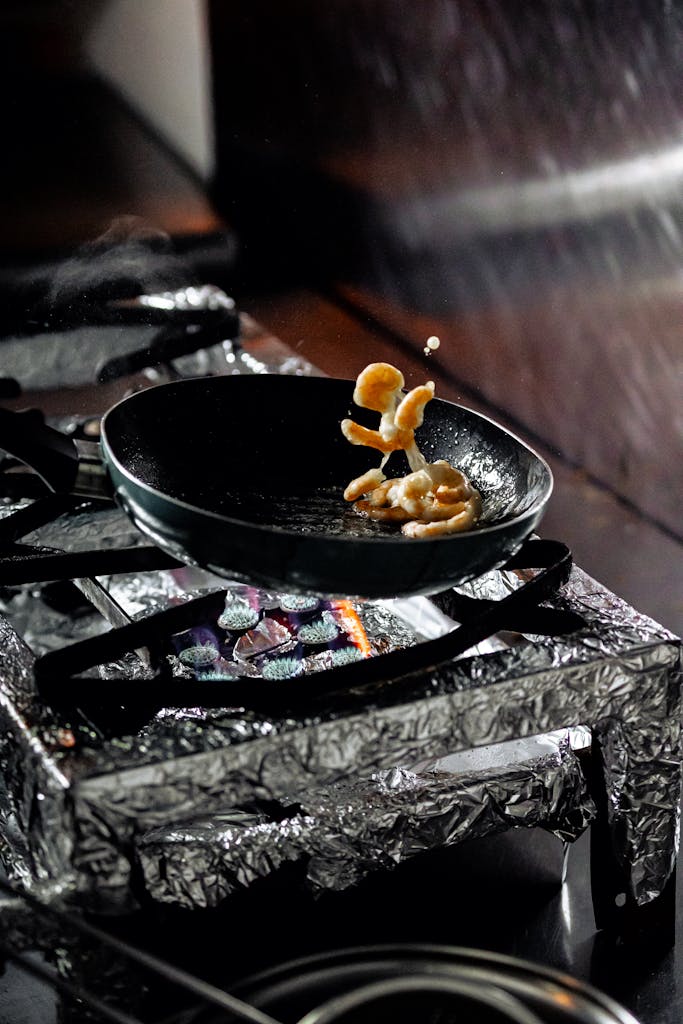
How it works: A quick method where food is cooked in a small amount of fat at high heat.
Nutritional effect: Quick cooking is great for retaining vitamins. However, overheating oil or overcooking can lead to loss of B vitamins and the formation of harmful compounds. Stable oils like rice bran, avocado, or cold-pressed olive oil make a big difference.
When I use it: It is the base for most of my dishes—garlic and onion sautéed with spices. It is perfect for stir-fried greens and lean proteins.
Pro tip: Add a splash of water to lower the cooking temperature and create a mild steam effect to protect nutrients.
Source: Nutrition and Health (2020) study shows short sautéing retains more nutrients compared to boiling.
5. Pressure Cooking (Including Instant Pot)
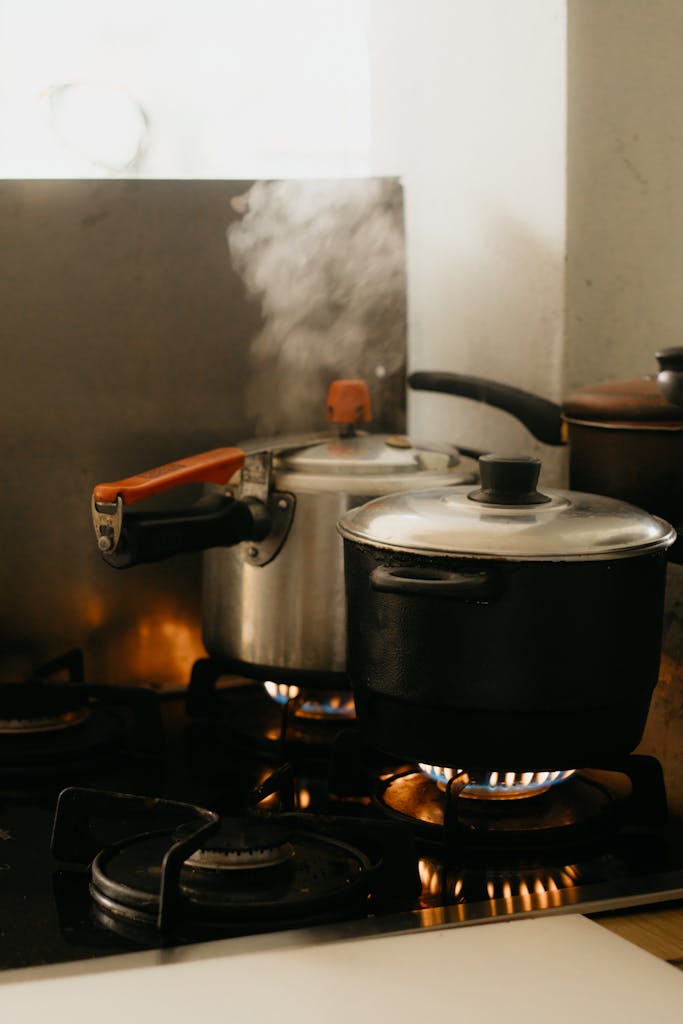
How it works: Cooks food under high pressure and steam at temperatures up to 120°C (248°F), significantly reducing cooking time.
Nutritional effect: Although high temperature is involved, shorter cooking time actually protects many vitamins. Studies show that pressure cooking preserves vitamin C better than boiling and enhances protein digestibility in legumes and meat.
When I use it: In soups and stews, or to prepare tender meat quickly, like in my Instant Pot Chicken and Turkey Meatball Soup or Vegetable Soup.
Pro tip: Avoid overcooking; cooking for a few minutes too long can turn veggies mushy. Use natural pressure release for the best texture.
Source: Food Chemistry (2015) review shows pressure cooking retains more nutrients than boiling or microwaving.
6. Grilling / Broiling
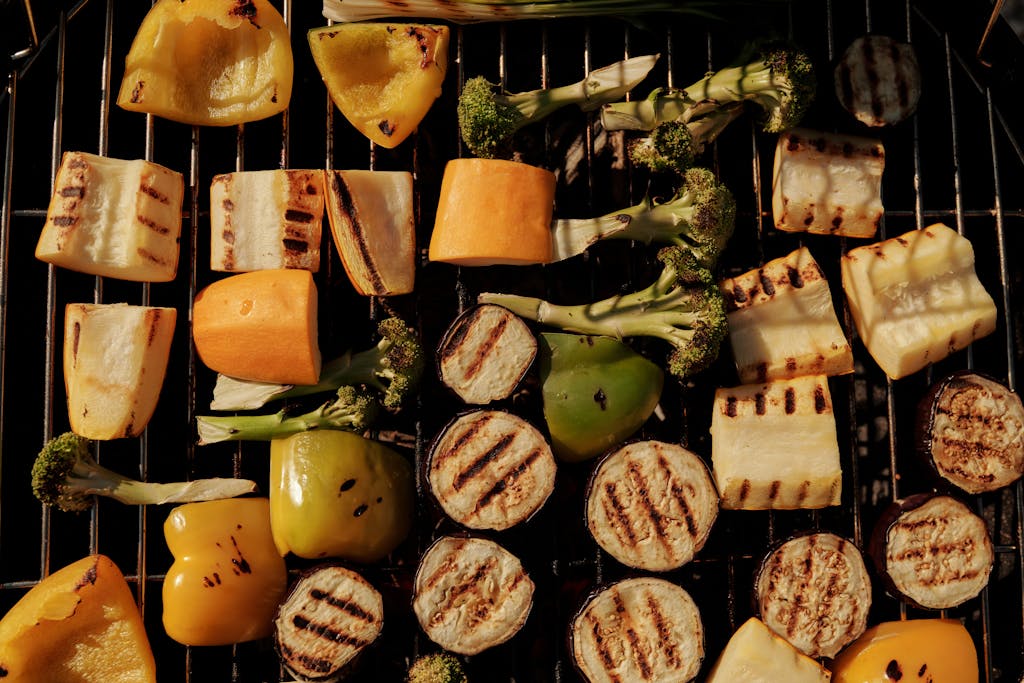
How it works: Uses direct, high heat from above (broiling) or below (grilling), cooking quickly.
Nutritional effect: Great for locking in flavour with minimal fat, but high heat can form heterocyclic amines (HCAs) and polycyclic aromatic hydrocarbons (PAHs), which may be harmful in excess.
I use it for meats like grilled salmon with pistachios. I often pair it with marinated veggies or fresh salads to balance potential oxidative stress.
Pro tip: Pre-marinate with lemon, herbs, and garlic—the antioxidant compounds can reduce harmful chemical formation.
Source: National Cancer Institute outlines how marinating and flipping often reduce HCA/PAH formation.
7. Slow Cooking
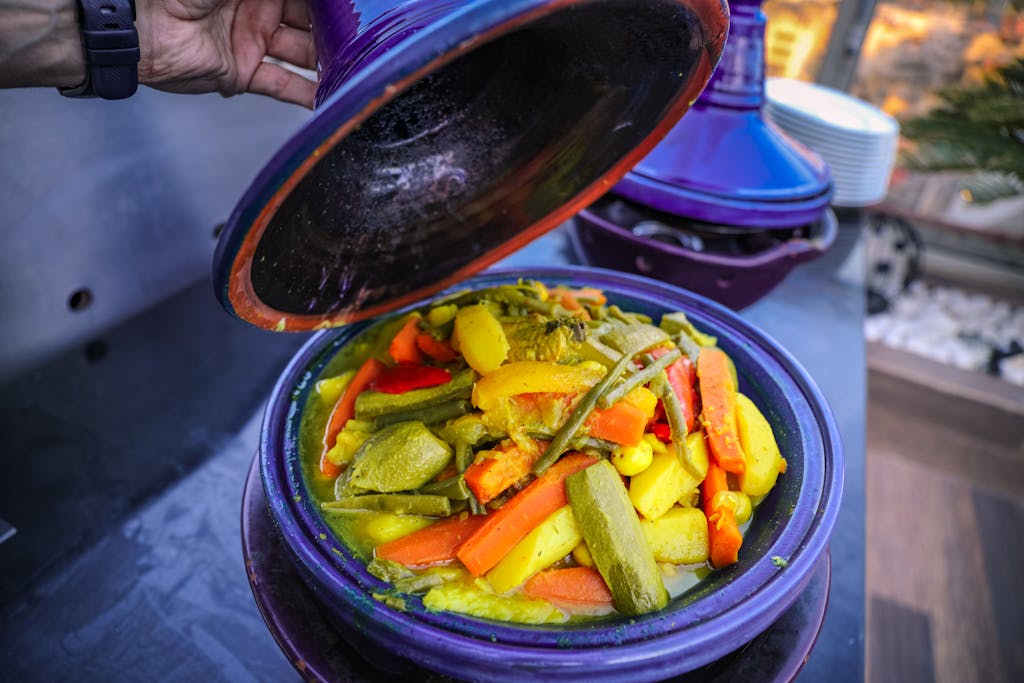
How it works: Cooks food at low temperatures over a long period, often 6–8 hours.
Nutritional effect: Low heat causes minimal nutrient loss. It is great for tougher cuts of meat and legumes. It allows flavours to deepen and ingredients to soften.
When I use it: For batch cooking and comforting dishes with lentils, beans, or bone-in meats.
Pro tip: Ideal for gut-healing broths and one-pot meals. Keep the lid on to retain steam and nutrients.
Source: Studies in Advances in Nutrition show that long, moist-heat cooking methods preserve nutrients and improve the bioavailability of collagen and gelatin.
What for What – Which Is Best?
There is no “one best method.” It all depends on the ingredient and the recipe. For example:
- For vitamin-rich vegetables: steaming or quick sautéing works best.
- For tough meats, pressure or slow cooking is more efficient and nutrient-preserving.
- For deep flavours: roasting or baking concentrates taste and improves texture.
- For light, refreshing soups, boiling with broth works beautifully if you consume the liquid.
As a rule of thumb, always pair your cooking method with your nutritional goals. My blog is full of recipes that combine these techniques—like sautéing aromatics and then pressure-cooking the rest for both flavour and nutrition.
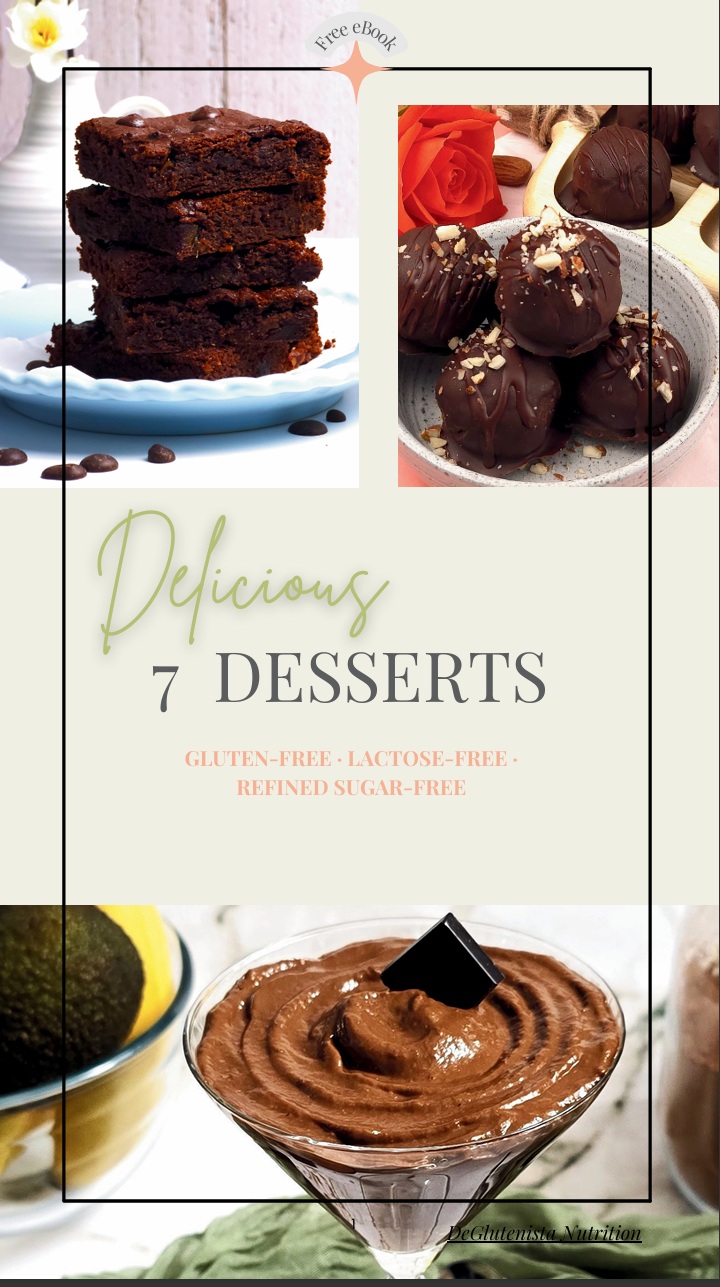
Fancy a Freebie?
Subscribe for my newsletter
and get your FREE eBook with 7 delicious gluten-free desserts!
*We will only send you gluten-free, lactose-free, refined sugar-free emails; you can unsubscribe anytime. Read our Privacy & Cookie Policy.

Thank you for stopping by! I’m Dani!
nutrition student | Healthy Live Promoter | Gluten-free recipe developer
Welcome to DeGlutenista Nutrition!
Your visit really means the world to me. I’m happy to share simple, nourishing gluten-free recipes and practical food tips focused on gut health and clean eating, all with an emphasis on reducing ultra-processed ingredients.
My approach is simple: practising mindful eating, regardless of food sensitivities, can be both tasty and healthy.