
How to Make and Use Almond Flour, Meal and Pulp

When I started experimenting with gluten-free baking a while ago, I came across almond flour, then almond meal – what is that?? and recently almond pulp. I’d say that I’ve discovered a whole new world and continue to learn new things, such as deflated almond flour – I didn’t know such a thing existed until recently.
Make the Most of Every Nut – Uses, Nutrition & Gluten-Free Recipes
In my blog, you will find a range of Gluten-free baking sweet recipes with almond flour or almond meal, all in different shapes and consistencies, from fluffy and moist muffins to lush and crumbly cakes.
In addition, my passion for whole foods and zero waste makes me consider almonds’ real value, whether as whole nuts, flour, meal, or especially in their nutrient-rich almond pulp, which is often discarded.
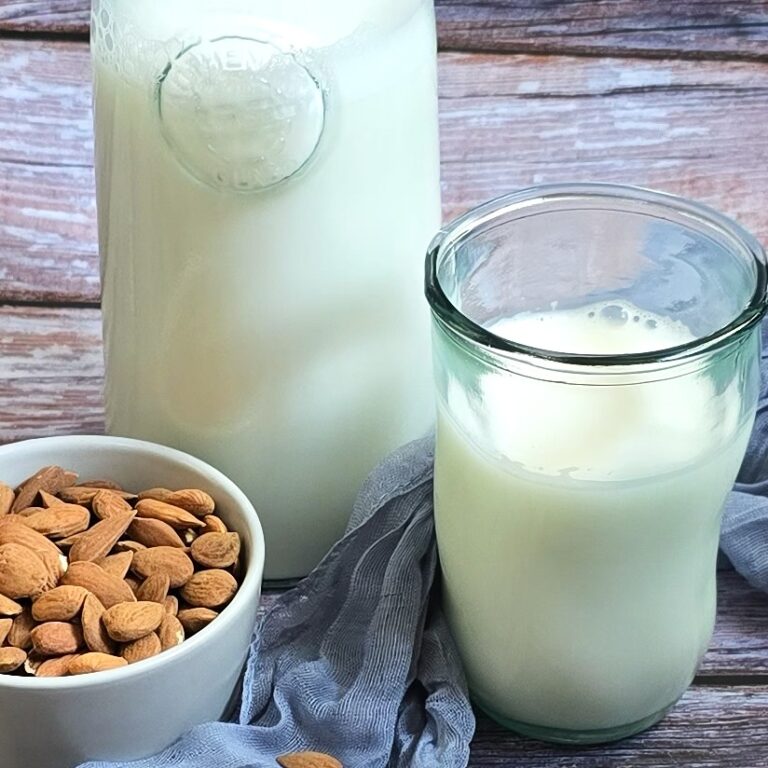
So, are you regularly making homemade almond milk, just like me, but don’t know what to do with the pulp? I got you very well, because I was there. It turns great in many no-bake gluten-free recipes, as well as savoury crackers – coming soon.
So, if you are looking for how to make and bake with almond flour meal or pulp, there’s something for everyone. Let’s dive deeper!
What’s the Difference Between Almond Flour, Meal, and Pulp?
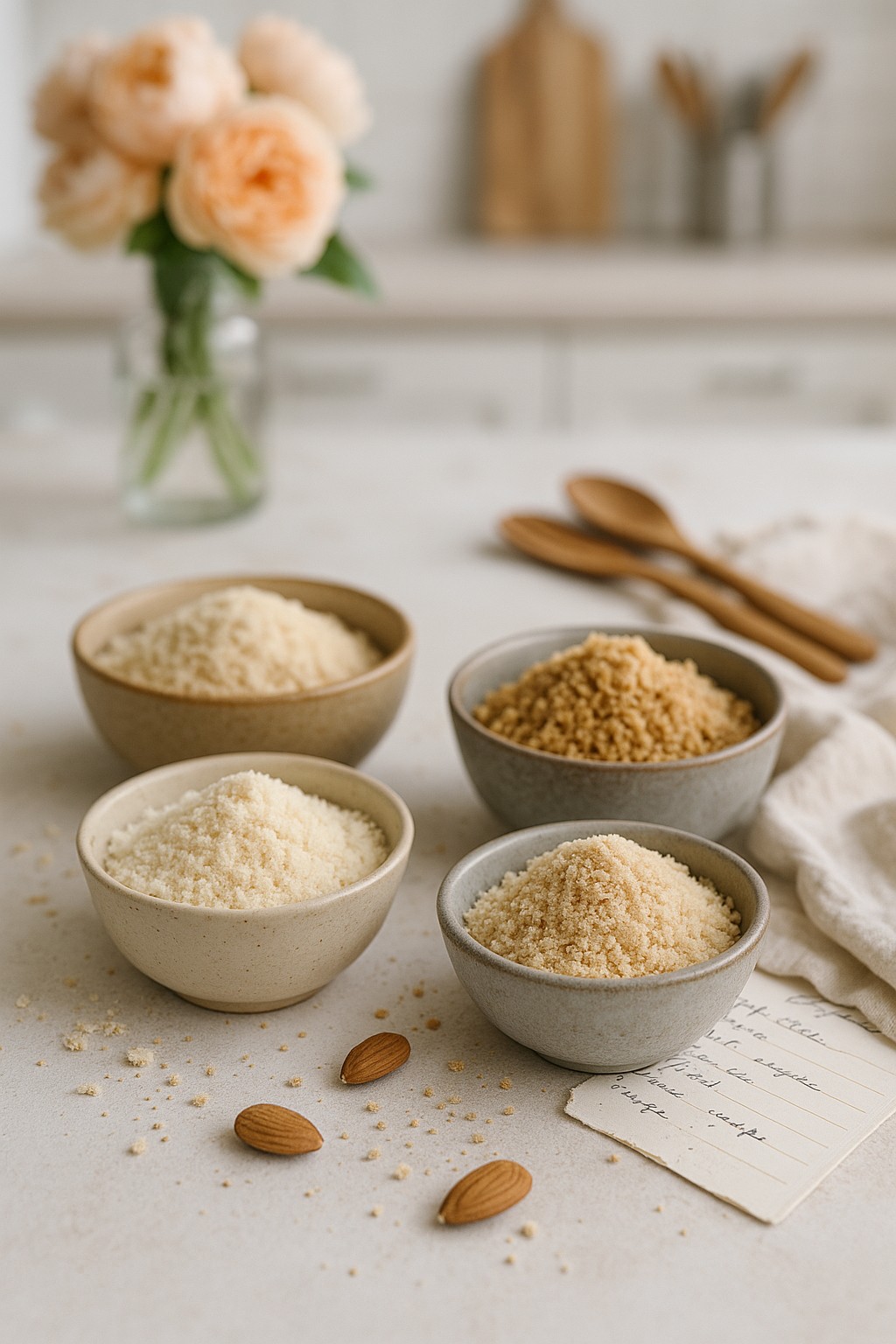
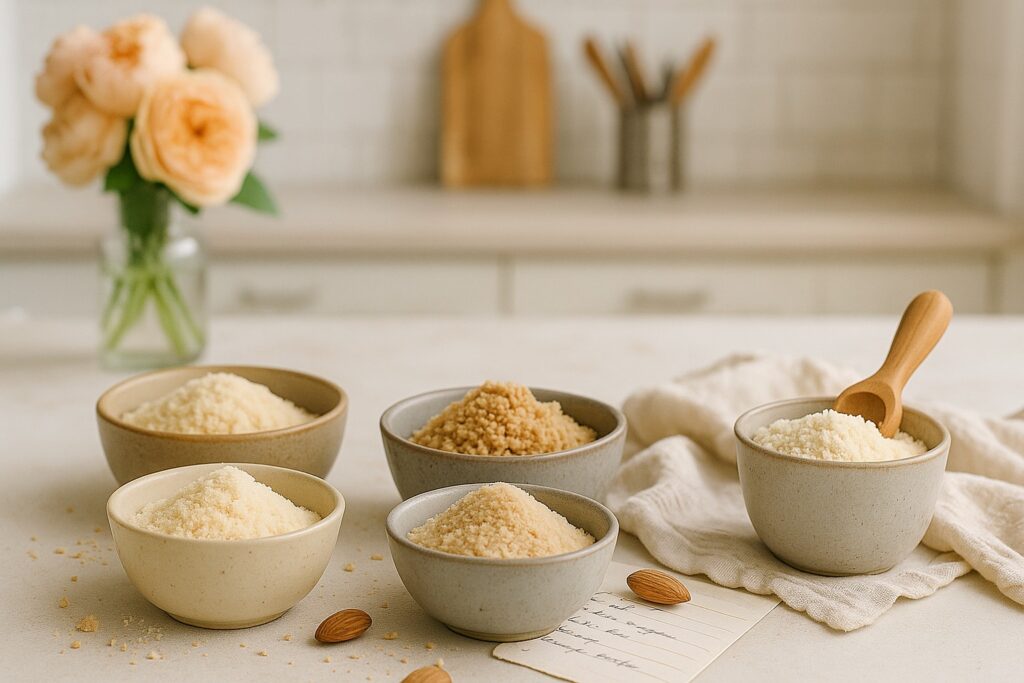
Almond Flour is made from blanched almonds with the skins removed, then finely ground to a powdery texture. It’s light and fluffy, perfect for cakes, cookies, and delicate pastries.
Almond Meal is usually ground from raw almonds with the skins on, giving it a speckled, coarse texture. It’s heartier and adds more texture—great for rustic baking, coatings, and savoury dishes.
Almond Pulp is the leftover fibrous mash from homemade almond milk. It’s moist, subtly nutty, and mildly sweet. You can use it fresh, dry it to make a flour substitute, or freeze it in portions for later use. It’s a goldmine for low-waste recipes!
Tip! The process of making almond milk results in the pulp losing most of its fat, making it feel drier, lighter, and darker. When using almond meal made from leftover pulp in recipes that call for traditional almond meal, it’s almost always necessary to add fat in order to compensate.
Nutritional Comparison
| Nutrient (per 28g/1oz) | Almond Flour | Almond Meal | Almond Pulp (Fresh) |
|---|---|---|---|
| Calories | ~160 kcal | ~160 kcal | ~40–60 kcal |
| Protein | 6g | 6g | 1–2g |
| Fat | 14g | 14g | 1–3g |
| Fibre | 3g | 4g | 2–3g |
| Carbs | 6g | 6g | 3–5g (varies) |
| Vitamin E | High | High | Moderate |
| Magnesium | Rich | Rich | Lower |
How to Make Almond Flour, Almond Meal, and Almond Pulp at Home
Before we dive into how to, let’s consider a few things. Almond Flour: Store-Bought vs Homemade – Which One’s Right for You?
The Quality:
Choosing the Best Store-Bought Almond Flour in the UK
When shopping for almond flour in the UK, look for finely ground, blanched almond flour—ideal for smooth batters, delicate baked goods, and gluten-free recipes. The best options will clearly state 100% almonds on the label, with no added sugars, starches, or preservatives. For those with coeliac disease or gluten sensitivity, always choose a product labelled certified gluten-free.
Top UK brands such as RealFoodSource, Grounded, Buy Whole Foods Online, or Infinity Foods offer reliably fine textures and consistent quality. Be mindful of the difference: almond flour (from blanched almonds, skin removed) is lighter and better for baking, while almond meal (ground whole almonds) is coarser and better for crumbles or coatings.
To ensure freshness, choose almond flour packaged in resealable pouches or store it in an airtight container in the fridge or freezer once opened, as its natural oils can go rancid. For both quality and sustainability, seek out almond flour made from European-grown or Californian almonds, and when possible, support organic-certified products from trusted UK health food stores or online suppliers.
The Cost:
Homemade vs. Store-Bought: Is It Worth Making Your Almond Flour?
In the UK, store-bought almond flour typically ranges from £1.80 to £3.50 per 100g, depending on the brand, origin, and whether it’s organic or gluten-free certified. Bulk options can reduce the price to approximately £1.20 – £1.60 per 100g, especially from wholesalers such as Real Food Source, Wholefood Earth, or Buy Whole Foods Online.
In contrast, making almond flour at home from whole, blanched almonds can be more cost-effective, especially if you buy almonds in bulk. For example, a 1kg bag of whole, blanched almonds from a reliable supplier costs around £7.50 – £9.00, yielding approximately 900g of homemade almond flour after grinding, which brings the cost down to roughly £0.85 – £1.00 per 100g.
However, homemade almond flour is best used for rustic or heartier bakes, as it’s often slightly coarser unless processed with a powerful blender or food processor. For ultra-fine texture or consistent results in delicate cakes, store-bought may still be the better choice.
Ultimately, the decision comes down to how much you bake, the equipment you have, and whether you prefer complete control over your ingredients. So, next time you look for the best ingredients, you can make an informed choice following the guide below:
| Option | Pros | Cons | Best For |
|---|---|---|---|
| Store-Bought | ✔ Ultra-fine texture✔ Ready to use✔ Consistent results✔ Often gluten-free certified | ✘ More expensive✘ Less control over freshness or origin | Delicate cakes, macarons, pastry |
| Homemade | ✔ Budget-friendly when buying almonds in bulk✔ Full ingredient control✔ Great for rustic baking | ✘ May be coarser unless finely ground✘ Needs a food processor or blender | Muffins, crumbles, coatings, energy balls |
Almond Flour (Blanched):
Steaming vs. Boiling: Which Preserves More Nutrients?
While boiling almonds is the traditional method for blanching and removing the skins, steaming is considered a gentler technique that may help preserve more heat-sensitive nutrients such as B vitamins and certain antioxidants. Boiling can cause some water-soluble nutrients to leach out into the water, especially if the almonds are left in for too long.
If you’re aiming to retain maximum nutritional value, as shown above, particularly for recipes focused on raw or minimally processed foods, steaming the almonds for 2–3 minutes until the skins loosen may be a better choice. Once steamed, the skins can be removed in the same way as with boiled almonds. However, steamed almonds must also be fully dried before grinding to prevent clumping in the flour or meal.
Method:
- Boil almonds for 60 seconds. Or steam for 2-3 minutes.
- Drain or remove the steaming basket and slip off the skins.
- Dry completely (air-dry or oven at 80°C/175°F).
- Blend in a high-speed blender until fine.
- Sift to remove coarse bits (optional).
My Fav Recipes Using Almond Flour:
- Lemon Almond Sponge Cake
- Gluten-Free Banana Muffins
- Gluten-Free Chocolate Banana Bread
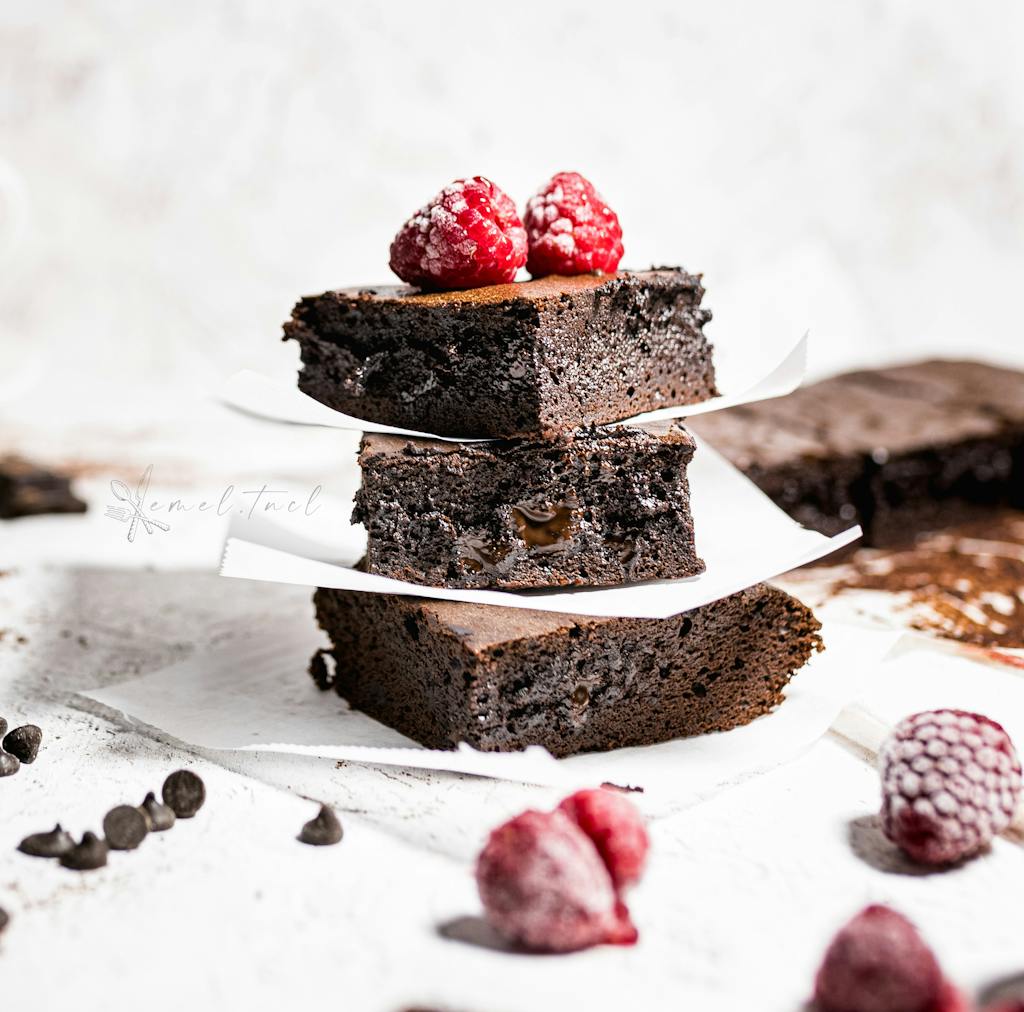
- Gluten-free brownies
Almond Meal (Unblanched):
- Skip the blanching.
- Blend whole raw almonds until you reach a fine, sandy consistency.
- Avoid over-blending to prevent nut butter.
Recipes Using Almond Meal:
- Almond meal banana bread
- Rustic apple and walnut cake
- Savoury herbed almond crackers
- Spiced pear and almond upside-down cake
- Almond meal granola clusters
- Gluten-free carrot cake with almond meal
Almond Pulp:
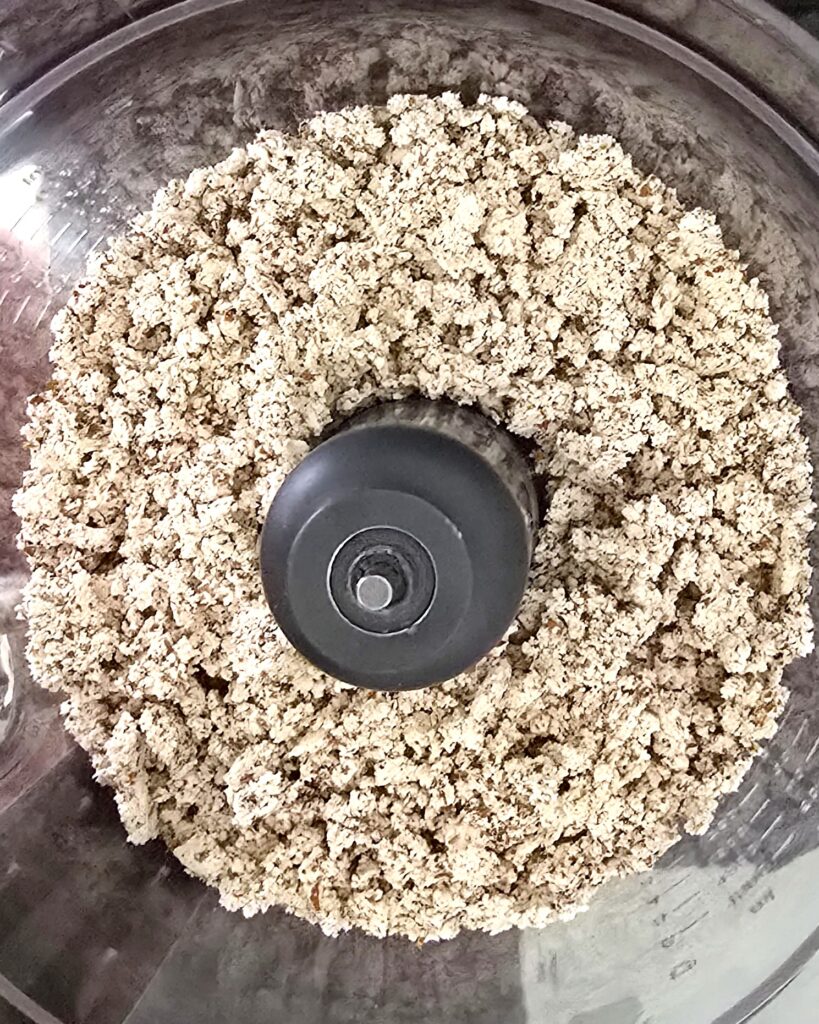
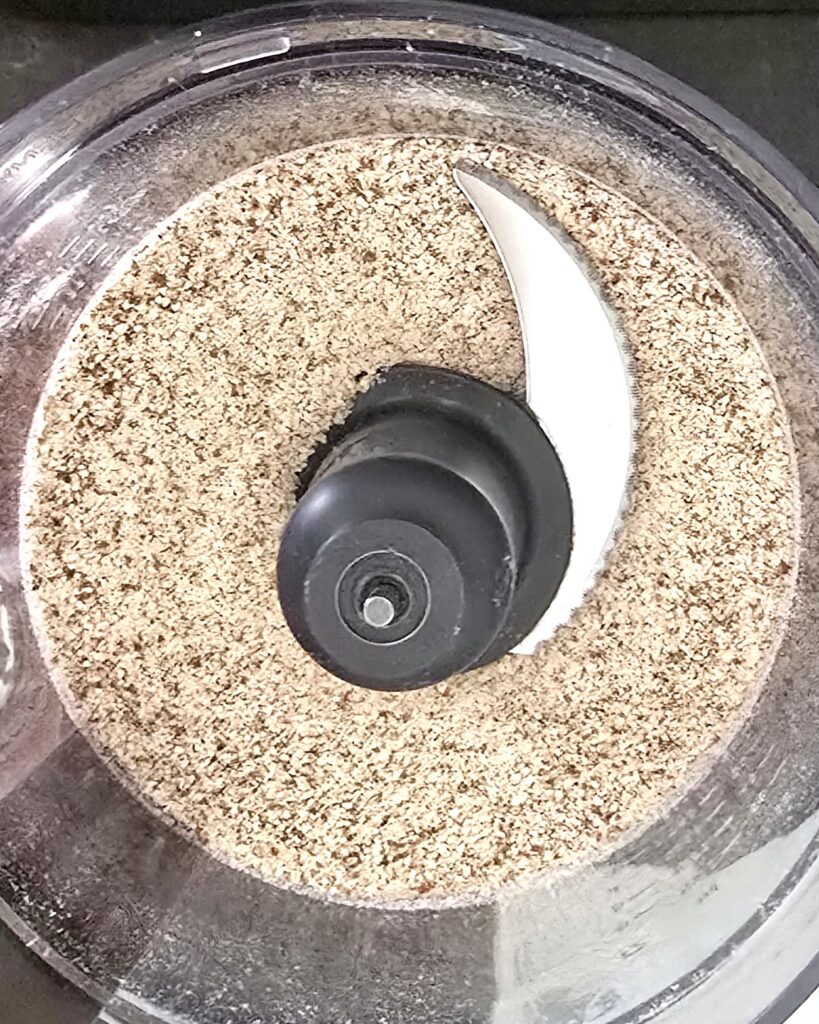
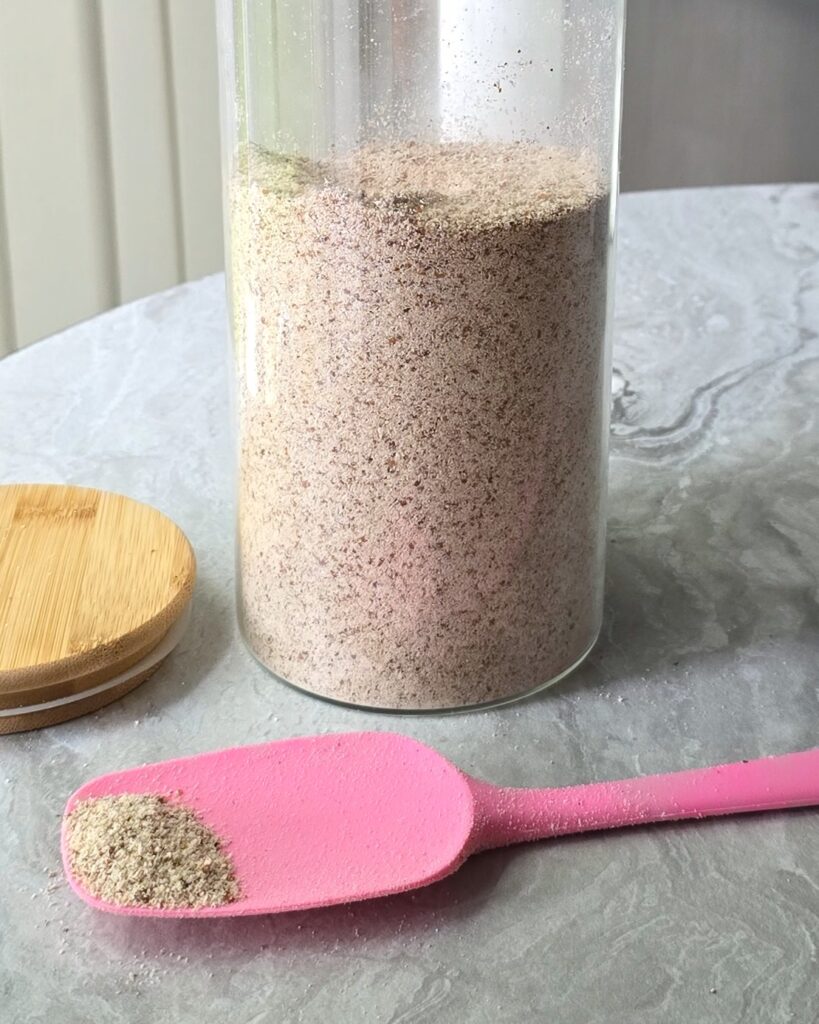
It is usually the remnants of Homemade Almond Milk. Simply keep them wet in the fridge or dry them in the oven, then blend them in a food processor to achieve a flour-like consistency.
Recipes Using Raw Almond Pulp:
To Dry Almond Pulp for Flour Substitute:
Spread on a baking sheet and dehydrate at 80°C (200°F) for 2–2 1/2 hours or until fully dry.
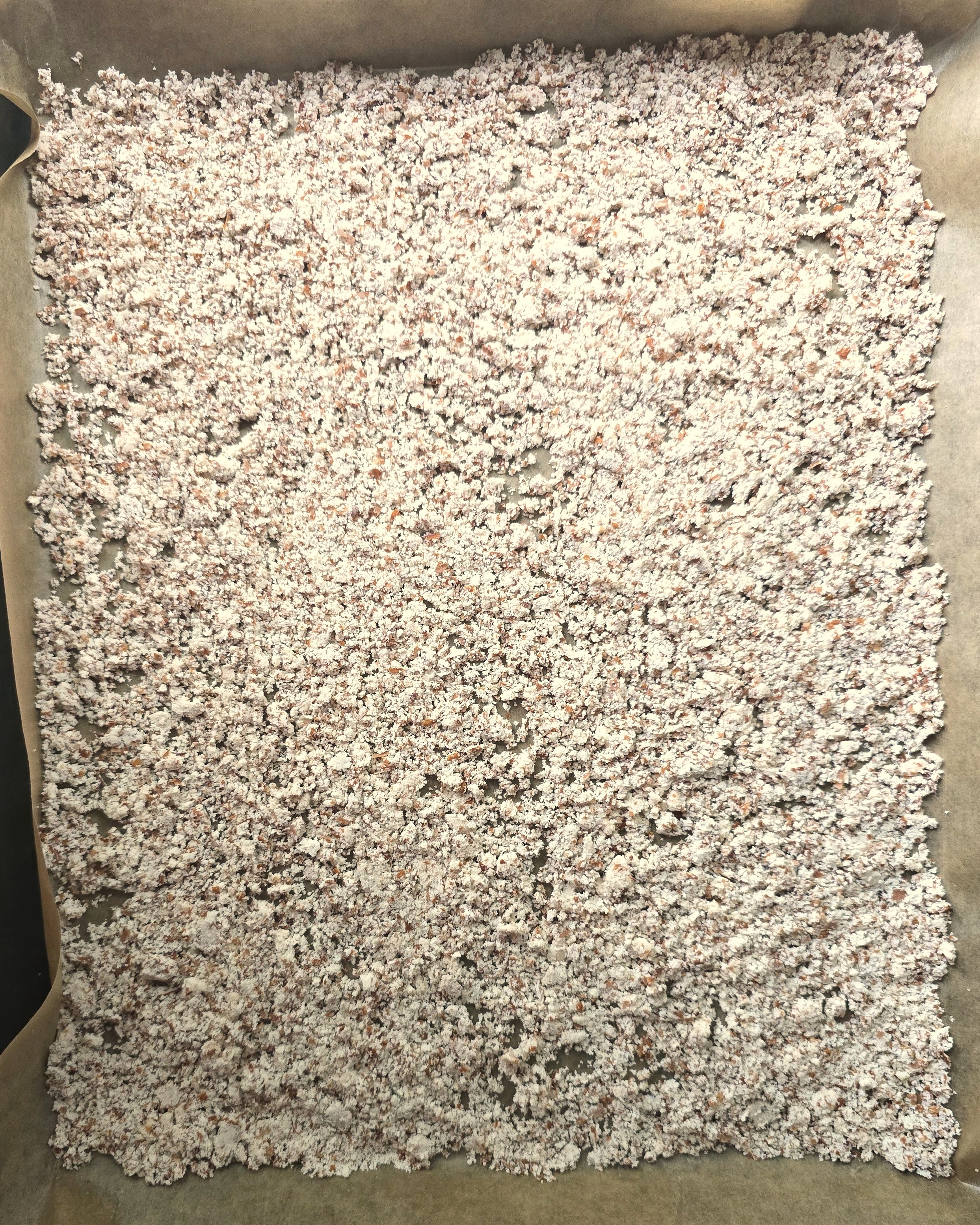
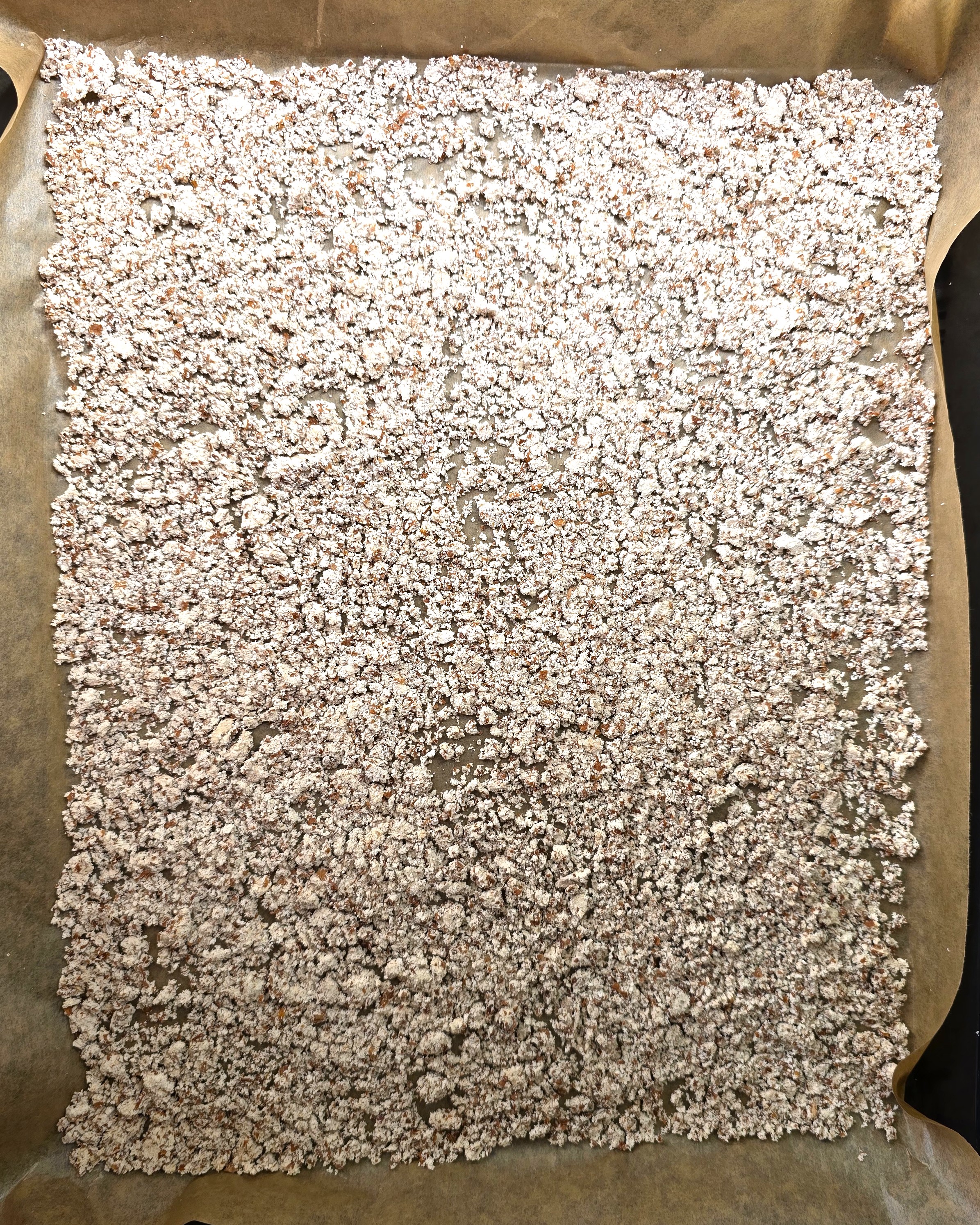
Step 2: Pulse in a food processor (or spice grinder) until flour-like. Store in an airtight container.
Recipes Using Dried Almond Pulp:
- Almond pulp porridge with dates and cinnamon
- No-bake almond pulp snack bars
- Almond pulp Chia yoghurt truffles
- Gluten-free pulp crackers with herbs
- Almond pulp banana oat muffins
FAQ: Almond Flour, Meal & Pulp
1. Can I substitute almond meal for almond flour in baking?
Yes, but expect a coarser texture. Almond meal includes the skins, which can make baked goods denser and less delicate. It works best in rustic recipes, such as muffins, pancakes, or energy bars.
2. What’s the best way to store almond flour, meal, or pulp?
Keep almond flour and meal in an airtight container in the fridge or freezer to prevent rancidity. I would recommend using almond pulp within 2–3 days or freezing in small portions for later use. It doesn’t last long in the fridge due to its high water concentration.
3. Is almond flour keto-friendly?
Yes! Almond flour is low in carbs and high in healthy fats and protein, making it a staple in keto baking. Just be mindful of portion sizes as it’s calorie-dense.
4. What can I do with leftover almond pulp?
Don’t toss it! Use almond pulp in crackers, veggie burgers, muffins, dips, or mix it into oatmeal for a fibre boost. You can also dry it and use it as a flour alternative.
5. Is it better to steam or boil almonds for making flour?
Steaming is gentler and helps preserve more nutrients compared to boiling, especially heat-sensitive vitamins like those in the B-complex group. Just ensure the almonds are thoroughly dried before grinding.
6. Can I make defatted almond flour at home?
Not easily. Defatted almond flour is a by-product of commercial almond oil production. You can mimic it slightly by drying out fresh almond pulp, but it won’t have the same protein or fat profile.
7. What’s the main difference in baking with defatted almond flour?
It’s much more absorbent and drier, so you’ll need to increase liquids or fats and reduce the quantity slightly to avoid overly dry bakes.
In Conclusion
Every batch of almond milk you make at home gives you a free ingredient—almond pulp! Combined with the versatility of almond flour and almond meal, you can create an entire pantry of naturally gluten-free, wholesome recipes without a scrap of waste.
I’ve tested these recipes repeatedly to ensure they’re delicious, fool-proof, and aligned with my philosophy of eating joyfully and mindfully.
I’d love to hear your thoughts. Please leave your comment, favourite flour, and recipe. I can learn something new from you today!
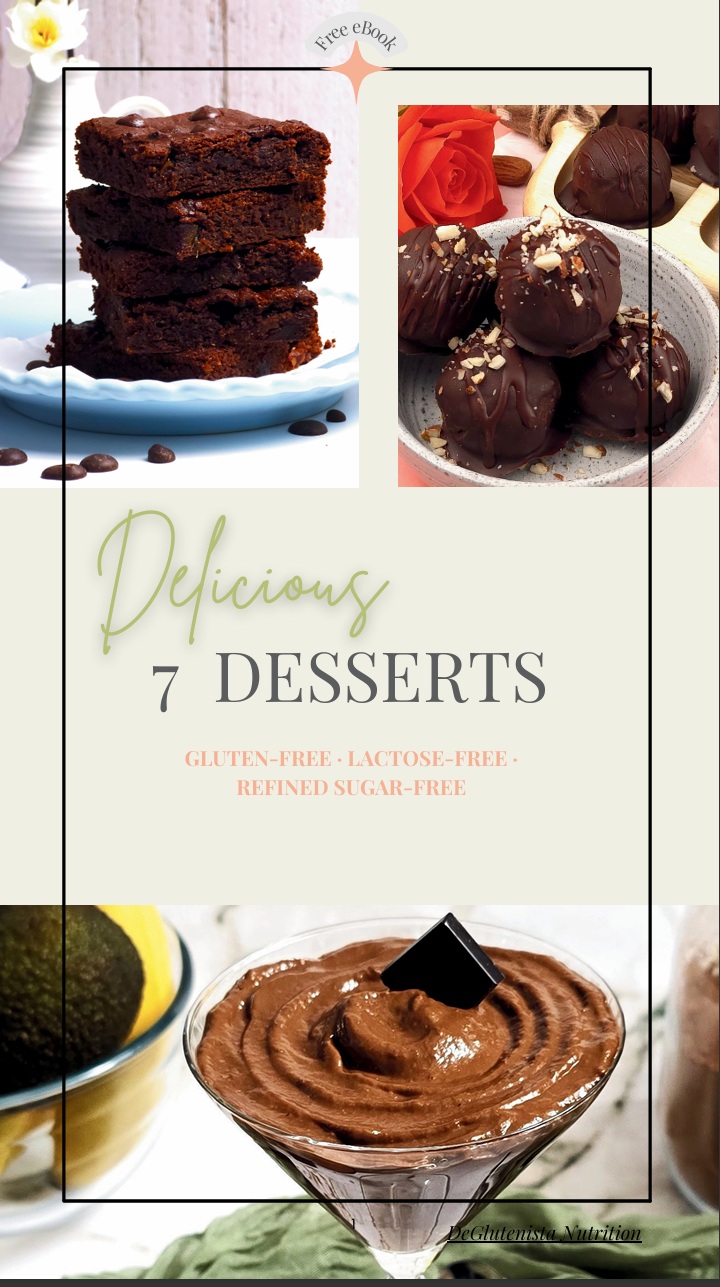
Fancy a Freebie?
Subscribe for my newsletter
and get your FREE eBook with 7 delicious gluten-free desserts!
*We will only send you gluten-free, lactose-free, refined sugar-free emails; you can unsubscribe anytime. Read our Privacy & Cookie Policy.

Thank you for stopping by! I’m Dani!
nutrition student | Healthy Live Promoter | Gluten-free recipe developer
Welcome to DeGlutenista Nutrition!
Your visit really means the world to me. I’m happy to share simple, nourishing gluten-free recipes and practical food tips focused on gut health and clean eating, all with an emphasis on reducing ultra-processed ingredients.
My approach is simple: practising mindful eating, regardless of food sensitivities, can be both tasty and healthy.