

What is Metabolic Health: How to Improve it?

Metabolic health sounds like a big science phrase, but it starts with something very familiar: what happens in your body after you eat. Every meal has to be digested, absorbed, transported around the body, used for energy, stored for later use, or built into tissues, hormones, enzymes, and immune cells. Your body does this all day, every day, without you needing to think about it.
When metabolic health is working well, blood glucose rises after a meal and returns to a healthy range. Insulin helps move glucose into cells. Blood fats are managed, so they don’t stay high for too long. Blood pressure stays under less strain. Appetite, energy, digestion, sleep, and movement feel easier to support.
When the system is under pressure, glucose may stay in the bloodstream for longer, the pancreas may need to release more insulin, triglycerides may rise, blood pressure may climb, and more fat may collect around the waist or liver. These changes can build slowly, often before someone feels unwell.
Here at DeGlutenista Nutrition, I care about this topic. Food quality, gut health, fiber, ultra-processed foods, and gluten-free living all converge on the same place: the everyday plate. A bowl of oats, a frittata, a soup, a piece of dark chocolate, a walk after lunch, a calmer evening routine; these small choices all send signals to the body.
This guide will provide answers about healthy habits and explain how to incorporate metabolic health practices into your daily routine.

What Happens After You Eat?
Food is used for energy only after the body breaks it down.
Carbohydrates break down into glucose. Protein breaks down into amino acids. Fats break down into fatty acids and glycerol. These smaller molecules move through the bloodstream and travel to the tissues that need them.
Glucose is one of the body’s main fuel sources. Your muscles use glucose when you move. Your brain uses glucose as a primary energy source. Your liver stores and releases glucose to help keep blood sugar stable between meals.
Insulin is released by the pancreas when blood glucose rises after eating. Insulin helps move glucose from the blood into cells. Once inside the cells, glucose can be used to make energy or stored for later use.
When cells respond well to insulin, glucose moves from the blood into the cells after eating, and blood glucose returns to a healthy range.
When cells respond less well to insulin, more glucose stays in the bloodstream for longer. The pancreas then releases more insulin to manage the same amount of glucose. Over time, this puts extra pressure on the pancreas and makes blood sugar regulation harder. If your blood glucose levels keep going up, you could develop prediabetes and then type 2 diabetes.
Refined Sugar, Glucose Spikes, and Energy Crashes
Refined sugar gives sweetness without the fiber, water, chewing resistance, and plant structure found in whole foods such as fruit, oats, beans, lentils, nuts, and seeds. A sugary drink, soft biscuit, or refined sweet snack can be digested quickly, so glucose enters the bloodstream faster, prompting the pancreas to release insulin to help move that glucose into cells.
Sweetness feels different when it comes with more food structure. Dates, berries, cocoa, chia seeds, nuts, and yogurt provide the body with more texture, fiber, minerals, plant compounds, and fat. I wrote more about this balance in Sugar: The Sweet-Bitter Love Affair, where I look at refined sugar, natural sweetness, cravings, and everyday food choices without turning sweetness into fear.
Carbohydrates also affect blood glucose differently depending on portion size, fiber, protein, fat, and the rest of the meal. My guide to Glycemic Index and Glycemic Load goes deeper into why the same amount of carbohydrate can behave differently depending on the food and the plate around it.
What is Insulin Resistance?
Insulin resistance develops when cells in the muscles, liver, and fat tissue respond less well to insulin. The body still produces insulin, but the signal has a weaker effect.
In other words, after a meal, carbohydrates break down into glucose. Glucose enters the bloodstream. The pancreas releases insulin. Insulin helps move glucose into cells. When cells respond well, glucose leaves the blood and enters cells for energy or storage.
But when cells respond less well, glucose stays in the bloodstream for longer. The pancreas releases more insulin to manage the extra glucose. For a while, the body may keep blood glucose within range by producing higher insulin levels. Over time, this extra demand can exhaust the system, and blood glucose can begin to rise.
Muscle tissue is highly active metabolically, as it requires constant energy to maintain itself. More active muscles give the body more space to store and use glucose after meals. This is one reason walking after meals and resistance training are powerful metabolic health habits.
Your Muscles Store Glucose
Did you know that your muscles are a glucose storage site?
Your muscles are one of the main places your body stores glucose after meals. Some glucose is stored in muscle as glycogen, where it can be used to fuel movement.
A short walk after lunch or dinner gives your muscles a reason to use glucose. After movement, muscle cells can take up more glucose from the blood to refill their stores. This is why walking after meals and strength training are practical metabolic health habits.

The Main Signs Linked with Poor Metabolic Health
Poor metabolic health often develops slowly and silently. Some people feel tired, crave sugar, feel sleepy after meals, or notice energy crashes, but many people have no clear symptoms. Elevated fasting glucose, high triglycerides, low HDL cholesterol, high blood pressure, and increased waist circumference are used as markers of metabolic syndrome, as together they signal greater cardiometabolic strain.
These markers can change long before someone feels unwell. Blood pressure can rise without a single symptom. Blood glucose can move upward gradually. Triglycerides can increase without signs. Waist measurement can reflect fat storage around abdominal organs, which is more metabolically active than fat stored under the skin.
These markers need professional interpretation. A single result usually is not enough, and a diagnosis should always be made by a qualified healthcare professional. Common markers linked with poor metabolic health include:
- blood glucose
- insulin response
- blood pressure
- triglycerides
- HDL cholesterol
- waist circumference
- inflammation-related risk
- Liver fat and cardiovascular risk, where relevant
The Liver’s Role in Blood Sugar, Fats, and Fatty Liver Risk
The liver is one of the busiest metabolic organs in the body. It stores and releases glucose, processes fats, helps manage cholesterol, breaks down alcohol, handles many medicines, and supports the body’s normal detoxification pathways.
The newer term is metabolic dysfunction-associated steatotic liver disease, or MASLD. It describes fat buildup in the liver linked to metabolic risk factors such as insulin resistance, elevated blood glucose, higher triglycerides, excess waist-related fat, and increased risk of type 2 diabetes.
When insulin resistance develops, the liver can release more glucose into the bloodstream and process fats less smoothly. Triglycerides can rise, fat can build inside liver cells, and the liver becomes part of the same metabolic loop as blood sugar, waist circumference, blood pressure, and cholesterol.
Food supports the liver through the same habits that support metabolic health: protein-rich meals, fiber-rich plants, healthy fats, regular movement, better sleep, less alcohol, fewer refined sugars, and fewer ultra-processed foods. My Detox Myths and Facts article continues this conversation by explaining how the liver, kidneys, gut, lungs, and skin already support detoxification every day, and why extreme cleanses miss the real biology.
Fiber, Gut Health, and Blood Sugar Balance
Fiber is one of the easiest places to start when you want to support metabolic health through food. It changes the way a meal moves through digestion, helps you feel fuller, and gives your gut bacteria something useful to work with.
Soluble fiber absorbs water and creates a thicker texture in the gut, so glucose enters the bloodstream more steadily after a meal. Other fibers travel further down into the colon, where gut bacteria ferment them and produce short-chain fatty acids. These small compounds help support the gut lining, appetite signals, immune communication, and the gut’s connection to the rest of the body.
A varied, fiber-rich diet also helps shape your gut microbiome over time. That is why foods such as gluten-free oats, chia seeds, ground flaxseed, beans, lentils, berries, vegetables, nuts, and seeds are so useful in everyday meals. My dietary fiber guide goes deeper into soluble and insoluble fiber, while my Fiber Boost Breakfast Mix and Gluten-Free Overnight Oats show how to bring these ingredients into breakfast without making the meal complicated.
Healthy Fats, Satiety, and Food Quality
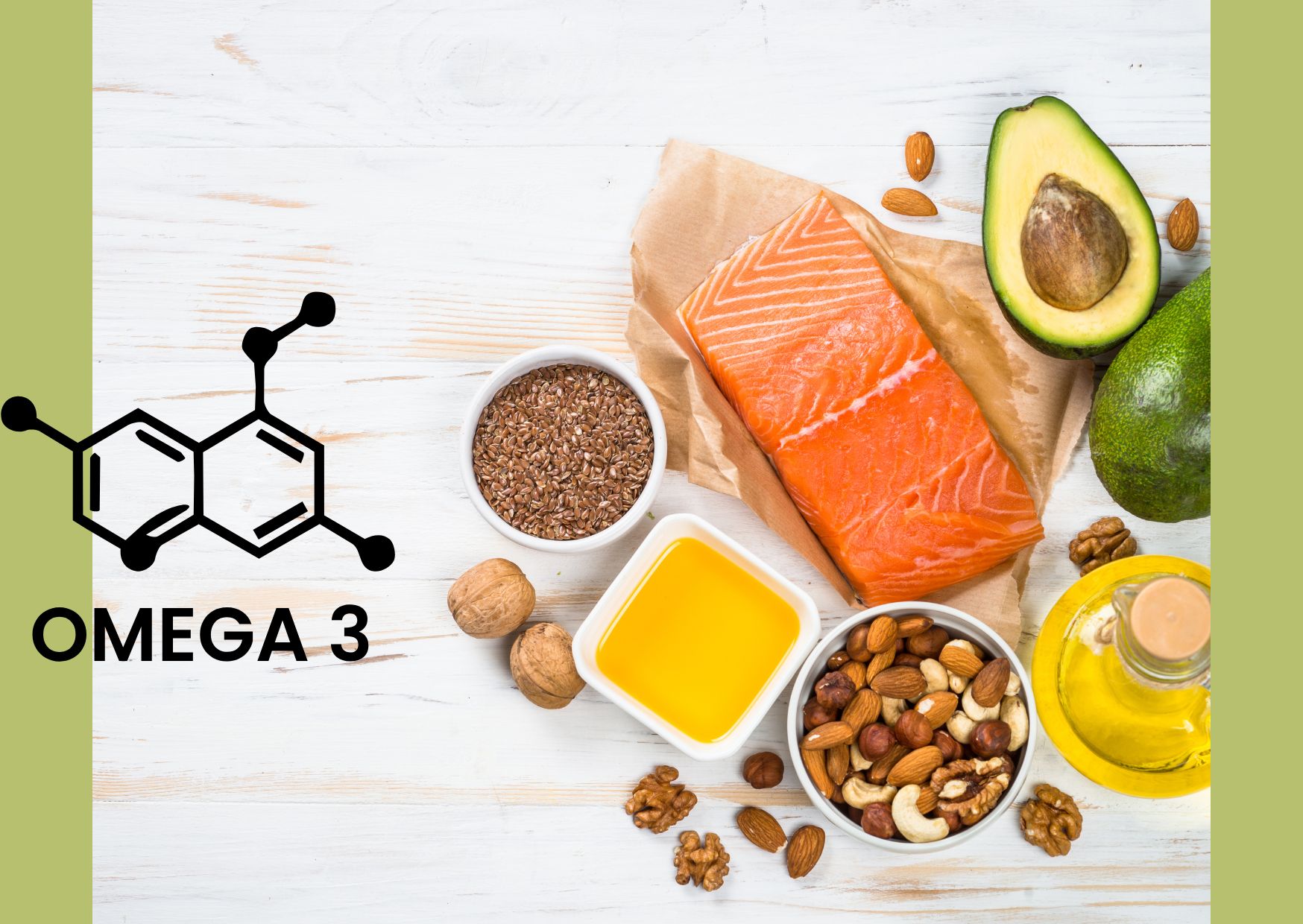
Fats help build cell membranes, support hormone production, carry flavor, and help absorb vitamins A, D, E, and K. They also make meals more satisfying when they come from foods such as olive oil, walnuts, chia seeds, flaxseeds, avocado, tahini, oily fish, and cocoa.
The food source changes the whole picture. Walnuts in oats, olive oil on salad, tahini in hummus, and salmon with vegetables give the body fats alongside protein, fiber, minerals, and plant compounds. A soft ultra-processed snack often brings fat with refined starches, sugar, salt, and flavorings.
My Healthy Fats Guide covers fat types, cooking oils, and omega balance in more detail, while Omega-3 Foods goes deeper into oily fish, chia seeds, flaxseed, walnuts, ALA, EPA, and DHA.
Ultra-Processed Foods and Metabolic Health
Ultra-processed foods often combine refined starches, added sugars, fats, salt, flavorings, emulsifiers, and soft textures in ways that make them easy to eat quickly. Many are low in intact fiber and chewing resistance, so fullness can arrive later.
When these foods become the daily pattern, the body often receives less protein, fiber, micronutrients, and plant variety. The useful question is how often these foods replace balanced meals built around protein, plants, fiber-rich carbohydrates, and healthy fats.
For gluten-free readers, packaged products are necessary, given busy lives. Bread, pasta, wraps, and crackers can all fit. The stronger approach is to build around them: gluten-free toast with eggs or hummus, pasta with protein and vegetables, crackers with beetroot hummus and cucumber, or a wrap filled with chicken, avocado, and salad.
Sleep, Stress, and Metabolic Health
Chronic stress keeps the body’s stress-response system switched on for longer. Adrenaline and cortisol levels rise, heart rate and blood pressure can increase, and the liver releases more glucose into the bloodstream for rapid energy. When the body stays in this high-alert state for too long, digestion, sleep quality, appetite regulation, and hormonal rhythm can all feel the strain.
Poor sleep adds another layer. Hunger can feel stronger, cravings can increase, caffeine becomes more tempting, and movement feels harder the next day. A tired body often seeks quick energy, and that energy often comes from sugar, refined starches, or snack foods.
Regular meals, morning daylight, movement breaks, earlier caffeine cut-off, and calmer evenings can help the body move into a steadier rhythm. And simply because sleep, cortisol, evening meals, stress rhythm, and midlife energy all converge on the same pathway, it might be useful if you are mid-aged like me and looking for Midlife Sleep Problems and Solutions.
What Metabolic Health Means for a Gluten-Free Diet
A gluten-free diet can completely support metabolic health when built around naturally gluten-free foods: potatoes, rice, buckwheat, quinoa, beans, lentils, vegetables, fruit, eggs, fish, poultry, meat, nuts, seeds, yogurt, and fermented foods, where tolerated.
The concern usually starts with replacement products. Gluten-free breads, wraps, biscuits, cakes, and cereals often need refined starches, gums, emulsifiers, fats, or sugars to recreate the structure gluten usually provides. These products can be safe and useful, especially for people with celiac disease, yet the plate still needs protein, fiber, plants, and healthy fats.
For someone newly diagnosed with coeliac disease, safety comes first. Newly Diagnosed Celiac — Now What? gives the first steps, from removing gluten to rebuilding confidence around food. Once the gluten-free routine becomes safer, food quality becomes the next layer.
A gluten-free diet can still consist of real food. Color, texture, protein, fiber, plants, and pleasure all belong on the plate, and I’m here for exactly this message.
A Food-First Action Plan for Better Metabolic Health
1. Build Every Main Meal Around Protein
Protein supports fullness, muscle maintenance, and steadier energy. Good options include eggs, fish, chicken, turkey, lean meat, tofu, tempeh, beans, lentils, lactose-free yogurt, Greek-style yogurt if tolerated, and protein-rich dairy alternatives.
For breakfast, this could be:
- egg omelet with vegetables
- yogurt with chia, berries, and ground flaxseed
- tofu scramble
- leftovers from dinner
- chia pudding with nuts and berries
2. Add Fiber-Rich Carbohydrates
Choose carbohydrates that provide fiber and nutrients. This helps support blood sugar balance, gut health, and a sense of fullness. Good options include: gluten-free oats, buckwheat, quinoa, chickpeas, beans, sweet potatoes, berries, apples, vegetables, chia seeds, and flaxseeds.
A slice of gluten-free bread is not usually a problem, but it may need help. Add eggs, avocado, hummus, salmon, chicken, tofu, or a side salad to make it more metabolically supportive.
3. Use Healthy Fats Wisely
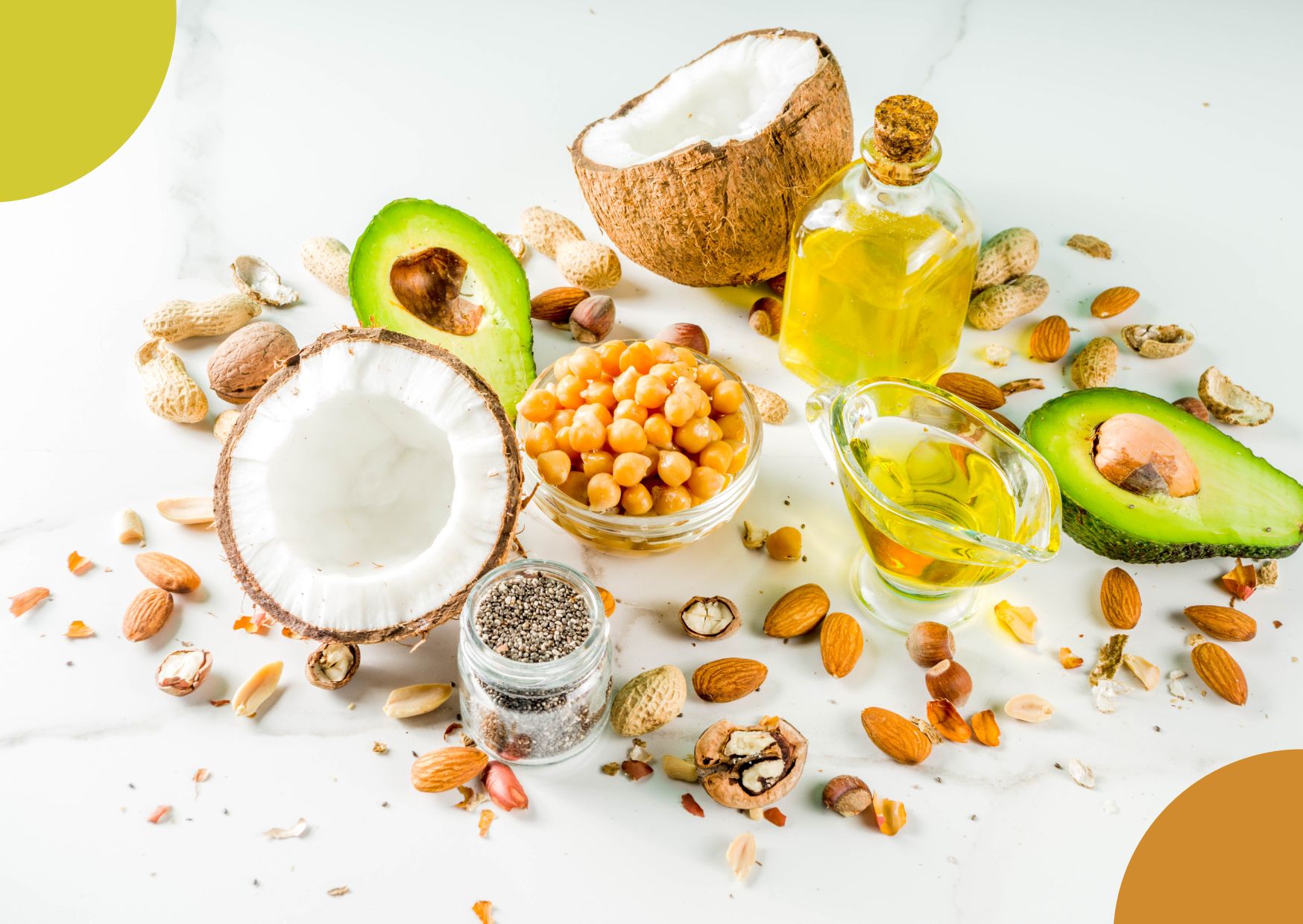
Healthy fats help meals feel satisfying and can support heart health when they replace less favorable fats. Good choices include extra virgin olive oil, avocado, nuts, seeds, oily fish, and tahini.
The key is not pouring oil over everything. It uses fats to improve meal quality, flavor, and satisfaction.
4. Reduce Glucose Spikes
You do not need to fear every rise in glucose. Blood sugar naturally rises after eating. The aim is to avoid frequent sharp spikes and crashes where possible.
Simple ways to reduce spikes:
- eat protein with carbohydrates
- add fiber to meals
- choose intact or less refined carbohydrates
- walk after meals
- avoid drinking sugar on an empty stomach
- eat sweets after a balanced meal rather than alone
- prioritize breakfast protein if you crash later in the day
5. Eat More Plants Across the Week
Plant variety supports fiber intake, micronutrients, and gut microbial diversity. This can include vegetables, fruit, beans, lentils, herbs, spices, nuts, seeds, and gluten-free whole grains.
You do not need a perfect rainbow bowl every day. Start with one extra plant food per meal.
6. Keep Ultra-Processed Foods in Perspective
A practical approach:
- keep convenient foods when needed
- upgrade the meal around them
- choose higher-fiber and higher-protein options where possible
- use whole-food snacks more often
- cook simple meals in batches
- read labels
When to Seek Professional Advice
Please speak with a qualified healthcare professional if you have:
- high blood pressure
- raised blood glucose or HbA1c
- high triglycerides
- low HDL cholesterol
- suspected insulin resistance
- symptoms of diabetes
- unexplained weight changes
- fatty liver concerns
- a diagnosed heart condition
- coeliac disease with ongoing symptoms
- an eating disorder history
- pregnancy-related glucose concerns
- medication that affects blood sugar, blood pressure, or appetite
Nutrition and lifestyle can be powerful, but they should not replace medical care when clinical markers are already outside the healthy range.
FAQs
What is metabolic health in simple terms?
Metabolic health means your body can manage energy well. This includes blood sugar, blood fats, blood pressure, insulin response, and waist-related health risk. Good metabolic health supports steadier energy and lowers long-term risk of type 2 diabetes and cardiovascular disease.
Is metabolic health the same as weight loss?
No. Weight can influence metabolic health, especially waist-related fat, but it is not the whole picture. Muscle mass, fitness, sleep, stress, food quality, smoking, alcohol intake, genetics, and blood markers also matter.
What foods are best for metabolic health?
The best foods are usually protein- and fiber-rich and minimally processed. Good choices include eggs, fish, poultry, tofu, beans, lentils, vegetables, fruit, nuts, seeds, gluten-free oats, buckwheat, quinoa, olive oil, and fermented foods where tolerated.
Are carbohydrates bad for metabolic health?
No. Carbohydrate quality matters more than simply avoiding carbs. Beans, lentils, oats, fruit, vegetables, and buckwheat can support metabolic health. Sugary drinks, refined snacks, and low-fiber refined carbohydrates are more likely to cause problems when they dominate the diet.
How can I improve my metabolic health?
Start with the basics: eat protein at meals, increase fiber intake, walk daily, add strength training twice a week, improve sleep, reduce ultra-processed foods, manage stress, and avoid prolonged sitting. Small habits repeated daily are more useful than extreme short-term plans.
Is a gluten-free diet good for metabolic health?
A gluten-free diet is essential for people with coeliac disease and necessary for some people with gluten-related disorders. However, gluten-free does not automatically mean metabolically healthy. The quality of the gluten-free diet matters. Naturally gluten-free whole foods are usually a better foundation than relying heavily on refined gluten-free replacement products.
In Summary
Metabolic health is helping your body manage energy, blood sugar, blood fats, and blood pressure more effectively.
The strongest foundation is simple: protein-rich meals, fiber-rich carbohydrates, healthy fats, plenty of plants, regular movement, muscle maintenance, better sleep, and fewer ultra-processed foods as the default every day.
If you follow a gluten-free diet, the same principles apply, but the details matter. Choose naturally gluten-free whole foods often, check the quality of gluten-free replacement products, and build meals that contain protein, fiber, and plants. This is the kind of nutrition that feels practical, supportive, and sustainable.
Thank you for reading!
YourDani x x



About the Author: Dani
Integrative nutritionist | BSc (Hons) Human Nutrition | Metabolic and gut Health
Hi! I’m Dani, a Human Nutrition graduate with a strong interest in lifestyle medicine, gut health, metabolic health, UPF-free, whole-food, and gluten-free cooking. Your visit means the world to me!
I share simple recipes, nutrition tips, lifestyle experiences, and insights into living with food intolerances.