
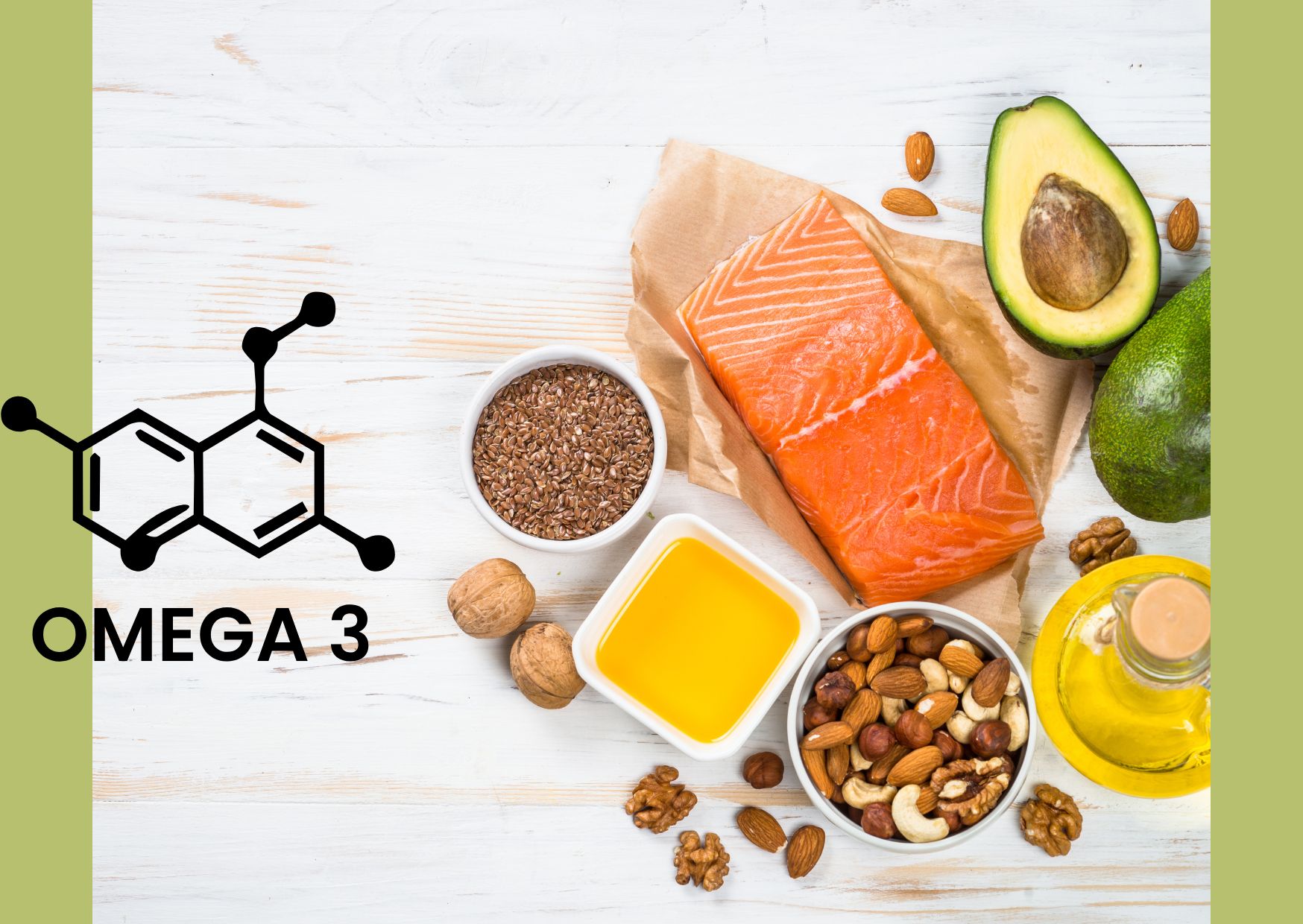
Omega-3 Foods: The Best Sources of ALA, EPA, and DHA

Omega-3 foods can feel confusing, as the term “omega-3” is used as if it means a single thing. In reality, omega-3 fats are a family, and each type plays a role in the development and maintenance of the human body.
The three names worth knowing are ALA, EPA, and DHA. ALA is found mostly in plant Omega-3 foods such as chia seeds, flaxseed, walnuts, and rapeseed oil. EPA and DHA are found mainly in oily fish, seafood, and algae.
EPA and DHA are produced by microalgae at the base of the marine food chain and then accumulate in fish tissues. Omega-3 fatty acids are among the most important components for brain health, heart health, and cell membranes.
This is why omega-3 foods need a little more explanation than “eat more fish.” And why, in the worst scenario, might you need these Omega-3 supplements?
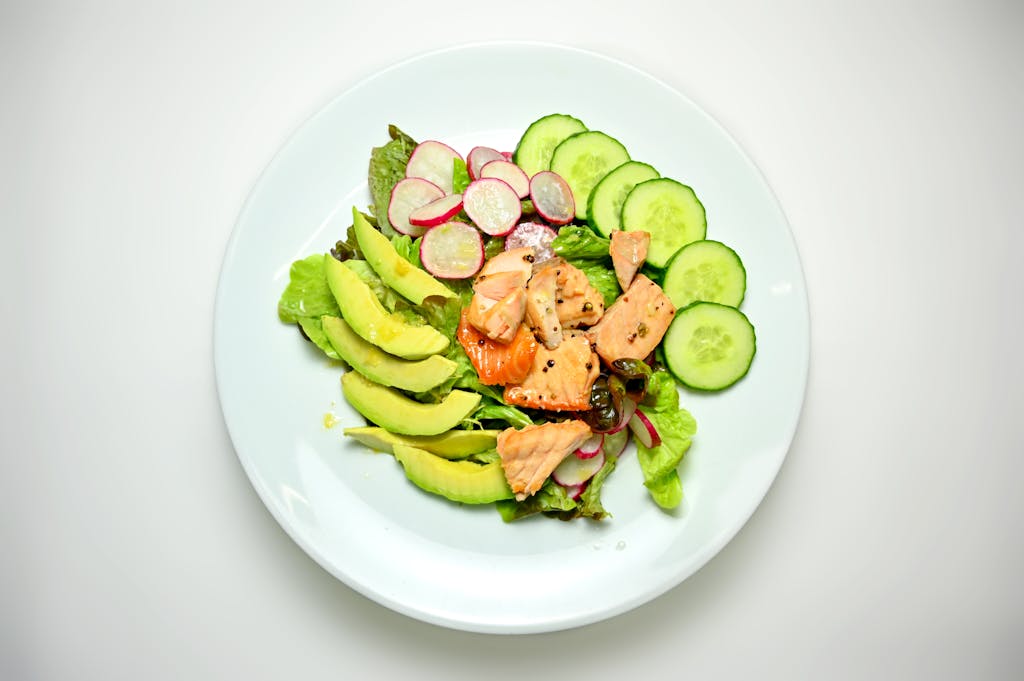
The Three Omega-3 Forms
ALA (alpha-linolenic acid) is found in plant-based omega-3 foods. It is an essential fat, so it needs to come from the diet. Chia seeds, ground flaxseed, walnuts, soya, and rapeseed oil are good sources.
EPA (eicosapentaenoic acid) and DHA (docosahexaenoic acid) are longer-chain omega-3 fats. They are found mainly in oily fish, seafood, and algae-based oils. DHA is especially important in brain and retina tissue, while EPA is involved in inflammatory signaling and cardiovascular health research. EPA and DHA are important for the heart, blood vessels, lungs, immune and hormone systems.
In the human body, ALA can be converted into EPA and DHA, but the conversion is very limited. This process depends on genetics, and only small amounts are formed, at roughly 5-8% for EPA and 1-4% for DHA.
Best Omega-3 Foods for EPA and DHA
Oily fish is the primary dietary source of omega-3 fatty acids, particularly EPA and DHA.
Good Omega-3 foods include salmon, sardines, mackerel, trout, herring, and anchovies. Fresh, frozen, and tinned fish can all be good sources of Omega-3 fatty acids. Smoked or brined fish may be higher in salt, so read the label for sodium content.
The NHS recommends at least two portions of fish per week, including one portion of oily fish. One portion is around 140g cooked weight.
A simple weekly pattern could be salmon one evening, sardines or mackerel another day, and plant omega-3 foods used throughout the week. It does not need to be fancy. Half the time, the most helpful nutrition advice is what survives a busy Thursday.
Plant Omega-3 Foods
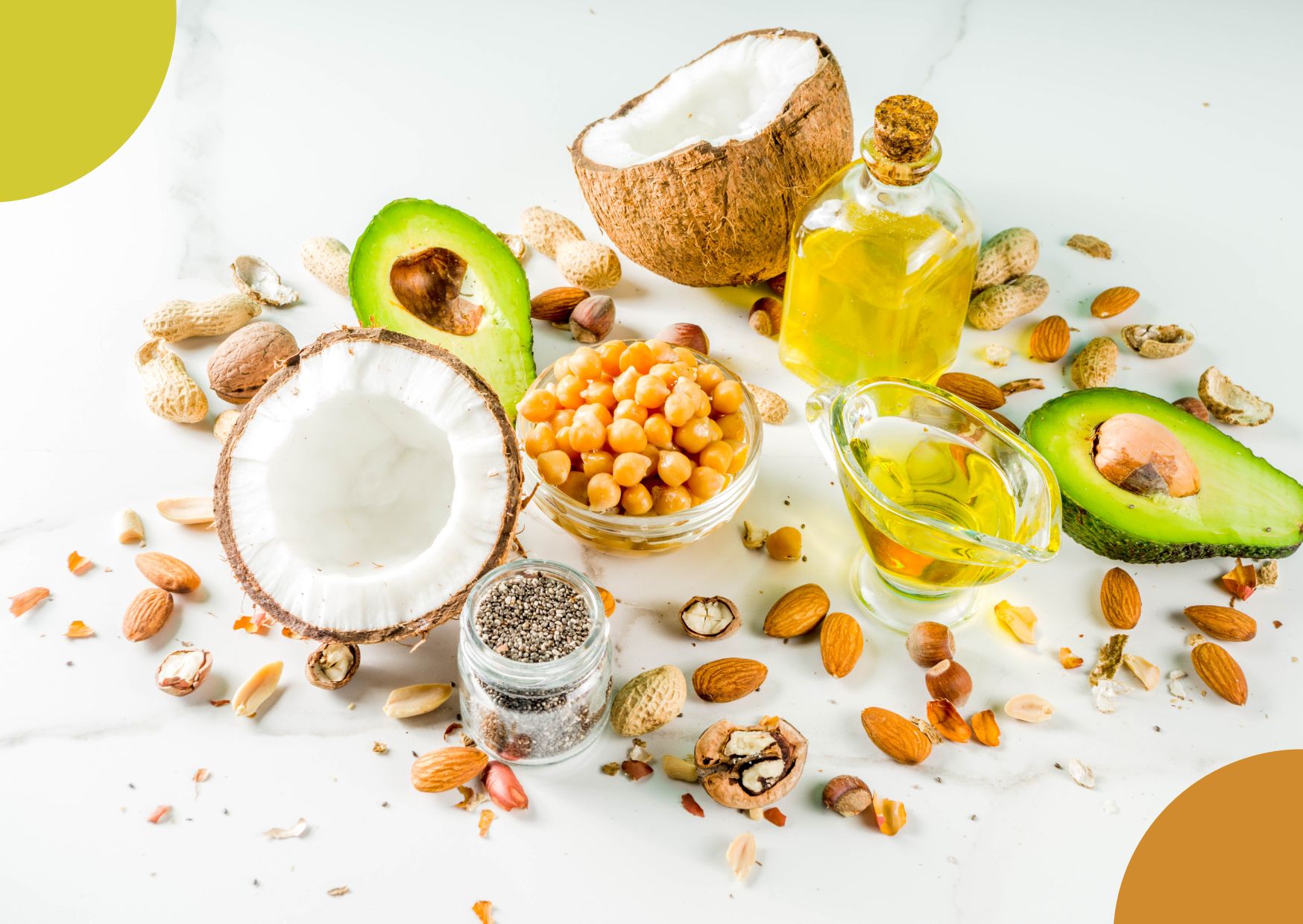
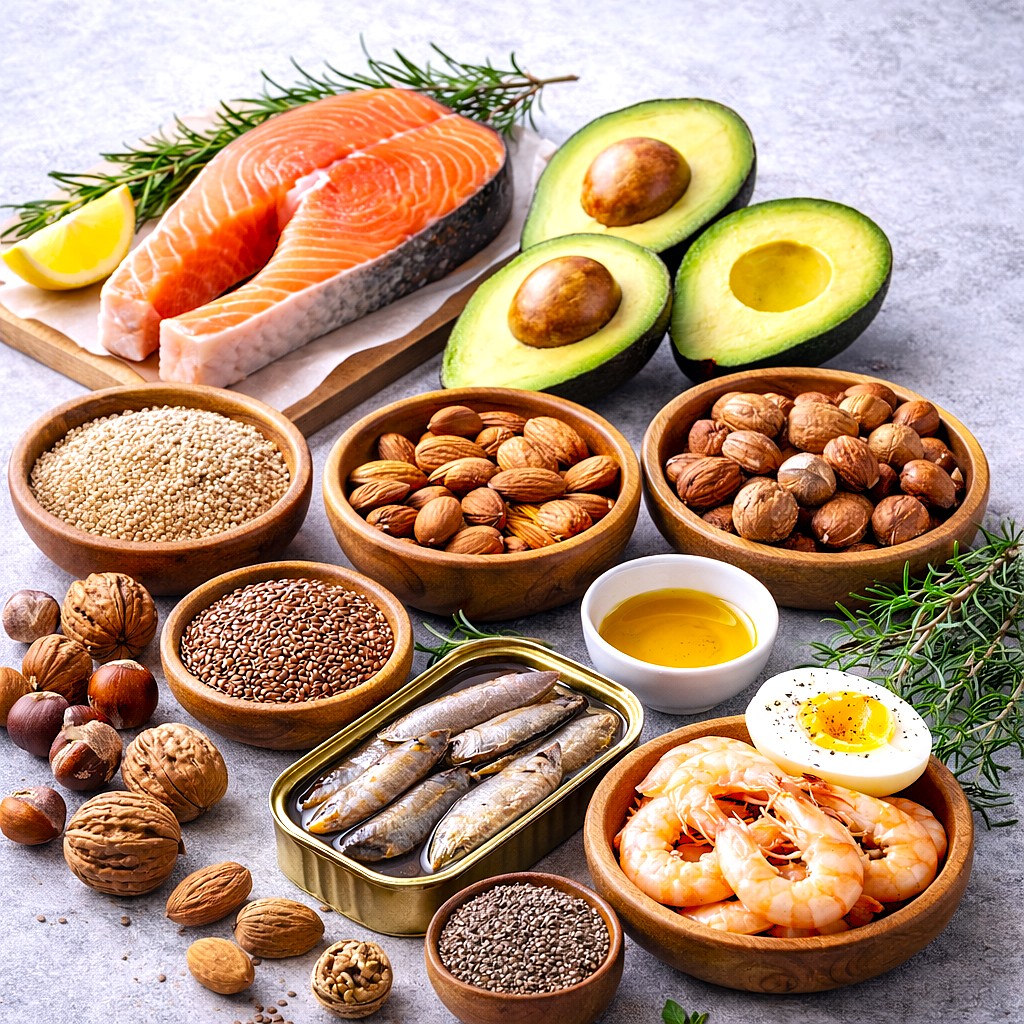
The best-known plant-based Omega-3 foods are chia seeds, ground flaxseed, walnuts, hemp seeds, soya, and rapeseed oil. These foods provide omega-3 fatty acids in their precursor form, meaning the body must convert ALA into EPA and DHA via enzymatic pathways.
I would recommend grinding flaxseeds to break the food matrix and release more nutrients. Otherwise, the flaxseed can pass through the digestive tract intact, and you may miss some of the omega-3 locked inside the seed.
Chia seeds can be used whole. They swell and gel when hydrated, which makes them easy to add to puddings, porridge, yogurt, or breakfast jars.
Walnuts are probably my favorite option. I like adding them to breakfast, salads, homemade snacks, or baking, and enjoy not only plant Omega-3s but also healthy fats.
Primary Courses of Omega-3 Foods: What About Algae?
Algae are a diverse group of aquatic organisms and a great source of Omega-3 fatty acids in the marine food chain. Microalgae contains EPA and DHA, then fish accumulate these fats through the food chain. This is why oily fish is such a rich source of long-chain omega-3.
For people whose diet does not include fish, algae-derived omega-3 provides a direct source of DHA, and in some products EPA too.
Algal oil is suitable especially for vegans, vegetarians, people who dislike fish, or anyone who wants a direct source of Omega-3 fatty acids without any seafood.
Omega-3 Foods at a Glance
If you’re wondering how to boost your intake, here’s a list of foods rich in Omega-3 fatty acids:
| Food | Main omega-3 type | Best use |
|---|---|---|
| Salmon | EPA + DHA | Main meals |
| Sardines | EPA + DHA | Budget-friendly oily fish |
| Mackerel | EPA + DHA | Salads, toast, main meals |
| Trout | EPA + DHA | Alternative to salmon |
| Chia seeds | ALA | Puddings, porridge, yogurt |
| Ground flaxseed | ALA | Breakfast bowls, baking |
| Walnuts | ALA | Snacks, salads, breakfast |
| Rapeseed oil | ALA | Everyday cooking |
| Algal oil | DHA + EPA | Direct fish-free source |
Sources of Omega-3 Foods
1. Fatty Fish
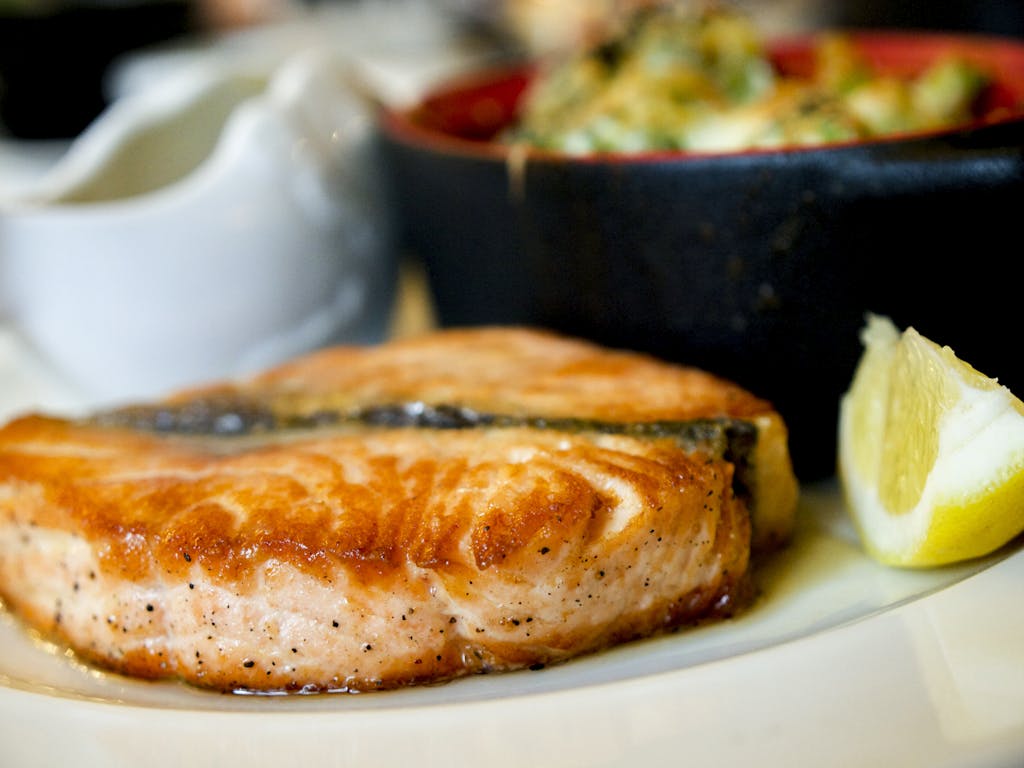
Fatty fish like salmon, mackerel, sardines, herring, and anchovies are among the richest sources of Omega-3 fatty acids, especially EPA and DHA. A single serving of salmon (about 100g) can provide around 1,000-1,500 mg of these essential fats, making it a fantastic choice for brain health.
Check out this delicious Oven-Baked Salmon with Pistachio Crust from my Omega-3 recipe collection.
2. Chia Seeds
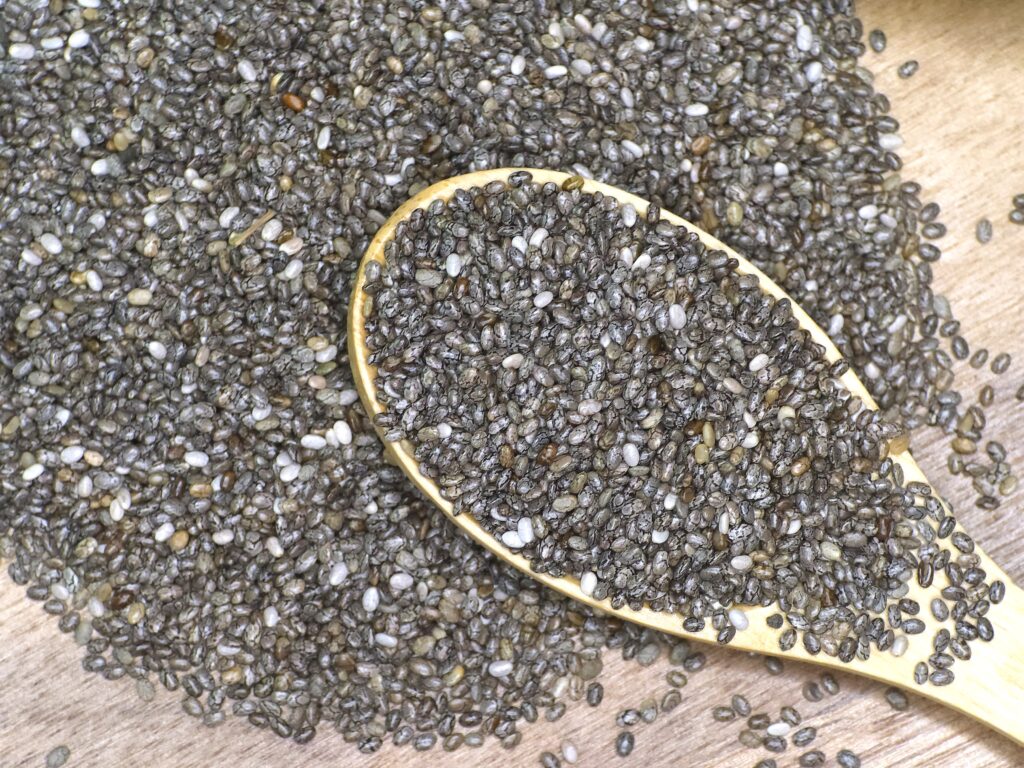
Chia seeds are a great plant-based source of ALA, and they have their own dedicated article. Just two tablespoons provide around 4,000 mg of Omega-3s. They’re also packed with fiber and antioxidants, making them a versatile addition to smoothies, oatmeal, or salads.
If you are looking for inspiration, here is my Chia Seeds Recipes Hub.
3. Walnuts

Walnuts are among the best nuts for their Omega-3 content. A small handful (about 28g) gives you about 2,500 mg of ALA. Including them in your diet is an easy way to boost your daily intake.
Check out my Walnut-Pistachio Loaf, yum!
4. Flaxseeds
Flaxseeds are another excellent plant-based source of ALA. They’re best consumed ground, as whole seeds may pass through your digestive system without being fully absorbed. One tablespoon of flaxseed provides around 2,300 mg of Omega-3 Fatty Acids.

5. Algal Oil
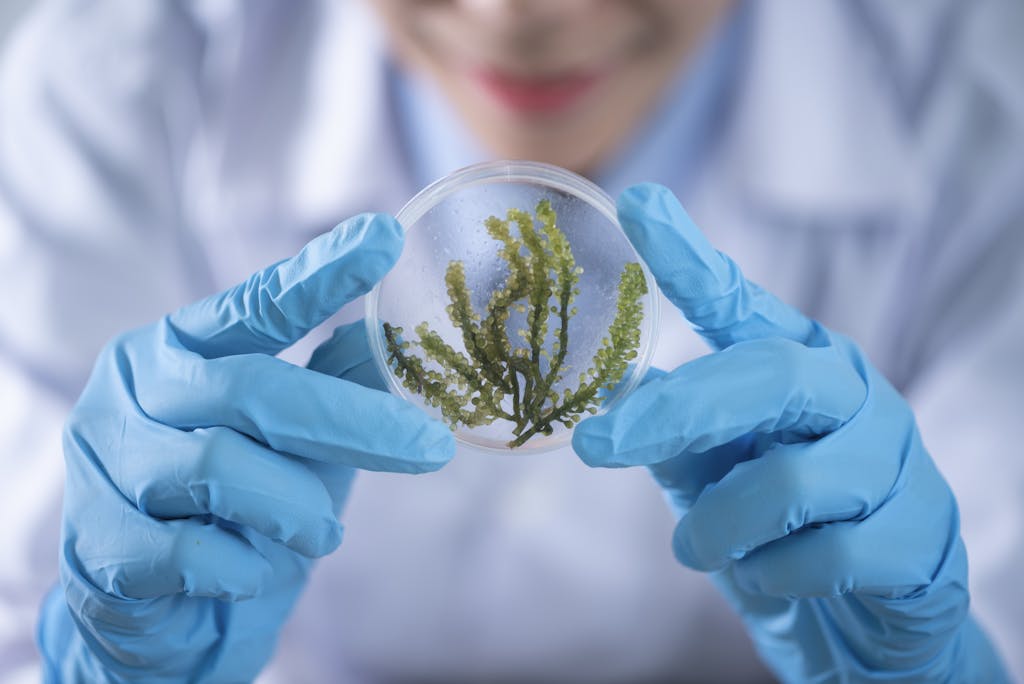
Algal oil is a vegan supplement derived from algae, the primary source of DHA and EPA for fish. It’s an excellent alternative for those who don’t consume seafood.
6. Cod Liver and Cod Liver Oil
Cod liver and cod liver oil have a long history of use in Northern European diets and remain a notable source of omega-3 fatty acids, particularly DHA and EPA. Unlike standard fish oil, cod liver oil is derived from cod liver and naturally contains vitamins A and D alongside omega-3s. This combination can be beneficial in small, appropriate amounts, especially in populations with limited sun exposure.
However, because vitamins A and D are fat-soluble and can accumulate in the body, cod liver oil as an Omega-3 food sourse should be used with care and not treated as interchangeable with regular fish oil supplements. From a dietary perspective, cod liver itself is nutrient-dense but not commonly consumed.
NOTE! Cod Liver is recommended for occasional use.
Cod liver is a concentrated source of omega-3 fatty acids, particularly DHA and EPA, and naturally contains vitamins A and D. While it can contribute meaningfully to omega-3 intake, its high vitamin A content means it is best consumed occasionally rather than regularly, and it is not suitable for everyone. Cod liver should be viewed as a traditional, nutrient-dense food rather than a staple omega-3 source.
In summary, the best choice of the Omega-3 foods depends on how someone actually eats. A person who enjoys fish may get EPA and DHA through oily fish. A vegan or vegetarian may need algal oil for direct DHA. Someone in between, like me, may occasionally eat both plant Omega-3 foods and fish.



About the Author: Dani
Integrative nutritionist | BSc (Hons) Human Nutrition | Metabolic and gut Health
Hi! I’m Dani, a Human Nutrition graduate with a strong interest in lifestyle medicine, gut health, metabolic health, UPF-free, whole-food, and gluten-free cooking. Your visit means the world to me!
I share simple recipes, nutrition tips, lifestyle experiences, and insights into living with food intolerances.