
Gluten-Free Diet and Metabolic Health? What You Need to Know

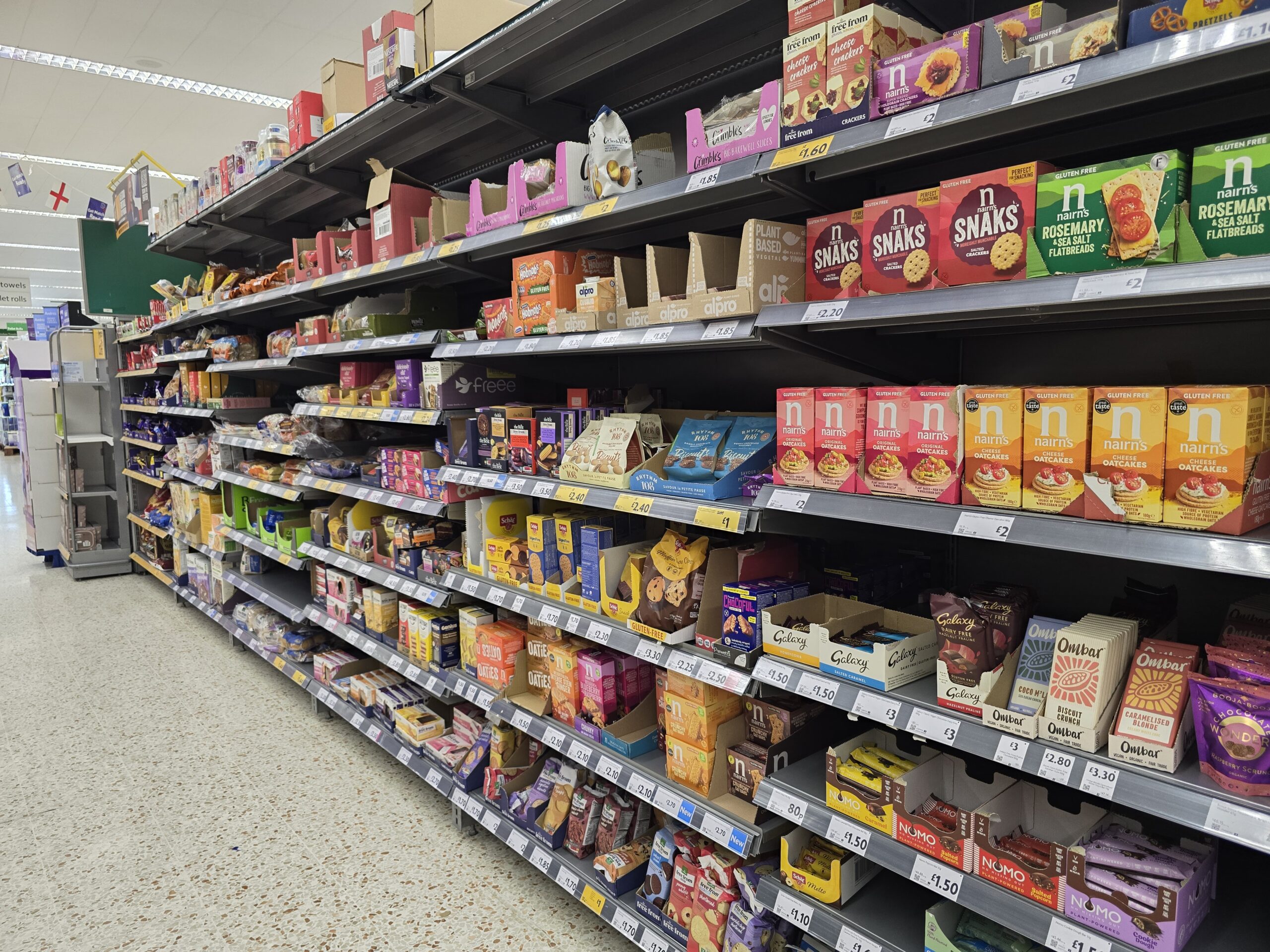
You’ve settled into your gluten-free diet and have your routine down for a while. You feel relieved when you walk into a supermarket packed with gluten-free choices. Plenty of options sit on the shelves; you buy the bread and feel like you are doing everything right. So why are you gaining weight? Why do you feel completely drained of energy, or why is your doctor suddenly mentioning markers of insulin resistance? Let’s talk about a gluten-free diet and metabolic health.
I know exactly how confusing and frustrating that mix of feelings is because I’ve used to lived it myself. A decade ago, I discovered my own severe intolerance to gluten. I refused to eat it again just to get a formal celiac diagnosis, so I simply cut it out. I thought I was doing everything right by switching to the available supermarket alternatives, but my body wasn’t thriving.
The missing piece of the puzzle has nothing to do with hidden gluten and everything to do with how standard supermarket staples affect a gluten-free diet and metabolic health. When we rely on these convenient, everyday products instead of whole foods, we shift to a diet that fundamentally changes how our bodies process energy.
The Link Between a Gluten-Free Diet and Metabolic Health
Metabolic health describes how efficiently your body generates and processes energy at a cellular level. It means your cellular machinery is running smoothly, without causing chronic inflammation or excessive stress on your organs.
To understand the connection between a gluten-free diet and metabolic health, we have to look at the medical world. Doctors track this stability using five specific markers:
- Blood Sugar: Your numbers stay steady without wild spikes or crashes.
- Blood Pressure: Your heart and blood vessels work under a safe, normal pressure.
- Triglycerides: The amount of fat circulating in your bloodstream remains low.
- HDL Cholesterol: You have plenty of “good” cholesterol protecting your heart.
- Waist Circumference: Your body isn’t carrying excess fat around your midsection.
When these five markers are well-balanced, you feel vibrant. When they get out of whack, your risk for long-term issues like type 2 diabetes and heart disease goes up. The shock for many people is that this decline can happen even while being 100% gluten-free.
The Nutrients Are Fine, But The Food Matrix Is Gone.
Gluten gives bread its stretch, fluffiness, and bounce. When manufacturers remove it, they have to rebuild the food from scratch.
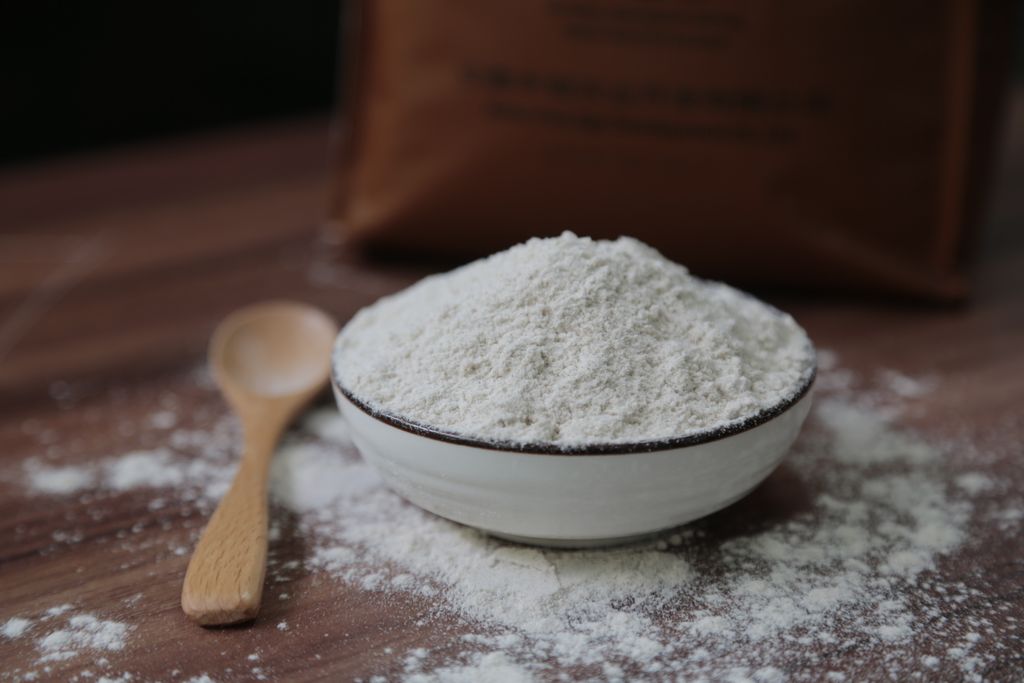
My dissertation’s primary study found that an incredible 90.8% of gluten-free packaged staples are ultra-processed foods. To replicate the texture of wheat, factories take whole ingredients and completely strip them down into isolated powders, like starch isolates, protein isolates, and fiber isolates. Then they use chemical additives and modifiers to mechanically reassemble those parts into a loaf of bread or a box of crackers.
Think of it like taking a physical house, grinding the bricks down into a fine dust, and then trying to glue that dust back into the shape of a house. The final appearance might look similar on a supermarket shelf, but the internal strength and architectural integrity are completely gone.
Even if the nutrition panel looks perfectly healthy, eating food whose natural physical architecture has been shattered changes how your body processes it.
The real danger to your metabolism is destroying the food matrix. Here’s the link between a gluten-free diet and metabolic health.
How a Shattered Food Matrix Hijacks Your Metabolism
Human bodies evolved over hundreds of millions of years to develop an amazing digestive system that, at a genetic level, knows how to break down and use as much of the food as possible. However, modern food processing, like extracting and isolating nutrients, has existed for around 200 years, or maybe less. This is not enough for our bodies to “learn” what to do with these new modifications, so our amazing digestive machinery started to glitch in three major ways:
Blood Sugar Spikes
When food keeps its natural structure, your stomach takes its time breaking it down, letting energy enter your blood slowly and steadily.
But when bread or pasta is remade from isolated starch powders, those natural barriers are gone. Even if the total carbs look fine on the box, these loose, modified starches break down instantly. Your body gets flooded with energy all at once, causing a sudden sugar spike. Your pancreas then has to work overtime to pump out insulin to handle the rush, which can leave you feeling exhausted.
Why You Don’t Stay Full
Real, whole foods take more chewing and fill your stomach up naturally, giving your brain plenty of time to get the message that you are full.
Processed gluten-free foods made from starch powders digest so fast that they can bypass these natural fullness triggers. Because the food structure dissolves so quickly, you might find yourself feeling hungry again just an hour after eating, making it incredibly easy to overeat without meaning to.
Your Gut Microbiome Needs Real Food
A healthy metabolism relies heavily on a happy gut. The good bacteria in your digestive tract thrive on the physical, fibrous “scaffolding” found in real, whole plants.
When a diet relies mostly on factory-made foods, your gut bugs lose their natural environment. Without that solid plant structure to feed on, your gut balance can shift, which can trigger the kind of chronic inflammation that makes it harder for your metabolism to stay balanced.
So, Can a Gluten-Free Diet Impact Your Metabolic Health?
While some studies show mixed and confusing results about whether going gluten-free helps or hurts your numbers, we cannot ignore how these foods are actually made. Since science heavily links ultra-processed foods to metabolic syndrome and poor health, the fact that 91% of available gluten-free staples are ultra-processed serves as a massive warning sign.
We cannot confidently claim a direct cause between a gluten-free diet and metabolic health, but this overwhelming percentage suggests a strong potential link between relying on these deconstructed supermarket options and experiencing a negative metabolic response.
Stay tuned for our upcoming deep dives, where we will unpack the exact science of the food matrix on blood sugar control, the truth about gluten-free protein gaps, and how to audit ingredient lists using our supermarket study data.
FAQs
What happens to your body when you go on a gluten-free diet?
When you eliminate gluten, your digestive system stops facing the constant irritation caused by the protein. However, if you replace your usual meals with standard supermarket options, your body suddenly faces highly calorie-dense, ultra-processed products. Because these foods are made from isolated starches rather than whole grains, your body absorbs them quickly, often triggering rapid insulin surges and leading to unexpected fat storage.
Why are doctors against gluten-free diets?
Medical professionals are generally concerned when individuals without a medical diagnosis switch to a gluten-free diet because of false-negative results. Eliminating gluten before medical evaluation prevents accurate celiac disease testing. Doctors worry because relying on engineered comfort foods means consuming easily absorbed, calorie-dense alternatives that can negatively affect your blood sugar, weight, and long-term metabolic health.
Is it harder for people with celiac to lose weight?
Weight management can be highly challenging after a diagnosis because your gut lining begins to heal, meaning your body naturally becomes much more efficient at absorbing everything you eat. If this healing phase is paired with standard gluten-free convenience items, you are consuming foods that are highly calorie-dense and quickly absorbed. This combination of increased nutrient absorption and rapid-digesting comfort staples makes it incredibly easy for the body to store excess energy as fat.
Is it healthier to stop eating gluten?
Eliminating gluten is necessary if you have celiac disease or a clear intolerance, but simply removing the protein does not automatically make your diet healthy. Swapping conventional items for these substitutes means you are switching to foods that are calorie-dense and rapidly digested. True health depends entirely on choosing naturally whole, intact gluten-free options instead of modified convenience foods that disrupt your metabolism.